No matter what your opinions are on religion, you can’t deny that it has so many benefits to it. For example, it gives believers a sense of comfort and moral guidance, as well as community. Many people draw strength from their faith, and that’s certainly a good thing! However, like with most things, there are two sides to the story, including the fact that religious beliefs sometimes slow down progress. Here are twelve ways in which religion might hold society back. This isn’t a slight on any religion in particular—just some opinions!
Featured Image Credit: VitalikRadko /Depositphotos.com.
Resistance to Scientific Advancements

Some religious communities oppose scientific findings that conflict with their beliefs, such as the theory of evolution. People who support creationism reject this idea & such opposition influences school curricula. Eventually, it creates less of a focus on important scientific concepts. It also slows down medical & technological progress that could benefit many.
Limiting Women’s Rights

In some religions, women are seen as inferior to men which restricts their access to education, jobs & leadership positions. They’re prevented from becoming leaders within religious institutions. As a result, women can’t reach their full potential or fully contribute to society, with this inequality affecting the entire community. Just how are we supposed to progress when not everyone is seen as an equal?
Like our content? Be sure to follow us.
Discouraging Critical Thinking

When we strictly follow religious doctrines, we discourage questioning & critical thinking because people are taught to accept beliefs. Examining them simply isn’t an option. Unfortunately, this suppresses their curiosity and hinders their intellectual growth. Schools might not encourage students to explore ideas that conflict with religious teachings. As such, we stop developing new ideas that drive society forward since we’re only repeating the same dogma.
Influencing Legislation Based on Beliefs

Religious groups sometimes push for laws that align with their beliefs and doing so affects everyone’s rights. For example, laws restricting marriage equality or reproductive choices often come from religious doctrines. As a result, legislation doesn’t reflect the diverse views of the whole population—rather, it limits personal freedoms for those who don’t share those beliefs.
Creating Social Divisions

Strong religious identities may create an “us versus them” mentality that creates tension between different religious groups or between religious & non-religious people. Naturally, these divisions result in misunderstandings and discrimination. And sometimes, they even cause conflicts. Societies that are divided along religious lines will find it harder to encourage unity & cooperation among different communities. Eventually, it creates more divisions that are even harder to overcome.
Suppressing LGBTQ+ Rights

Many religions don’t accept LGBTQ+ identities which creates discrimination & prejudice as well as laws that deny equal rights. Sadly, LGBTQ+ individuals often face social stigma, exclusion and even persecution as a result of religious beliefs. Such attitudes stop people from living openly & safely while also hindering progress toward equality.
Stigmatizing Mental Health Issues

In some religions, they see mental health problems as spiritual issues rather than medical ones. For example, they might claim that depression or anxiety is a lack of faith or moral failing, which discourages people from seeking professional help. It causes their mental health to worsen. Worse still, it affects individuals & their families as such beliefs create inadequate support systems.
Imposing Censorship

Religious sensitivities sometimes lead to censorship of art & literature because works that challenge or criticize religious beliefs are banned. It limits freedom of expression and access to diverse ideas. In turn, religion restricts open dialogue and cultural growth as people’s creativity becomes stifled—they can’t exchange perspectives anymore. Without these new ideas, there’s no hope for our society to progress because we’re all stuck on old ideas.
Hindering Sex Education

Unfortunately, many religions promote abstinence-only education & leave out comprehensive sex education. People grow up with inaccurate information about sexual health, which makes them uninformed about contraception & disease prevention. Such a lack of information has serious consequences for people—and their communities.
Obstructing Medical Procedures

Religious objections often interfere with medical treatments like blood transfusions or vaccinations. Some groups refuse these procedures based on religious grounds. As a result, preventable illnesses may spread more easily. Medical professionals also face challenges when religious beliefs conflict with standard care practices that stop effective healthcare delivery.
Allocating Resources to Religious Institutions

When governments provide funding to religious organizations, other important services, like education or healthcare, receive less support. Allocating resources in this way may not benefit society equally—especially for those who do not share that religion. We have to make sure public funds serve everyone to help society develop.
Restricting Freedom of Belief
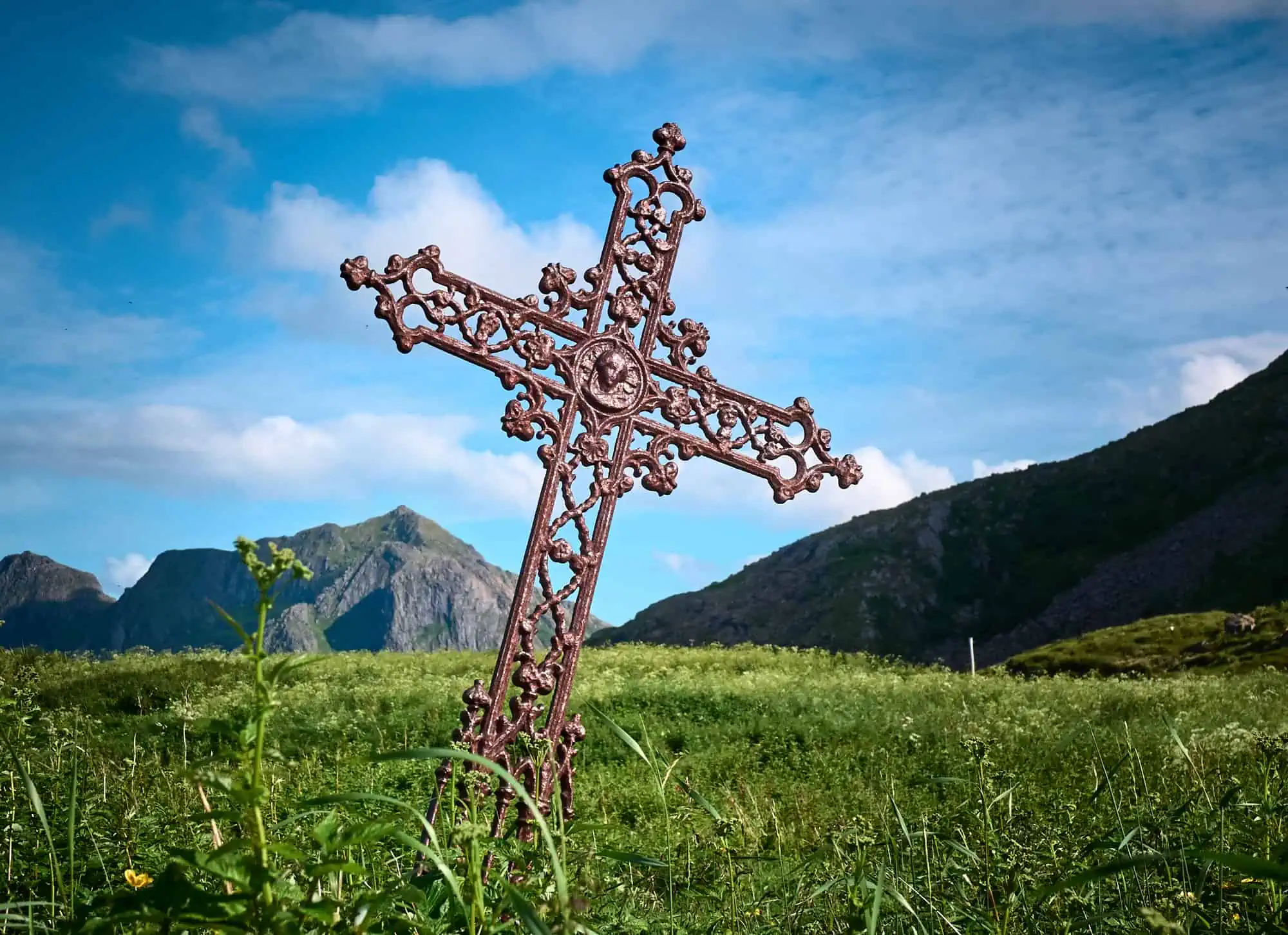
In some parts of the world, religious laws stop people from choosing or changing their faith. People may feel trapped in a religion they no longer identify with—that has huge consequences for their personal freedom & happiness. It may even lead to persecution or social ostracism for those who wish to explore other beliefs.
Disclaimer: This list is solely the author’s opinion based on research and publicly available information.
Like our content? Be sure to follow us.
Read More: