

Have you caught yourself saying something to your grandkids or kids and then wondering if it was really the best choice of words? Well, child psychologists have some insights that might make you think twice about some of those everyday phrases. And here are eight phrases they’re urging us not to use, even though you might mean well. They actually hurt quite a bit.
Featured Image Credit: AlexLipa/Depositphotos.com.
“Stop crying, it’s not a big deal.”

You should never tell a child to stop crying because something is “not a big deal.” It makes them think their emotions are not worth our attention. Instead, child psychologists suggest that we should sit down with them and acknowledge their feelings. Talk through what’s bothering them so they feel heard & teach them how to process emotions healthily.
“You’re okay, it didn’t hurt.”
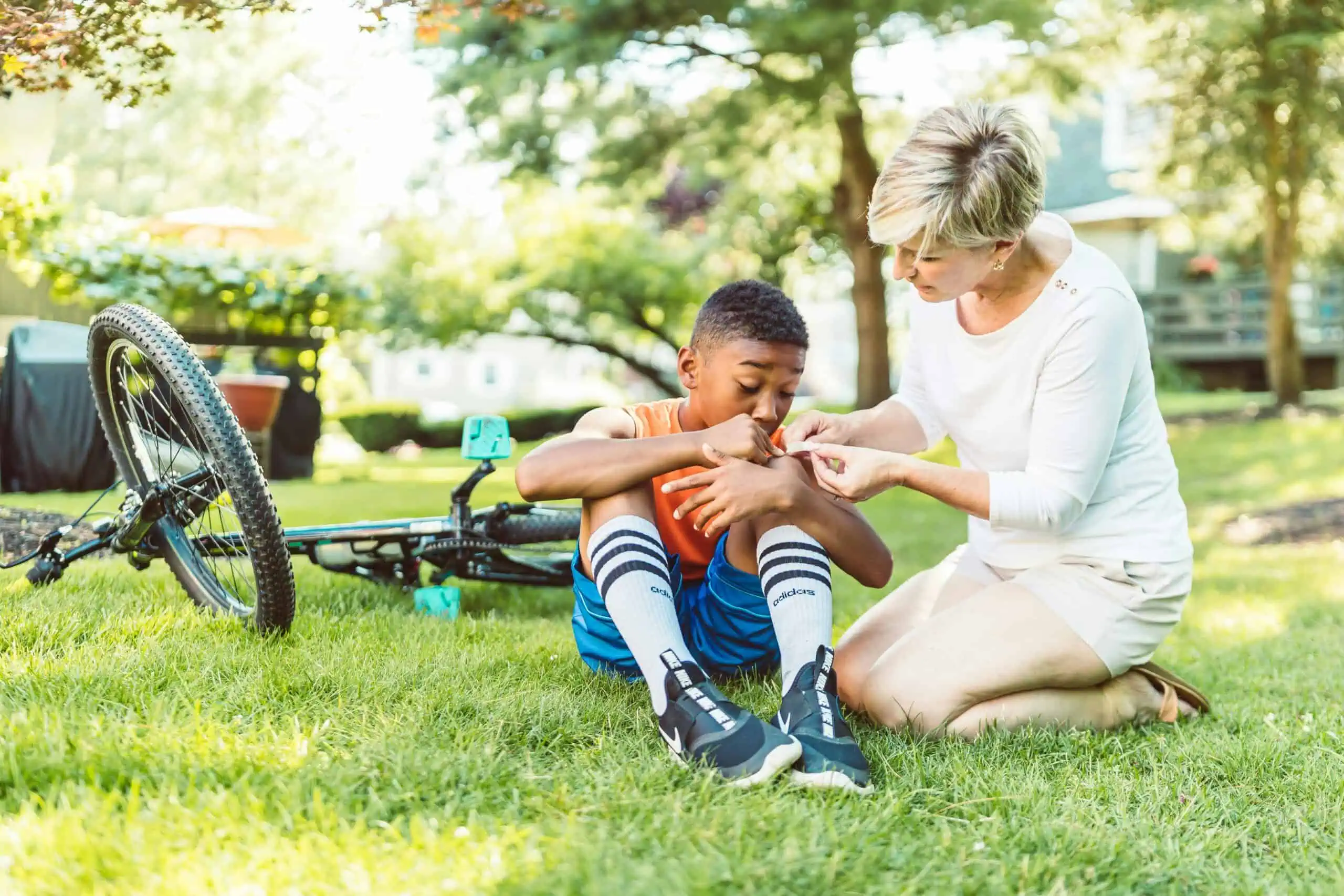
Even if it looks like a tiny scrape, saying, “You’re okay, it didn’t hurt,” when a child falls dismisses their experience. It can confuse them about what they’re actually feeling. A better way to handle this is to check on them & acknowledge that they got hurt—then ask if they want a kiss or a hug to soothe them. Doing so helps them trust their own feelings, so they’ll understand that it’s okay to look for comfort.
Like our content? Be sure to follow us.
“Why can’t you be more like your sister/brother?”

When we compare our kids to their siblings, we’re not helping anyone and in fact, this can make them feel less valued than their siblings. It only creates unnecessary competition. Each child is unique and child psychologists recommend focusing on each child’s strengths & struggles individually. We should encourage them in their own personal growth.
“Let me do it for you.”

Jumping in too quickly to help can send a message that you don’t think they can do it themselves. As such, it’s usually more helpful to guide them through the problem. Say something like, “Try holding the scissors like this,” to show them how rather than just doing it for them. You’ll help build their confidence & problem-solving skills, step by step.
“Boys don’t cry.”
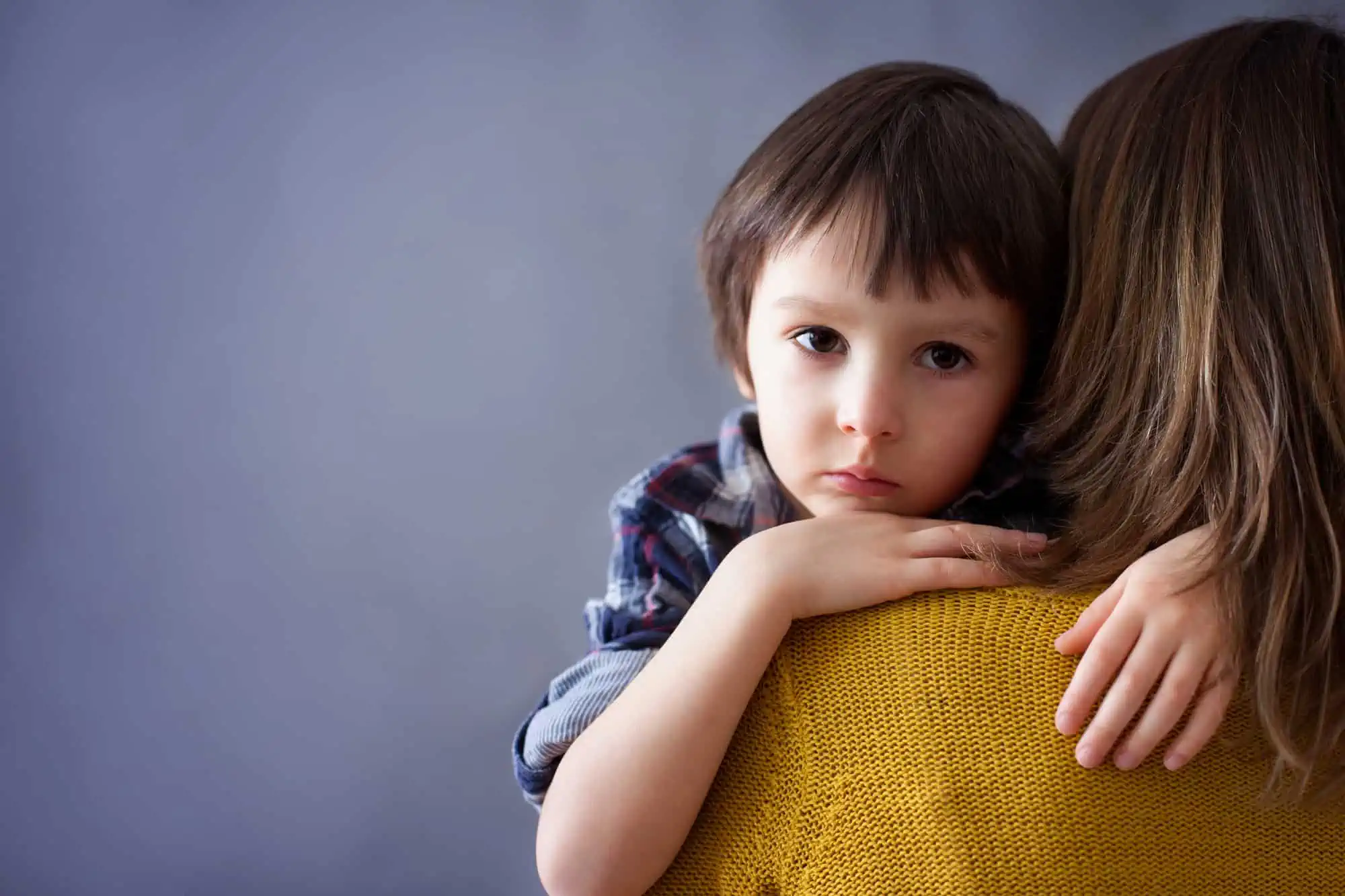
There’s never a reason good enough to say this one. Telling boys they shouldn’t cry forces them to bottle up their emotions, which isn’t healthy for anyone. Let’s teach all kids, regardless of gender, that it’s perfectly fine to express their feelings, so they can develop into emotionally healthy adults. They shouldn’t be afraid to discuss their feelings.
“You’re being bad.”
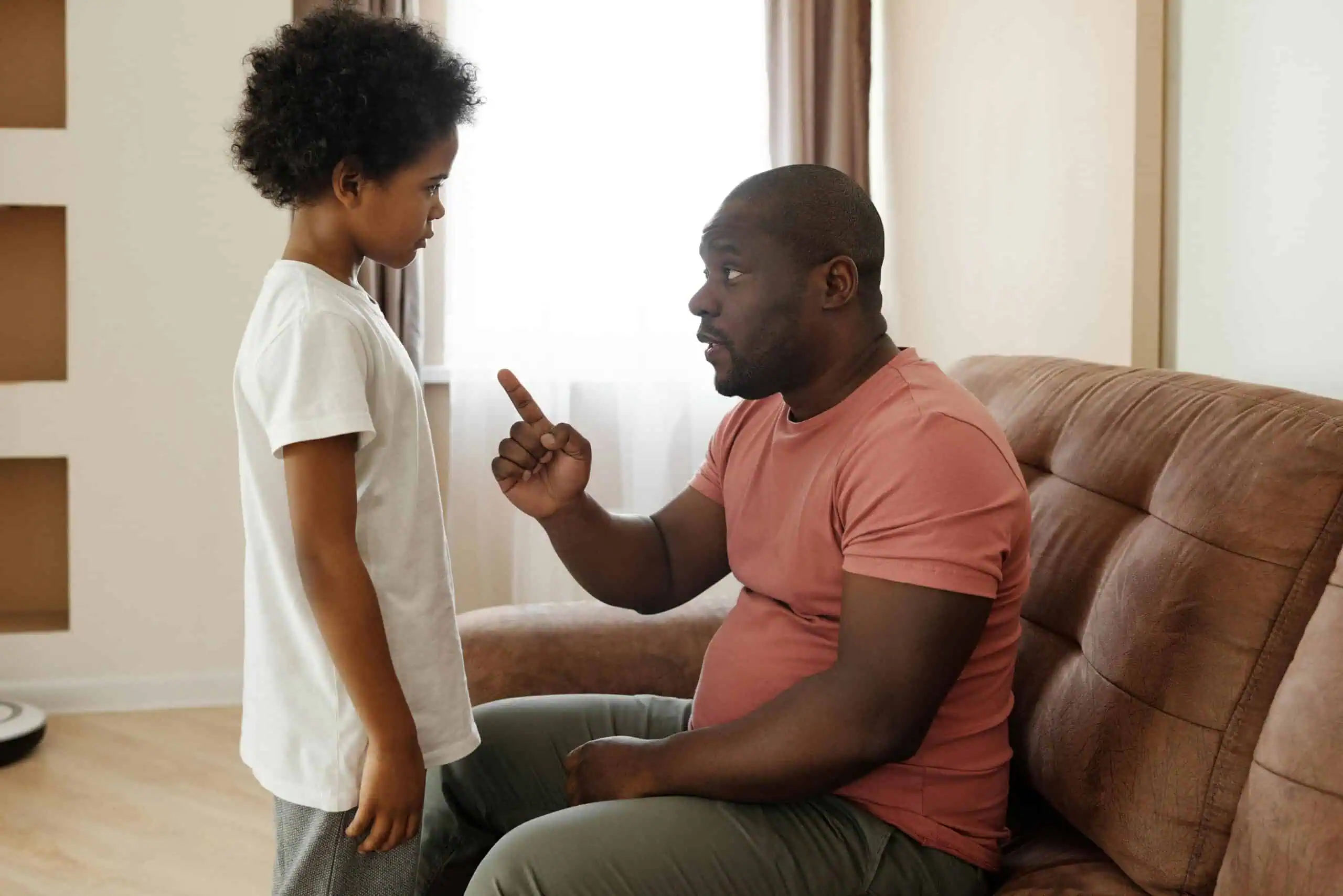
Calling a child “bad” focuses on what you see as negative traits rather than what they actually did. Try being specific about the behavior instead by saying things like, “It’s not okay to throw your toys.” Then, they’ll understand what they did wrong & learn from it—without feeling like they’re just a bad kid.
“If you don’t come now, I’ll leave without you.”

Threatening to leave a child behind can scare them into thinking you might actually go without them. It’s better to use clear & calm explanations about why it’s time to leave. You should also tell them what they can expect next. Why? Because it makes them feel secure and teaches them to follow guidelines without fear.
“Don’t talk back to me.”

Parents often say, “Don’t talk back to me,” when their kids challenge or question their statements. Unfortunately, this just shuts down a potentially healthy dialogue. Kids need to learn how to communicate their thoughts & feelings respectfully, so you should avoid dismissing them. Instead, try responding with, “I appreciate your perspective; let’s discuss this calmly,” to teach them that their viewpoints are valuable.
Disclaimer: This list is solely the author’s opinion based on research and publicly available information.
Like our content? Be sure to follow us.
Read More: