Back in the day, regular tasks took more time & energy and there was no getting around it—people had to plan ahead. Things like staying warm, getting around, or just writing a letter weren’t fast or easy because even simple errands needed real effort. But even though life wasn’t as instant as it is these days, people still got through it and the extra work sometimes made everything feel more satisfying. Here are fifteen ways life used to be less convenient but somehow more enjoyable.
Featured Image Credit: AllaSerebrina /Depositphotos.com.
Making Emergency Candles Out of Bacon Grease

When power outages hit and candles ran low, some families got creative by making their own light using bacon grease—just as long as they’d save some grease in a jar after cooking. Of course, these homemade candles didn’t burn as clean as store-bought candles, nor did they smell great, but they worked. Having homemade grease candles during a blackout made you feel like you were capable of anything that life threw at you.
Waiting for the Milkman

Before supermarkets stocked milk by the gallon, a lot of homes got their milk from a delivery man who came around early in the morning, with the milk being packed in glass bottles & left right at the front door. If you didn’t bring it inside quickly enough, it could spoil in the heat or freeze in the cold—there was no way to track deliveries either, so you just listened for the clinking sound of the bottles. It might’ve been harder, yet there was something so special about getting milk straight to your door.
Refilling Fountain Pens by Hand

You couldn’t grab a cheap pen at a store in the past and people used fountain pens that had to be refilled regularly—you also needed a small bottle of ink & a steady hand. The pen would sometimes leak if you didn’t close it properly and refilling a fountain pen could leave ink smudges everywhere. Filling and using a fountain pen felt a lot more real, though, than typing on a computer, tapping away on your cell phone.
Sharpening Razors on Leather Strops
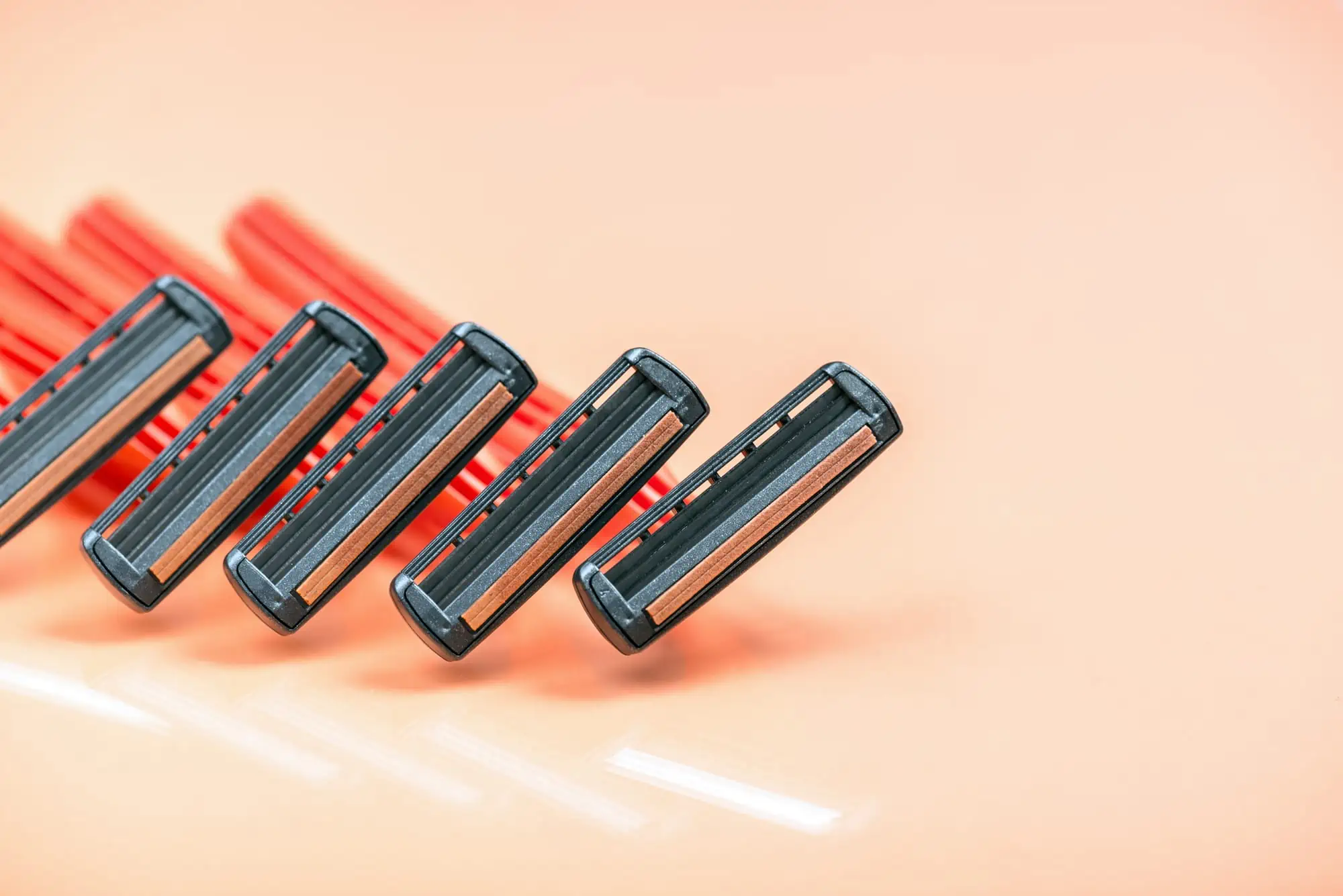
Before throwaway razors, men used straight razors that needed regular sharpening on leather strops and the process took some practice. You had to draw the blade across the leather at the right angle, over & over, to keep it sharp without nicking the edge. Shaving was a slow routine but that was also a good thing because it wasn’t something you could rush through, or else you’d hurt yourself.
Tuning Instruments by Ear

Musicians had to tune their instruments completely by ear in the days before electronic tuners and it wasn’t anywhere near as fast or easy as pressing a button. They’d strike a tuning fork or use a piano note as a guide, then listen carefully & adjust their strings until everything sounded right. However, one benefit of playing by ear meant you’d learn to pay close attention to tiny differences in pitch, which is a skill you won’t get from an electronic tuner.
Heating Homes with Wood or Coal

Keeping the house warm wasn’t as simple as setting a thermostat because you had to drag in wood or coal every single day and then feed the stove or fireplace. Afterwards, you had to clear out the ashes before they built up and most winters involved smelling like smoke & dealing with soot. Wanting to stay warm pushed you to keep on top of the fire around the clock, which felt a lot more satisfying than pressing a button.
Cooling Homes with Cross-Breezes

Similarly, staying cool in summer involved working with what you had in the days before air conditioning was everywhere, which often meant opening windows at night & closing them in the morning. People hung up thick curtains to block the worst of the sun, while some families even put up wet sheets in front of windows to cool incoming air. You had to learn the patterns of your house—or else you’d spend the whole afternoon sweating through your clothes.
Keeping Ledgers by Hand

Any business owner would have to sit at a desk with a giant ledger & a bottle of ink—and a lot of focus, writing everything by hand. This included every sale, every payment and every penny. If you messed up a line, you started over or scratched it out and hoped you could still read it later. But this skill taught us to use our mental math abilities to their fullest, meaning that you felt so accomplished after finishing the ledger.
Lighting Streetlamps by Hand

Someone had to walk around with a long pole & light every lamp one at a time in the city to give people light and then in the morning, they made another trip to put them all out. It was worse when a storm blew through—it meant heading back out to fix whatever went dark. Lamplighters learned the streets better than cab drivers and while it wasn’t exactly an exciting job, it kept neighborhoods from disappearing into total darkness at night.
Waiting for TV Shows to Re-Air

You couldn’t rewind TV shows in the past and if you missed it, you missed it—sometimes for months, sometimes forever. People planned their evenings around TV listings printed in the paper & got ready early just to catch their favorite shows. Catching up about the latest episode at work or school the next day was a big deal, so if you didn’t see it, you were just out of the loop.
Cooking on Wood-Burning Stoves
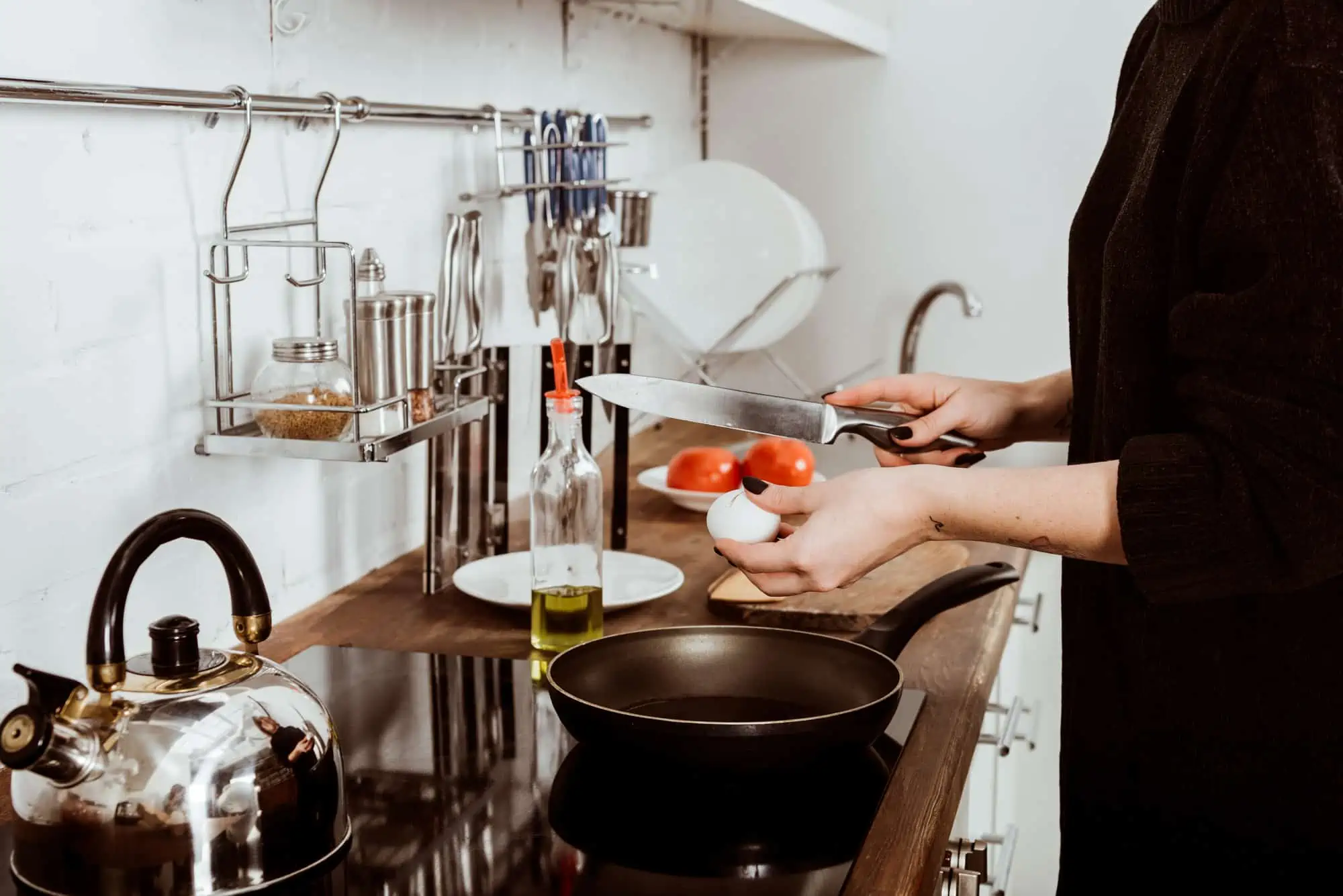
Making dinner meant more than throwing a pan on the stove, as you started by building a fire and getting the temperature right—there were no dials. You moved pots & pans to hotter or cooler spots depending on what you were cooking. Everything depended on how well you managed that fire and that made cooking a part-time job, with each meal feeling like a real accomplishment.
Seasoning Cast Iron Cookware by Hand

Speaking of cooking, just because you bought a cast iron pan didn’t mean it was ready to use because you had to coat it with oil first. Next, you’d bake it for hours & repeat the process until a non-stick layer had built up, which also meant you had to clean it carefully after each use. It’d last for decades once you finally got it seasoned properly—but getting there took a lot more patience than most people have today.
Building Furniture from Mail-Order Kits
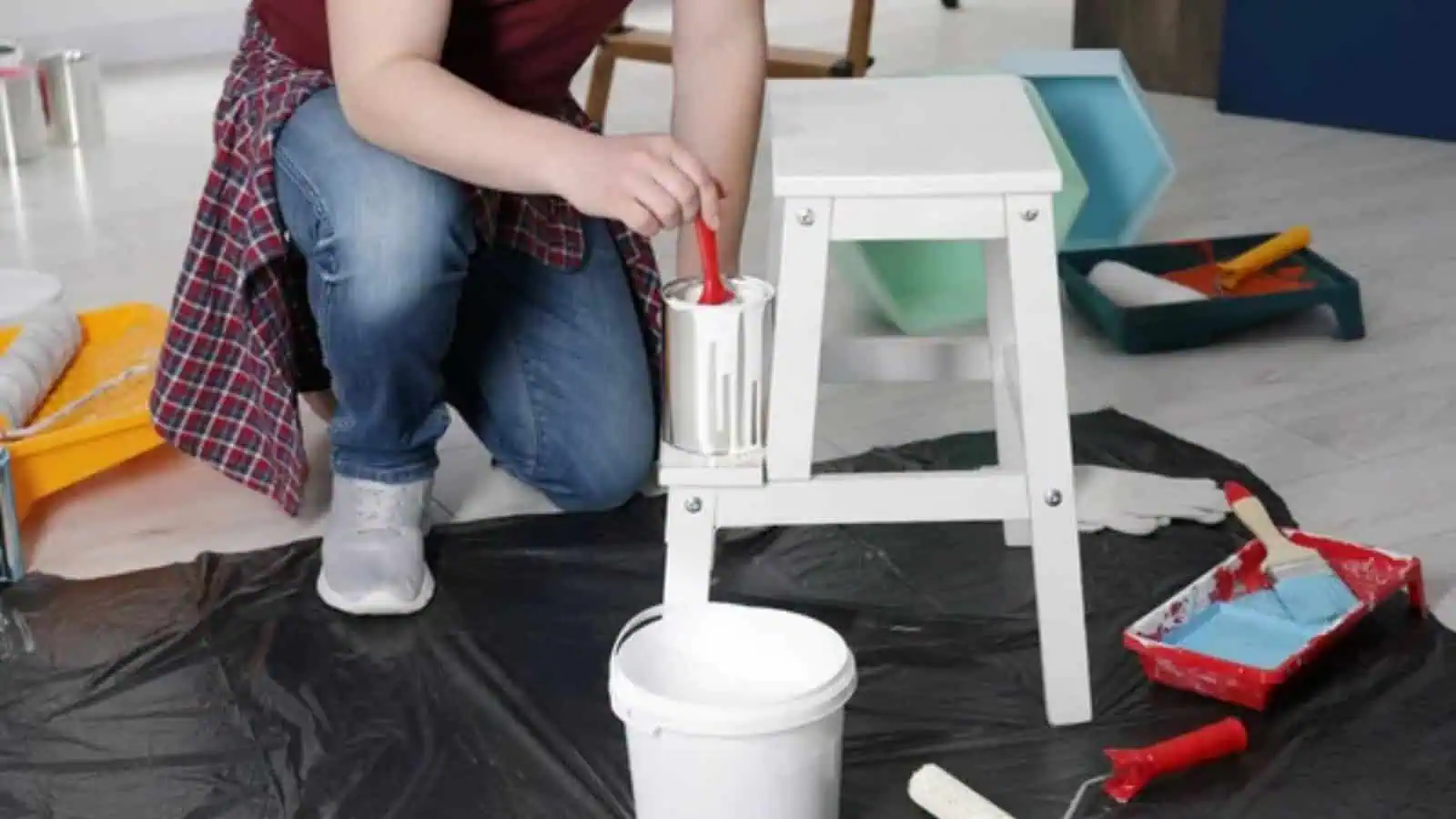
Ordering a bookshelf or a bed from a catalog was the easy part because it’d later show up in heavy boxes packed with unmarked wood pieces, a small bag of screws & instructions that barely made sense. Sometimes putting one piece together took a whole weekend—there was no internet to Google how to do it. When you finally finished, the thing creaked a little & leaned slightly but nobody cared because you built it with your own two hands.
Polishing Shoes for Big Events

Anytime you had a big event coming up, picking out an outfit was the least of your concerns, as one of the most important parts was polishing your shoes until they gleamed. That usually involved sitting down with a rag, a can of polish, a brush & some serious elbow grease—if you missed a step, it showed. People spent Saturday nights making sure their shoes were ready for church or a wedding the next morning, which made us all look a lot more put-together.
Lining Drawers with Newspaper or Shelf Paper

Many drawers didn’t come pre-lined in the past, so people lined them themselves, usually with old newspapers or rolls of patterned shelf paper. It took real time to measure each drawer & cut the paper, as well as smoothing it out by hand. But that’s what made it so great, as lining drawers yourself made everything feel a little fresher—even if it also involved dealing with messy glue and uneven edges.
Disclaimer: This list is solely the author’s opinion based on research and publicly available information.
Like our content? Be sure to follow us on MSN.