

Years ago, a lot of everyday problems were just part of life and people didn’t think much about safety labels, lawsuits, or customer rights the way they do now. Most people just dealt with things when they went wrong—and then they moved on because rules were looser & businesses were different. But these very things that people used to put up with would cause huge problems today. Here are fourteen things that used to annoy people every day and we lived with, but would probably cause a lawsuit now.
Featured Image Credit: luismolinero /Depositphotos.com.
Unlabeled Hot Coffee Served Boiling

During the ’70s and ’80s, you could order a coffee at a diner & it would come out so hot that it could cause second-degree burns in a matter of seconds—there were no “Caution: Hot” warnings on the cups. People learned to be careful, until the famous McDonald’s coffee case in 1992 changed things completely. Now, every coffee cup has a warning printed somewhere but back then, it wasn’t something we even thought was necessary.
No Warning Labels on Household Cleaners

Similarly, most common household products like bleach & drain cleaner used to have very little information on the labels, lacking any warnings about toxic fumes or burns. People often learned about the dangers the hard way, although today, cleaning products must have clear warnings. Missing poison control information on the label could lead to big lawsuits.
Ice-Covered Sidewalks With No Warning Signs

Sidewalks could stay completely iced over for days or even weeks in the winter, as city officials didn’t always rush to put down salt or clear the ice. There also weren’t any bright caution signs to warn you, which meant that people slipping & falling was just part of the season. Today, most property owners are legally required to clear walkways quickly, or else they’ll have to face lawsuits and possible fines.
Paint Chips Falling in Apartments
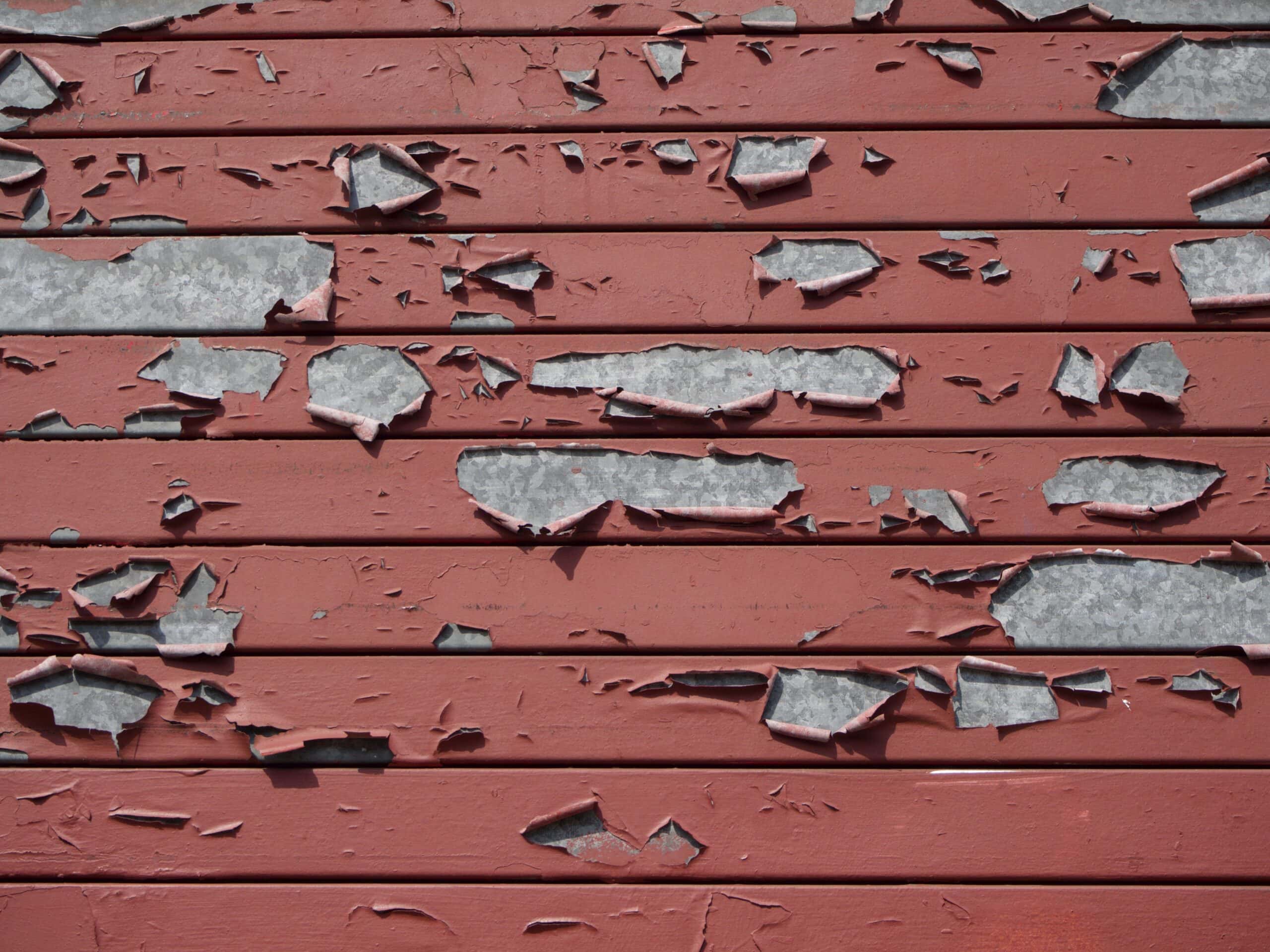
Peeling paint is always annoying but it was even worse in the past, as many apartments were covered in lead-based paint—people didn’t know it was dangerous yet. Parents would sweep up the chips and repaint the walls themselves without thinking about it because lead paint warnings weren’t common. These days, landlords have to make their tenants aware of lead hazards and failing to do so is almost a guarantee of legal action.
Hot Car Interiors Without Child Safety Concerns

It was common for parents to leave their kids or pets in the car when they were running quick errands and even though cars got extremely hot, most people didn’t think much about it. There weren’t regular public service announcements about heatstroke or campaigns warning about the dangers—cracking a window was enough. Thankfully, we have laws today in many states against leaving children or animals unattended in vehicles.
Unstable Metal Playground Equipment

Public playgrounds were made almost entirely out of heavy metal structures, like tall slides & climbing frames, often installed directly over concrete or asphalt. During the summer, the metal parts could get so hot they burned skin on contact and parents saw any falls as part of their kids’ growing up. But most playgrounds are built with safer materials these days and regulations require soft ground surfaces to stop any injuries.
No Seatbelts on School Buses

It sounds strange but most school buses across the United States didn’t have seatbelts for a very long time, which meant kids stood up while the bus was moving & bounced around over bumps. They’d even slide across seats during turns—no one really cared unless a major accident happened. It’s quite a big change from today, where some school districts might be sued if they don’t properly equip & maintain safety restraints for students.
Doctors Smoking in Hospitals
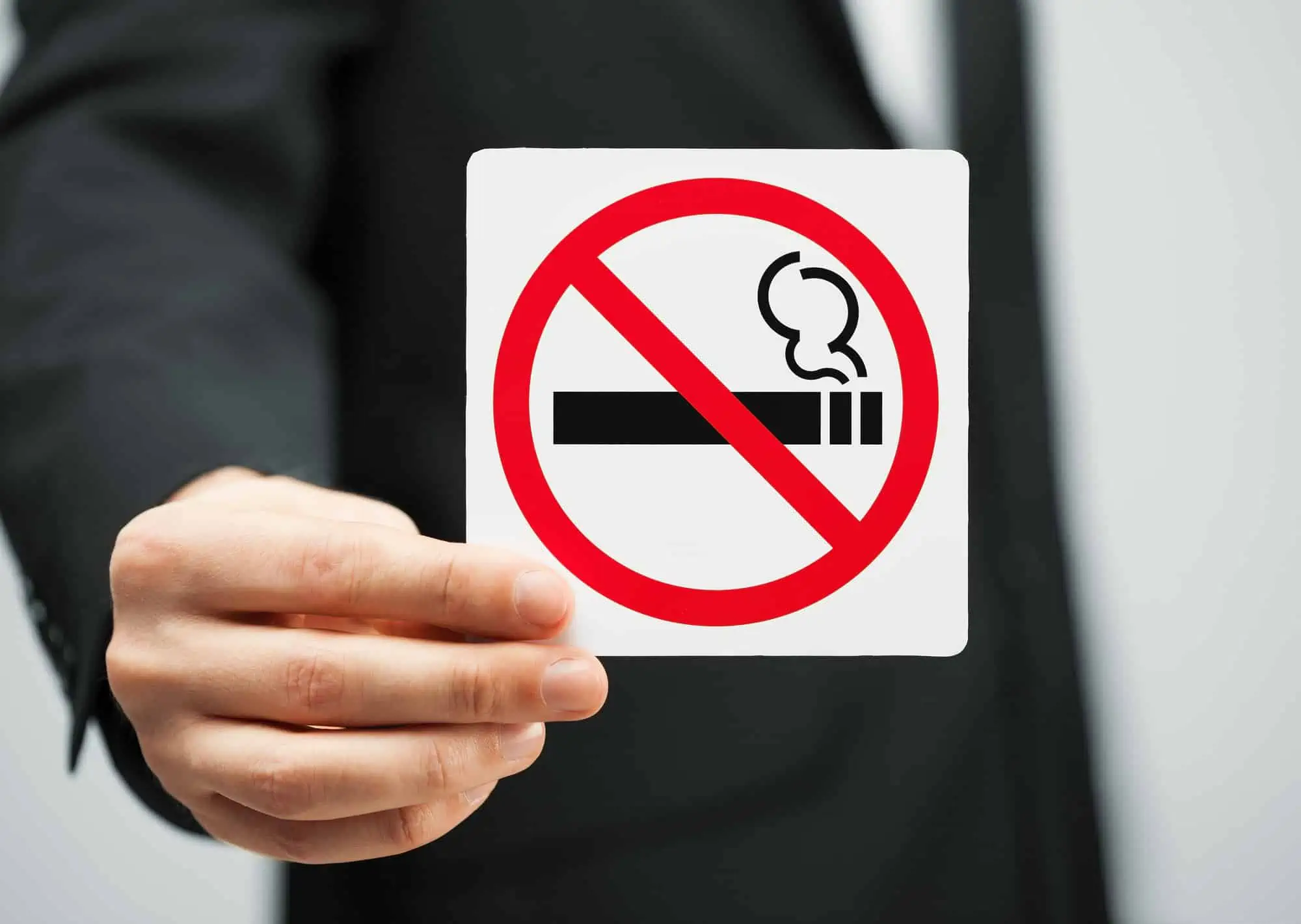
Until the early 1970s, it wasn’t strange to see doctors and nurses smoking right inside hospitals, as there were ashtrays in waiting rooms, maternity wards—even in patient rooms. Visitors lit cigarettes while waiting for appointments because there weren’t many rules against it. Of course, public health laws have banned smoking inside any medical facility, with any violations leading to serious legal & financial consequences.
Restaurants Using the Same Cutting Board for Everything

It wasn’t strange for small diners and fast food places to chop raw meat and vegetables on the same cutting board without cleaning it properly in between. Cross-contamination rules weren’t strict yet, with a lot of people just assuming food poisoning was part of eating out sometimes. It’s not like that anymore, as health departments require restaurants to follow strict food safety standards or face closure.
Carnival Rides Built Without Safety Inspections

Traveling carnivals & fairs used to set up rides wherever they found space, sometimes without any real safety checks—they were often assembled in a few hours by workers who didn’t have much training. This meant that, sometimes, seatbelts didn’t work and rides malfunctioned but we saw this as a risk that you just took. These days, carnival operators must obey strict inspections and have to be certified ride operators.
No Guardrails Around Construction Sites
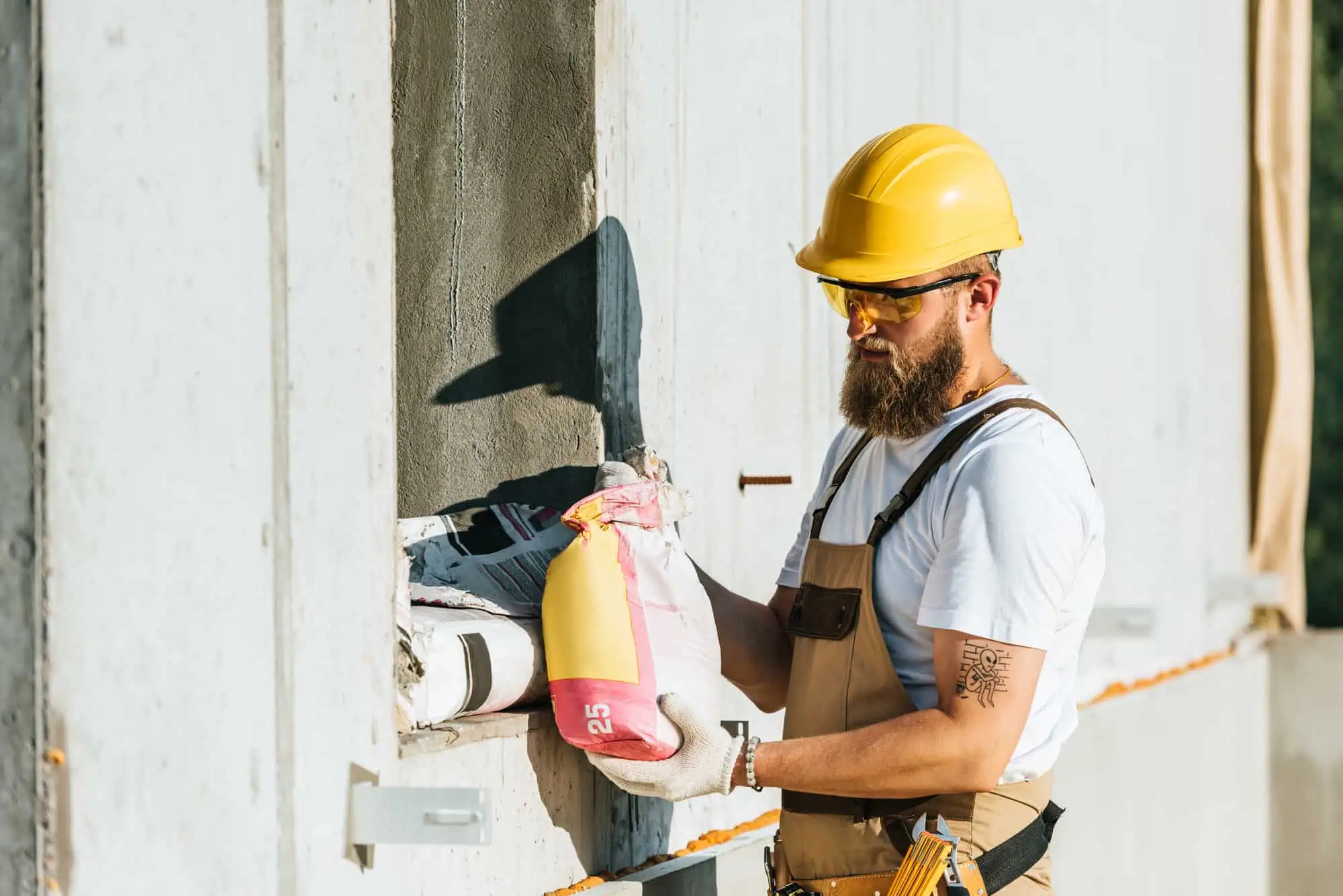
Construction sites often had very little fencing or guardrails around them decades ago, as the strict building codes and safety regulations of today didn’t exist. Pedestrians could accidentally walk right into active work zones or fall into open ditches—warning signs were few and far between. Injuries happened, of course, yet most people treated these as accidents, rather than negligence.
Hotel Pools Without Fences or Lifeguards

Many older motels and hotels had outdoor pools that were completely unfenced, with no lifeguard or safety equipment around, which meant that children could easily wander in. Instead of fencing & clearly posted warnings, people expected parents to keep an eye on their kids without any extra support. It was their problem and not the hotel’s if their kids weren’t safe.
No Air Conditioning in Movie Theaters
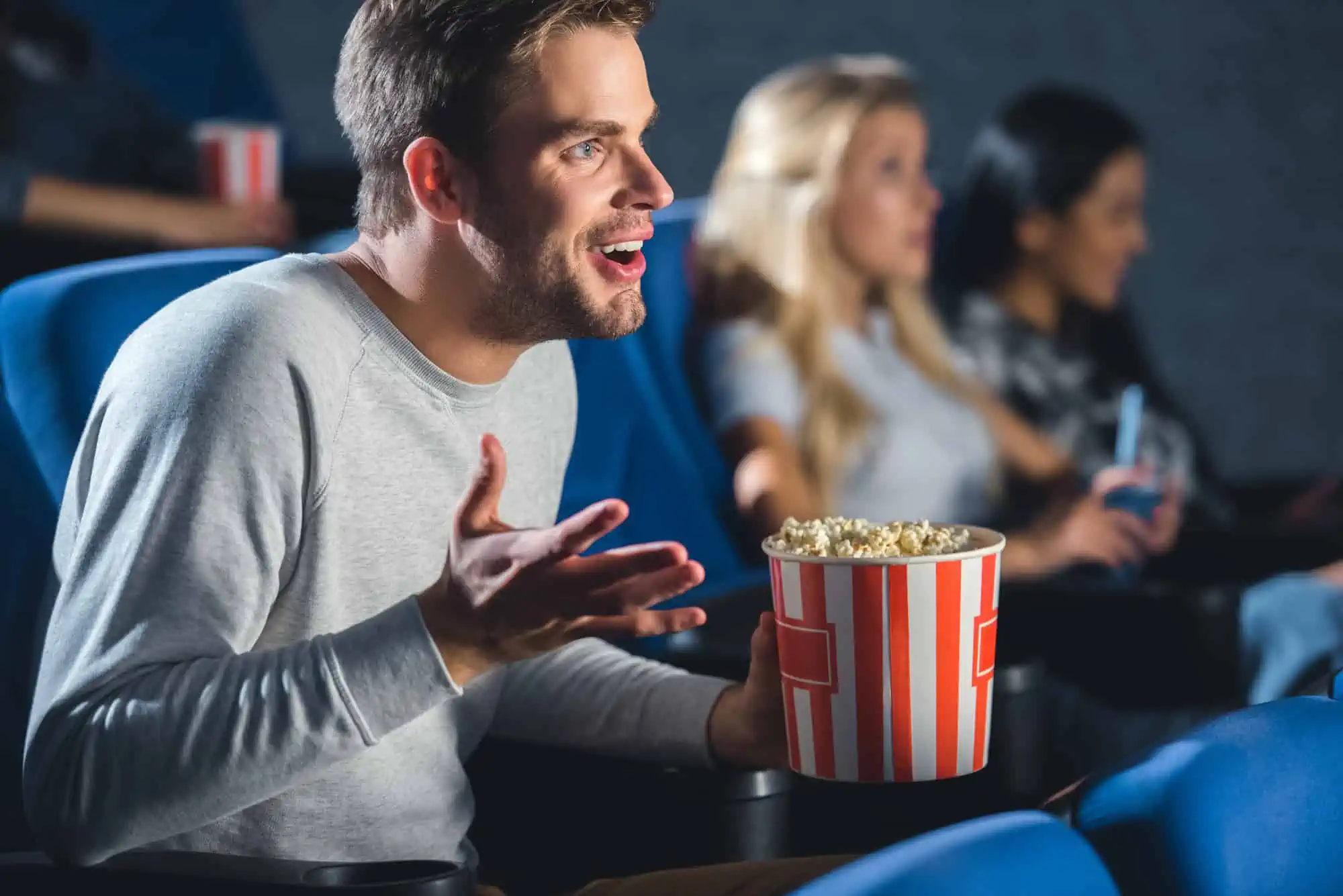
Going to the movies in the summer once involved sitting in a sweltering, stuffy room packed with people because many theaters didn’t have air conditioning until the 1970s. If they did have AC, it barely worked and people sweated through entire double features—complaining got you nowhere. Now, if a theater’s air conditioning breaks down for even one day, they risk refunds and angry reviews for having unsafe conditions.
Banks Closing for Lunch Breaks

It used to be the norm for local banks to shut their doors completely during lunch hours, even if you rushed over to deposit a check or get cash. You’d often find a locked door & a handwritten sign saying “Back at 1:00,” with no online banking options to fall back on. But now, closing during posted business hours without warning would mean losing customers and plenty of complaints about service obligations.
Disclaimer: This list is solely the author’s opinion based on research and publicly available information.
Like our content? Be sure to follow us on MSN.