

Don’t get us wrong, Big Pharma has given us some incredible breakthroughs. They have created medicines that save lives every day while also developing technology that helps us battle illnesses in ways we never thought were possible. But, like in any good story, there’s another side to consider. Here are ten ways they’re doing more harm than good to our health.
Featured Image Credit: AndrewLozovyi/Depositphotos.com.
Overprescription of Opioids

Opioids are painkillers that are supposed to help people in serious pain. But here’s the twist—companies like Purdue Pharma allegedly became too enthusiastic and encouraged doctors to prescribe them. This directly caused the opioid crisis we have on our hands. Millions of Americans are now struggling with addiction, with no easy way out.
High Drug Prices

If you’ve ever gone to pick up a prescription and been afraid of the bill, you’re not alone. Some new drugs are priced sky-high. This makes it hard for many people to get the medications they need. Rather than simply making a profit, Big Pharma needs to work out the balance so that everyone can afford to stay healthy.
Like our content? Be sure to follow us.
Marketing of Unnecessary Medications
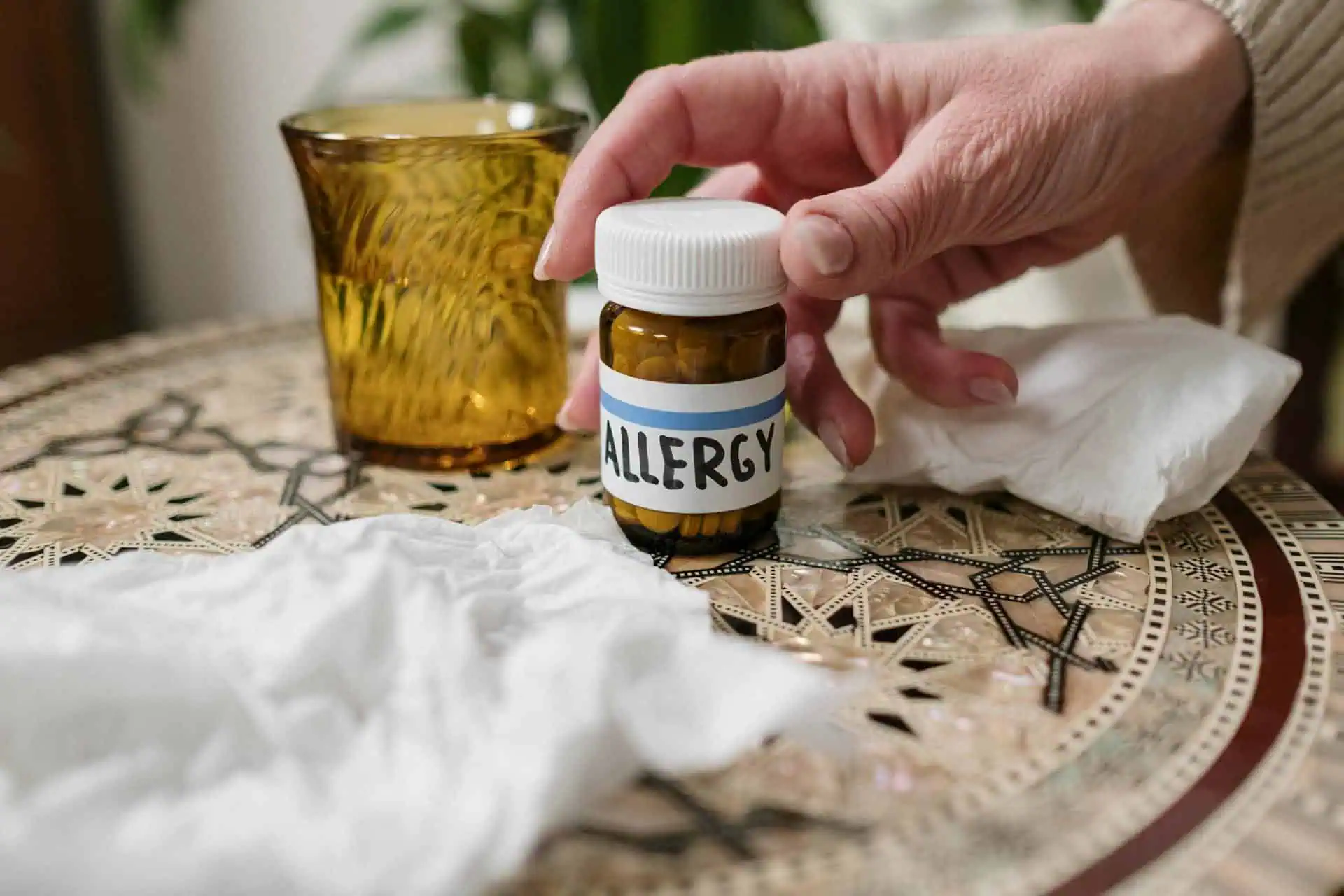
You’ll see one of the worst effects of Big Pharma when you’re watching TV. You know—when you see an ad for a drug that treats something super specific, something you didn’t even know was a problem. Big Pharma spends billions to make us think we need meds for everything under the sun. Sometimes less is more.
Pushing Drugs for Off-Label Uses
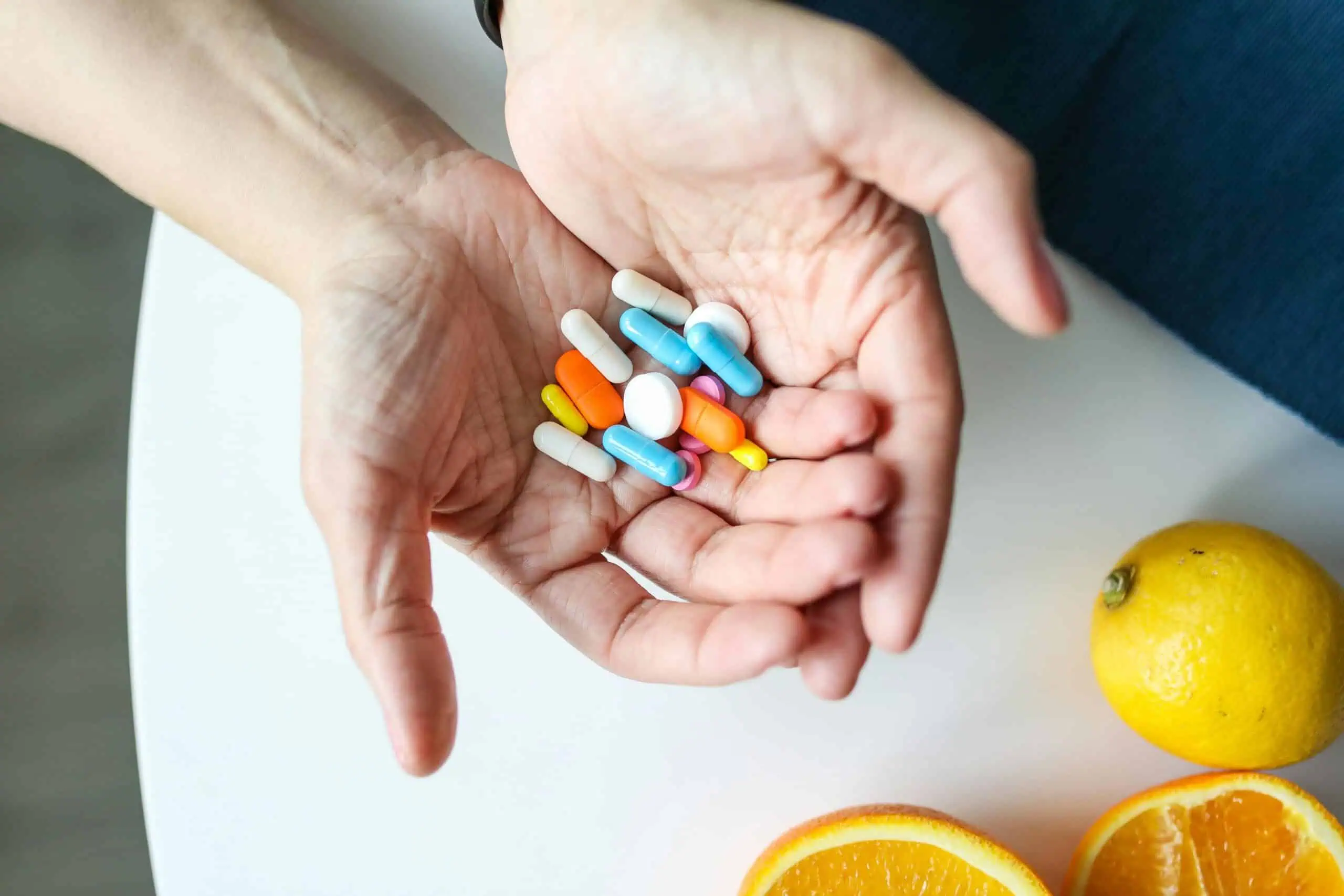
Doctors sometimes prescribe meds for conditions they weren’t originally approved for. Unfortunately, some drug companies promote these off-label uses without solid evidence. Such behavior is rather risky. It sometimes leads to treatments that might not be the best choice for the patients.
Delaying Generic Medications

Evergreening is a trick some companies use to tweak a drug slightly, patent it all over again—and then keep cheaper generics off the market. Sure it’s a smart business move. But it’s not so great for people who need affordable meds to stay healthy. It keeps the prices of medications high and also limits options for patients & healthcare providers.
Influence Over Medical Education

Sometimes, drug companies fund medical education programs. While it sounds great, it also means the next generation of doctors receive a biased education that leans heavily towards prescribing meds—even when there might be other ways to help patients. This may cause an over-reliance on medications.
Lobbying Against Health Reforms

Big Pharma spends a lot of money influencing healthcare policy. For example, they’ll fight against changes that could make drugs more affordable or regulate how they’re marketed. Either way, it’s a power play. And it keeps the status quo firmly in place—but at what cost to the rest of us?
Withholding Affordable Medications from Developing Countries

Access to affordable medications isn’t just an American problem—it’s a global issue. Some pharmaceutical companies are reluctant to lower prices or allow generic versions of their drugs in developing countries. It puts life-saving medications out of reach for millions who need them most. Surely Big Pharma has a responsibility for global health?
Exploiting Rare Disease Markets

In some cases, pharmaceutical companies will target rare disease markets and they’ll develop drugs for these conditions called orphan drugs. Then, they’ll sell these at astronomically high prices. Since the patient pool for these conditions is small, companies can justify the high costs. They’ll claim they need to recover their research & development costs.
Creating Dependency on Medications

Some of the treatments don’t try to cure the underlying condition. Instead, they manage symptoms—which causes long-term dependency on these medications. It means patients are tied to taking certain medications for life, often without looking at potential cures or alternative treatments.
Disclaimer: This list is solely the author’s opinion based on research and publicly available information.
Like our content? Be sure to follow us.
Read More: