

It’s no secret technology has made our lives more convenient since we can video-chat with people on the other side of the world and watch videos about any topic. It’s great—but have you ever stopped to think about the dark side? Here are thirteen ways that technology is making us less human, even though it sounds like something out of a sci-fi movie. Hear us out!
Featured Image Credit: dan.grytsku.gmail.com/Depositphotos.com.
Reduced Face-to-Face Interaction

When was the last time you actually talked to someone in person instead of texting? Sadly, it has become all too rare because most of us would rather send emails or a message now. We’re missing out on all the real stuff like seeing smiles & hearing laughs. And let’s not forget the feeling you get when you’re with someone—it’s utterly irreplaceable.
Impaired Social Skills

Likewise, growing up with screens makes it harder to deal with real-life social situations. We don’t need the same set of skills as having a conversation face-to-face, like understanding tone of voice and body language. Even immediate emotional responses are lost in digital communication. Sadly, this creates awkwardness & anxiety in situations where we can’t rely on digital crutches.
Like our content? Be sure to follow us.
Diminished Memory Skills

You don’t need to remember anything when you have Google in your pocket, whether that’s phone numbers or birthdays. It’s all just a click away. However, relying on technology to remember stuff is ruining our own memory skills. We’re outsourcing our brains to our phones. What happens when the day comes when we can’t remember anything at all?
Decreased Attention Spans

Our attention spans are getting shorter because of endless notifications and the infinite scroll of social media. Now, it’s harder to just sit & focus on one thing without feeling the itch to check our phones. We’re used to consuming fragmented content rapidly. As a result, it’s changing how we process information which makes it harder to concentrate on tasks that require our attention.
Erosion of Privacy

The more we use technology, the more we’re being watched since everything we do online is tracked, stored & analyzed. Knowing that our data might not be private changes how we behave online. Worse than that, it also raises questions about who has access to our information—and how it’s being used. Our lives are an open book. You don’t need us to tell you why that’s so bad!
Increased Dependency

Feeling lost because you don’t have your phone is relatively normal these days. It’s because we’re overly dependent on tech for even the simplest things so we feel like we can’t operate in daily life without them. Sadly, such reliance affects every waking part of our lives. Essentially, our problem-solving & decision-making skills are being replaced by an overwhelming dependency.
Altered Sleep Patterns

Staring at screens before bed affects our sleep and it’s due to the blue light coming from these devices. Our bodies think it means daylight & our natural preparation for sleep goes out the window. Don’t be surprised if you find it harder to fall asleep & feel tired the next day. Over time, poor sleep negatively affects our health, which has dire consequences for our immune system.
Loss of Patience
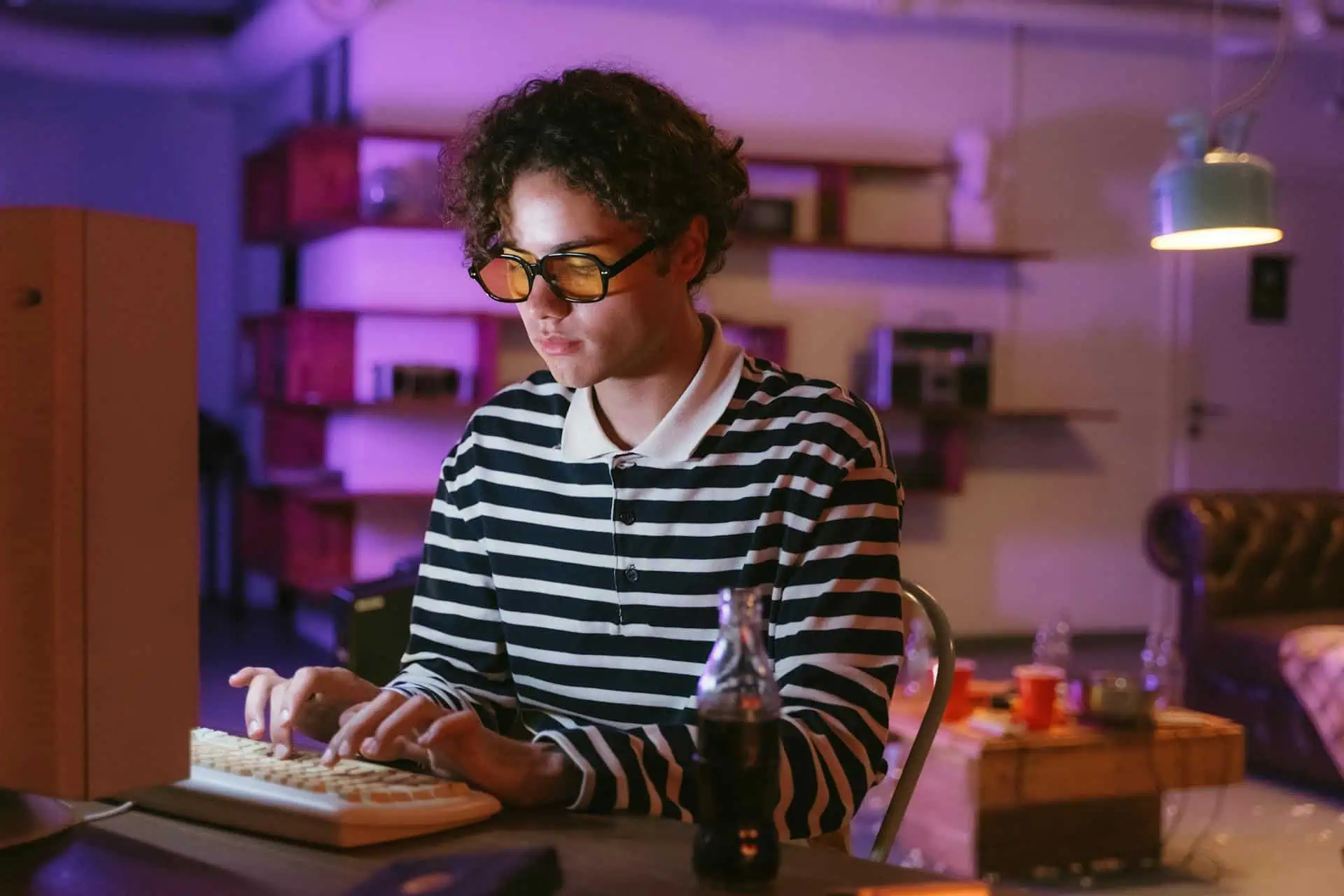
Technology has made us used to getting things now. These days, we’re rather impatient, and this changes other areas of our lives because it makes us less tolerant of delays and more frustrated with processes that take time. That’s rather terrible. Learning new skills and achieving goals aren’t things we can rush—but we don’t understand how to be patient anymore.
Reduced Empathy

Of course, it’s easy to forget there’s a real person on the other side of the screen since digital platforms give us anonymity & distance. We might be nastier than we would be in person. We don’t have to deal with the immediate feedback of someone’s emotional reaction—so we’ll say things we might regret. Essentially, our sense of empathy is disappearing.
Overreliance on GPS
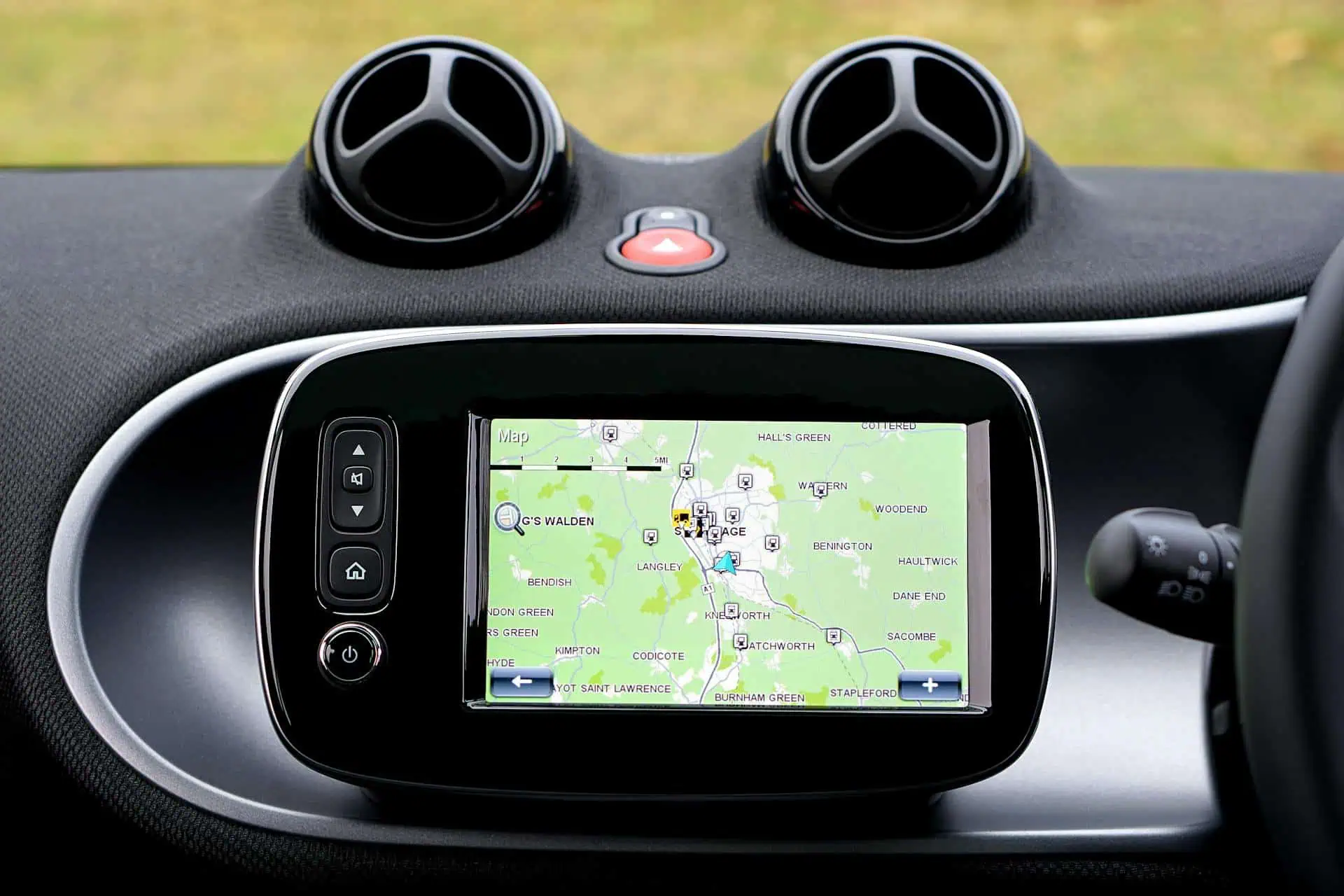
Even getting lost is harder than ever because we use GPS to get everywhere. Unfortunately, this means we don’t pay as much attention to our surroundings or even have our sense of direction. Just ask Siri to do it for you! Relying on technology makes us feel disoriented & dependent, unable to go about the world without a voice guiding us along.
Distorted Self-Image

Social media platforms only tend to show the best moments of people’s lives. We’re constantly exposed to these curated images and this skews our perception of reality—our lives don’t measure up. We judge our behind-the-scenes against everyone else’s public victories. Soon enough, we’re trapped in a cycle that creates a distorted self-image and any sense of value comes from external validation. It should come from our internal worth.
Shallow Learning

There’s so much information on the internet and we can quickly look up facts on almost any topic. Yet this convenience comes at a cost—genuine learning. We’re accustomed to skimming the surface, gathering bits & pieces without fully understanding the information we’ve read. It’s harder to develop a comprehensive understanding. Instead, we just accept it at face value.
Increased Loneliness
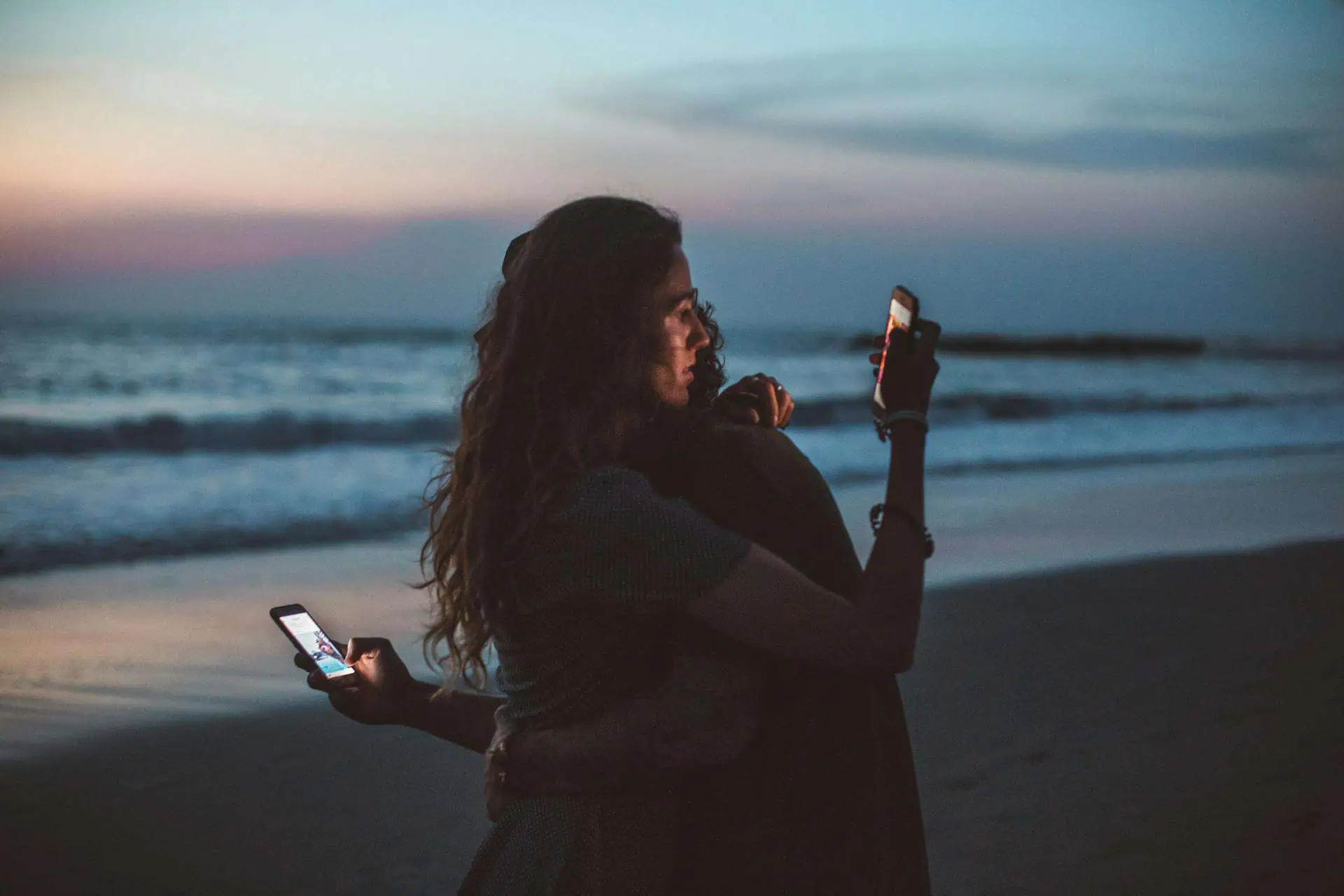
Even though we’re more connected than ever through digital platforms, many of us feel lonelier. It’s quite ironic, really. We can easily connect with others online—yet we feel more isolated because we substitute real companionship with digital connections. It’s because true connections require more than just liking a post or sending a text. You need to be present, empathetic—and vulnerable.
Disclaimer: This list is solely the author’s opinion based on research and publicly available information.
Like our content? Be sure to follow us.
Read More: