

Civilizations throughout history have practiced barbaric traditions that inflicted severe harm before becoming accepted as moral atrocities.
Tiny feet
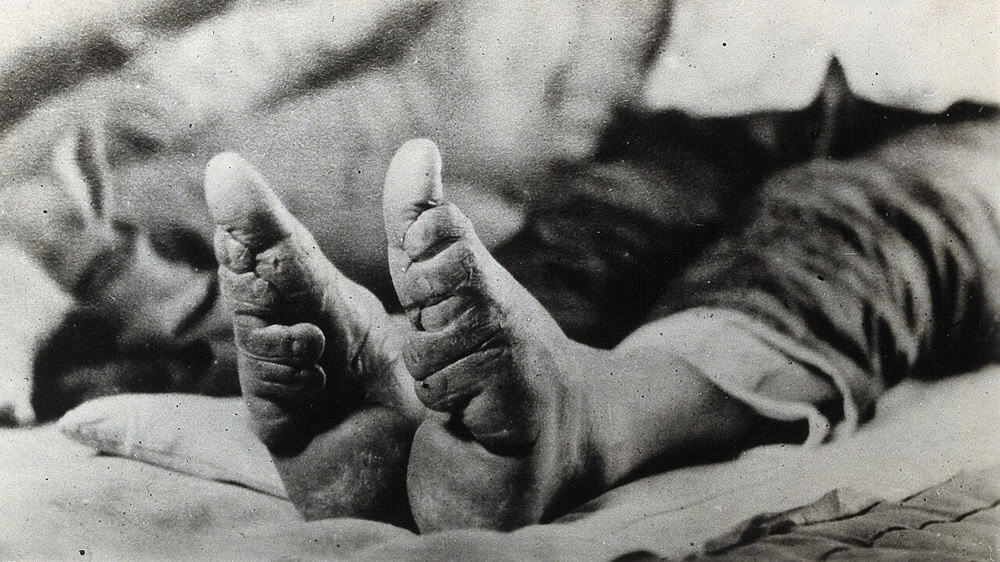
Footbinding involved tightly binding the feet of young girls starting at an early age in order to prevent them from growing. Popularized by dancers at the imperial court during China’s Song dynasty, it became widespread across all social classes soon after as women with bound feet were seen as being higher status, graceful, and marriageable.
The foot of a young girl was bent so that her toes folded underneath the sole of her foot in what was considered the ideal golden lotus position. Feet were then tightly bound to achieve and maintain this shape. This caused permanent disability, painfully deformed feet, and often infection for millions of girls before it was banned in the early twentieth century.
Trial by ordeal
Trial by ordeal was a form of medieval European jurisprudence in which a defendant proved his innocence or guilt through a painful physical experience, such as walking over hot coals or plunging an arm into boiling water.
Based on a theory that God would supernaturally heal or afflict wounds based on the suspect’s innocence or guilt, judgment was placed in the hands of God instead of actual human intervention. Innocent people were often maimed, scarred, traumatized or killed as a result of these trials.
A widow’s duty

Sati refers to a Hindu funeral practice where a widow immolated herself upon her husband’s funeral pyre. Supporters claimed sati was proof of the ultimate devotion and piety of a wife to her husband and brought prestige to the family name.
Socioeconomic conditions, family pressures, inheritance laws, and religious reasons often resulted in wives being forced or thrown onto their husband’s funeral pyres. Reform movements within India attempted to abolish it centuries ago, with the practice officially being outlawed by the British.
Colosseum blood
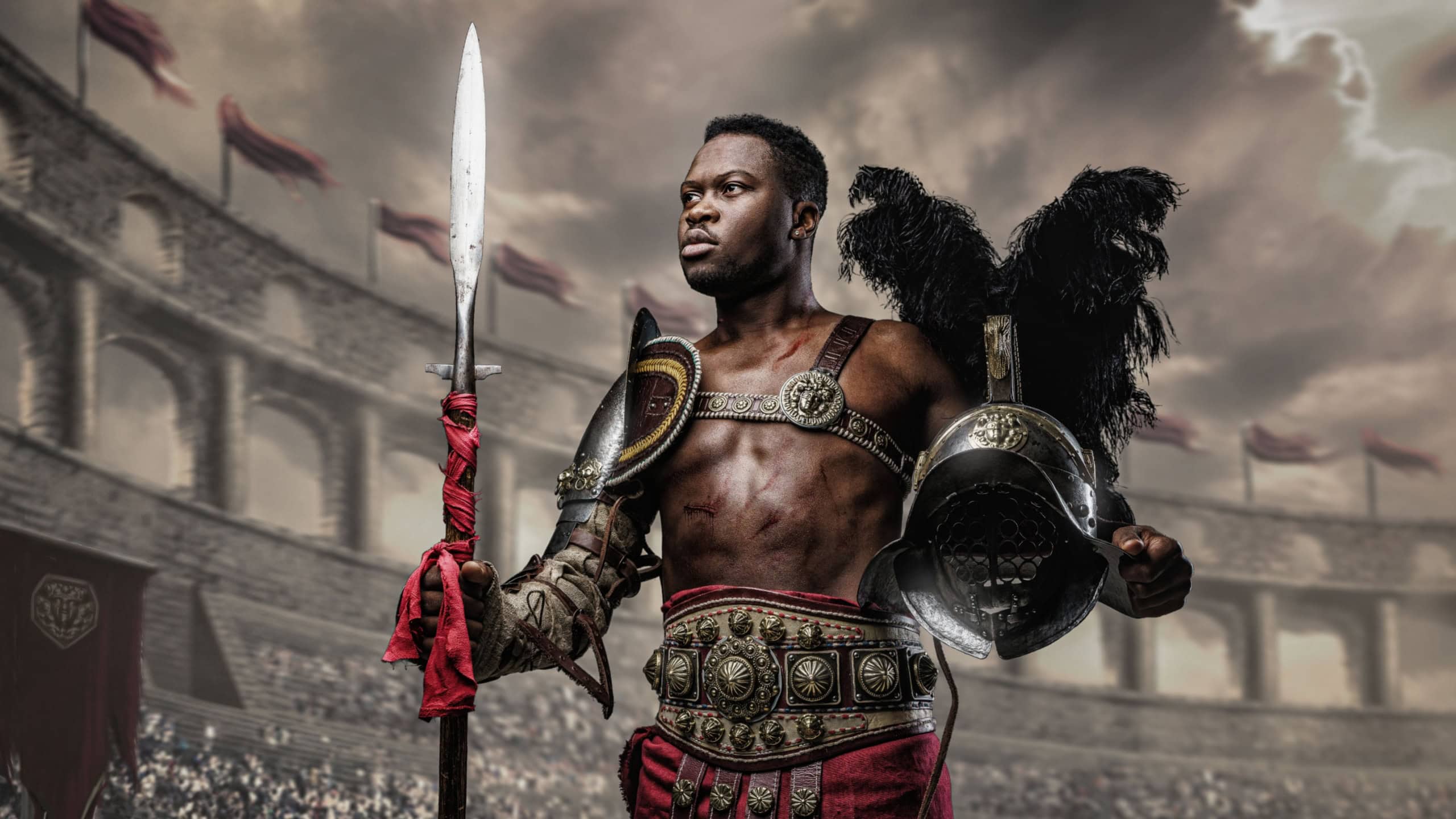
Gladiatorial combat involved public contests in ancient Rome where enslaved people, prisoners of war, and career fighters fought deadly battles against each other or wild animals.
Originally put on by emperors and politicians to distract and placate lower classes of society, demonstrate military power, and fuel their own rise to power, gladiatorial games brought the practice of extreme violence into the public arena as a proud civic tradition.
Citizens attended large coliseum events to witness tens of thousands of viewers cheering at bloody battles where death was treated as entertainment and brutality was expected every day.
Shaped heads
Ancient cultures from the Mayans and Incas to the Huns artificially deformed their babies’ heads as a marker of nobility or ethnic/racial identity or social status. During infancy, when a baby’s skull has not yet fully hardened, bindings or tightly wrapped textiles forced an unnatural elongated or flattened head shape for months.
Although the process was usually not fatal, it caused pain and discomfort to infants and had no known biological advantage; it was a form of violent body modification used to control societal influences.
Celebrating death

For hundreds of years, state executions were public celebrations. People from all social classes attended executions, often with their children in tow. They were marketed as morality lessons that satisfied justice and upheld governmental authority. In reality, they cheapened life, encouraged bloodlust, and normalized the torture of fellow human beings.
Birthright barriers
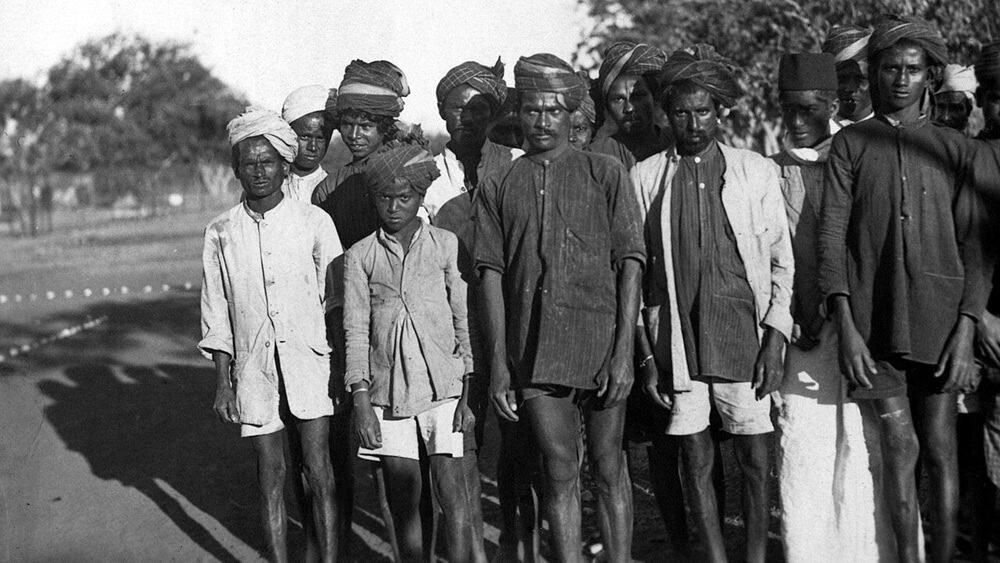
In India, untouchability refers to the social practice of ostracizing certain communities by denying them access to public facilities, land and social opportunities, as well as respect and dignity.
Tradition demanded that those members of society assigned to untouchable status practiced a certain occupation generally considered dirty work, such as scavenging, should drink from separate water vessels and worship at temples away from others.
Rules also forbade people belonging to higher castes to touch someone classified as untouchable.
Strained pride

Executed both historically and in contemporary society around the world, honor killings are directed at fellow family members, usually women who have supposedly disgraced the family’s social reputation.
Execution can be a result of many things such as not agreeing to an arranged marriage, asking for a divorce, or even just sitting outside with someone that your family did not approve of. Victims of honor killings have even been se***lly assaulted women.
These acts value strict communal reputation and male dominance above human life by glorifying murder and abuse.
Sacred servitude
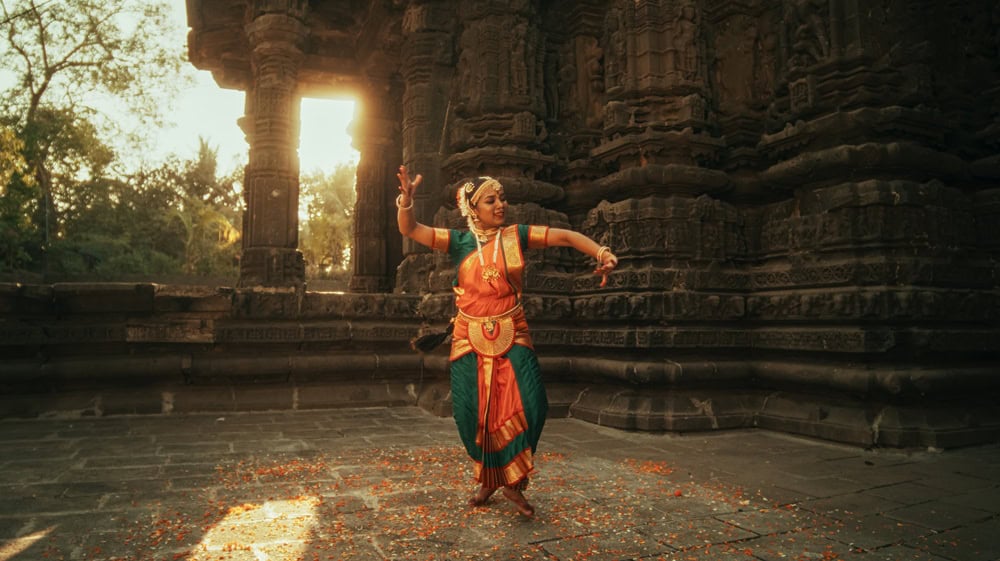
Devadasi was a tradition practiced in regions of South Asia where girls were dedicated to worship and service of a deity or a temple for the rest of their lives. Originally, they were offered patronage and respect because they were revered dancers or singers in temples.
But eventually this practice turned into prostitution due to political and economic factors combined with societal pressure from male-dominated societies. Unable to marry legally, these girls were trafficked and forced into slavery. The practice of dedicating young girls to temples is now illegal.
Modified innocence
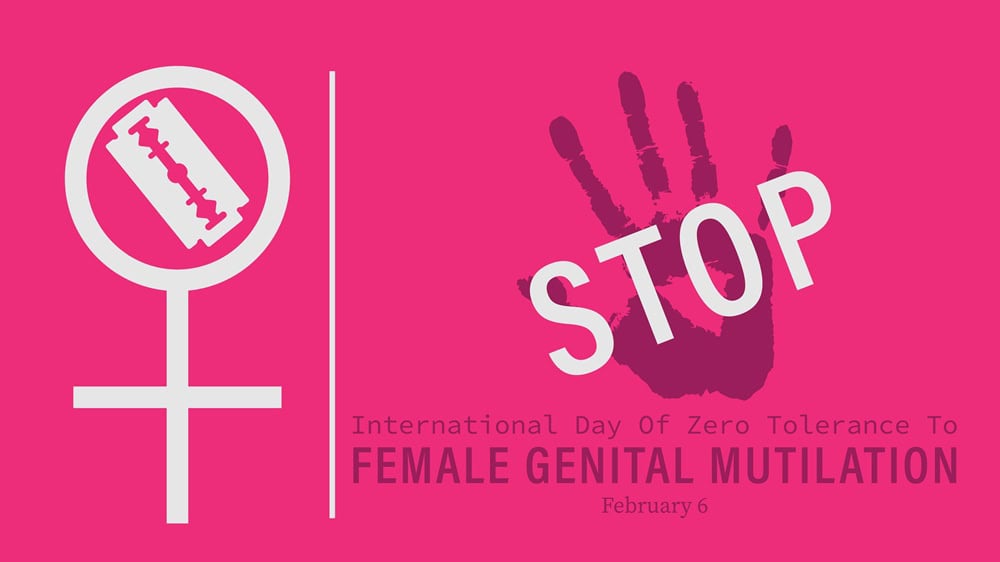
Female genital mutilation (FGM), also known as female circumcision, is any procedure that partially or totally removes the external female genitalia or other injuries to the female genital organs for non-medical reasons. Historically common throughout Africa, the Middle East and Asia, it is mostly carried out due to cultural, religious and social factors within family communities that value purity, modesty, fidelity or marriageability, and s***al control.
FGM is performed in childhood as a rite of passage into womanhood. It has no health benefits and can cause severe and long-term impacts, including pain, bleeding, infections and other problems, complications with childbirth and psychological trauma.
Sources: Please see here for a complete listing of all sources that were consulted in the preparation of this article.
Like our content? Be sure to follow us.
15 forbidden traditions that were practiced in secret for centuries
History is full of traditions that authorities tried to erase, only for people to continue them behind closed doors, in remote places, or disguised as something else.
15 forbidden traditions that were practiced in secret for centuries

