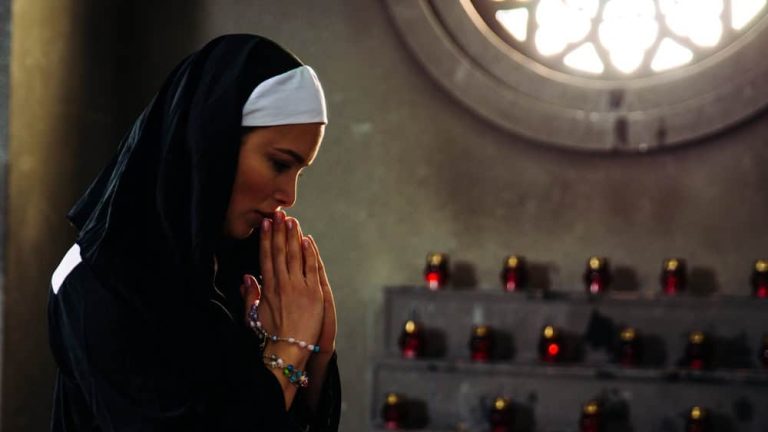

History is full of traditions that authorities tried to erase, only for people to continue them behind closed doors, in remote places, or disguised as something else.
The faith that went underground
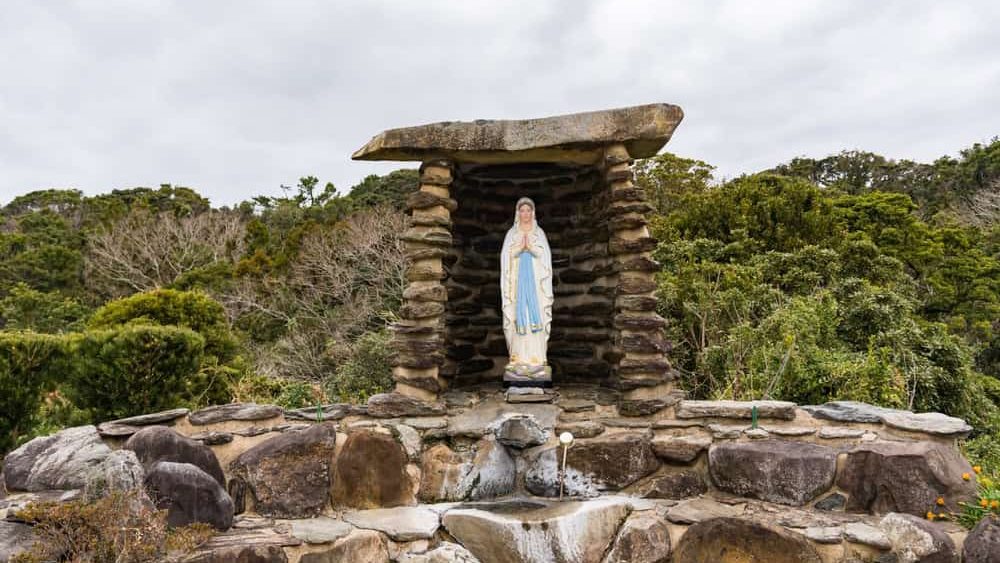
When Christianity was outlawed in Japan beginning in the early 1600s, many converts renounced their faith publicly while continuing to practice it in secret. These hidden Christians, or Kakure Kirishitan, formed underground communities where they passed down prayers and rituals and secretly maintained icons and sacramentals for centuries without clergy.
Some Christian symbols were cleverly disguised to look like Buddhist images to allow families to worship freely without persecution. When Japan lifted its ban on Christianity in the 1800s, missionaries were surprised to find people who had ancestors that secretly practiced aspects of Christianity for over two centuries.
Christmas behind closed doors

Christmas was banned in Puritan England. In the 1640s and 1650s, Parliament abolished church feast days as they had been traditionally celebrated, and sought to make December 25 a normal working day, with shops open and church services and public celebrations banned.
Some resisted these regulations. People stayed home to have special meals together, and continued celebrating Christmas quietly in their homes. Efforts to prevent Christmas sometimes led to riots. The ban was lifted when the monarchy was restored in 1660, and Christmas slowly returned.
The drums they couldn’t silence
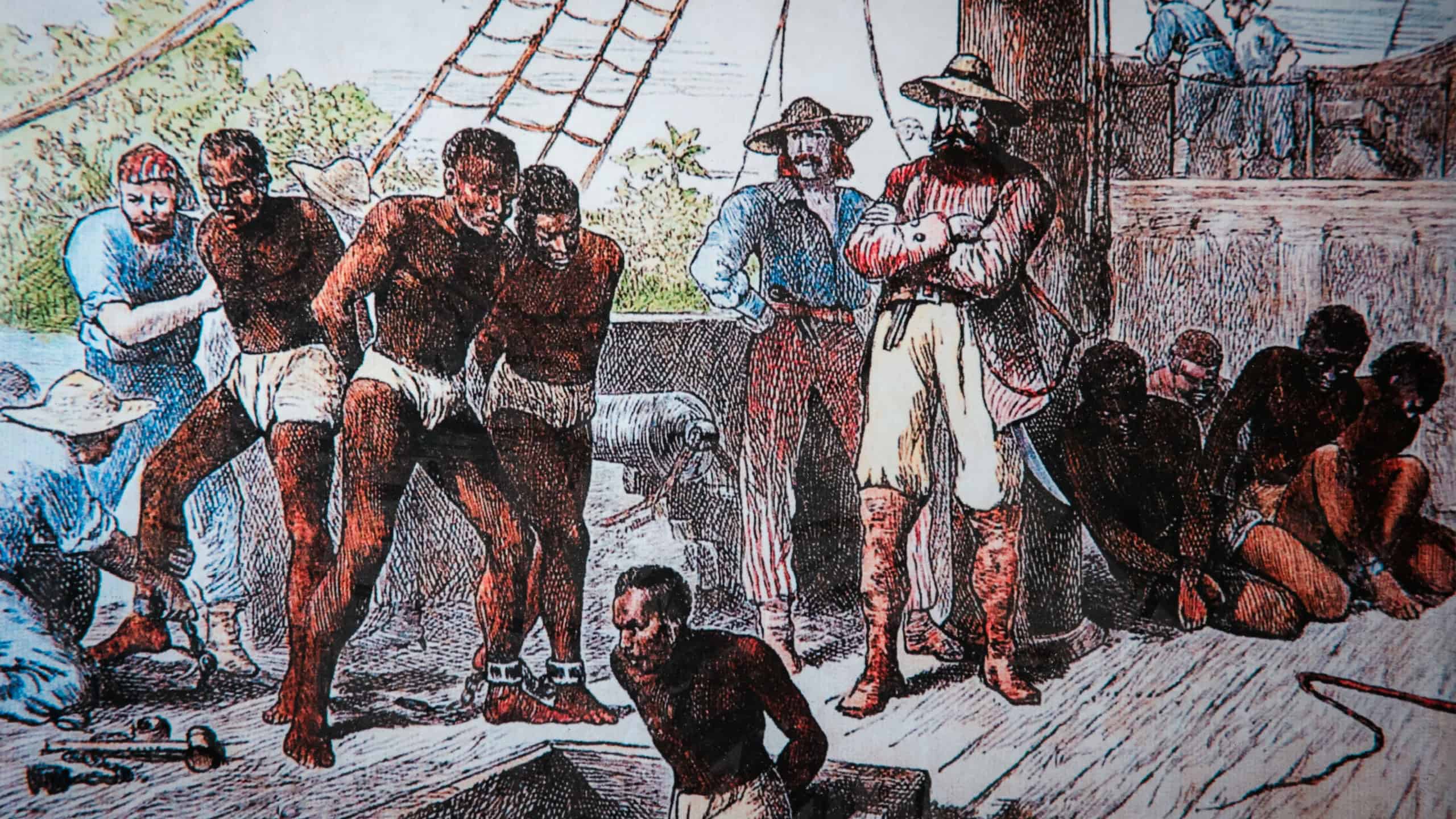
Africans enslaved in the Americas brought with them spiritual and cultural traditions that owners and government officials often tried to discourage or suppress. In colonies like Cuba and Brazil, some African religious practices endured by adapting to dangerous circumstances. Specific Yoruba deities can be syncretized with Catholic saints, which permitted rites to occur under the guise of Catholic practice.
Music, dance, sacrificial offerings, and oral traditions were used to keep the religions alive between generations. Cultures like Santería in Cuba and Candomblé in Brazil were born from this syncretism and remain evidence of traditions kept alive despite slavery, persecution and oppression.
A language spoken at home

For centuries, minority cultures have been suppressed by governments imposing restrictions on the languages used to transmit them. Welsh faced significant institutional pressure in the UK, especially with regard to education during the 19th century, as English was encouraged and children were punished or ridiculed for speaking their native tongue.
Despite this, families, churches, communities and Welsh cultural organisations continued to communicate in Welsh. Welsh poetry, music and storytelling survived generations when speaking English was seen as a way to better oneself. Welsh now enjoys official language status in Wales, an incredible comeback for a language which was once strongly encouraged to go private.
The dance that survived slavery
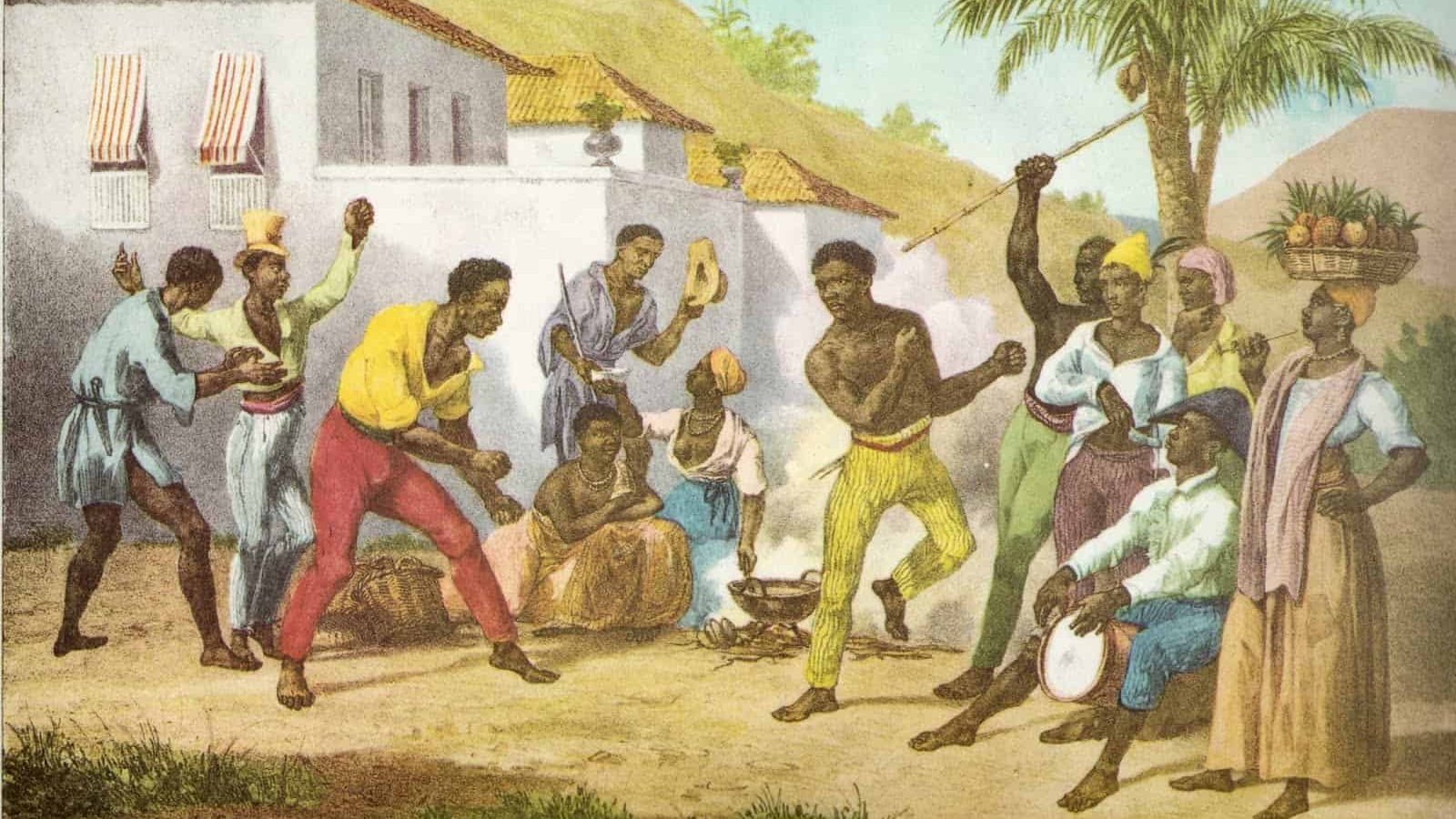
Capoeira evolved from various fighting styles, dances, and music within Afro-Brazilian communities. Over time, it became associated with slaves and the marginalized, street crime, and defiance. Following abolition, capoeira was banned by Brazil’s first republican penal code in 1890.
However, Capoeira players continued to practice illegally and sometimes used aliases to hide their capoeira playing. In the 20th century, however, capoeira started to become accepted by society. It grew to become something seen as an emblem of Brazilian culture rather than something associated with criminals.
The ceremony Canada outlawed

The potlatch was integral to the social, political, and ceremonial life of some Indigenous peoples of Canada’s Pacific Northwest Coast. Colonial authorities did not understand or approve of the tradition, and the Canadian government banned it in 1884. This did not eliminate the potlatch.
Instead, communities found ways to continue the ceremonies despite the risk of persecution, including altering celebrations to avoid drawing attention. When the Kwakwaka’wakw held a large potlatch in 1921, some people were arrested and ceremonial items confiscated. The ban lasted until 1951.
The festival that survived prohibition

Many Easter traditions were discouraged or banned in the Soviet Union, which was officially atheist. Celebrations persisted at home, however, with families dyeing eggs, cooking special foods, and practicing their religions in private. Although sometimes churches were closed or used for other purposes, seasonal traditions were kept alive by being shared between generations. Public celebration of Easter resumed after the fall of the Soviet Union.
An ancient religion in hiding
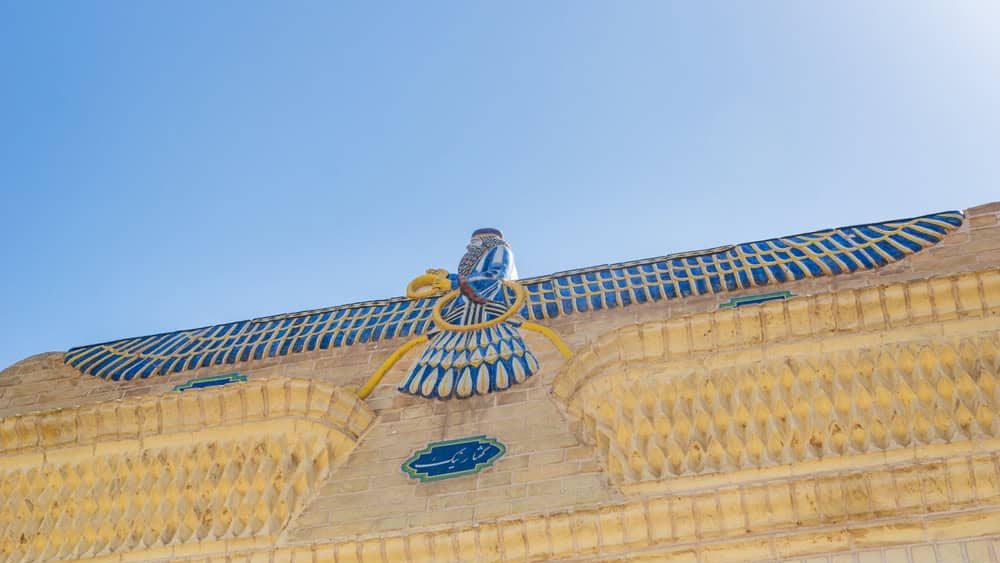
Following the Arab conquest of Persia, Zoroastrianism slowly lost territorial dominance in Persia. The Zoroastrian community faced discrimination and persecution under successive regimes over the next few centuries. Some chose to migrate to India, giving rise to the Parsi community. Others stayed behind, clinging to their faith mostly in small communities spread throughout Iran.
Fire temples, prayers, celebrations, and household traditions remained common practices and helped the religion persevere through massive political and social shifts. Zoroastrianism did not die out completely; thus it remains one of the world’s oldest surviving religions.
The masses refused to forget
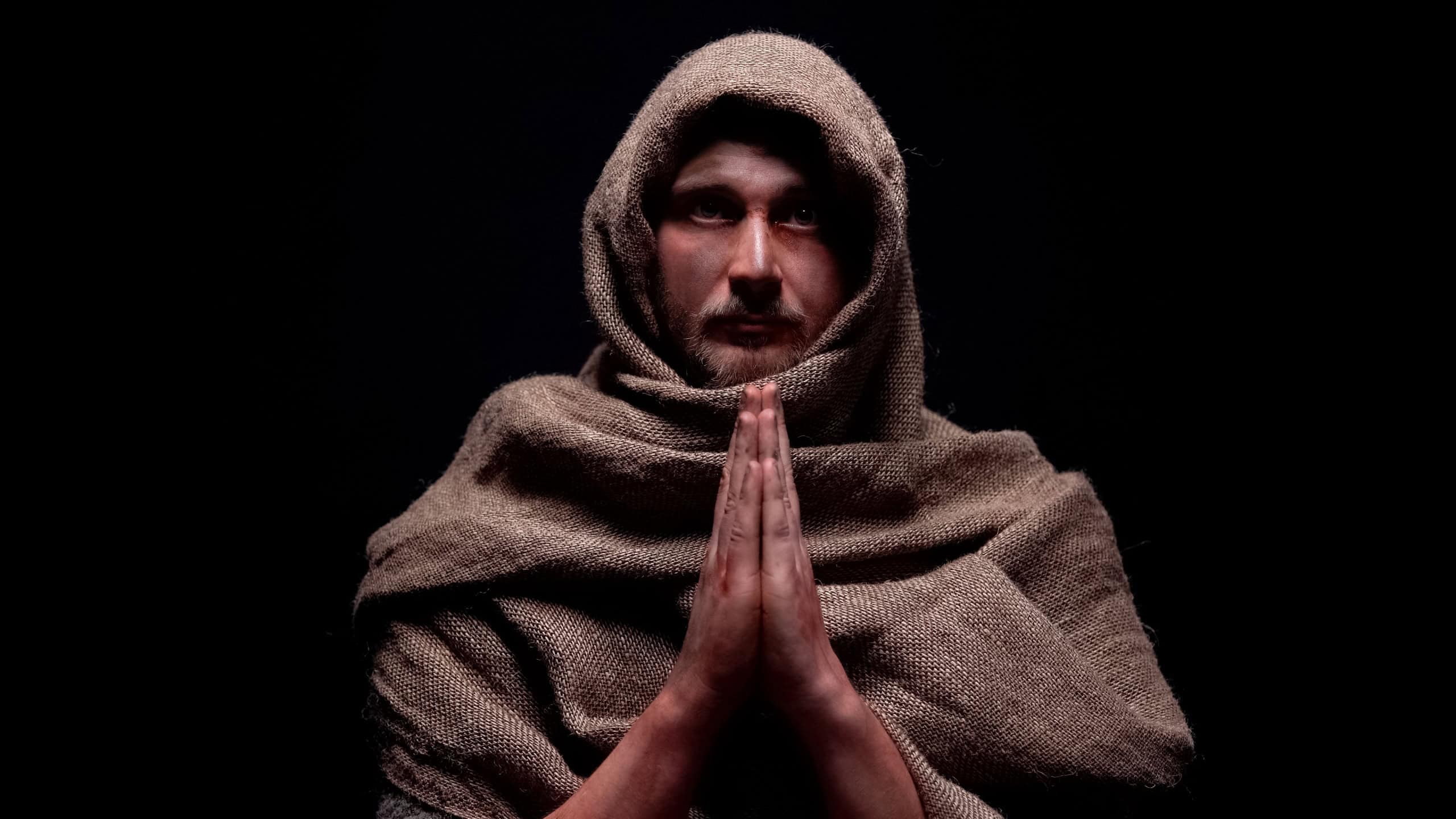
Traditional Catholic religious practice was curtailed at times under English and British rule in Ireland, most notably under the Penal Laws in the 17th and 18th centuries. Catholic priests were restricted, and formal religious life was suppressed during these times, but the faithful continued to worship in private houses and in outdoor oratories.
Stones or altars associated with outdoor secret masses (popularly known as Mass rocks) became potent symbols during those years.
The secret nobody revealed

The Eleusinian Mysteries were some of the most secretive religious rituals in Ancient Greece. For hundreds of years, people journeyed to Eleusis to undergo initiations that were related to Demeter and Persephone, death, and the afterlife.
Initiates were prohibited from disclosing essential elements of the initiation experience, and for modern historians, the specifics were never explicitly documented. The mystery rites persisted for nearly a thousand years until vanishing during late antiquity.
The books meant for initiates

The Jewish tradition of Kabbalah was developed as an esoteric method of exploring God, creation, and humankind’s relationship to God. As the study of Kabbalah was considered difficult and potentially harmful if misunderstood, there were traditionally restrictions placed on who could study it and what spiritual knowledge a student was expected to already have.
The tradition was also written in symbolism that was difficult for non-initiates to understand. Jewish texts on Kabbalah were circulated even during periods of persecution against Jews. Works like the Zohar became very popular in Judaism, and would later be adopted by Christian and occult authors.
An empire within the empire

One thing Imperial China could never quite control was secretive religious/political organizations. White Lotus movements were especially concerning as they brought together organized religion and clandestine groups for rebellion. Officials cracked down on the movements whenever possible, but cells would reemerge elsewhere under different leaders.
Followers would assemble around a religious leader with a common belief in salvation and perhaps participate in revolt. The fact that they could easily regroup after suppression is one reason why many governments feared groups they couldn’t observe.
When healing became suspicious

Folk healing, charms and magical practices often came under suspicion during Europe’s witch-hunting centuries if the authorities or a neighbour deemed them to be witchcraft. However, ordinary people certainly continued using herbal remedies, protective charms, divination and other folk practices alongside Christianity, sometimes even in secrecy. Some people made a practice of this as specialists such as healers or cunning folk.
A faith closed to outsiders

Emerging in the Middle East during the 11th century out of an Ismaili Muslim context before evolving into its own tradition, the Druze Religion experienced an initial period of persecution. They later stopped converting new followers, and today they are known for having one of the most closed religious communities.
Knowledge of religion within the Druze Community is separated between the learned minority known as the ʻUqqāl, who have been initiated into the religion, and the uninitiated followers referred to as the Juhhāl. The religion’s holy text, the Rasā’il al-Hikmah (Epistles of Wisdom), and many of their religious beliefs are exclusive to the initiated.
The Druze pray at places they call khalwa (meeting house) or khulwat (place of seclusion). Due to their long history of closed-door policies, the Druze have maintained their unique beliefs despite numerous political changes and intermittent persecution.
A faith behind another faith

The Dönmeh were people who developed out of followers of the seventeenth-century Jewish mystic Sabbatai Zevi in the Ottoman Empire. Zevi converted to Islam in 1666 after being threatened with death by the Ottoman Sultan. Sabbatai Zevi’s movement was said to have continued secretly after his conversion, with a number of his followers also converting to Islam while outwardly living their lives as Muslims but secretly adhering to Sabbatean-influenced practices and beliefs.
Hidden for generations, the Dönmeh began creating their own prayer services, holidays, and religious practices, some secret, others not. With distinct practices that set them apart from Muslims and other Jews, they typically married only among themselves.
Sources: Please see here for a complete listing of all sources that were consulted in the preparation of this article.
Like our content? Be sure to follow us.
7 forbidden history facts about the Knights Templar
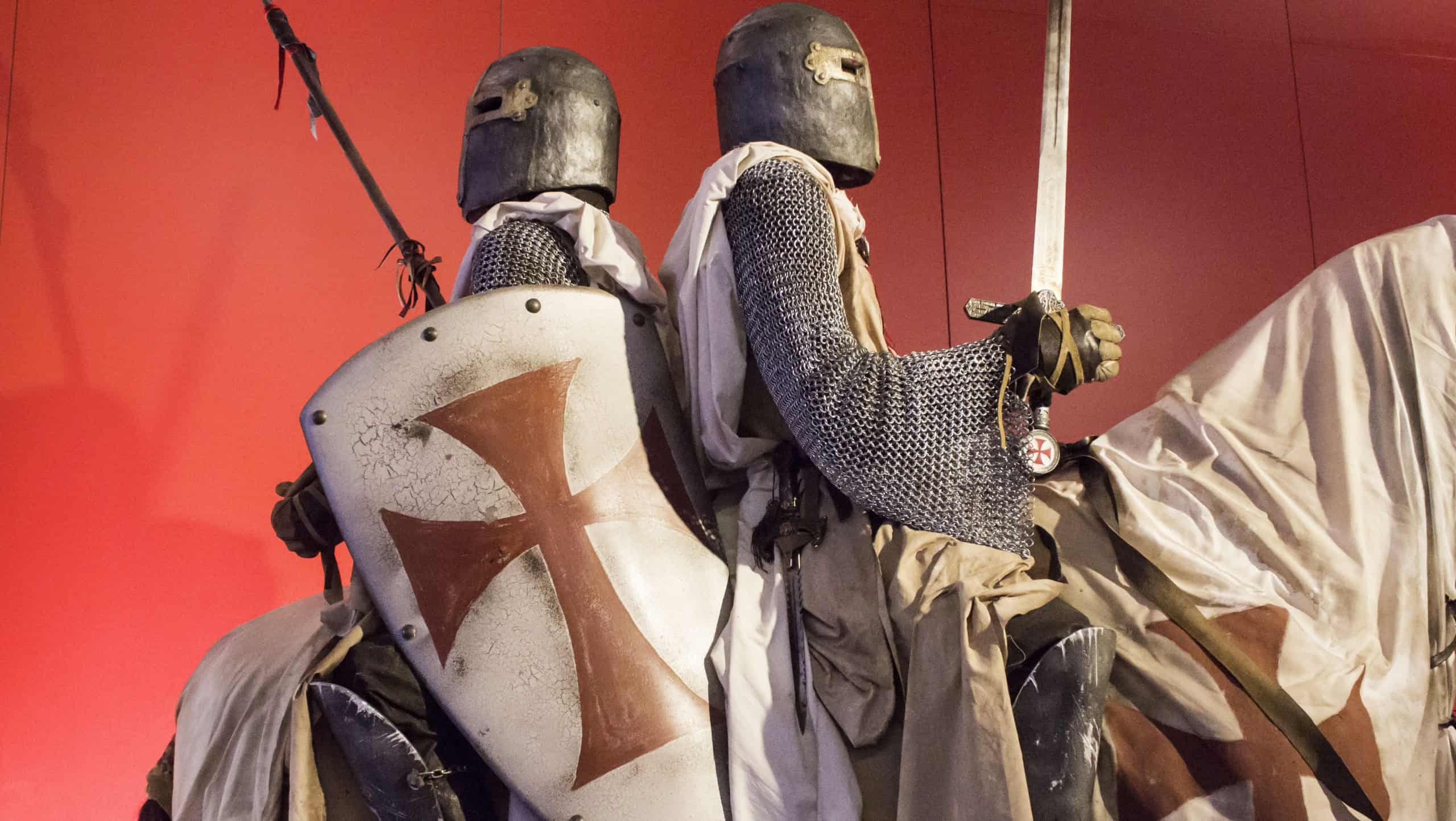
Peel back the layers of legend, and the actual accounts from their trials and financial papers reveal a Templar narrative far wilder than any tale.
