

Decades have passed since the Great Depression, but many survivors still live by the habits they picked up along the way.
Nothing went to waste

Ironing out wrinkled, used aluminum foil, rinsing out disposable plastic bags, and folding plastic bread tags away to reuse later turned into lifelong habits for Depression survivors.
People who grew up when store-bought goods were rare & costly viewed throwing away something that could still be used as unnatural & wasteful. They kept drawers full of neatly stacked foil, jars, and plastic containers.
Always stocked up
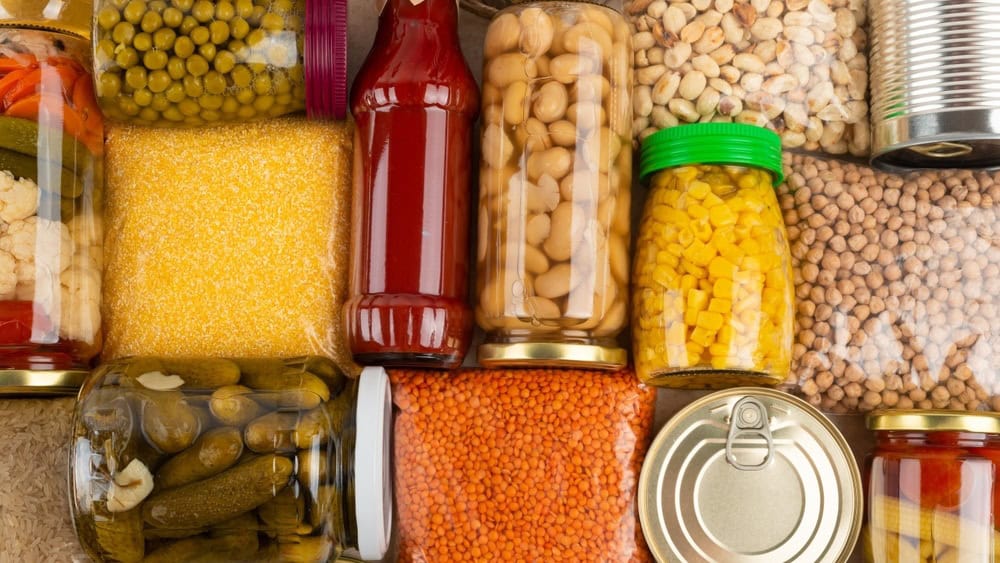
Their habit of filling pantries with shelf-stable items like canned goods, flour, and dried beans comes from their memories of childhood. Having lived through times of food scarcity or standing at breadlines as a child, seeing an empty refrigerator could easily bring on a subconscious, unnamed fear.
Restocking staples wasn’t paranoid behavior; it was about feeling 100% safe and making sure that no matter what went wrong with the economy, their family wouldn’t starve like that again.
Not a bite left
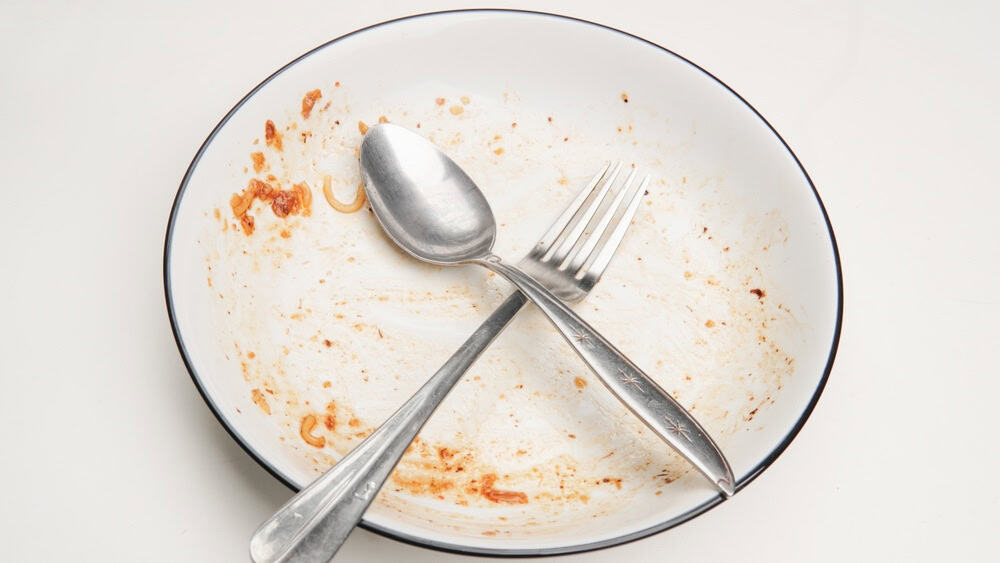
Cleaning the plate down to the last crumb of rice or sip of broth was never optional; it was a rule they learned as a child and upheld into adulthood. It was considered rude to leave food on your plate that someone else worked for. Vegetable scraps were saved for soup, crusty bread was turned into bread pudding, and carcasses were boiled into stock.
Making things last
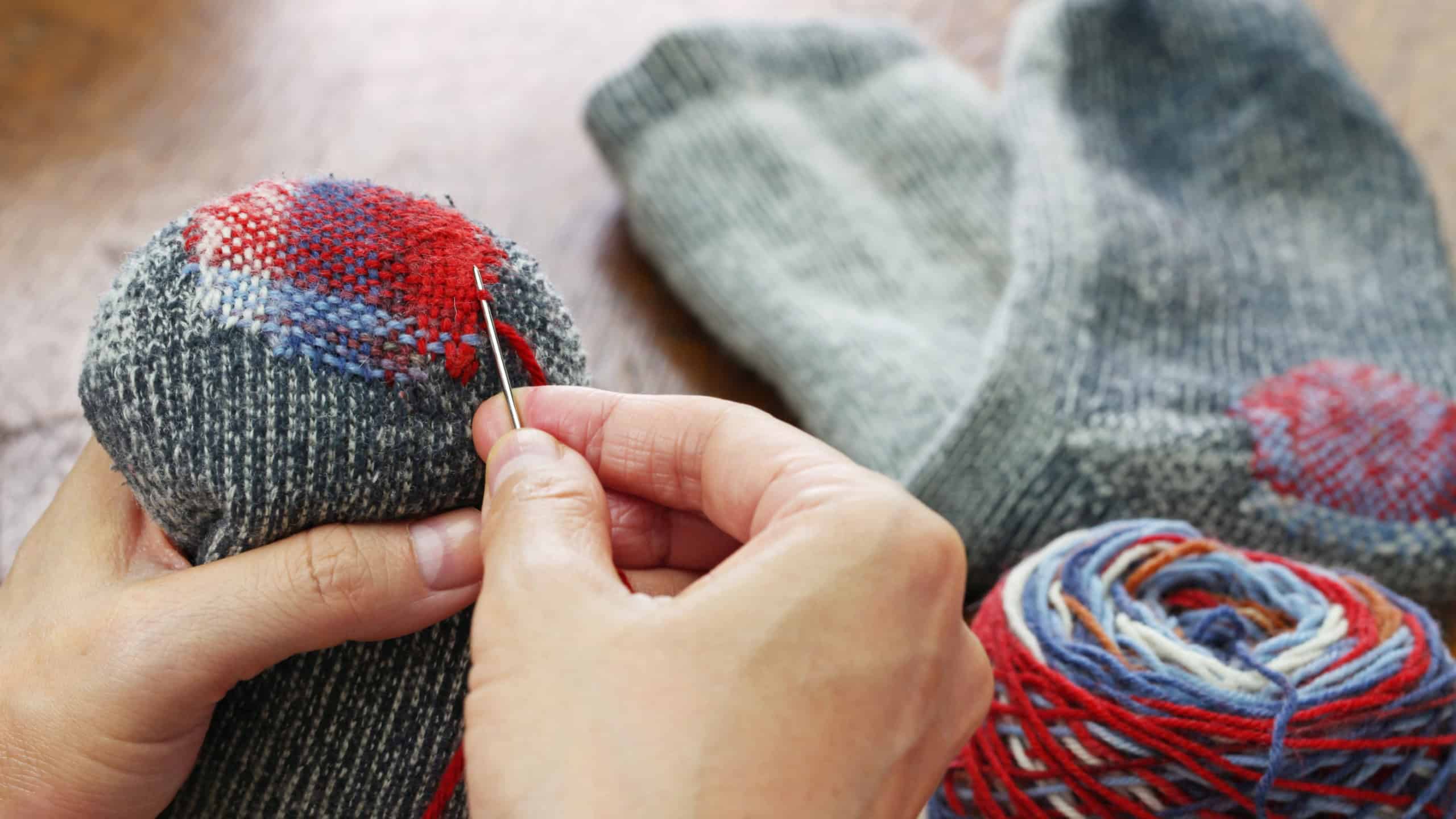
Whether darning a hole in a sock, patching a coat, or cobbling together furniture with some spare wire, there was no tossing something out simply because it wore out. Because they grew up when making do was the only way, they discovered their knack for resourcefulness with simple tools, sewing supplies, and duct tape.
They patched, fixed, and painted things for decades after, long after they should have just been thrown out and replaced.
Money within reach

Living through waves of bank failures, where hometown banks closed their doors and depositors lost their savings overnight, left a lasting skepticism with one generation toward traditional financial institutions.
Federal deposit insurance was later introduced, but some still squirreled away hard currency in cookie jars, book safes, and buried in old coffee cans in the yard long after. There was comfort in knowing you could get your hands on that money instantly.
Saved for the next time
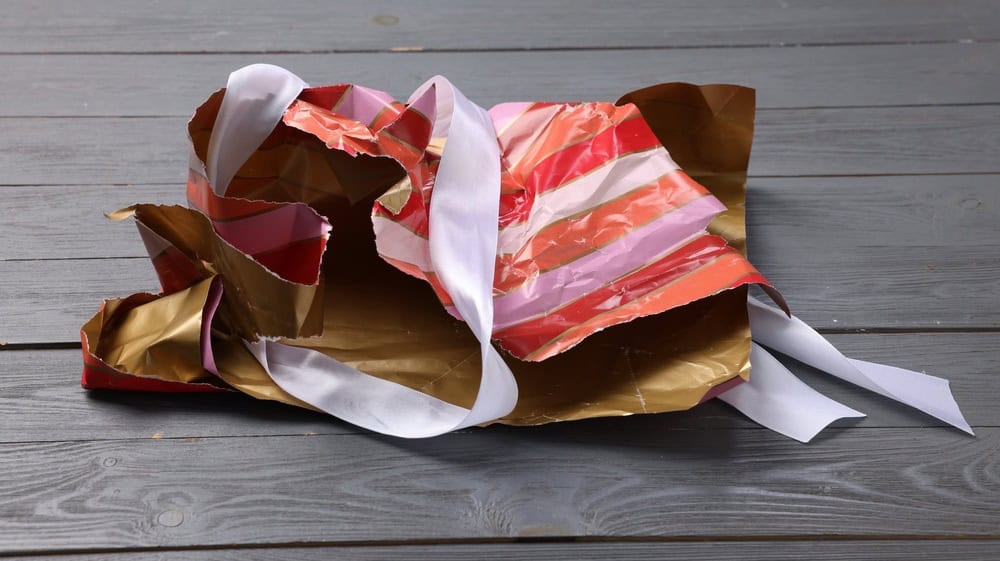
Opening a birthday or holiday present was done carefully so as not to ruin the paper by ripping it. Loosely peeling the tape, folding gift paper back upon its original fold lines, and balling up spent ribbon or string on a spool was the norm.
Disposing of brightly-colored wrapping paper after one use was considered wasteful extravagance, so the same gift bags and boxes circulated amongst families for years.
Every drop counted
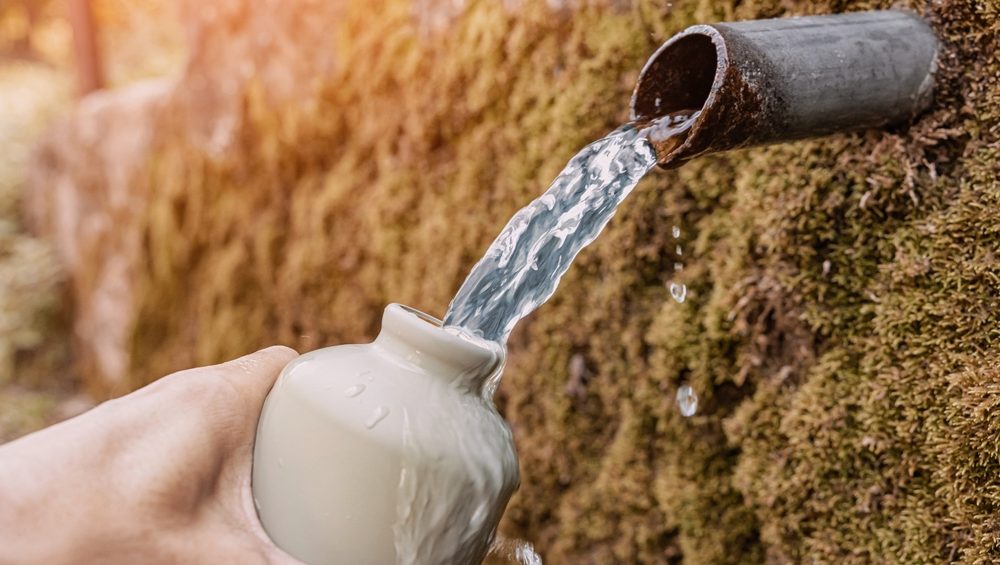
It was understood that water was scarce and shouldn’t be poured down the drain without purpose. People formed lifelong habits from things like collecting the initial cold shower water in a bucket and using leftover rinse water for their plants. Many homes adopted a strict, water-saving method for washing their dishes.
A second life for clothes
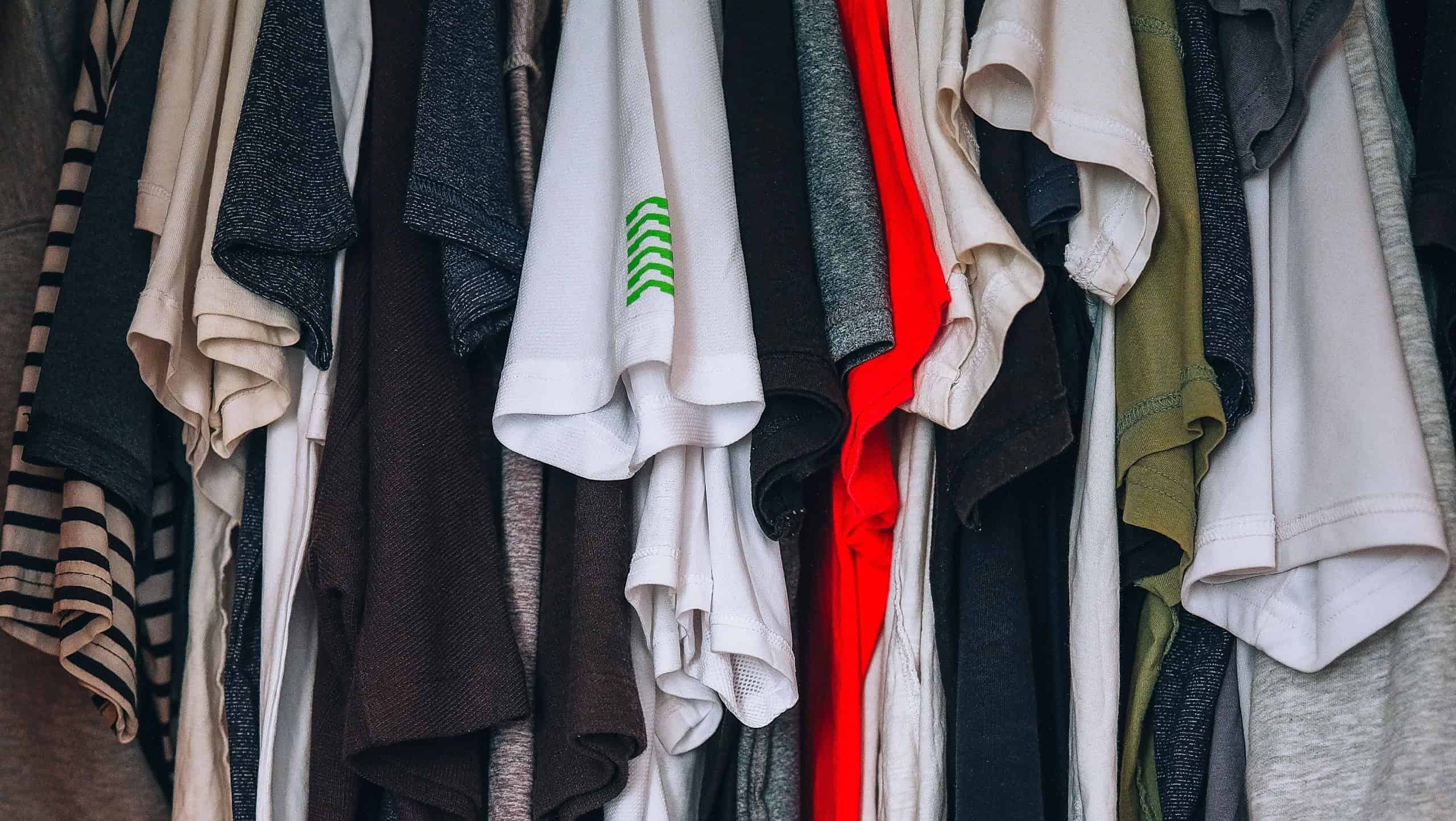
Nothing in the wardrobe ever got thrown out because it lost its shape, faded in the sun, or got a hole in it. When a shirt or pair of trousers became unsuitable to be seen in public, they instantly got relegated to gardening duties, painting, or hard household chores.
Even then, when the clothes had become totally unfit for use, they’d be cut into soft cotton rags for dusting and polishing cars and cleaning workshop machinery.
Too useful to toss
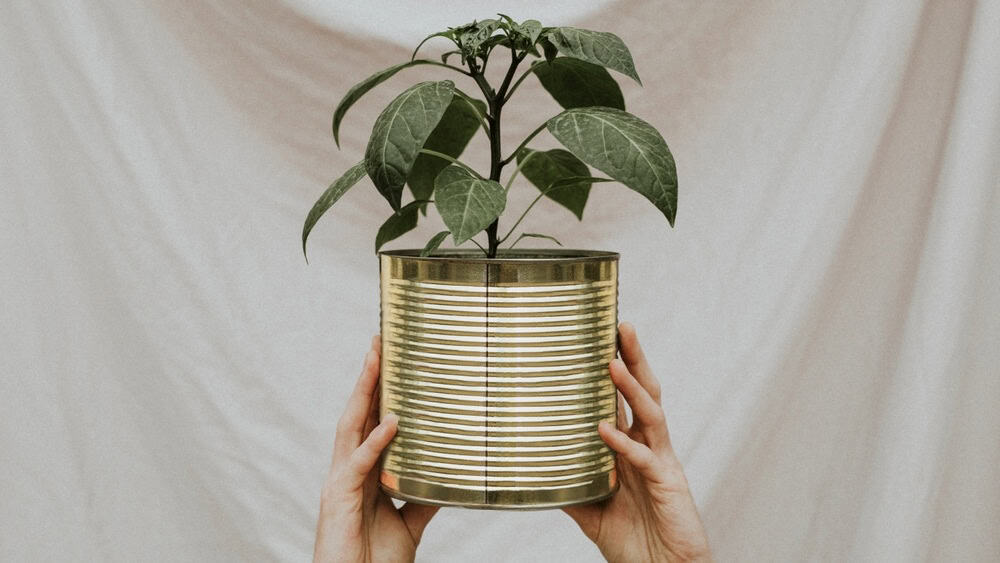
Extreme thriftiness was common practice for anyone who survived the Great Depression. Bacon grease was poured through a strainer into a tin on the stove to be used as cooking oil later.
Empty coffee cans were cut up to store nails in down in the garage. Plastic milk jugs were cut in half to become scoops for the garden or protectors for young plants. Nothing got tossed into the trash can until all possible secondary use had been explored.
One more mile
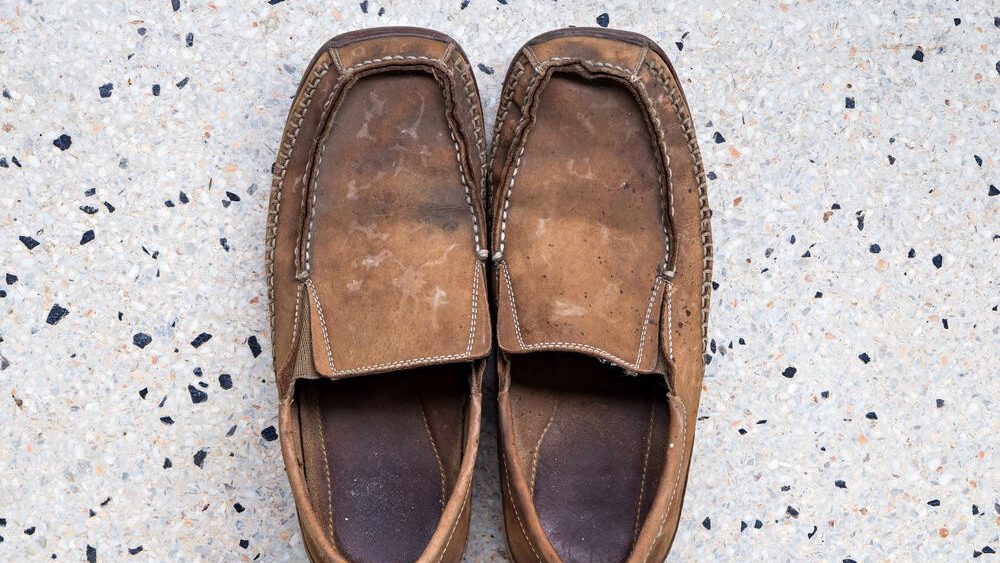
Buying new shoes before the old ones were fully worn out was unthinkable extravagance. Shoes were carried to neighborhood cobblers to be resoled, re-heeled, and buffed to shine many times over.
They lasted years that way, and when they became threadbare and the leather grew deep cracks, they were relegated to back-up yard/work shoes or rainy-day walking shoes, squeezing every ounce of usefulness from the leather.
Like our content? Be sure to follow us.
10 sandwiches that got families by on a budget during the Great Depression
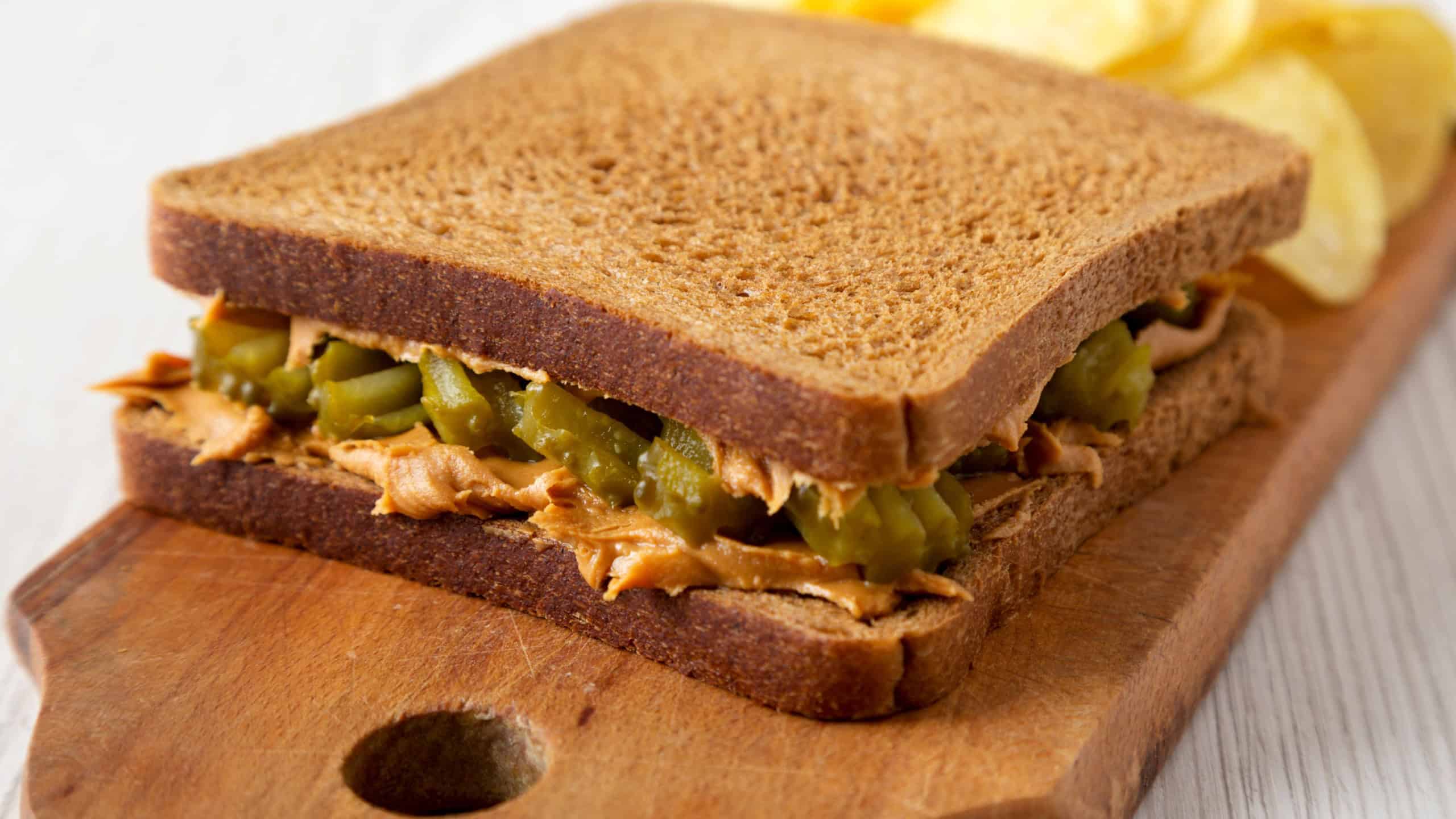
Before fast food existed, these cheap sandwiches fueled millions during some of history’s darkest eras.
10 sandwiches that got families by on a budget during the Great Depression

