
Just because something’s legal doesn’t mean it feels right & we’ve all seen things that are allowed by law—but they still make us uneasy. Laws set the minimum standard. However, our sense of right and wrong often pushes us to expect more because sticking to the rules isn’t enough to do what’s actually fair. Here are ten examples where legal things sound wrong. How do you know what’s the right thing to do?
Featured Image Credit: Elnur_/Depositphotos.com.
Aggressive Debt Collection Tactics

Nobody likes a debt collector and it’s mostly because they use aggressive methods. Some of them bombard people with phone calls morning, noon & night, or send letters that look like official court documents to scare them. It really does feel like harassment. However, it’s usually legal, even though such behavior makes people even more anxious than they already are.
Predatory Lending Practices
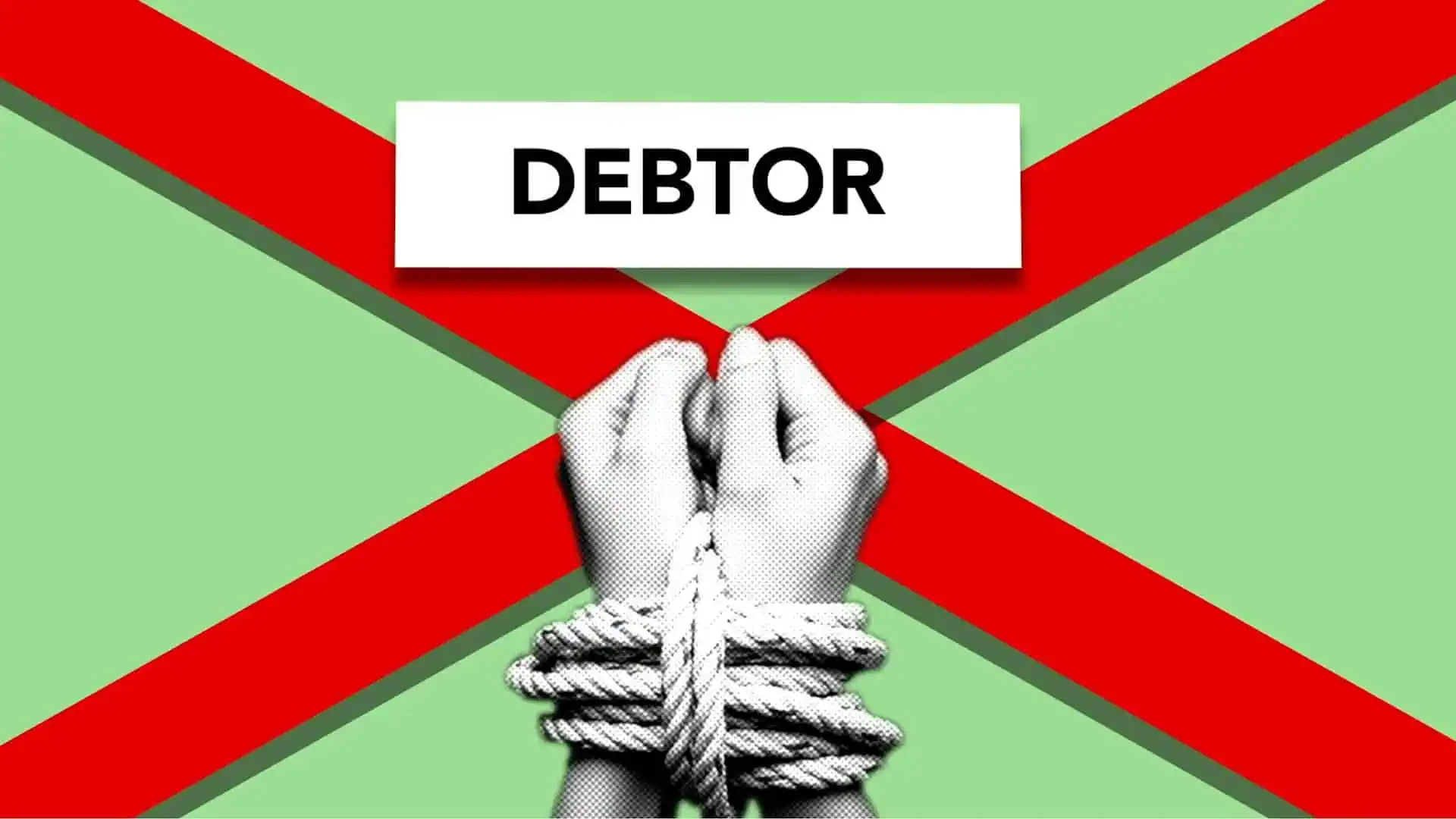
Speaking of debt, some lenders provide quick cash loans with ridiculously high interest rates. They legally offer these loans to people who might not qualify elsewhere. Unfortunately, many borrowers struggle to repay the loan as well as the hefty interest. They’re forced into taking out additional loans to cover the original one, trapping them in a debt cycle they can’t break free from.
Like our content? Be sure to follow us.
Outsourcing Jobs to Cut Costs

Outsourcing involves companies hiring people in other countries where labor is cheaper to save on expenses. They might move manufacturing plants to places like China or customer service centers to India or the Philippines. Sadly, this creates job losses at home. It leaves workers unemployed. Worse still, in the countries where the jobs go, workers have to deal with low wages & long hours, as well as poor working conditions.
Exploiting Tax Loopholes

Some large corporations manage to pay little to no taxes by using legal loopholes & they might shift profits to countries known as tax havens, like the Cayman Islands or Bermuda. There, tax rates are extremely low. If that wasn’t bad enough, they also use complex accounting tricks to reduce their taxable income. While they’re playing by the rules, it prevents money from going into public services like roads, schools & healthcare.
Price Gouging During Disasters
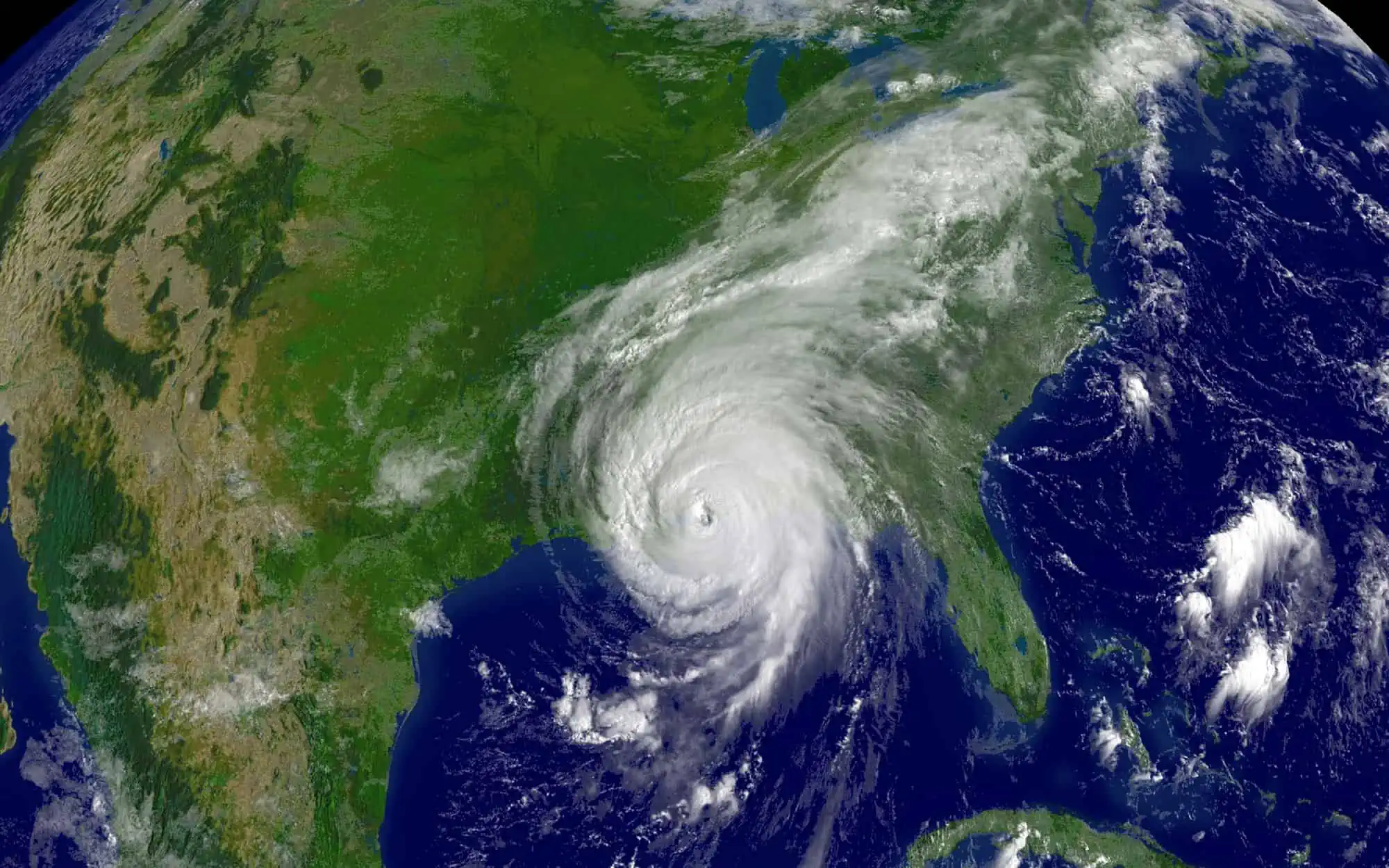
When disasters like hurricanes or wildfires hit, certain businesses will increase prices on essential items people desperately need. For instance, after Hurricane Katrina, there were reports of water bottles selling for ten times their normal price. Gas stations also hike fuel prices when evacuation orders are in place. It may be legal in some areas—but it feels wrong to profit off people’s hardship.
Selling User Data Without Explicit Consent

Lots of companies collect and sell your personal data without you noticing as they hide permissions inside lengthy terms & conditions that hardly anyone reads. Any browsers or apps you use are likely tracking every detail about you. Then, they sell this info to advertisers or other third parties. In fact, most people aren’t aware their personal details are up for grabs.
Advertising Unhealthy Foods to Children

Many food companies market sugary snacks & sodas straight to kids by using cartoon characters or flashy TV commercials. Yes, it’s legal. But kids often don’t understand that these tasty treats might be unhealthy—they’re drawn in by the bright colors and catchy songs. Sadly, such advertising contributes to poor eating habits and may even cause problems like childhood obesity or tooth decay.
Minimal Compliance with Environmental Regulations
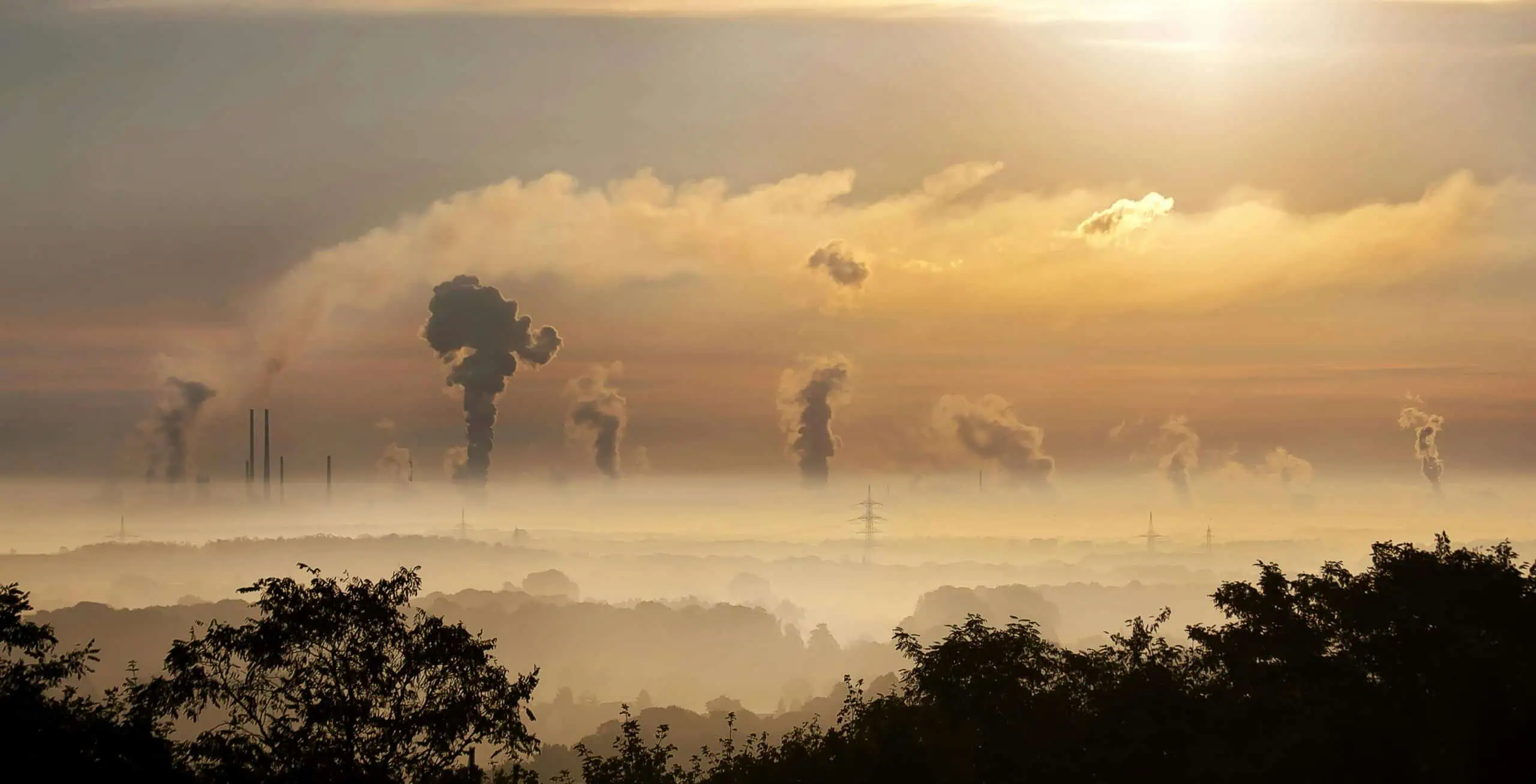
In terms of environmental laws, certain companies stick to the bare minimum. They’ll limit emissions or waste just enough to meet legal standards—but they’ll still release pollutants into rivers & the atmosphere. How is that fair?! Of course, they’re not breaking the law yet they’re also not helping reduce environmental harm either.
Factory Farming Practices

Several large industrial farms raise animals in cramped conditions to keep costs down. For example, they’ll pack chickens into tiny cages where they can’t spread their wings or confine cows in crowded feedlots. They’re legally allowed to do this. But it’s just not right that these animals can’t express their natural behaviors.
Planned Obsolescence in Consumer Products

Some companies intentionally design products to wear out, which is known as planned obsolescence. For example, you’ve probably noticed that some appliances are built with parts that fail sooner. They might use proprietary screws so you can’t easily repair them yourself—forcing consumers to buy new products more often. Really, it’s a trick to make us spend more money.
Disclaimer: This list is solely the author’s opinion based on research and publicly available information.
Like our content? Be sure to follow us.
Read More: