We always want to make our pets happy. But pets may hate some of our everyday habits. These might make them sad, afraid or angry. Sadly our pets cannot directly tell us what they hate about our behavior. But if we pay attention to their body language, we can notice subtle changes.
In this list, we’re going to explore some common habits in our everyday lives that make our pets uncomfortable. Knowing what they do not like will help create a better environment for them.
Featured Image Credit: Karolina Kaboompics /Pexels.com.
Unwanted Hugs
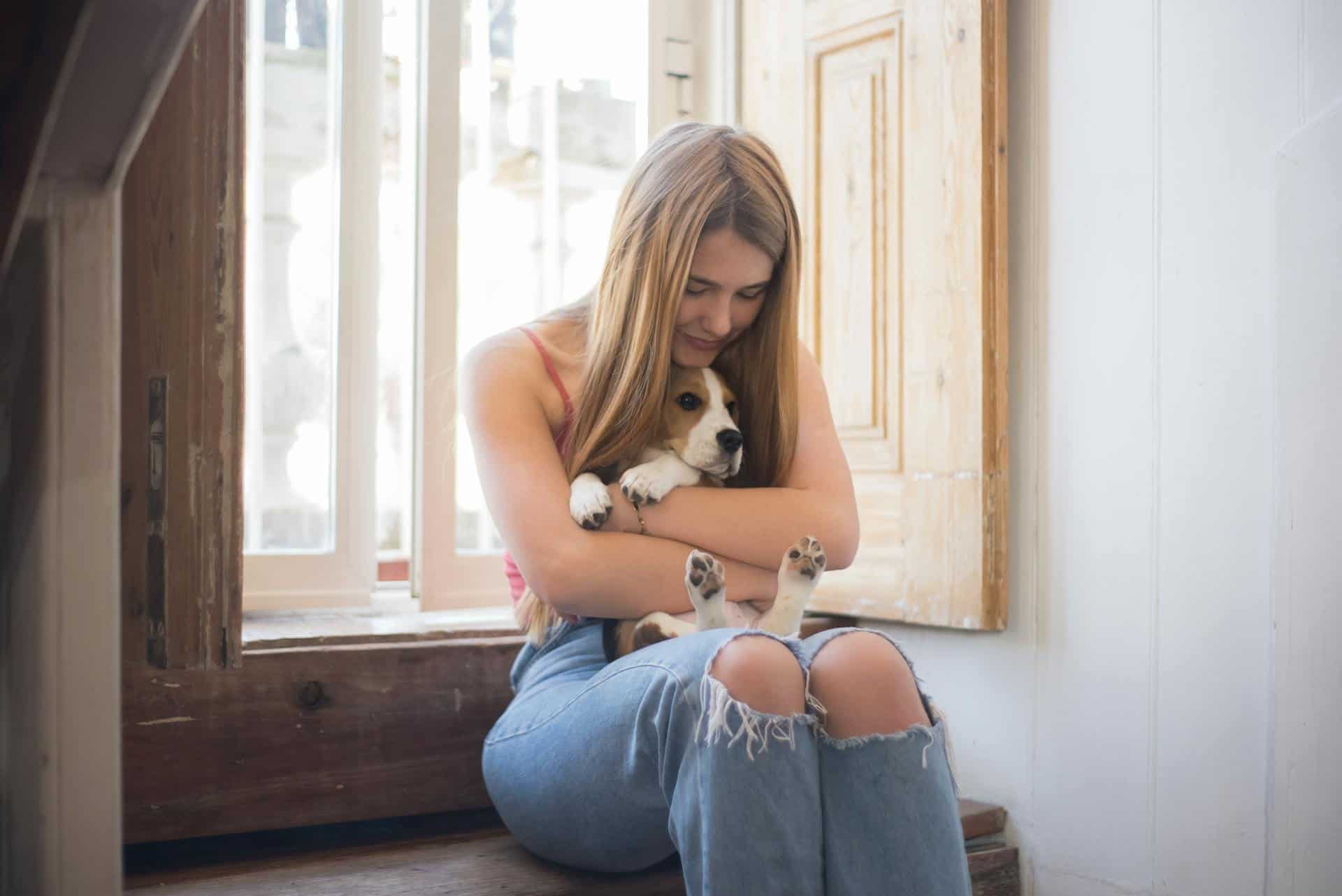
Some pets are not big on hugs – they might be afraid or feel insecure when someone tries to squish them. Dogs and cats – in particular – love their own space. Even though it’s only human nature to want to hug them close — especially in our time of need — your pet may feel more comfortable with a softer type of attention such as being stroked or simply having you by their side.
Loud Noises
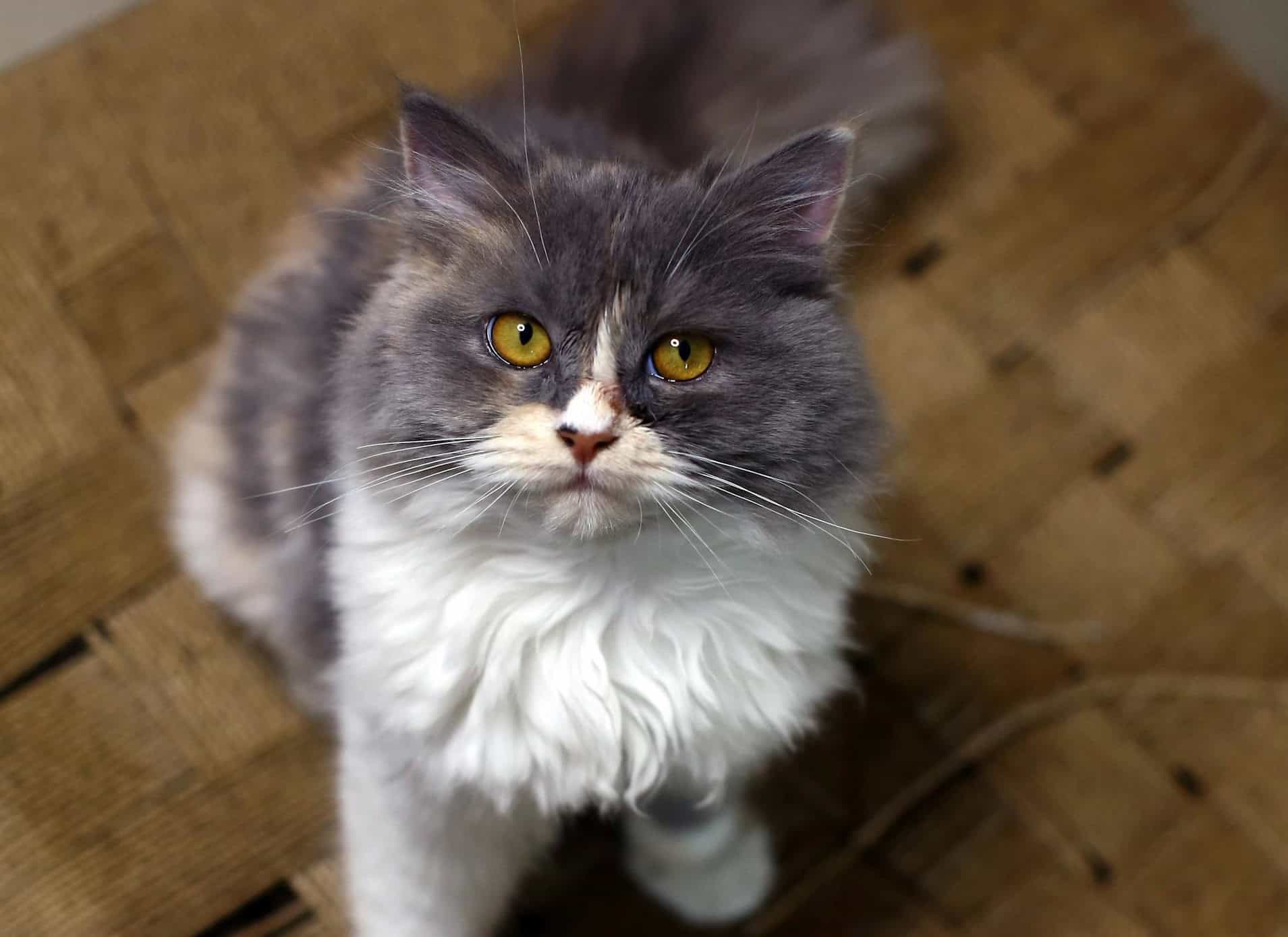
Pets are very sensitive to loud sounds (much more than humans). Everyday noises like vacuum cleaners, loud music and even shouting can freak them out. These noises can make your pet feel anxious and unsafe. So always be mindful of the noise levels around them to keep them happy and calm.
Like our content? Be sure to follow us.
Inconsistent Schedules
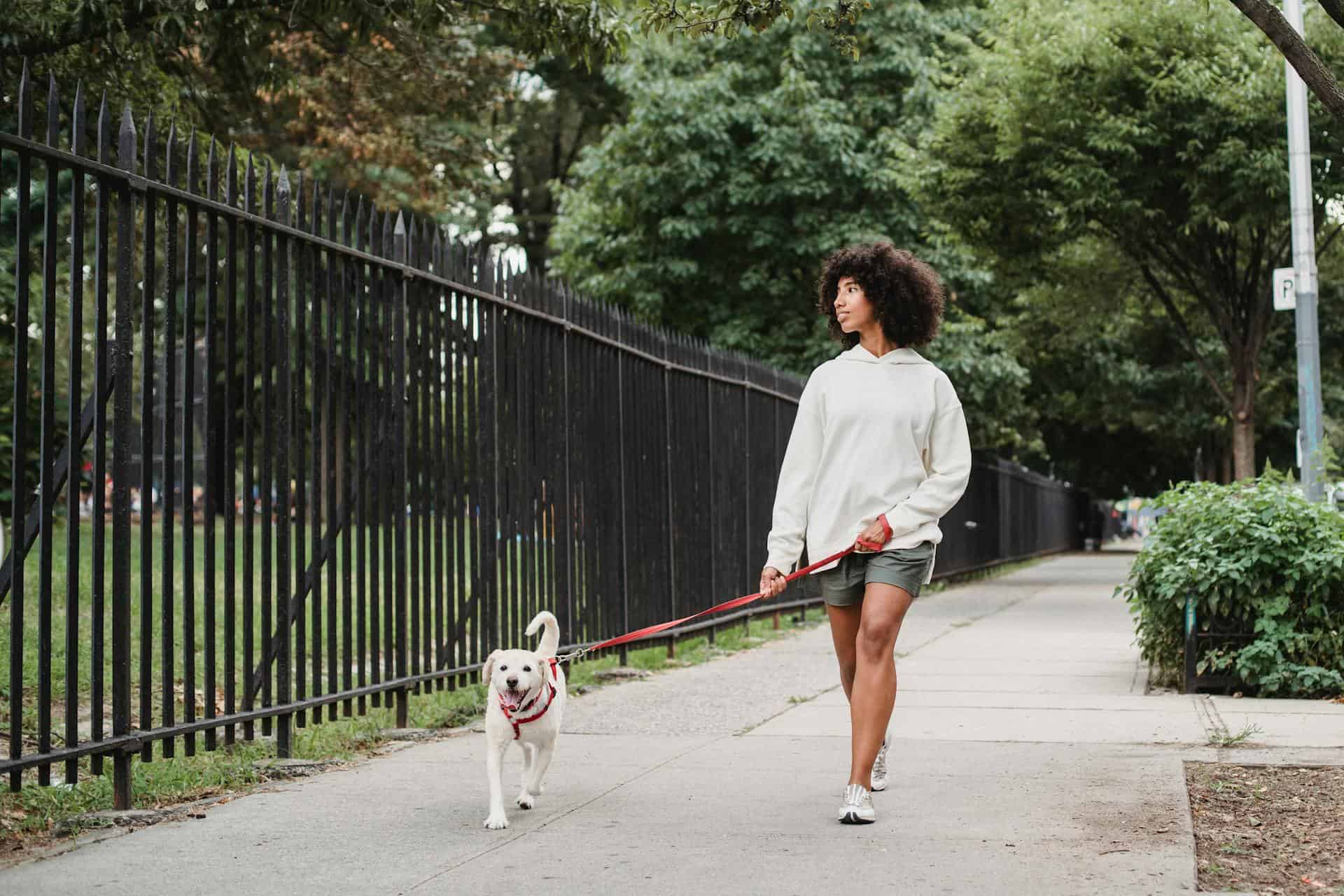
Pets thrive on routine. A consistent routine helps them to feel calm, secure and comfortable. Changes in their feeding times, walks or playtimes can make them confused and anxious. So, always try to stick to a schedule when dealing with your pet. This means making some time in your busy schedule for their daily routine.
Over-Bathing

Over-bathing can lead to skin irritations and remove necessary oils from your pet’s fur. Baths are essential as well – but bathing them too often can dry them out. Pets do not always need to be bathed, unless they are dirty or smelly. The key here is regularly grooming, but not over-grooming.
Ignoring Their Body Language
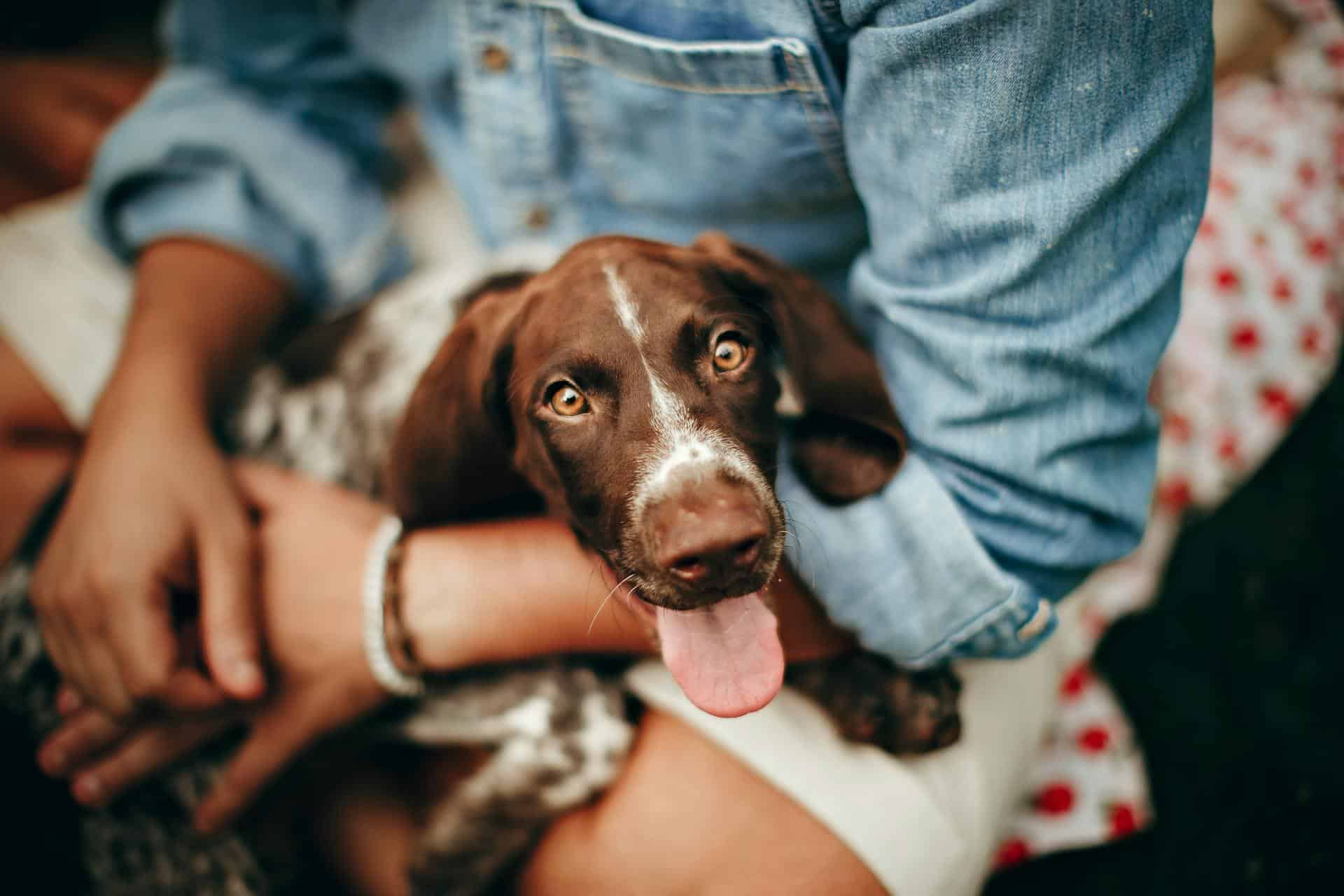
Animals use body language to communicate. Sometimes they hide, avoid making eye contact with you and lower their ears back – all signs that they do not want to be stressed, scared or crowded. Neglecting such cues can heighten their anxiety. Read your pet’s body language so that you know when to take a break and/or provide additional care.
Too Much Alone Time

Animals can get lonely if they are left alone for long periods of time. A small amount of independence is healthy, but if you leave your pet alone for hours and hours, this might lead to boredom or in some cases even separation issues. Taking the time to engage and play with your pet will keep it happy and mentally stimulated.
Forced Socializing

Some pets do not have an affectionate nature — they do not like to meet new people or animals. It is stressful and really uncomfortable to put them into these settings. So, when you take them to a crowded party or introduce to a new pet, they might find it overwhelming. It’s always better to let them approach new situations at their own pace. This gives them the freedom to back away if they feel uneasy.
Disclaimer: This list is solely the author’s opinion based on research and publicly available information.
Like our content? Be sure to follow us.
Read More: