

Many in the modern and accelerated society have come to disregard religion in their lives. Amid all the tech and modernity, spirituality seems like a distant concept. But we should perhaps reconsider the value of religion and how it still applies to us today.
Provides a Sense of Purpose
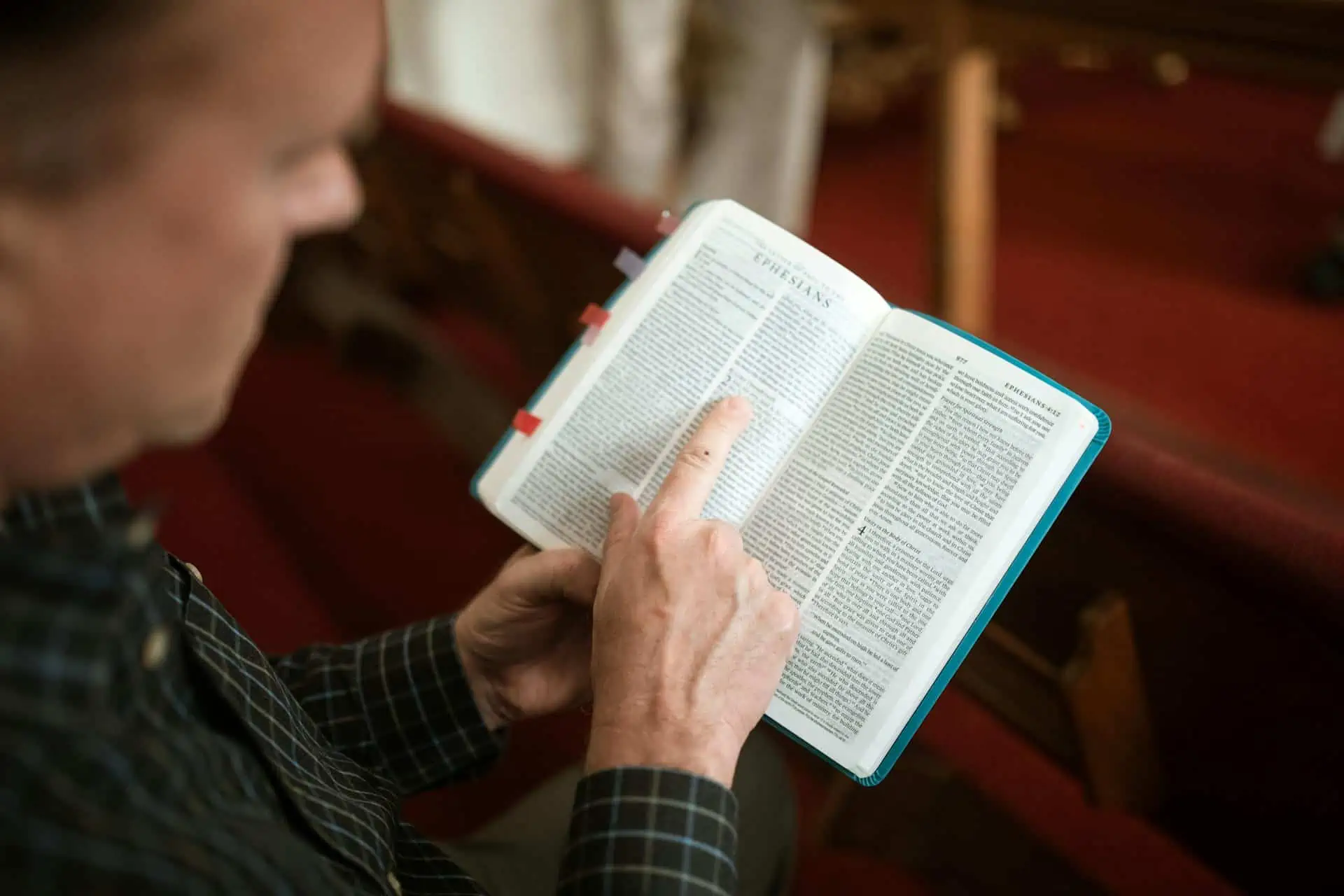
Religion makes humans understand their place in the world. It responds to questions as profound as, “Why am I here?” or “What’s life for?” Being purpose-driven gives you direction and makes you feel more important. It also motivates people to live lives in accordance with their beliefs, such as loving, caring for others or pursuing a larger purpose. This purpose can be hopeful and can give people the energy to persevere, even in the face of failure.
Offers Comfort During Hard Times

Everyday life is hard, whether you are going through a loss, illness or a relationship breakdown. Religion provides solace by providing a person with something to lean on in these times. Prayer, trust in God, or just knowing that there is a bigger plan makes tough times feel easier. Religions too have an important role, and provide comfort, love and affirmation in the moments when they are most in need.
Builds Strong Communities

Religion unites people in unique ways. Masses, festivals or prayer meetings regularly offer time to gather and talk about life. Such communities tend to be second family, emotionally and functionally. People support each other during rough moments and commemorate achievements together. This unity can bolster a society to make it more united and supportive.
Teaches Moral Values

Religious teachings typically emphasize kindness, honesty, forgiveness and fairness. These are values that influence how humans act and relate to each other. For instance, in a lot of religions, you are taught to treat others how you want to be treated. Religion facilitates a society in which members respect one another and care for one another by teaching such values.
Encourages Charity and Helping Others

Giving back to the less fortunate is a major part of most religions. Humans are asked to donate time, money or goods to others, through official charities or small acts of generosity. And lots of religious organizations run food banks, shelters and hospitals, changing people’s lives. This emphasis on giving back teaches people to be compassionate and to think about others.
Promotes Mindfulness and Inner Peace

The practices of religious faith – prayer, meditation or quiet contemplation – encourage us to pause and be present in the moment. Such practices can be extremely useful in a world that’s fast paced. They help people escape from their anxieties and calm down. In the long run, this may lead to better mental health and more peace of mind.