
Most of us throw on jeans without a second thought. However, in North Korea, doing so could get you in serious trouble because denim is completely banned. But that’s not all. Over the years, the government has blurred jeans off TV screens & ordered youth groups to confront people wearing them. They’ve also handed out punishments for breaking the rules.
So what’s going on? Why are jeans so dangerous, and what happens if you wear them? Let’s take a look.
Featured Image Credit: Shutterstock.
Key takeaways
You’ll get the lowdown on:
- What the rules around jeans actually are
- Why the government says they exist
- How they’re enforced on the street
- The punishments people face if they slip up
- How jeans ended up in this strange spot in the first place
What the rules actually say about jeans
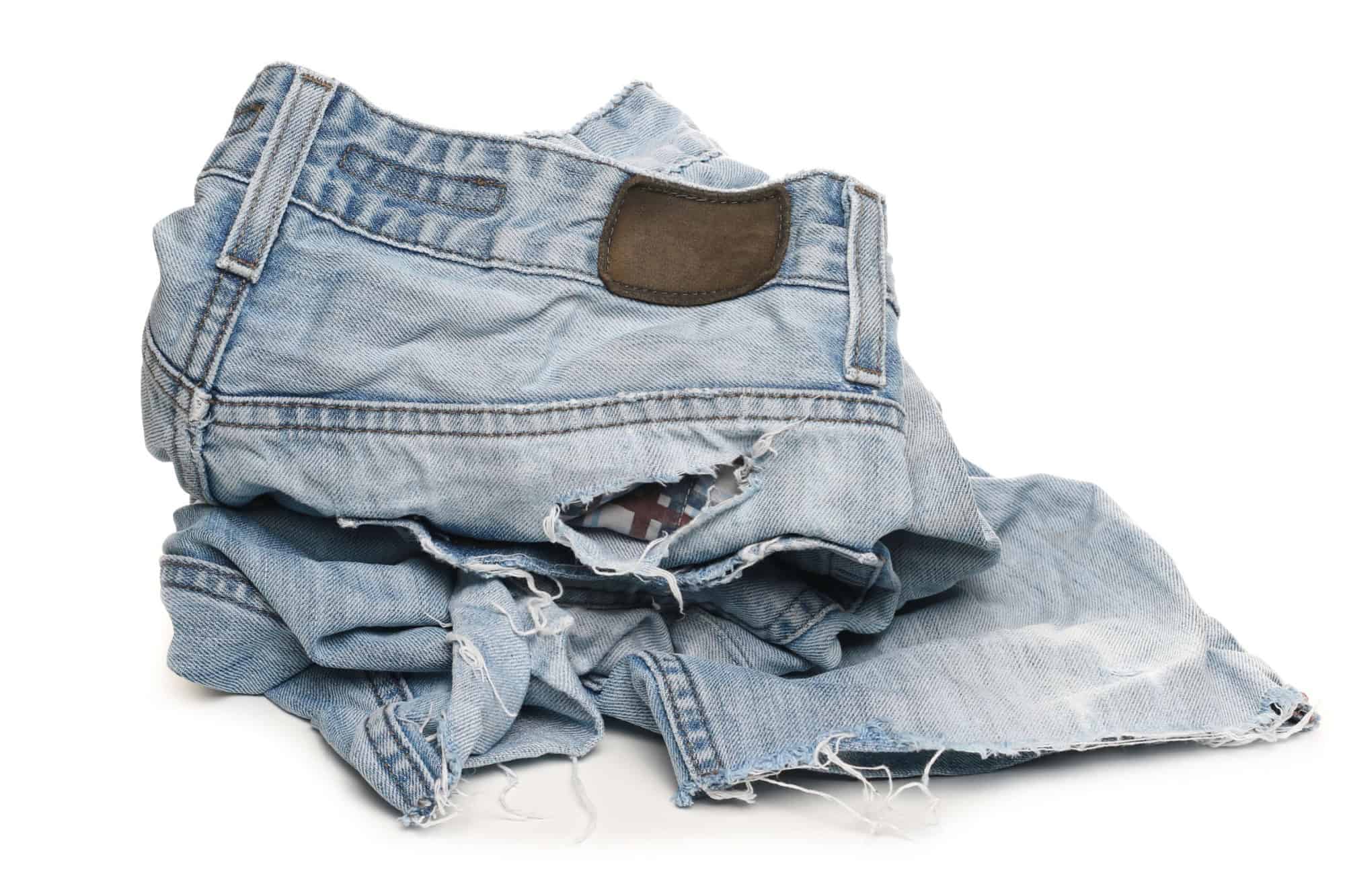
Jeans first came under fire back in the early ’90s. Why? Simply because censors labeled them a sign of U.S. culture. Yes, really.
Most TV shows have a hard time getting airtime in North Korea. But in 2024, the nation aired the British gardening show, Alan Titchmarsh’s Garden Secrets. They blurred his denim trousers from start to finish. They also cut the hour-long episodes down to just 15 minutes, and while the jeans weren’t the only thing cut, they’re what caught most people’s attention.
However, it’s not simply jeans, as denim is part of a wider list of what the officials call “non-socialist fashion.” Radio Free Asia reported that, along with jeans, dyed hair & T-shirts with foreign writing all fall under that umbrella. Anyone caught wearing them can & will be detained. They can even be sentenced to short labor stints. Yikes.
Why the rules exist (the official explanation)
Of course, the government doesn’t frame this as a fashion issue. They claim they’re blocking negative outside influence, citing two laws in particular:
- The Law on Rejecting Reactionary Thought & Culture
- The Youth Education Guarantee Act
The first law was passed in 2020 and covers foreign movies & music, as well as styles. The punishments for breaking it can be quite extreme. This includes years in labor camps or worse, if you’re charged with spreading banned culture.
The second law was passed in 2021 & warned young people not to dress or groom themselves in “strange” ways. What’s “strange”? Simply put, any Western looks.
Both laws also cover weddings & hairstyles, among other things. And, of course, what people wear in public.
How the rules are enforced, day to day
So what happens if you’re caught? A bunch of things. Youth groups will stop anyone who dares to wear jeans on the street & will tell them to write out a confession. They’re also told to call home so someone can bring “acceptable” clothes.
These groups patrol busy areas like markets & transport hubs, and they’re prepared to photograph or lecture anyone they see breaking the rules. They’ll also hand out fines.
However, these aren’t exactly one-off checks, as reports show that patrols regularly go around cities like Chongjin to specifically target jeans.
Punishments for breaking the rules

Like with most laws, the punishments depend on how serious officials say the violation is. For clothing alone, punishments range from warnings to up to six months of labor. Officials might confiscate your clothes & force you to write “self-criticism” statements.
It gets worse if authorities connect it to the anti-reactionary law. This law carries heavy sentences, including years in labor camps or, in some cases, the death penalty. And that’s for wearing jeans.
One 2023 report found that women wearing shorts, which is also banned, were arrested & forced to write statements. They were warned that the consequences would be more serious if it happened again.
What else is banned?
Denim is just the start, as authorities have banned plenty of other “un-Korean” styles too. These include:
- Skinny jeans,
- Shirts with foreign words
- Hair dyes & trendy cuts
- Sheer tops
- Shorts & mini-skirts
- Piercings & flashy accessories
The reason for most of these bans is the same. They’re too Western. In terms of hairstyles, any bright colors, mullets & “rooster” styles have all been banned for being inappropriate, while rules about shorts & mini-skirts apply mostly to women. With piercings, any that look too modern or foreign are grounds for a warning.
People pushing back

But not everyone in North Korea just accepts the clothing bans. Nope, some people have found ways to bend the rules & jangmadang markets are often where that starts. Jangmadang is the name for North Korean black markets that popped up during the 1990s famine. There, people can buy practically anything, like food, household goods, and yes, illegal clothes.
A lot of people make tweaks to what they buy. This includes hemming pants in a new cut or dyeing fabric darker, perhaps adding a detail that feels just a bit more modern. Sure, it’s nothing flashy. But it gives these people a sense of choice in a place where they don’t really have any.
In North Korea, jeans are a symbol of something the state doesn’t want, and that’s why the government cracks down on them. Who would’ve thought fashion could be so dangerous?
Sources: Please see here for a complete listing of all sources that were consulted in the preparation of this article.
Like our content? Be sure to follow us.