
A lot of the things we rely on every day didn’t come out of some modern lab. Nope, they’ve been around for hundreds or even thousands of years, and they were first made by Native peoples across the Americas. Here are ten Native American inventions we still use today. Which of these would you have the hardest time living without?
Featured Image Credit: Shutterstock.
Inuit snow goggles

Too much glare off the snow can actually blind you. The Inuit people knew that all too well. So, to avoid this, they carved goggles from bone & antler, sometimes even with driftwood. They made tiny horizontal slits to cut down the sunlight. Today, skiers still use tinted goggles.
Nixtamalization of maize

Next time you eat a tortilla or even a corn chip, you should remember that you’ve seen nixtamalization in action. The Maya figured out that soaking corn in water mixed with lime or ash made it much easier to grind. It’s also a lot tastier. This process unlocked nutrients our bodies couldn’t access before & we wouldn’t have our corn-based foods today without it.
Pre-Columbian rubber processing

You might know that Charles Goodyear came up with vulcanization. But, as it turns out, in Mexico, people learned to mix latex from rubber trees with the sap of morning glory vines long before Goodyear. This made the rubber stronger & more flexible, which shaped it into sandals and even toys.
Birchbark canoe construction

Traveling in the north wasn’t easy, thanks to the endless lakes & rivers. So, Algonquian builders came up with an idea to solve that. They crafted lightweight canoes out of birchbark stretched over cedar frames, then they used spruce root to stitch them all together. The seal? Made from pitch. Our modern-day canoes still copy that same shape.
Arctic skin-on-frame kayak

Inuit, Yup’ik & Aleut hunters built kayaks long ago using driftwood or whalebone frames. They covered them with stretched animal skins. They also designed each one to fit its paddler, almost like a custom wetsuit, with the tight fit keeping water out. Hunting at sea was finally possible.
Taíno hammock

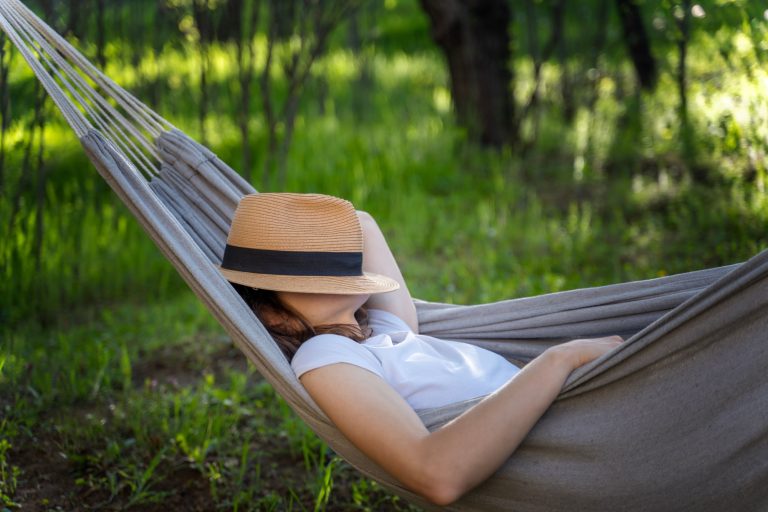
The word “hammock” actually comes from the Taíno people of the Caribbean. They wove plant fibers into nets people could sleep in, and Spanish sailors quickly picked up the idea. They realized it was far better than sleeping on damp ship floors. Soon enough, hammocks spread everywhere, and even astronauts have used them in Apollo spacecraft for rest in zero gravity.
Maple syrup making
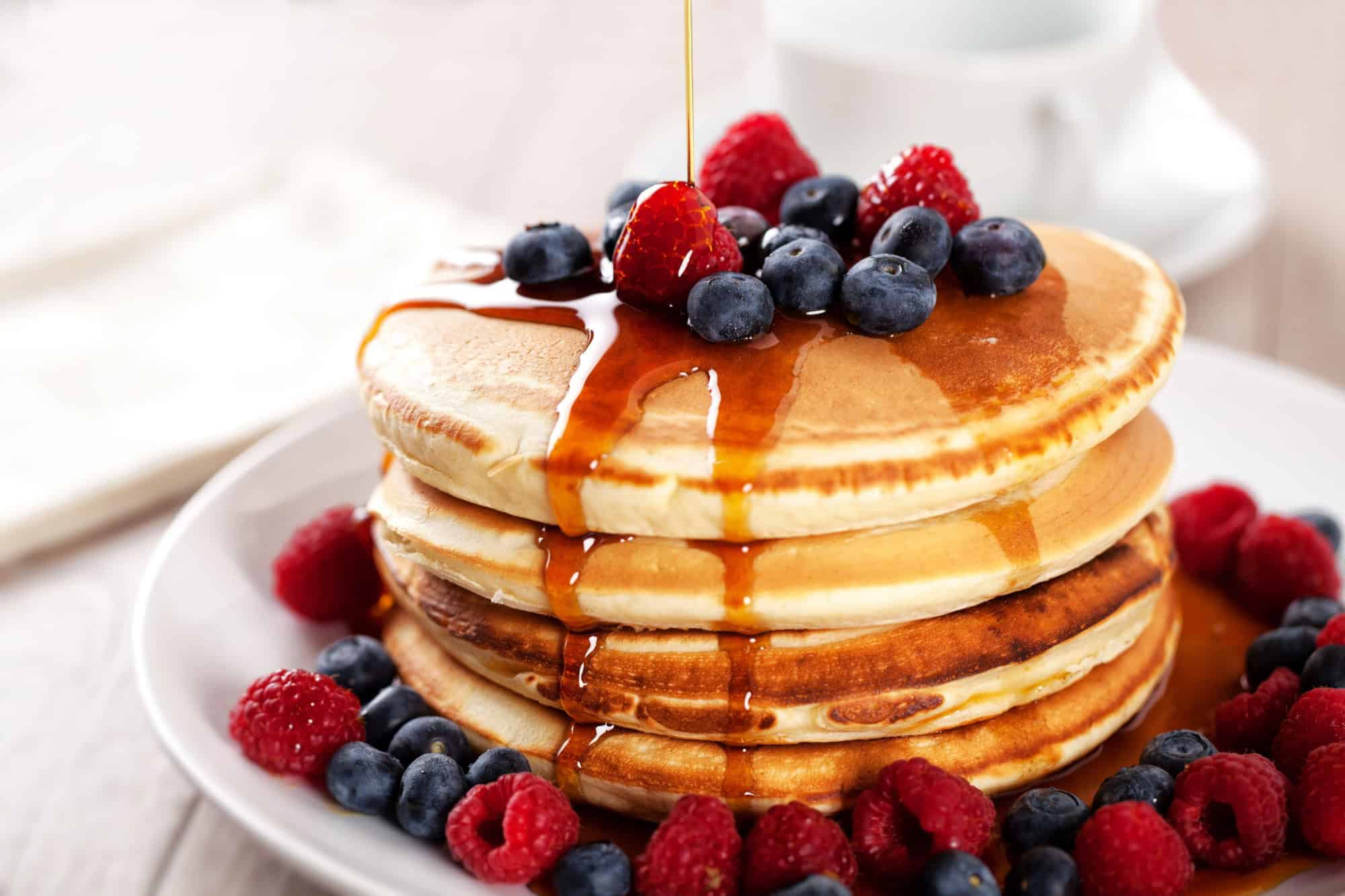
Anyone with a sweet tooth owes a lot to Algonquian communities. After all, they were the first to tap sugar maple trees & collect sap before boiling it down into syrup or sugar cakes. They used wooden spouts & hot rocks to do so. Today, we use the same basic steps to create the syrup bottles on our grocery shelves.
Ancient popcorn

Most people think of popcorn as just a movie-night thing. But it’s actually ancient. Archaeologists found popped kernels dating back over 5,000 years in Peru. Back then, they didn’t use fancy tools. They just used heat & the right variety of corn.
Haudenosaunee lacrosse

Long before it became a school sport, the Haudenosaunee used to play lacrosse. They used wooden sticks strung with netting to throw & catch a small ball. But unlike today, their games could last for days and involved whole communities. Europeans later changed the rules. Later, it spread as a sport, but the stick-and-ball heart of the game stayed the same.
Inca suspension bridges

Crossing deep Andean valleys wasn’t easy. But thanks to the Incas’ invention of rope suspension bridges made from twisted grass, it became a lot easier. Whole villages worked together to weave the thick cables & replace them every year. To this day, locals in Peru rebuild Q’eswachaka the same way.
Sources: Please see here for a complete listing of all sources that were consulted in the preparation of this article.
Like our content? Be sure to follow us.
- These Snow Goggles Demonstrate Thousands of Years of Indigenous Ingenuity
- First archaeological identification of nixtamalized maize, from two pit latrines at the ancient Maya site of San Bartolo, Guatemala
- Rubber processed in ancient Mesoamerica, MIT researchers find
- Birchbark Canoe
- We Are Still Here: The First Taíno Movement Exhibition
- First Nations in Canada
- The Indigenous Origins of Maple Syrup
- Preceramic maize from Paredones and Huaca Prieta, Peru
- The Creator’s Game: Native People Created Lacrosse Yet Now Strive to Play the Sport in International Arenas
- This Suspension Bridge Is Made From Grass

