

There are some manners that have just faded away, with hardly anyone even noticing or saying much about it. They were lost in the rush to get through the day, as the world got faster and we all got busier. But some of them were small, thoughtful habits that genuinely made life easier for everyone.
These are the forgotten, easily ignored courtesies that made people feel noticed, respected, and just a little more human. It’s high time we brought a few of them back. You’d be surprised how much difference a few can make. Here are sixteen of them to get you started.
Featured Image Credit: Shutterstock.
Letting Someone Know You’re Running Late

People would call or text before being late, just to let you know. Now, many people show up ten or fifteen minutes late, and act like it is fine. It is not just the time. It is respect. A little text shows you care about the other person’s time.
Walking on the Street Side of the Sidewalk
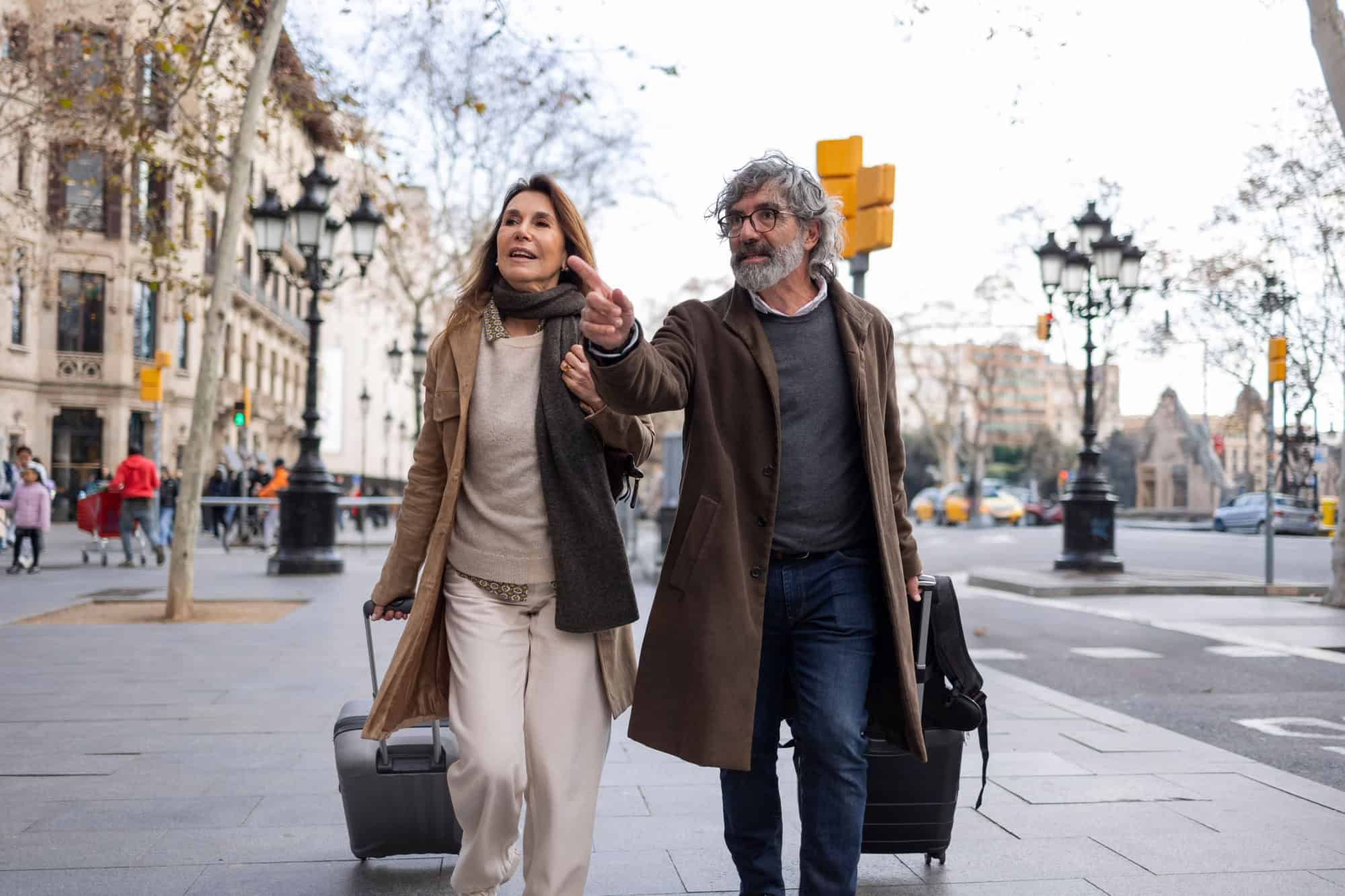
This was not just something actors did in black-and-white films. Walking on the street side of the sidewalk was a way to show you cared. It was about protecting the other person from cars, puddles, or any muck. Most people do not think twice about it now. But it is still a quiet way to say “I got you.”
Acknowledging Service Workers With Eye Contact

A quick thank you is nice, but looking in a person’s eye is even better. Cashiers, janitors, waiters, they are all people. They should not feel invisible when they are working. Too often, people just look at their phones. Respect starts with noticing others.
Lowering Your Voice in Public Spaces

People used to automatically lower their voices if they were in a waiting room, on a bus, or at a café with soft music playing. It was not an act of being quiet. It was just not shouting around other people. Now, loud phone calls and arguments happen anywhere. Paying attention to how loud you are speaking is not old-fashioned.
Returning Things in Better Shape Than You Got Them
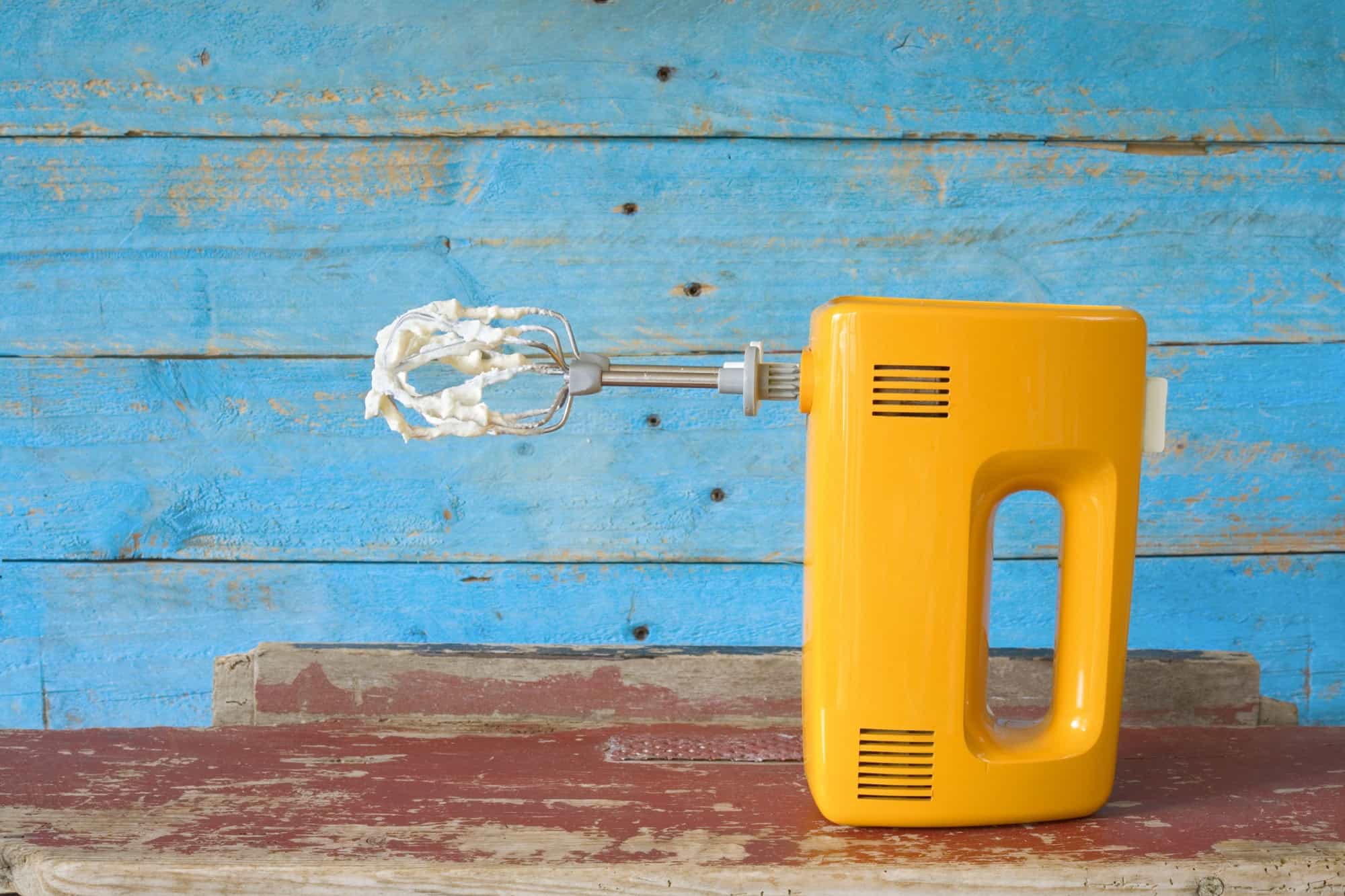
If someone lends you something, you used to clean it or at least return it in the same shape you got it in. These days, people return things scratched, dirty, or forget about it entirely. Taking good care of someone else’s property is polite and a way to show your gratitude. It also signals to people that they can trust you.
Not Using Your Phone in Conversations

It used to be normal to keep your phone out of sight when talking to someone. Nowadays, people are constantly scrolling during conversations. A moment’s look at the screen is enough to make the other person feel like you’re not paying attention to them. Putting your phone away shows that you’re fully present.
Sending Handwritten Notes for Personal Milestones

Handwritten birthday notes, condolence messages, or congratulations used to be the norm. Now you’ll see texts and messages that come in quickly and disappear just as fast. Writing on paper takes longer and makes the recipient feel that you’ve put more thought and care into your message.
Giving Full Attention When Someone Is Talking

Listening is giving someone your full attention without interrupting them or planning your response. People used to be better at it. Now, it is more common to speak over people or zone out. Giving someone your undivided attention is a form of silent respect that is easy to take for granted.
Not Talking About Money in Casual Conversation

People did not use to ask what something costs. It was rude to ask how much a person earns. However, people today ask these things without thinking. Still, not everyone wants to discuss it. Topics about money are very personal. It is also a sign of good manners to know when not to speak.
Giving Up the Better Seat Without Being Asked

Offering a seat with more space or comfort to a woman, older person, or someone with a disability is not something people do automatically anymore. It used to happen so naturally that no reason was needed. Just noticing that someone might need the seat more than you was enough.
Saying Goodbye Before Leaving a Group

Today, it is more normal to leave a casual event and simply walk away. It does not take any time at all to say goodbye. Saying goodbye lets the others you have been with know that you are not ignoring them. If you cannot say anything, a simple wave of the hand will work.
Letting Others Exit First Before Entering

We once automatically waited for others to leave a room, elevator, or bus before stepping in. Pausing for a few seconds made the world go much more smoothly. Today, people rush in without stopping. Waiting a moment in these situations is all about graciousness.
Waiting to Eat Until Everyone Is Seated

In the past, people would wait a moment before starting to eat. It was not because they were fancy. It was to share the moment together. Today, many people start eating as soon as food is on the table. Waiting that short time can make the entire group feel united.
Helping Quietly

Helping quietly without any fuss was normal a long time ago. Now, some people will only help if they can post a pic. Good manners are not loud. Picking up something for someone or holding a door without a big deal still counts.
Not Commenting on Someone’s Eating Habits

It used to be that no one ever told you what they thought about someone else’s eating. These days, you hear comments like “You’re eating all that?” or “I could never eat that much.” Unless someone else brings it up first, don’t say anything at all. It’s nobody’s business what anyone else eats.
Offering to Carry Something for Someone

If you saw someone with a full grocery bag or a single item that was heavy, you stepped right in before they dropped. Today, people will simply watch, even record for social media. Offering to help without waiting to be asked is one of the simplest ways to show care.
Disclaimer: This list is solely the author’s opinion based on research and publicly available information.
Like our content? Be sure to follow us.


