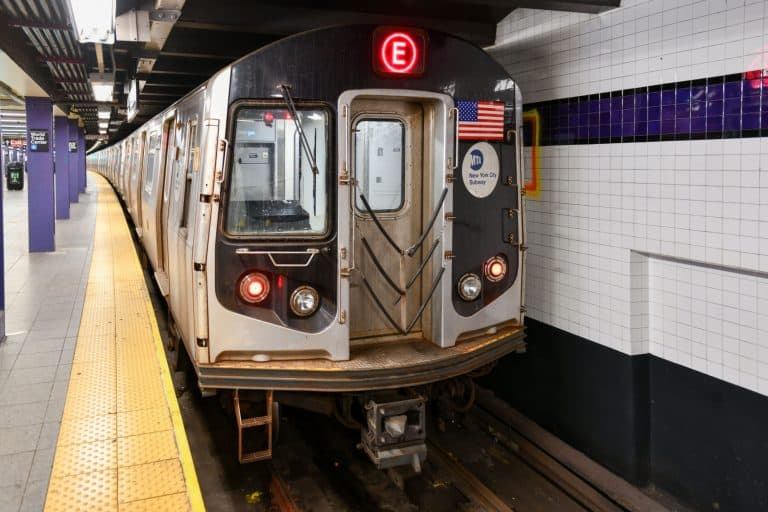

Just after 8 a.m. on January 8, 1902, two commuter trains met inside Manhattan’s Park Avenue Tunnel. But not in the way they were supposed to. Sadly, the express train plowed into a stopped New Haven train & killed fifteen people instantly. The wreck was horrific, but what came next changed city travel for good. What was it? Let’s find out.
Featured Image Credit: Shutterstock.
Key takeaways

Here’s what you’ll learn about:
- How the two trains collided
- The effect on steam power in America
- The massive rebuild that gave us Grand Central
- Why this story disappeared from memory
Where it happened
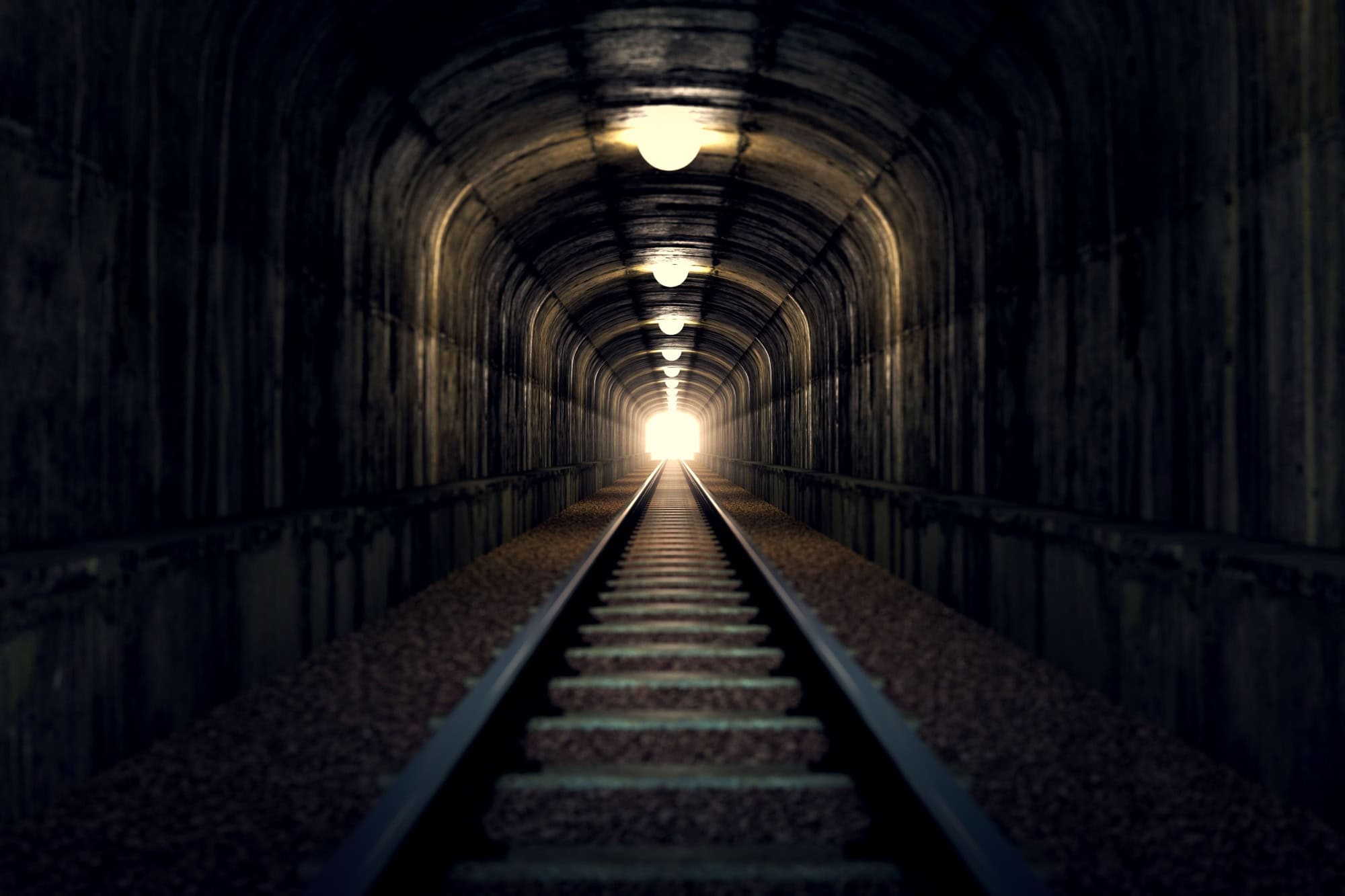
The crash happened in a long, sooty tube under Park Avenue, running from around 56th to 58th Street. Back then, it carried every train going into the early version of Grand Central. But the air was thick with exhaust & steam. Engineers could barely see ahead & signals often vanished in the haze. And on that cold January morning, that’s exactly what happened.
The trains & the blocked view
It was rush hour when hundreds of New Yorkers were heading to work. The New Haven commuter train had stopped inside the tunnel to wait for clearance. But behind it came a New York Central express that was moving fast. It was nearly blind in the smoke. Sadly, the express crew missed the stop signal & slammed straight into the rear car.
The impact crumpled wooden coaches and killed 15 people. It injured dozens more. The rescue crews struggled to reach many of the victims because the passage was so dark & airless.
A 1903 New York law
Within a year, lawmakers in Albany had seen enough. In 1903, New York passed a law banning steam locomotives south of the Harlem River after June 30, 1908. Railroads had to either electrify or shut down their city routes. No other option.
Steam was now officially on borrowed time. As such, the New York Central Railroad jumped into action by choosing a new third-rail electric system, the first of its size in the country. Crews laid down new tracks & rewired tunnels. They also rebuilt everything leading into the station. To do so, engineers had to design miles of cable and new locomotives almost from scratch.
Grand Central Station to Grand Central Terminal

However, out of that mess came a masterpiece, as the project replaced the old Grand Central Station with today’s Grand Central Terminal. It was finished in 1913. Beyond a mere facelift, electric trains made it possible to build two underground levels that were completely smoke-free.
Passengers could finally arrive without choking on soot. But even better than that, trains ran faster & cleaner than ever before. It seems like nothing now, yet these were huge changes for travel during that time.
Signals & rules upgraded in the tunnel zone
After the crash, the railroads also overhauled how signals worked underground. Engineers installed cab signals on the Harlem Line so train crews could see signal indications from inside, even when external ones were blanked out by smoke.
They also added automatic block signaling & new interlocking mechanisms around the tunnel approaches. As a result, there was more built-in safety between trains. The chances of missing a red light were far less likely.
Third rail choices that stuck around
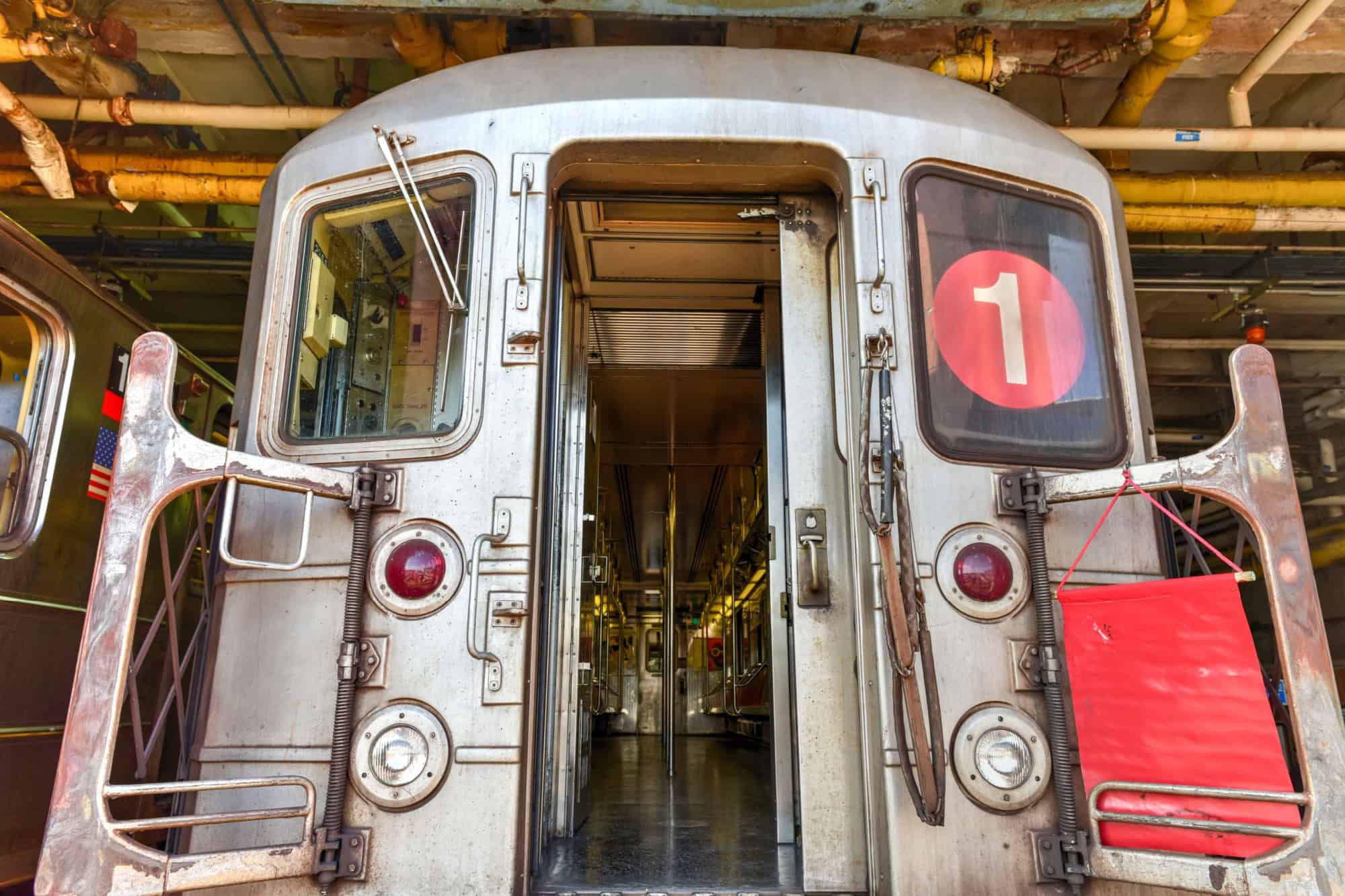
The system they picked for powering trains in & near Grand Central used an under-running third rail with protective covers. This was coupled with multiple-unit (MU) control, so each car pulled its own weight. With this design, acceleration & braking were far easier. This laid down a standard that lasted for decades in commuter rail operations.
Air rights changed the street above the railroad
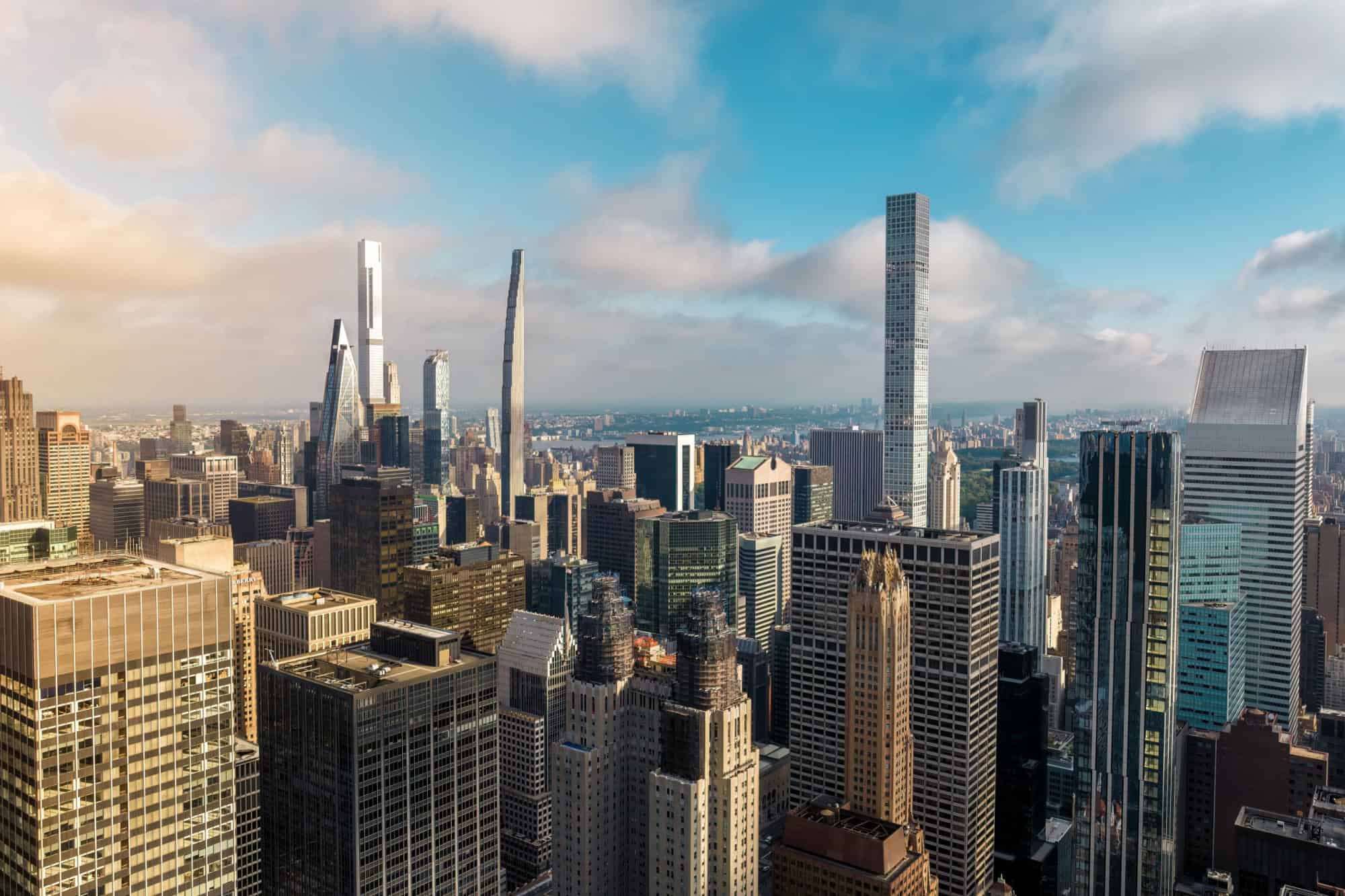
The loss of steam and covering of tracks were also important for the railroad companies. As a result, they sold or leased the “air rights” above the lines. They built over the tracks & began to expand Park Avenue as a continuous street. Now they could erect buildings above active railways. The extra revenue also helped pay for construction costs.
Other cities copied this example

Yet New York wasn’t the only city that ditched steam. In 1910, the Pennsylvania Railroad ran electric trains through tunnels into Manhattan, never letting steam near Penn Station’s underground approaches.
In Cleveland, the Cleveland Union Terminal in the 1920s used 3,000-V DC electrification. This pushed steam engines out of downtown. City planners & railroad engineers also referenced New York’s shift as a model.
Why this event is often out of sight

Ask anyone about Grand Central’s history, and you’ll hear about its architecture. They probably don’t even know about the accident that started it all. The 1902 crash is often ignored, and that’s mostly because in the public mind, the terminal outshone the disaster that made it necessary. Yet it completely changed American travel. It deserves to be remembered.
Sources: Please see here for a complete listing of all sources that were consulted in the preparation of this article.
Like our content? Be sure to follow us.


