

Isn’t it weird how our body changes without us even realizing it? One day everything is the same and the next you are confronted with little things you realize are not as easy as before. It’s not always the big and obvious things like gray hair and stiff knees. Sometimes it is the small surprises that remind you that your body has a mind of its own.
Featured Image Credit: Shutterstock.
The sudden sensitivity to cold

Cold can feel more biting as you get older. Less subcutaneous fat and a slower circulatory response to heat lessens blood flow to the skin’s surface. The body’s thermoregulatory system is also slower to respond. So it’s not uncommon for a person who previously was fine with a T-shirt to suddenly desire an extra layer.
The unexpected joint stiffness

The joints we’re born with don’t get to remain slick and easy with the passage of years. Staying still all night long prevents the natural fluid of the joints from circulating so freely, and the gradual loss of muscle tissue that also occurs doesn’t help, either. So, warming up in the morning can take time. It’s normal aging, not always arthritis.
The unnoticed shrinkage
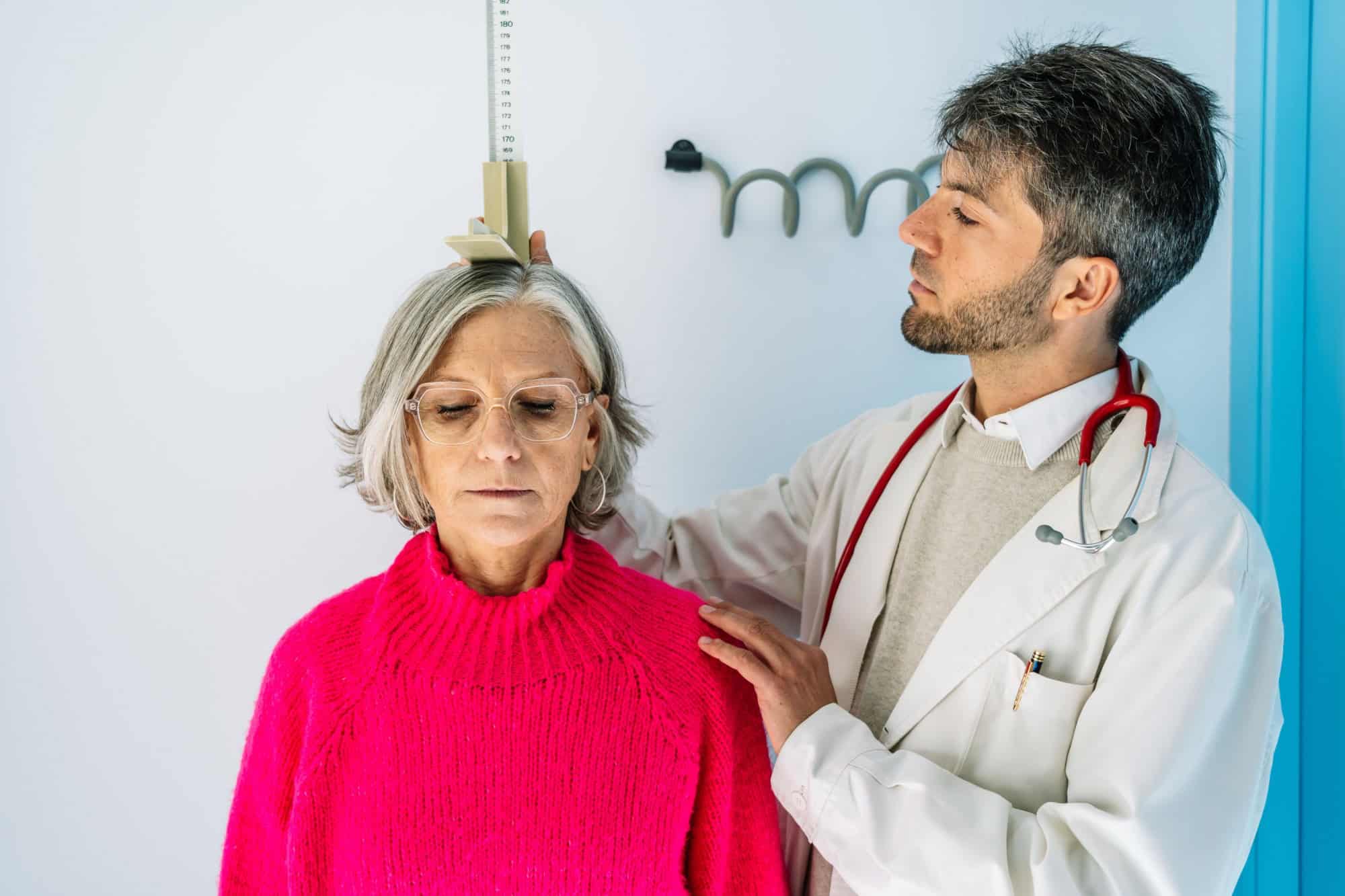
Vertebral discs are elastic and resilient, but they don’t last forever. As we age, they gradually dry out and become thinner, causing the spine to shorten. With age, loss of muscle strength and bone density also contributes to altered posture. That’s why the majority of people find that they are an inch or more shorter by the time they reach their senior years.
The gradual loss of grip strength

Strength in the hands and arms doesn’t last forever. Muscles atrophy naturally and with age, so even simple tasks like opening jars can become challenging. It’s a gradual change, with little difference at first, but over time it accumulates. Staying active and exercising the hands can slow the process down.
The unexplained bruising

Occasionally you find a bruise on your arm or leg without knowing how it got there. This is because, with age, skin gets thinner and the small blood vessels that run beneath become more delicate. Even a light bump can cause damage. It’s generally nothing to worry about, but it does serve as a reminder that your protective covering is not what it used to be.
The subtle hearing changes

You might often find yourself asking people to repeat what they’ve said, especially in loud surroundings. Parts of the ear deteriorate slowly as you age and this process leads to reduced hearing capability for certain sounds. It is a slow deterioration so it may not be noticed until it becomes a problem with normal conversations.
The slower recovery from illness

Once you are well again after an illness, you may notice that energy and stamina come back more slowly than in the past. The immune system and cellular repair processes work less efficiently as we age. It’s all part of the natural course of life, but it also reminds us to allow our bodies plenty of rest and good food as they recover.
Unpredictable sleep patterns
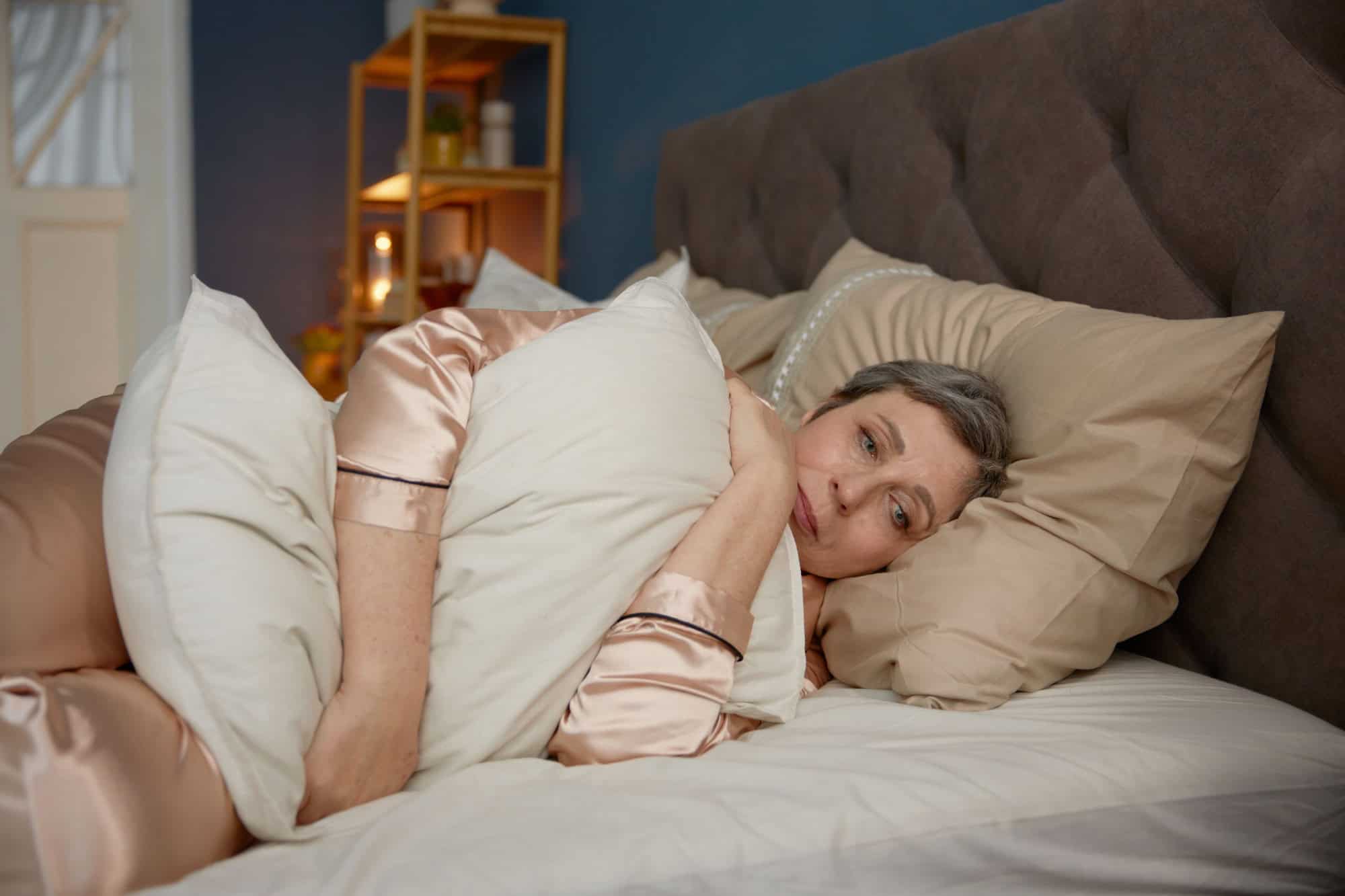
Sleep might start to feel less solid than it used to be. You may wake more in the night or early morning. Age affects both the body clock and melatonin production so paying attention to light, temperature, and bedtime routine can help a lot.
Decreased sense of taste

Food may not taste as good as it used to, and meals may seem bland. This is because taste buds lose sensitivity, and the sense of smell also diminishes with age. These changes can impact appetite and nutrition. Flavor, texture, and variety can help make meals more enjoyable and nutritious.
Reduced flexibility

You bend over to pick up a pen and it takes a bit of extra effort. Twisting to reach for something behind you feels clumsy. Reaching up overhead isn’t quite as fluid as it used to be. Muscles bind up, tendons get stiff and joints just don’t move quite the way they did. A few small stretches, a little daily movement, can make a difference, even if your body can’t quite keep up with the old you.
Impaired vision

Reading or focusing on nearby objects may become more difficult with age due to changes in the eyes. The lens of the eye can become less flexible, a condition known as presbyopia. This may result in holding objects, such as books or other materials, further away to make them easier to see. You may also need more light to read or complete close-up tasks. Vision can be maintained with regular eye exams and the use of corrective lenses.
The subtle changes in nail texture and growth

Have you ever experienced a nail splitting? Or have you noticed lines on your nails, or how slowly your nails grow? As we age, these can become more frequent and may be related to hormonal fluctuations, diet, or other medical issues. These seemingly minor details quietly reflect just how much our bodies are constantly in flux, even in the subtlest ways we might not notice.
Sources: Please see here for a complete listing of all sources that were consulted in the preparation of this article.
Like our content? Be sure to follow us.


