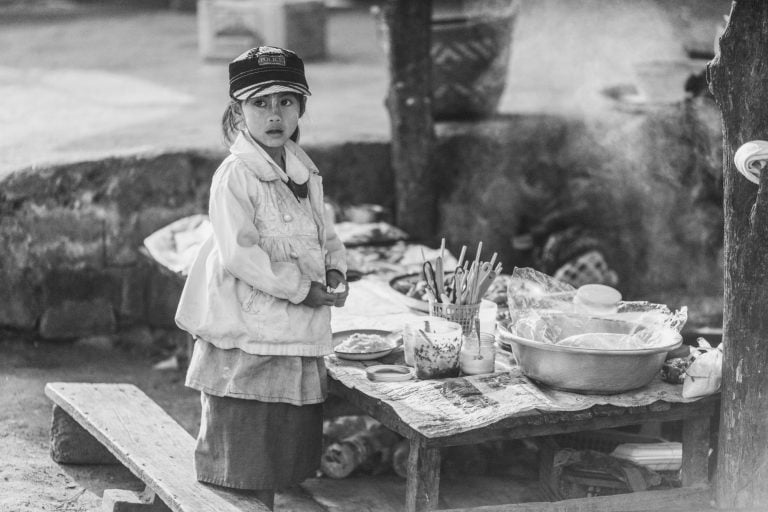

During the Great Depression, families had to get creative with what they had, including cheap staples & garden veggies. They’d also use whatever leftover scraps they had. Here are some of the foods people ate back then. Which one of these would you like to try?
Featured Image Credit: Shutterstock.
Potato soup
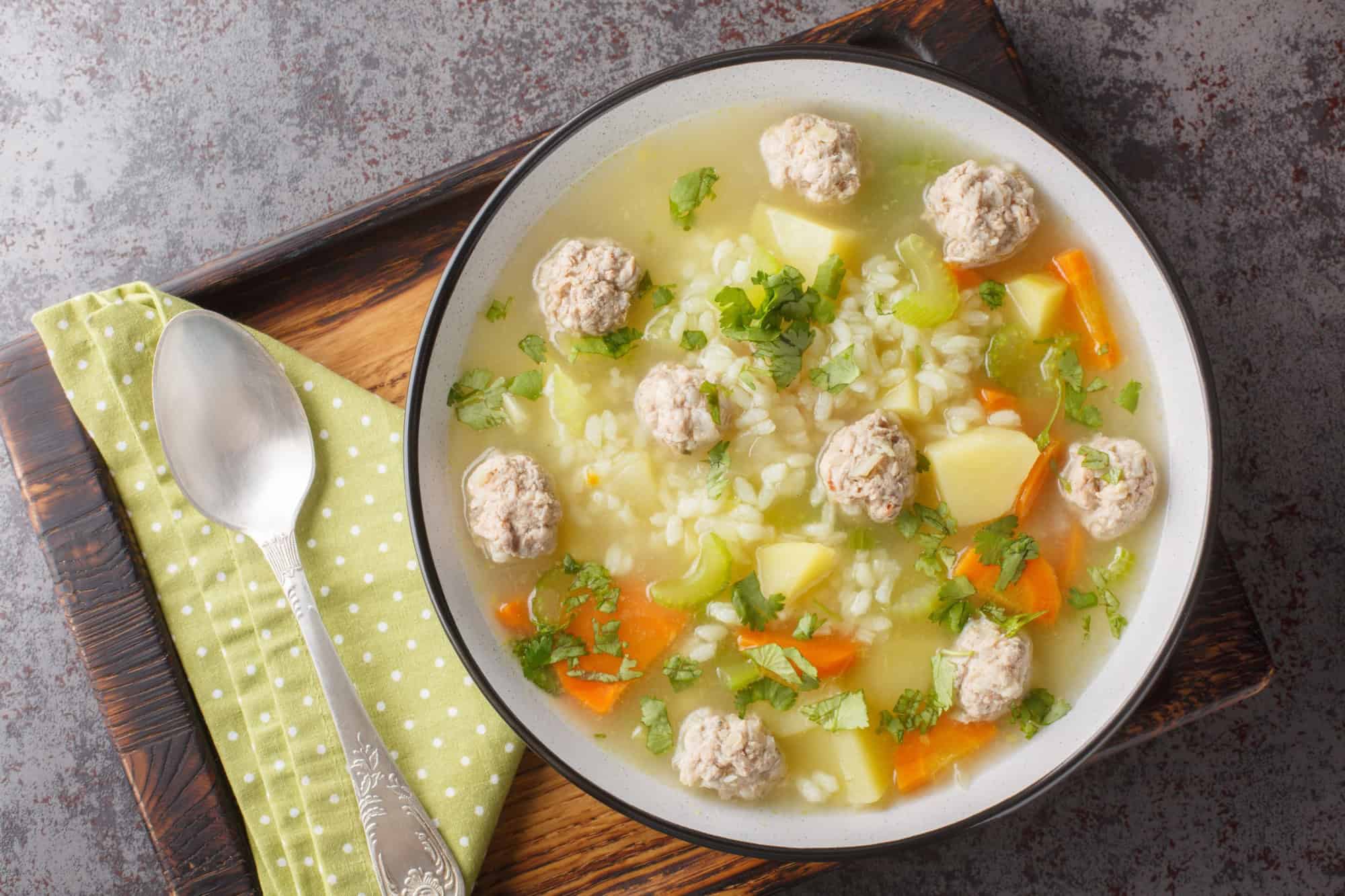
When money ran thin, a big pot of potato soup often saved the day, and it usually started with peeled spuds & chopped onions. Those lucky enough to have flour could thicken it & a splash of canned milk made it feel special. No, it wasn’t fancy. But it filled stomachs and used what people already had sitting around.
Cornbread
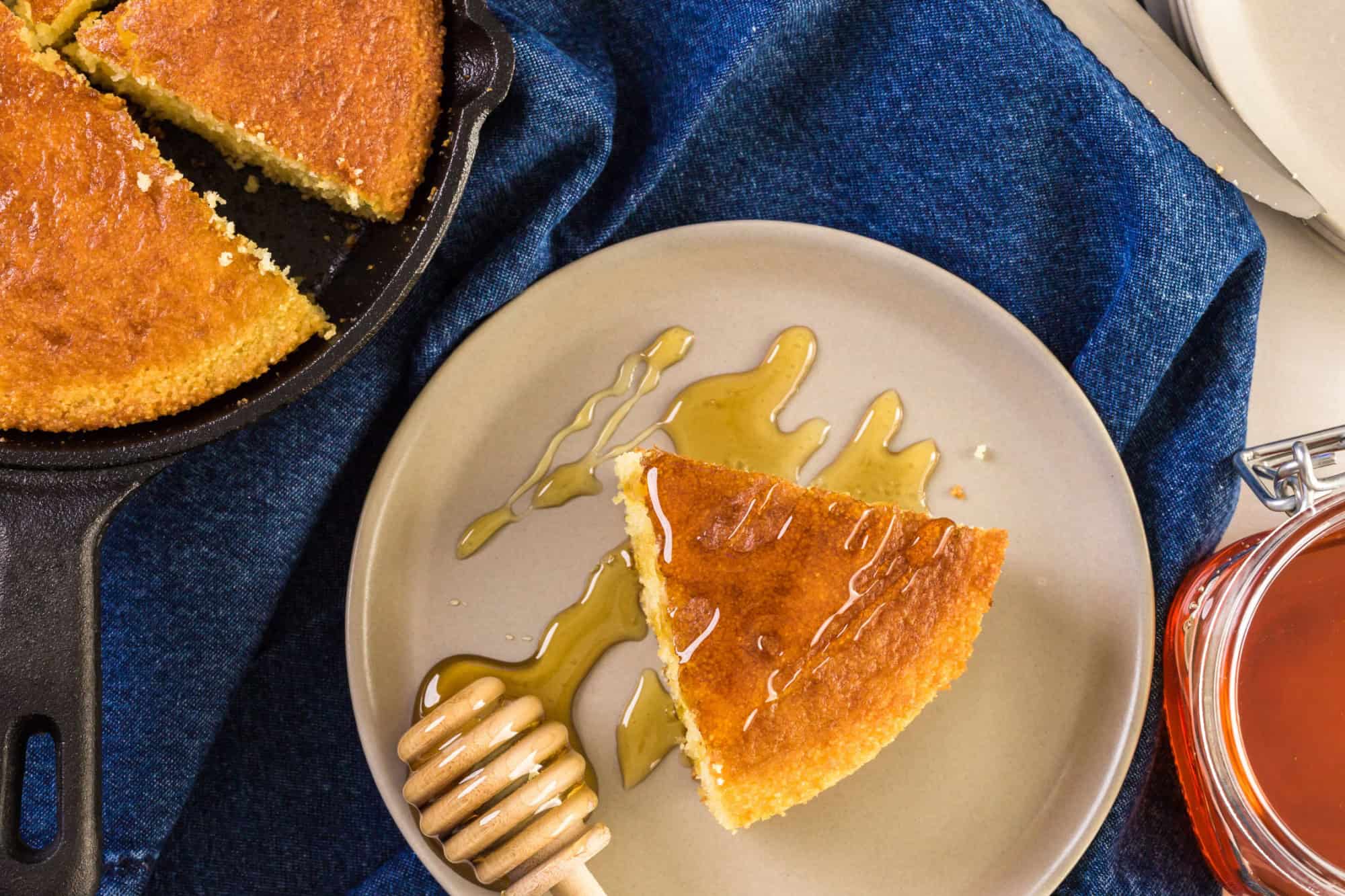
Since cornmeal is cheap and doesn’t need yeast, many people made cornbread during the Great Depression. They mixed it with a bit of buttermilk, or plain water if that’s all there was, and then poured it into a hot cast-iron skillet. They then baked it until the edges crisped up. A square of cornbread next to beans or greens was a weeknight ritual in a lot of homes.
Cabbage-based dishes
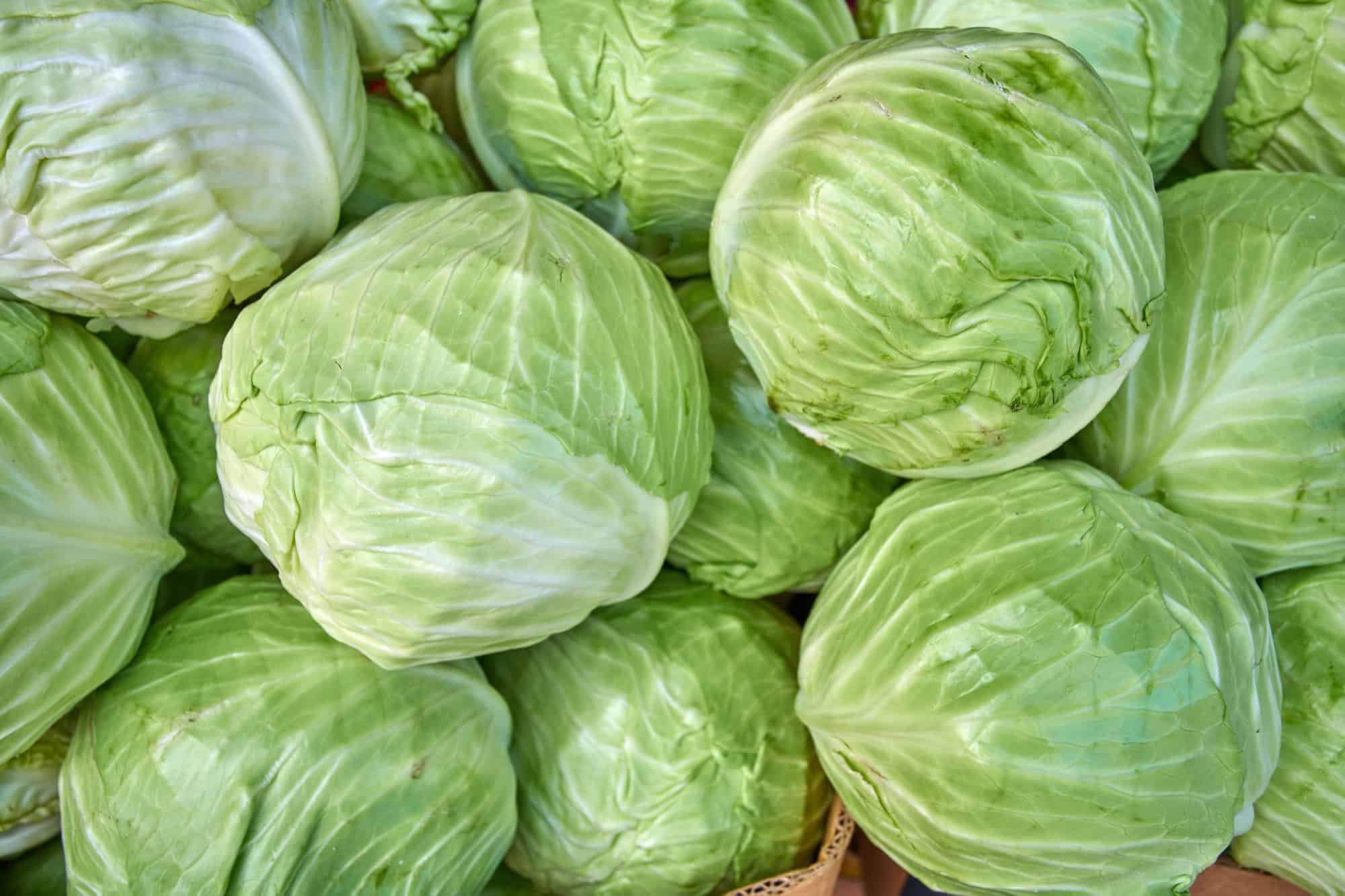
Sure, cabbage doesn’t sound exciting. But it was everywhere because it stored well & cost very little, and many families fried it with onions. Others just boiled it into soft wedges. Creamed cabbage was a common trick, too, and people would stretch milk & butter when they had it. It was more common on the table than most other vegetables.
Casseroles made with leftovers
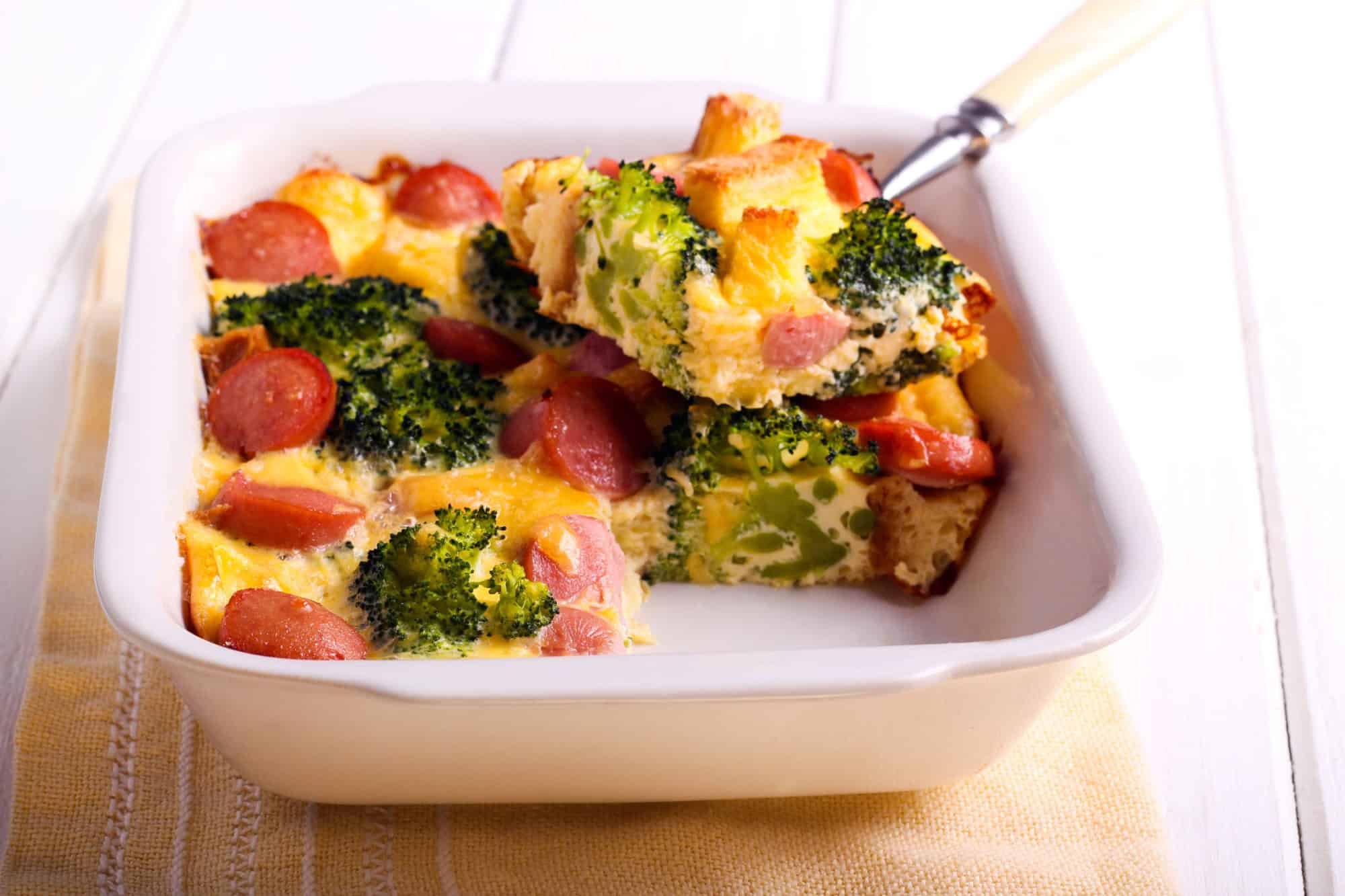
Nothing went to waste. That meant that people threw bits of yesterday’s vegetables & meat scraps together, along with starch like noodles, and then baked them into a casserole. They’d also use rice. Simply throw it in the oven, let it bubble, and dinner’s done, without using a lot of extra fuel or ingredients.
Oatmeal as a staple breakfast
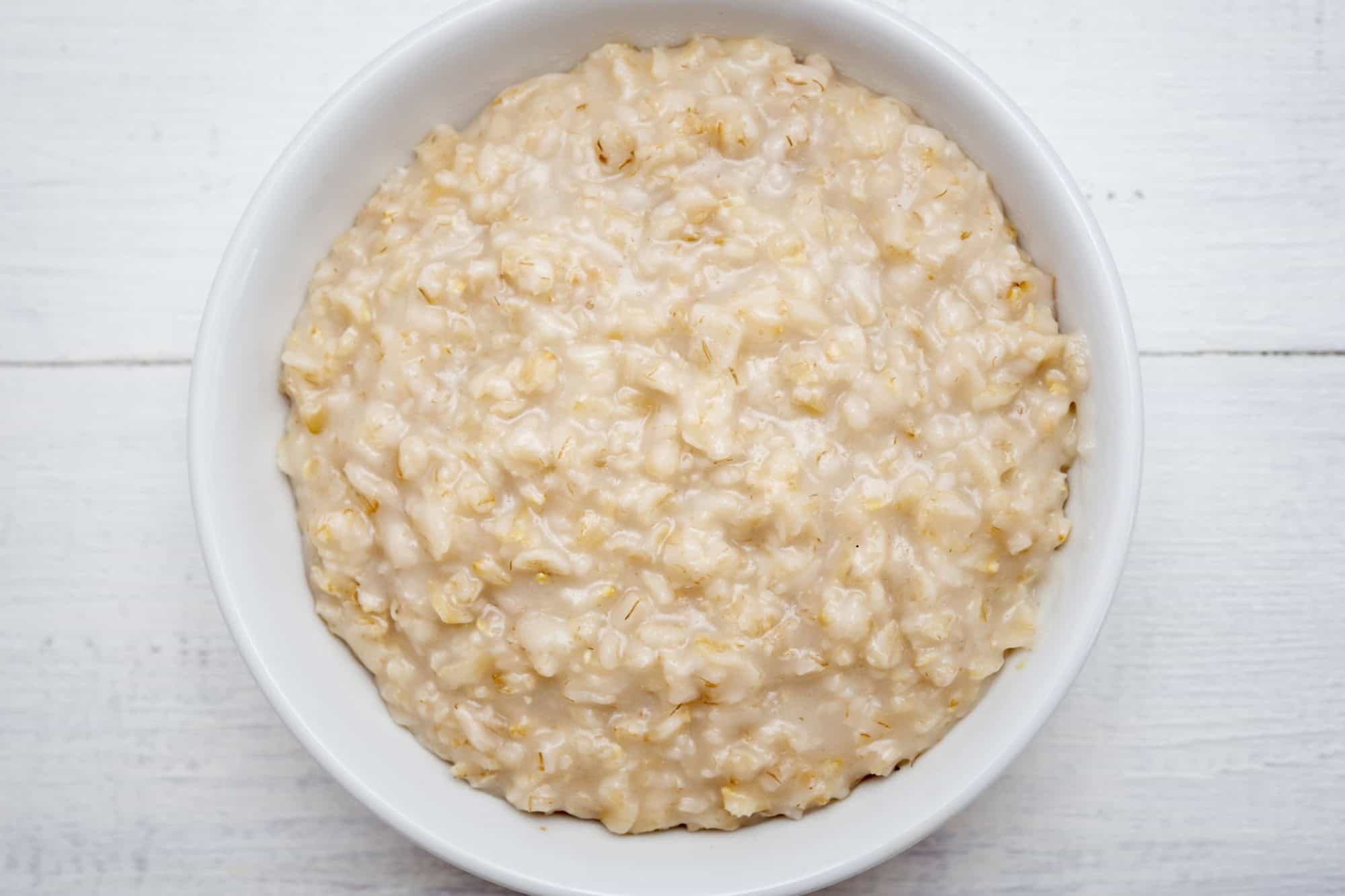
Most mornings started with a steaming bowl of oatmeal because it was cheap & quick. A few of them added a spoonful of molasses or chopped apples from the backyard tree to take it further. They’d sometimes fry up leftovers the next day to make sure they wasted nothing.
Dandelion greens
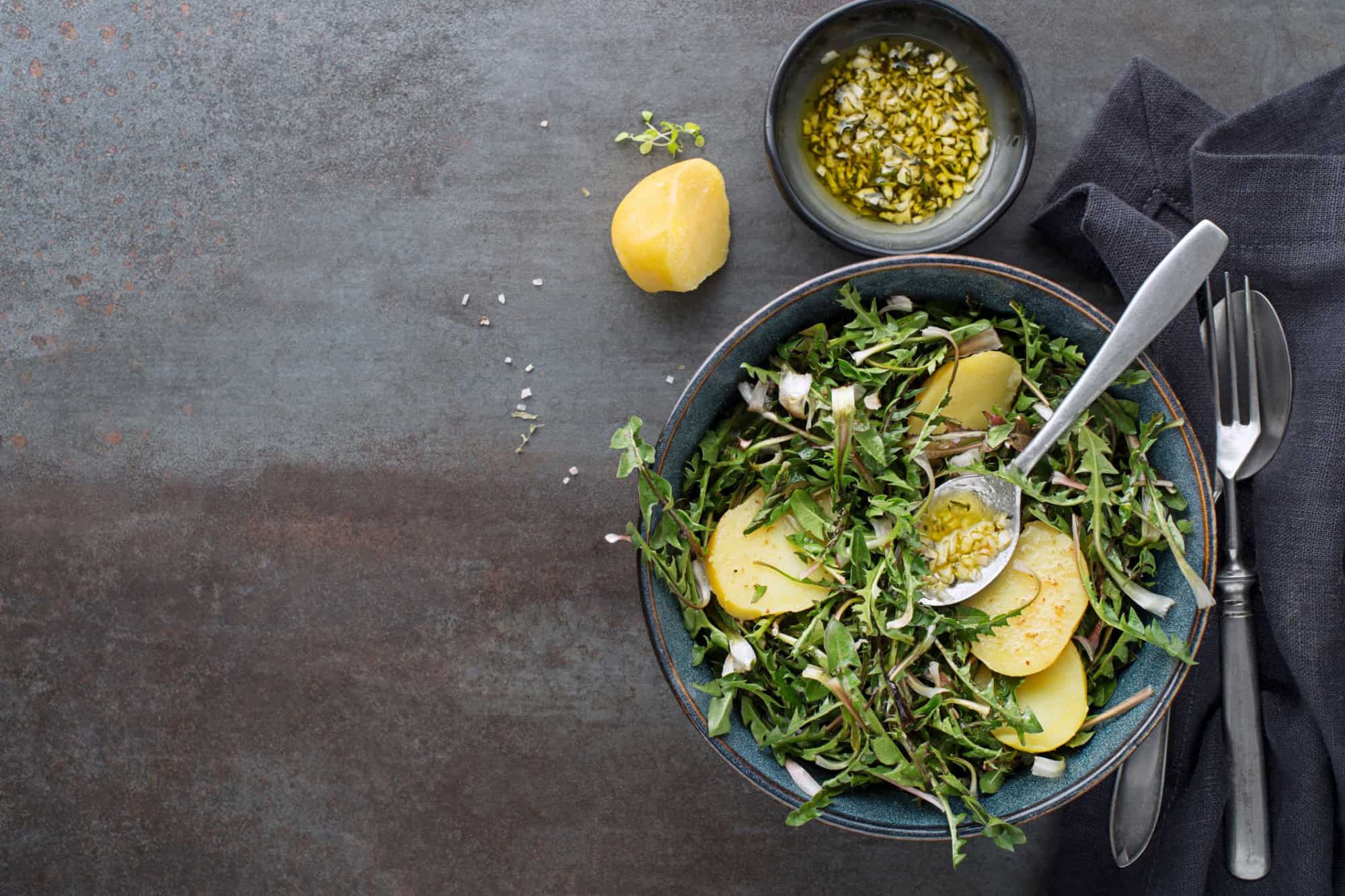
Sadly, stores occasionally ran out. When that happened, people turned to whatever was sprouting outside, and dandelion greens were one of them. These popped up early & people picked them young, before they turned bitter, then boiled or sautéed them. This was usually with a little pork fat for flavor.
Bread-and-dripping meals

Bread & drippings is, essentially, a slice of bread spread with whatever grease was left after frying meat, like bacon fat or gravy. It made a cheap meal feel a bit heartier. Many kids grew up thinking this was totally normal. And that’s because it was.
Rice and beans combinations
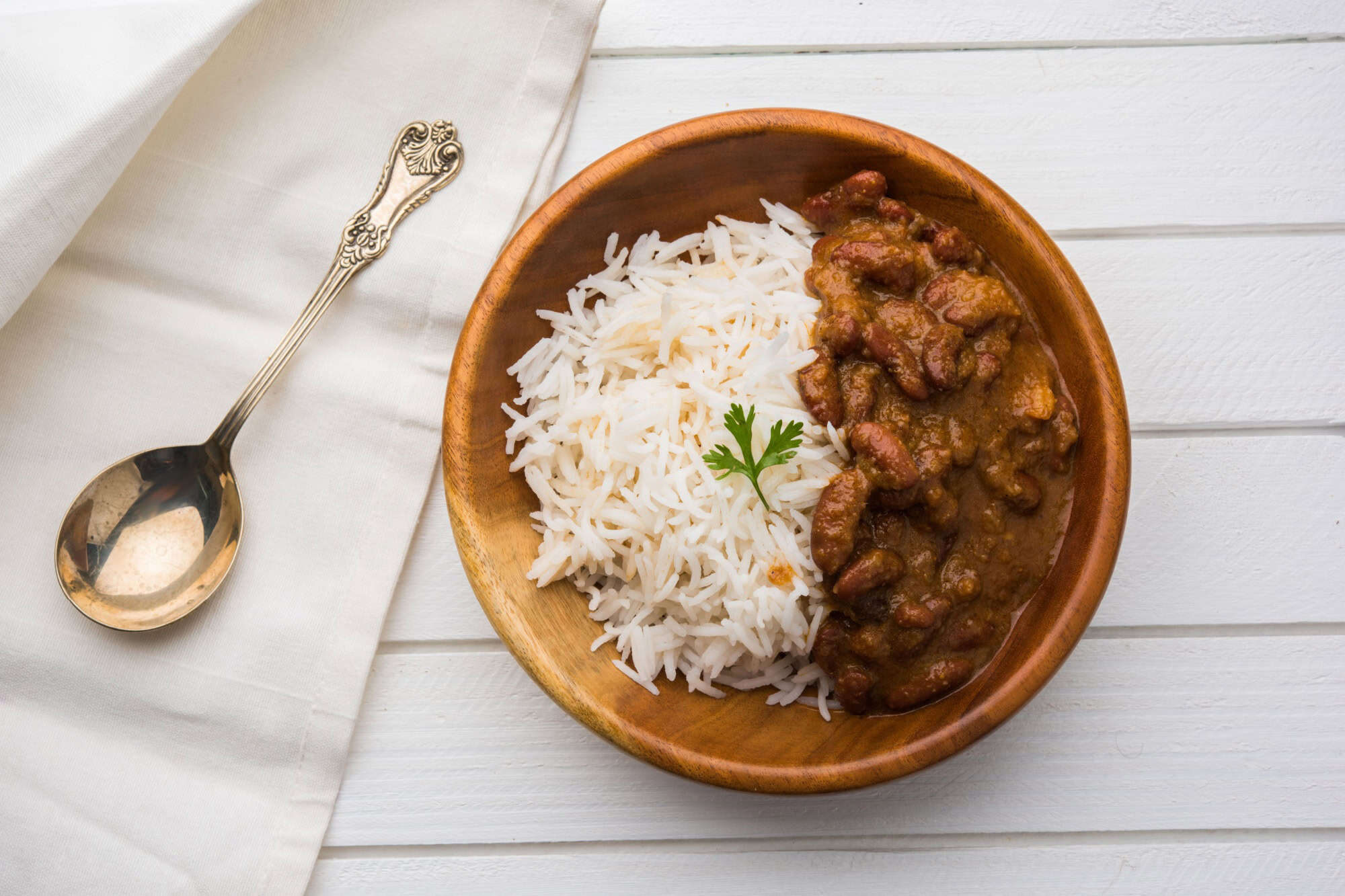
Really, you can’t go wrong with beans & rice to get through the week. Many people in the Great Depression simmered a pot of pintos or black-eyed peas slowly and seasoned it with salt pork if they had some. Finally, they spooned over some rice. Such a meal filled everyone up & kept costs low.
Depression cake
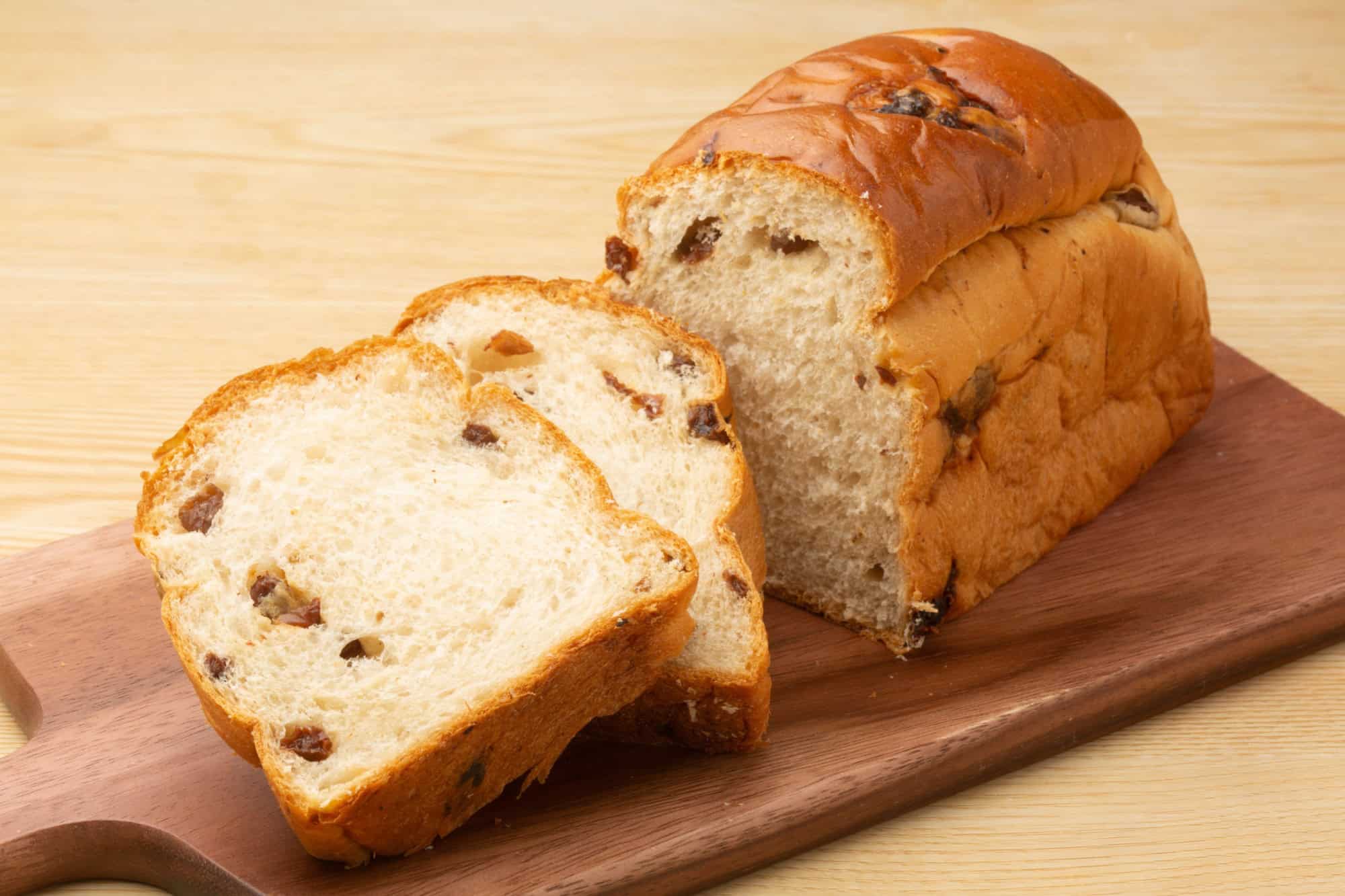
Baking didn’t stop just because ingredients got expensive. No, home bakers made what they called “Depression cake,” which was a spiced raisin cake with no eggs, milk, or butter. They boiled the raisins with sugar & water. Then, they’d stir in flour & baking soda before baking it, and while it had a different texture than regular cake, it was usually good enough.
Stews with minimal meat
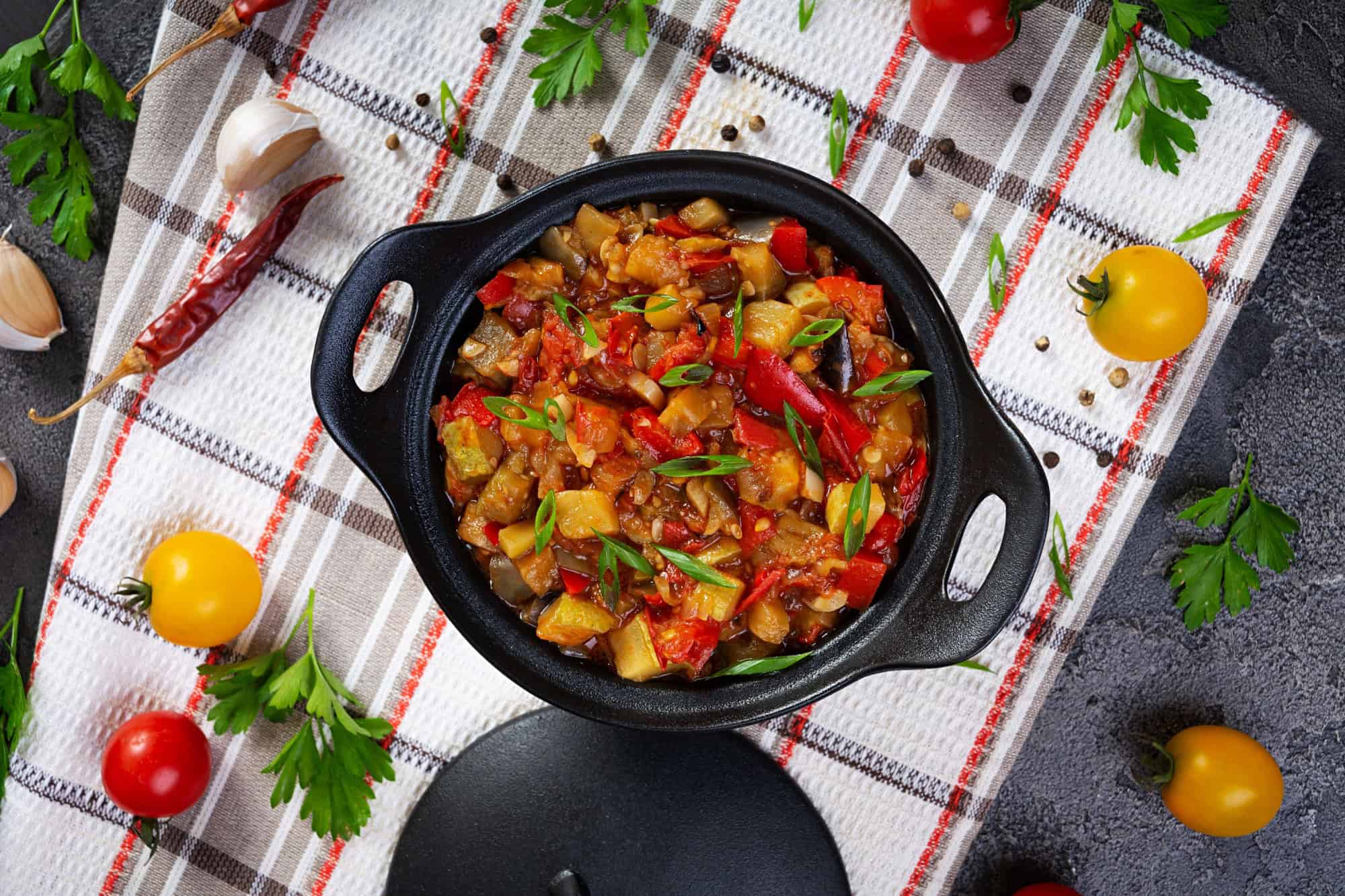
So many kitchens had a pot simmering on the stove with whatever was around, including potatoes, carrots, cabbage, maybe a bone or two for flavor. But the meat wasn’t the main part of the meal. Instead, the goal was to cook the dish long enough so that everything blended together into something comforting & filling.
Sources: Please see here for a complete listing of all sources that were consulted in the preparation of this article.
Like our content? Be sure to follow us.