
Some U.S. cities are far more sleep-deprived than others. In fact, an Innerbody study tracked how long people actually sleep & the numbers are quite surprising. Which city sleeps the least? That’s what we’re going to find out.
Featured Image Credit: Shutterstock.
Top city with shortest average sleep

Honolulu takes the crown for shortest sleep, and it’s not even close. More than 4 out of 10 adults there say they regularly get less than seven hours of sleep a night, which is a higher share than any other major U.S. city. Yes, Hawaii is paradise, but it’s apparently not a sleepy one.
Second and third worst cities

Norfolk, Virginia, comes in right after, followed by New Orleans. Both cities have big populations working late or odd hours, along with a rather lively nighttime scene. A SmartAsset report found that 41.1% of adults in Norfolk and 39.4% of adults in New Orleans sleep under seven hours. That’s hardly the restful reputation you’d expect.
Noise, nightlife, and work hours

Some cities just never seem to quiet down, thanks to the noise of traffic hum & late-night bars, as well as construction crews starting at dawn. Then there are the people working the night shift. The Department of National Transportation found that a fifth of American workers don’t have a typical 9–5 schedule, so their sleep hours are squeezed between other people’s daytimes.
Climate and weather impact
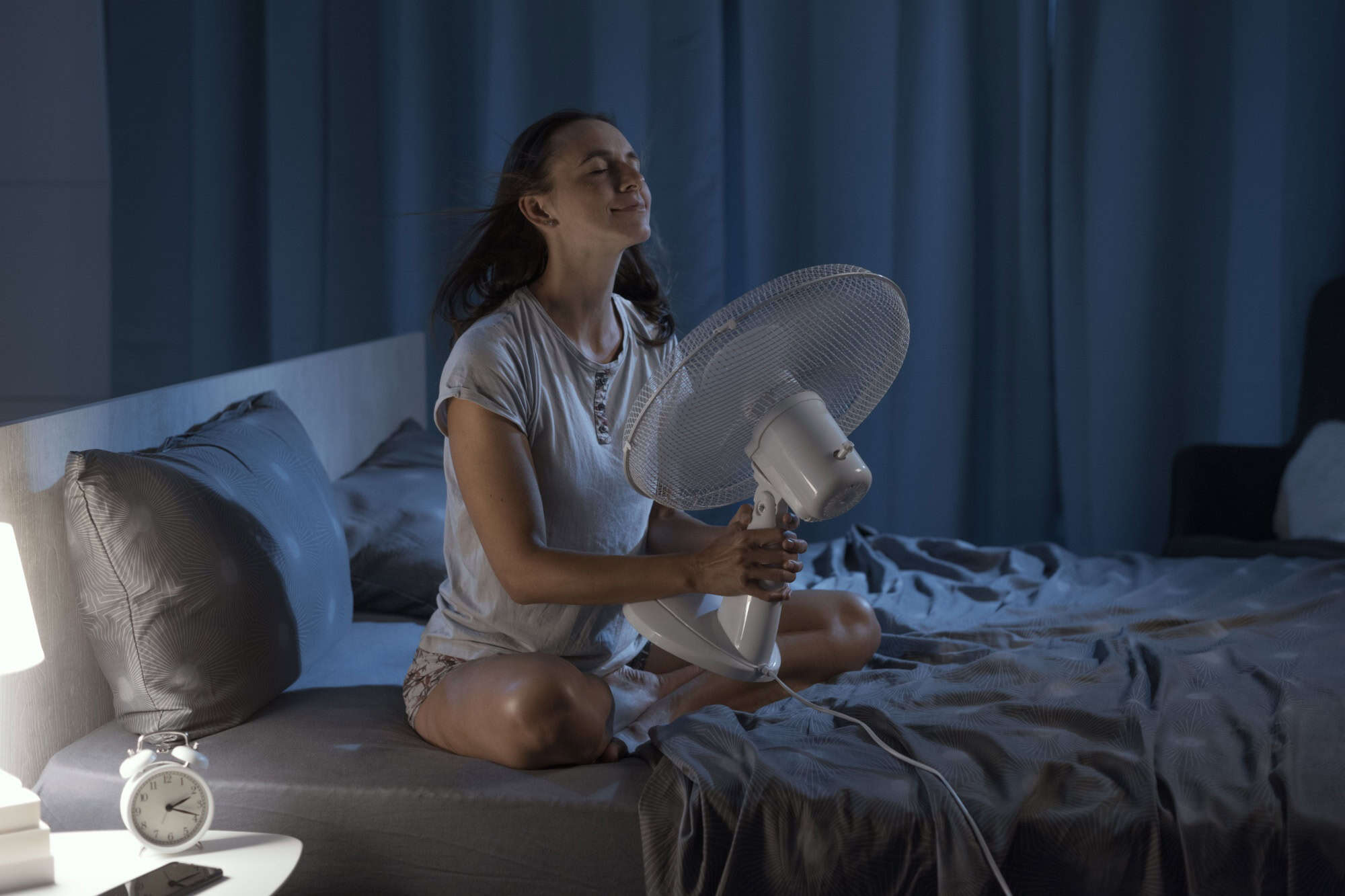
Hot nights mess with sleep more than most people realize. When overnight temperatures climb, our bodies struggle to cool down & that affects our ability to rest properly. It’s especially a problem in cities in the South and along the coasts, as they spend long stretches of the year with sticky, warm nights.
Air conditioning access & bedroom cooling
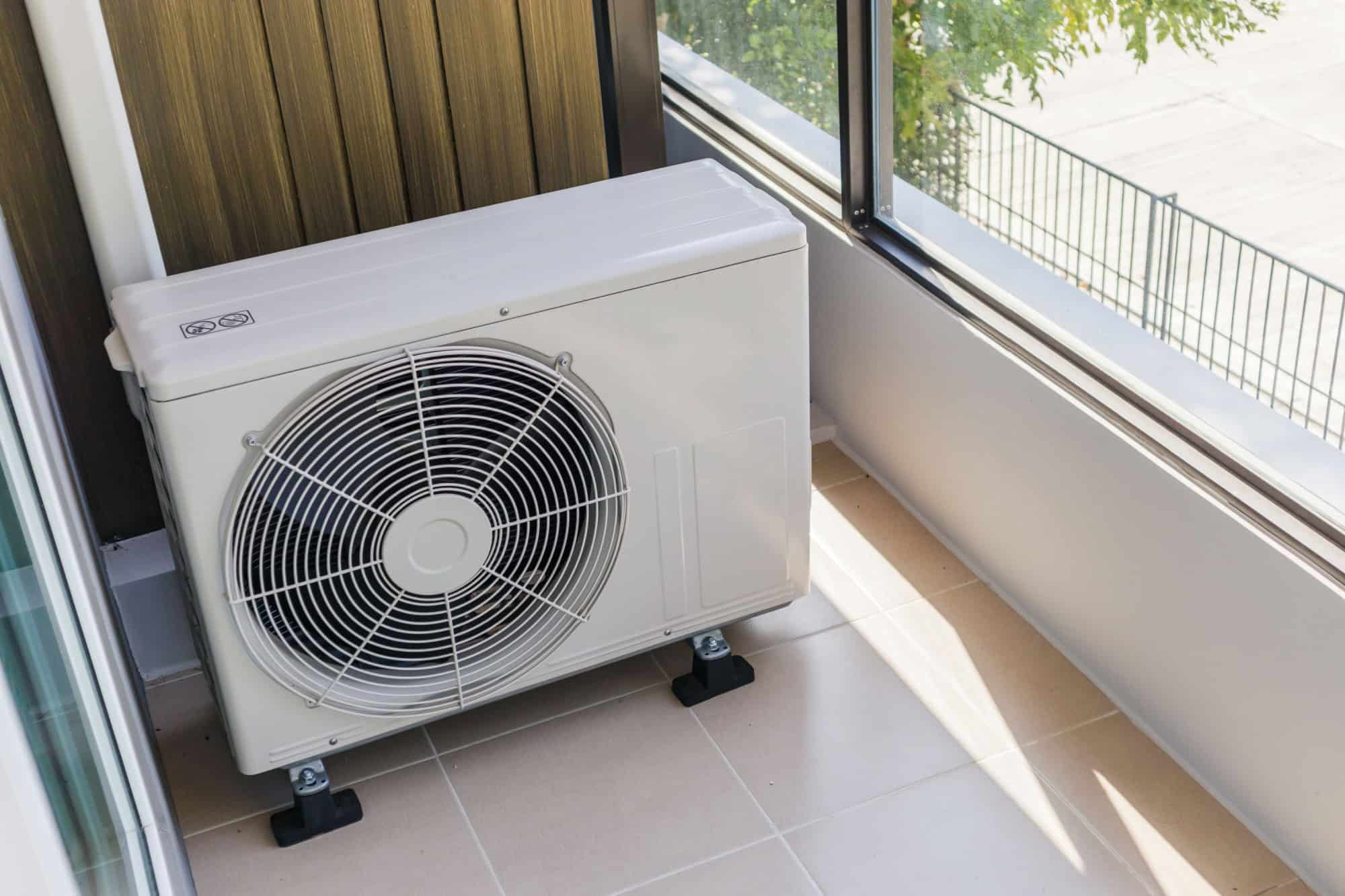
Sadly, not every state has the same access to cooling since the numbers drop sharply in places like Hawaii & parts of California. In Hawaii, only a small share of homes have central AC, and most people rely on fans or single-room units. These don’t always keep bedrooms as cool overnight.
Time zone position & later sunsets

Where a city sits inside its time zone also affects your sleep. Areas on the western edge get extra evening sunlight & residents there typically sleep less than people living on the eastern edge. This change can add up to a lot of missed hours for people who already go to bed late.
Daylight saving time & spring sleep dip

There’s also the issue of daylight saving time. On the Monday right after daylight saving time begins, adults in the U.S. average roughly 40 minutes less sleep than usual, and that lost hour isn’t made up quickly. It can take several days for people’s schedules to settle back into their normal rhythm, and that’s if they manage to do so.
Commuting times linked to sleep loss

You might’ve noticed that long drives seem to eat into everything, and commuting takes away your ability to sleep. In places where people regularly spend an hour or more getting to work, their actual pillow time tends to shrink. It’s a rather big issue in cities like New York & Chicago.
Economic stress correlations

Unfortunately, money worries tend to follow people into bed & sleep data from the CDC shows this is a serious problem for people in lower-income brackets. They’re far more likely to sleep less than seven hours compared to those earning more. The gap is around a 9-point difference between the top & bottom income groups.
Mental health links to short sleep
There’s also a strong connection between how much people sleep & how often they report feeling mentally strained. In fact, adults who regularly sleep less are more than twice as likely to have had frequent mental distress, according to the CDC. Such numbers represent more than a rough week here and there. They’re a consistent pattern across states.
Expert tips for city residents

Thankfully, sleep experts have some simple advice that works in any zip code. You should keep your room cool at around the mid-60s & block out light. You should also cut screen time before bed & try wearing earplugs or use a white noise machine to drown out noisy neighbors. Also, you should stick to the same bedtime.
Sources: Please see here for a complete listing of all sources that were consulted in the preparation of this article.
Like our content? Be sure to follow us.


