
A lot of historical figures are remembered for their power and genius, but then there are the others, the ones that history remembers because they were downright unattractive.
A face made for jokes
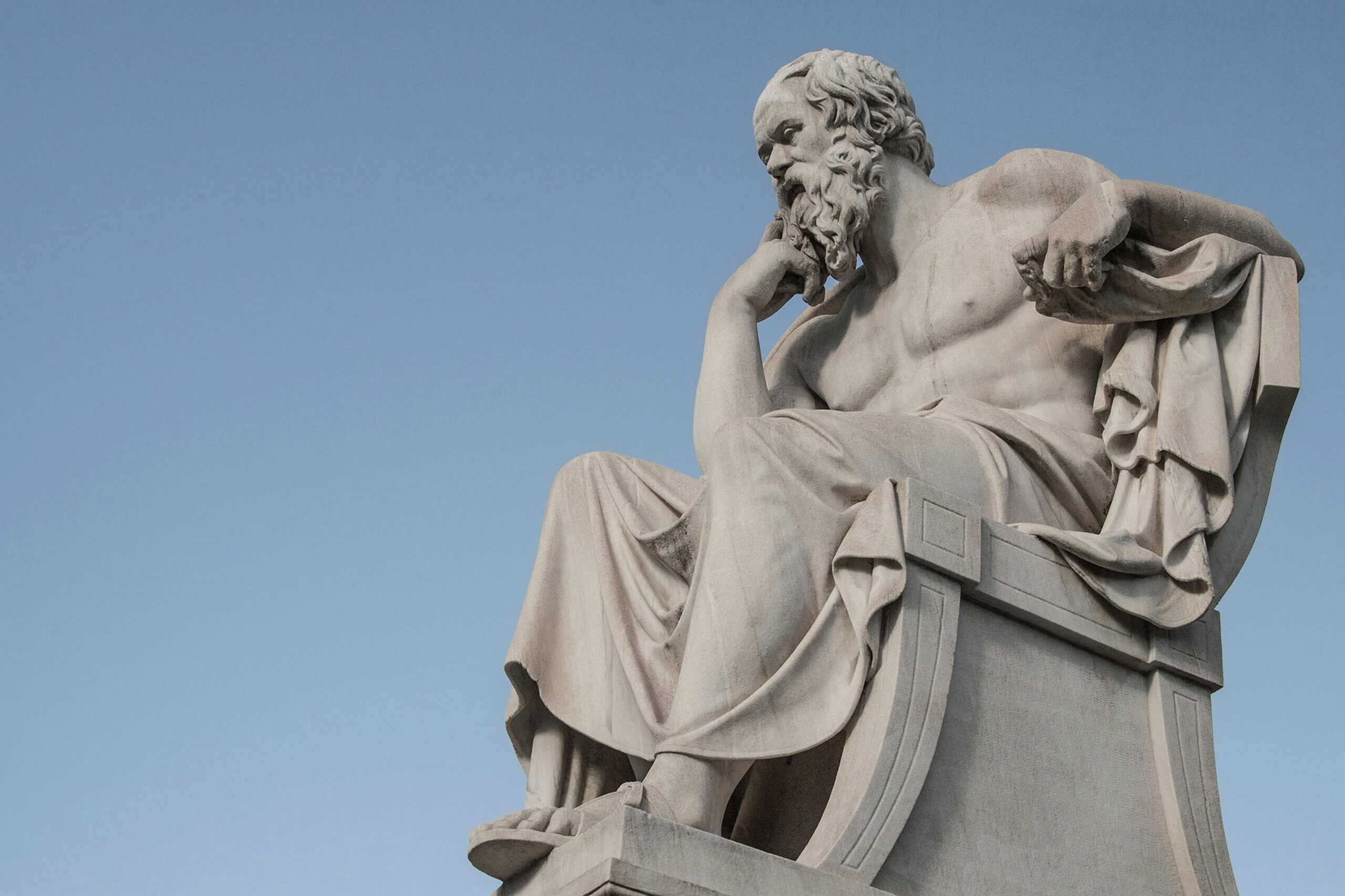
Ancient Greeks didn’t exactly carve Socrates into marble because he was their ideal version of a man, far from it. Writers at the time said he was ugly because he had a snub nose, thick lips, and bulging eyes. He also wasn’t physically fit, apparently.
Plato also compared him to satyrs, mythical humanlike creatures with horse ears and tails. Ouch. But don’t let that upset you, as Socrates himself went along with the criticisms and even made jokes about his own face.
The storyteller’s rough start

It’s a fact. Nobody knows what Aesop really looked like. However, the descriptions some people wrote about him weren’t exactly nice, and they actually called him ugly. He’s described as being deformed and strange-looking in some stories, while others say he was squat.
He supposedly had crossed eyes and a blunt nose, too. It’s unclear which of these descriptions is true, or if any of them are, but we know one thing, and it’s that people didn’t think Aesop was an attractive man.
What the family saw

Roman Emperor Claudius had a pretty difficult time growing up, and even his own family said that he was ugly. His mother, Antonia, claimed that nature had started him but not ‘completed’ Claudius.
Later, the writer Suetonius said that Claudius’s knees buckled and his head shook, while also claiming he had a runny nose when he was mad. Historians believe Claudius’s not-so-great looks may have been because he was disabled.
A mirror got involved

Suetonius also had a few things to say about the Roman emperor Caligula. He started with compliments, saying that Caligula was tall, but that was about it. Caligula was pale, badly shaped, thin in the neck, thin in the legs, and wide in the forehead.
He also said he had weird eyes and was balding. He was so unattractive that people made jokes about him looking like a goat, so he did what any ruler would do and banned any mention of goats around him.
The royal jaw went too far

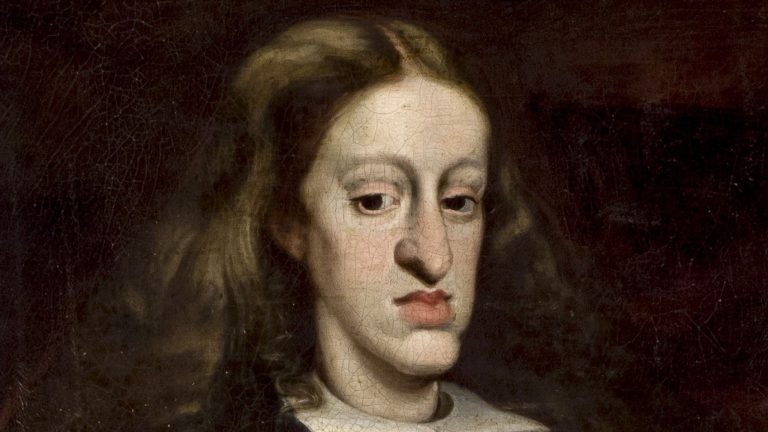
The Habsburg jaw was a physical deformity that affected many European royals, particularly Charles II of Spain, whose lower jaw stuck out a lot. He also had a long head. The strange jaw was the result of constant inbreeding among royal families, and Charles had it the worst.
His mother was his father’s niece, after all, while his grandmother was also his aunt. It was that complicated. For most of Charles’s life, he was sickly because of the inbreeding, and that didn’t exactly help him look any better.
The jaw became the portrait

The Holy Roman Emperor Leopold I was another man who suffered from the Habsburg jaw. Like Charles II, he also had a long face, but Leopold also had a heavy lower lip and wore a giant wig to balance it all out. It didn’t.
Some people actually called him grotesque, and rumor has it that he allowed artists making portraits of him to include his flaws. He wanted to show people that he was humble, although it’s not like you could hide that jaw, anyway.
The old hat didn’t help

It didn’t matter that Louis XI was the king of France because people still talked about how unattractive he allegedly was. He was as ugly as he was suspicious, along with being utterly ruthless with everyone around him.
Louis had a nose that was apparently too big for his face, while his body itself was almost skeletal. It didn’t help that he preferred to wear rough clothes and battered hats, or that he had the nickname, ‘the Universal Spider.’ Royalty can’t buy you looks.
Half an hour was enough
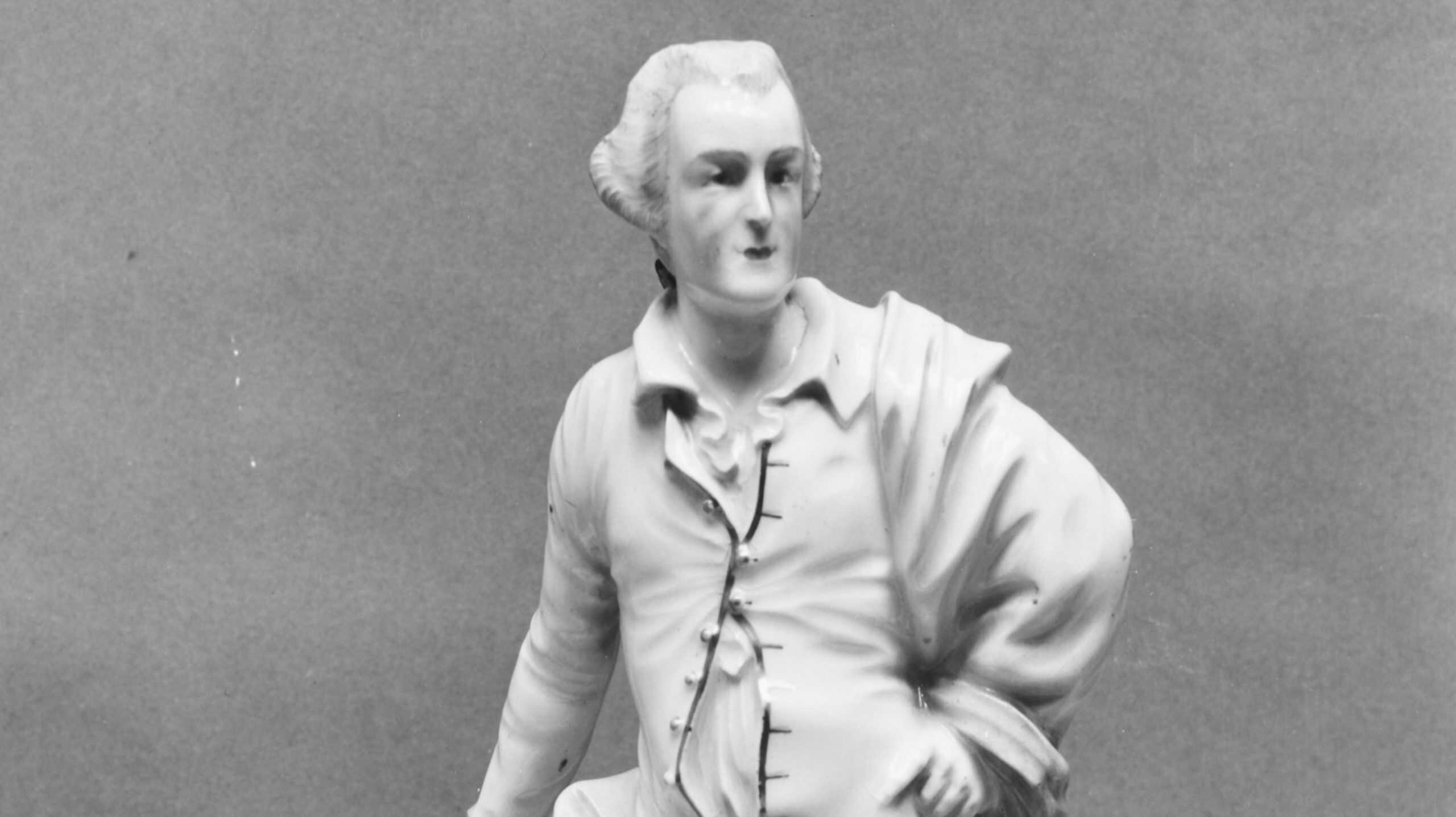
John Wilkes was the kind of guy who knew what people were going to say about him, so he made sure to make the joke before they could. You can’t blame him, really. He had crossed eyes and a squint, along with a long jaw.
In fact, his enemies called him the ugliest man in England because he was supposedly that unattractive to look at. But it’s not all bad. Wilkes actually told people that he only needed half an hour to ‘talk away’ his face because he was that charming.
Smallpox left its mark

Honoré Gabriel Riqueti, known as the Count of Mirabeau, began his life with quite a disadvantage. To start with, he had a large head and a deformed foot. He then suffered from smallpox, and although he survived, the disease left him with facial scars.
People started calling him the ugliest man in France because he was so pockmarked and he had a swollen face. Even his own father supposedly hated him because of his looks. He didn’t let that stop him, though, and became an important figure in the French Revolution.
The stammer came first

French politician Camille Desmoulins had two major issues. The first was that people didn’t think he was attractive, and the second was that he had a pretty painful stammer, so it didn’t seem like he’d have a great public life.
However, he overcame both of these to deliver speeches that helped lead to the Storming of the Bastille, which kick-started the French Revolution. Take it as a lesson to never let people’s opinions of you hold you back.
Ceremony got complicated

People wrote a lot about Queen Anne of Great Britain’s looks. They weren’t kind. She’d suffered smallpox and eye trouble, along with gout and repeated pregnancies, all of which took their toll on her body.
She actually had to be carried to her coronation in 1702. Why? Because walking was so painful for her. Writers didn’t hold back from criticizing her looks, and they called her ugly, gouty, and fat.
She wrote it herself

There’s no point in letting your enemies talk about your looks when you can do it yourself. At least, that’s what Elizabeth Charlotte, a member of the French royal family, told herself. She openly wrote about her own ugliness and gave evidence to support it.
Small eyes, a short thick nose, flat long lips, hanging cheeks, a large face, and a short, stout body, she knew what she was dealing with. Let’s not forget her smallpox scars. But unlike most people, she didn’t seem to care about covering her scars with heavy makeup.
One feature took over

Seventeenth-century writer and soldier Cyrano de Bergerac was often reduced to his nose, because apparently, it was that big. Yes, Edmond Rostand’s play about him did exaggerate Cyrano’s nose, but it really was quite big.
In the play, his nose is so big that even Cyrano considers himself ugly, and he’s too full of self-doubt to confess his love to a woman named Roxane. She later tells him that she loves him.
A lively mind, a rough label

Many people said they enjoyed being around the English philosopher George Henry Lewes because he had an infectious kind of social energy. They just didn’t like looking at him. He was short and slight, with a face covered in smallpox scars.
Despite all that, and his close friends calling him ‘the Ape,’ Lewes became known for being as funny as he was talkative. He was connected to a lot of important literary figures like George Eliot.
A diary didn’t blink

Catherine Read was a Scottish artist who made a name for herself by painting other people, although they weren’t great to her. Diarist Fanny Burney visited Read and wrote about how clever the artist was, while also saying she was ‘most exceedingly ugly.’
But that wasn’t all, as Burney went on to talk about how Read had a weird sense of humor and poor fashion sense, especially since her clothes were always very dirty. She did praise how shrewd Read was, however.
Sources: Please see here for a complete listing of all sources that were consulted in the preparation of this article.
Are you really a history buff if you don’t know these 13 facts?

History is so much more than royal families and wars, since there are actually some interesting facts that even some history buffs don’t know.
Are you really a history buff if you don’t know these 13 facts?


