

History is so much more than royal families and wars, since there are actually some interesting facts that even some history buffs don’t know.
Over almost right away

The award for the shortest war in history goes to the Anglo-Zanzibar War on August 27, 1896. It started with British forces fighting against Khalid bin Barghash after he took the Sultan’s throne. The Brits weren’t happy.
The British opened fire and hit the Sultan’s palace while also sinking the Sultan’s royal yacht, HHS Glasgow. The war then ended shortly after, 38 minutes since it had begun, with 500 locals killed or wounded and one British sailor injured.
Hidden in plain sight

The UK was hit pretty hard during World War II, and even the royal family was affected. They had to figure out what to do with all their jewels. So what did they do? Just take some of the stones out of the Crown Jewels and put them in a biscuit tin, then hide the tin.
They also took the Black Prince’s Ruby out of the Imperial State Crown and put it in there. Because, apparently, a biscuit tin is the safest place to hide some of the most valuable jewels in the world, not a vault or anything like that.
A warning with animals
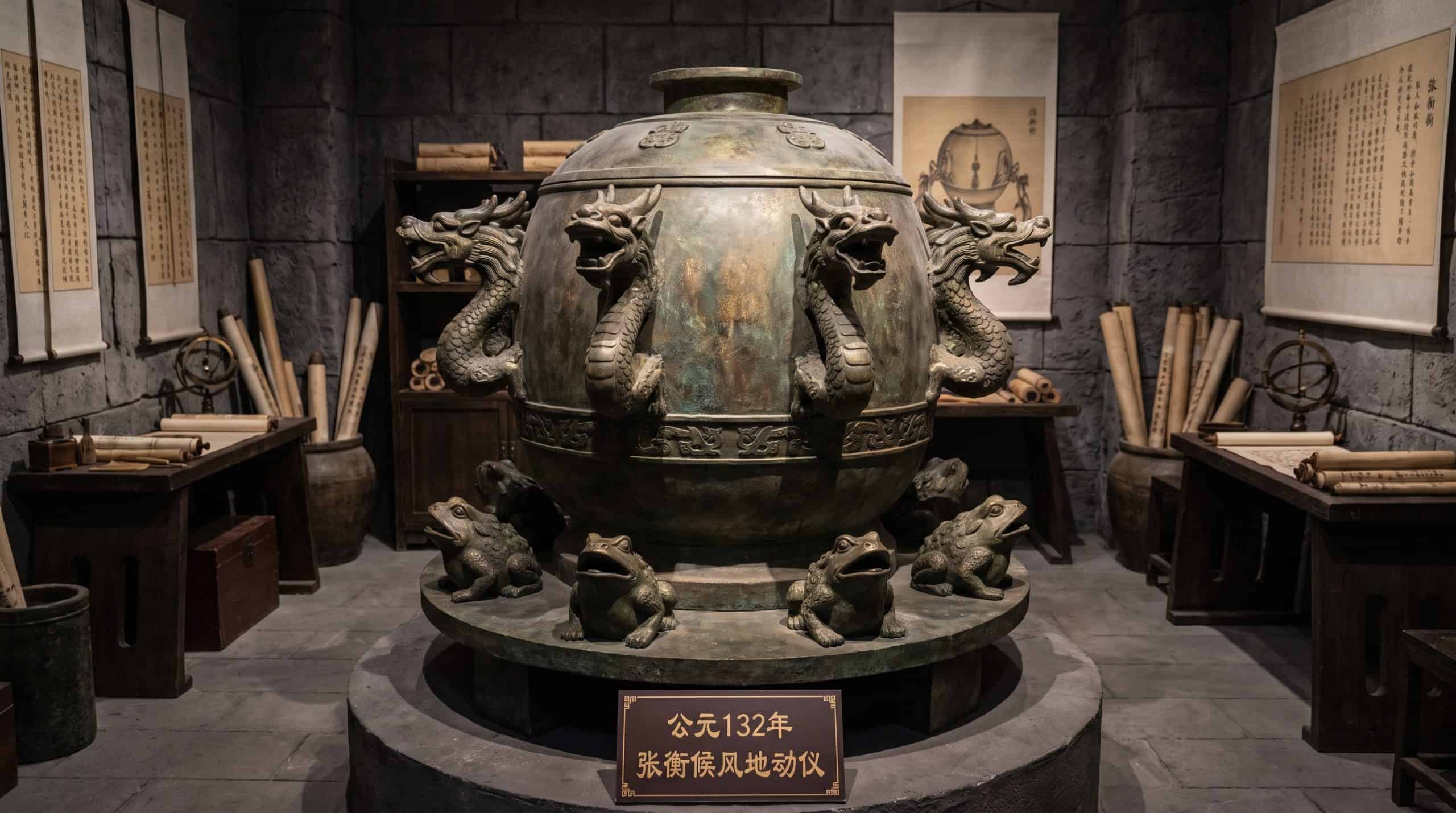
The ancient Chinese people were quite ahead of their time, and you can see that with their earthquake detectors. In 132 CE, Zhang Heng created an earthquake detector that had dragon heads around the outside and toads underneath them.
It had a pendulum inside it. When the ground moved, one of the dragons would drop a ball into the toad, and it showed whoever was watching the direction of the earthquake. Pretty sophisticated stuff, right?
Trouble in a tiny package
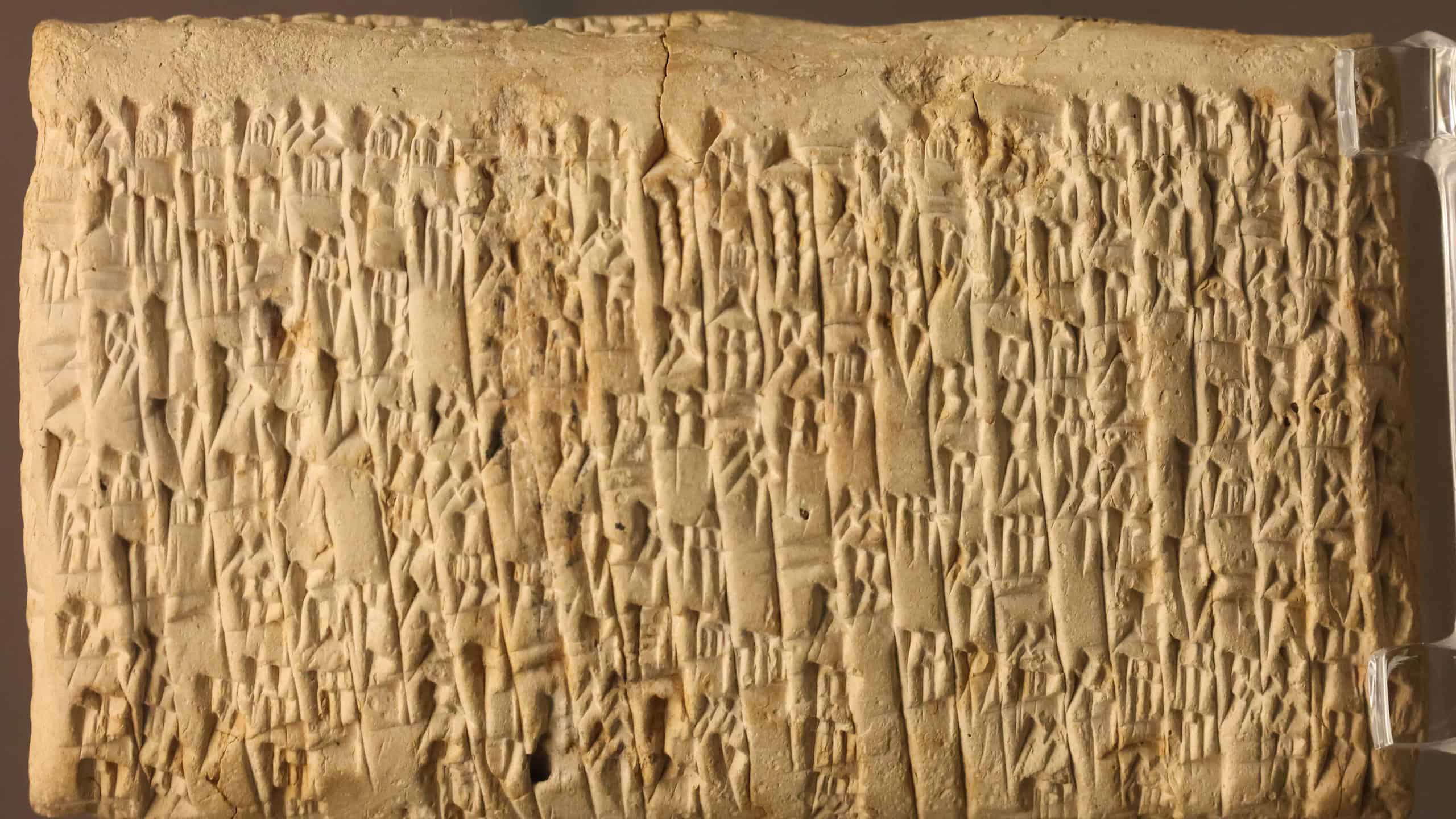
People have always had complaints, and one of the oldest customer service complaints we have comes from 1750 BCE. A man named Nanni was an unhappy buyer living in Ur, modern-day Iraq, and he wrote on a clay tablet to a merchant named Ea-nasir.
Nanni complained about copper ingots that he claimed were not the quality that he was expecting, and he also said his messenger had been treated badly. Who knew people had customer service issues back then?
A signature from long ago
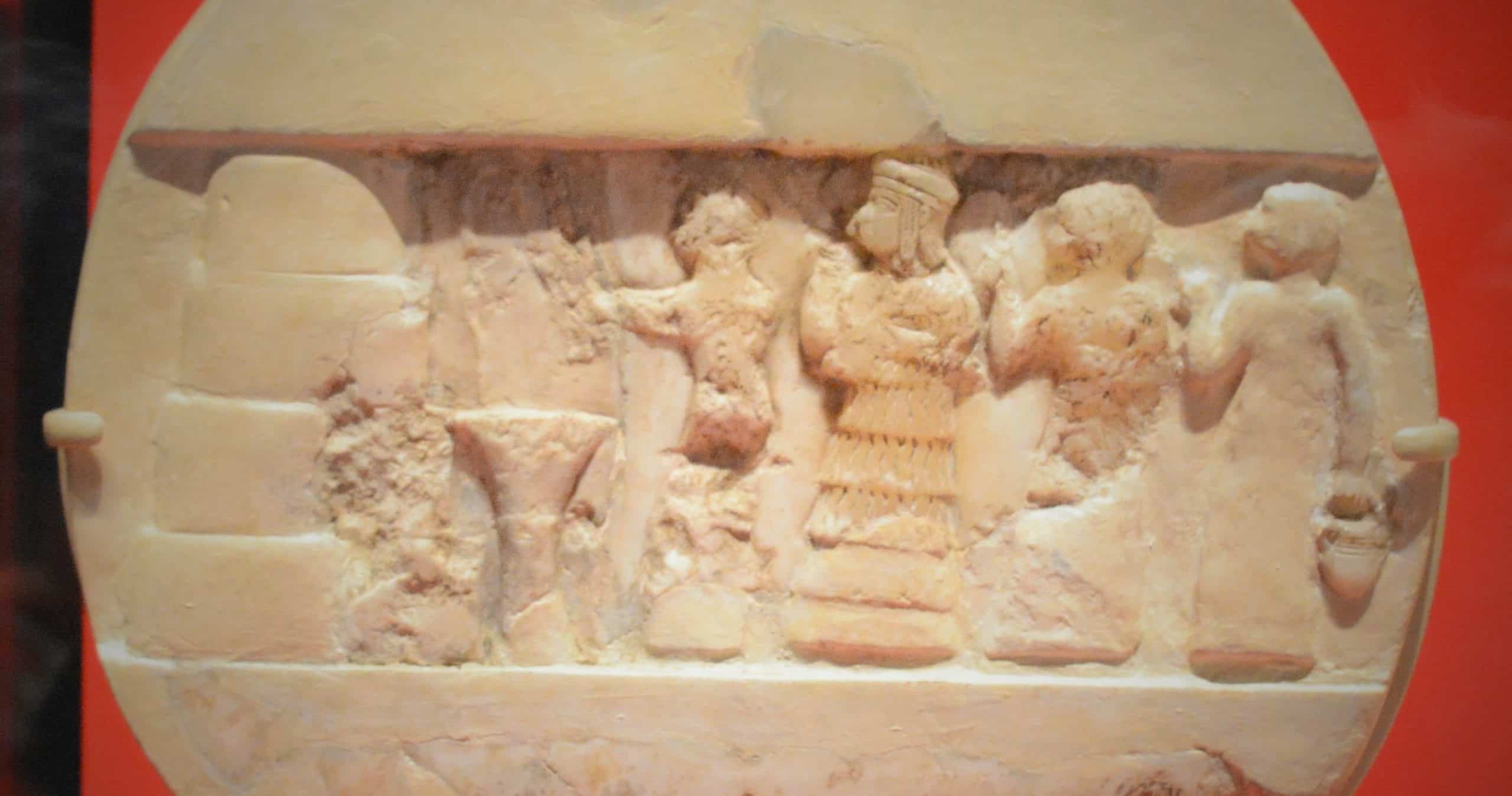
The first named author in history wasn’t who you might expect. She was actually a woman named Enheduanna who lived around 2300 BCE in ancient Mesopotamia, also in modern-day Iraq. She was a high priestess in the local area.
Enheduanna wrote hymns about the goddess Inanna, and her father was Sargon of Akkad, who had his own claim to fame. He’s the first person in recorded history to rule over an empire, so it seems like this was a family of firsts.
Something in the ration

It took a lot of work to build the pyramids of Egypt, so it’s no surprise that the workers were given some good benefits. One of those was being paid in beer. Yes, in those times, beer was a normal part of ancient Egyptian rations, including for workers on royal building projects.
They had a choice. Did they want to get the beer as part of their pay or part of their food allowance? It wasn’t like beer today, though, because it was a lot thicker, although it was around 3% to 7% ABV.
Records you could touch
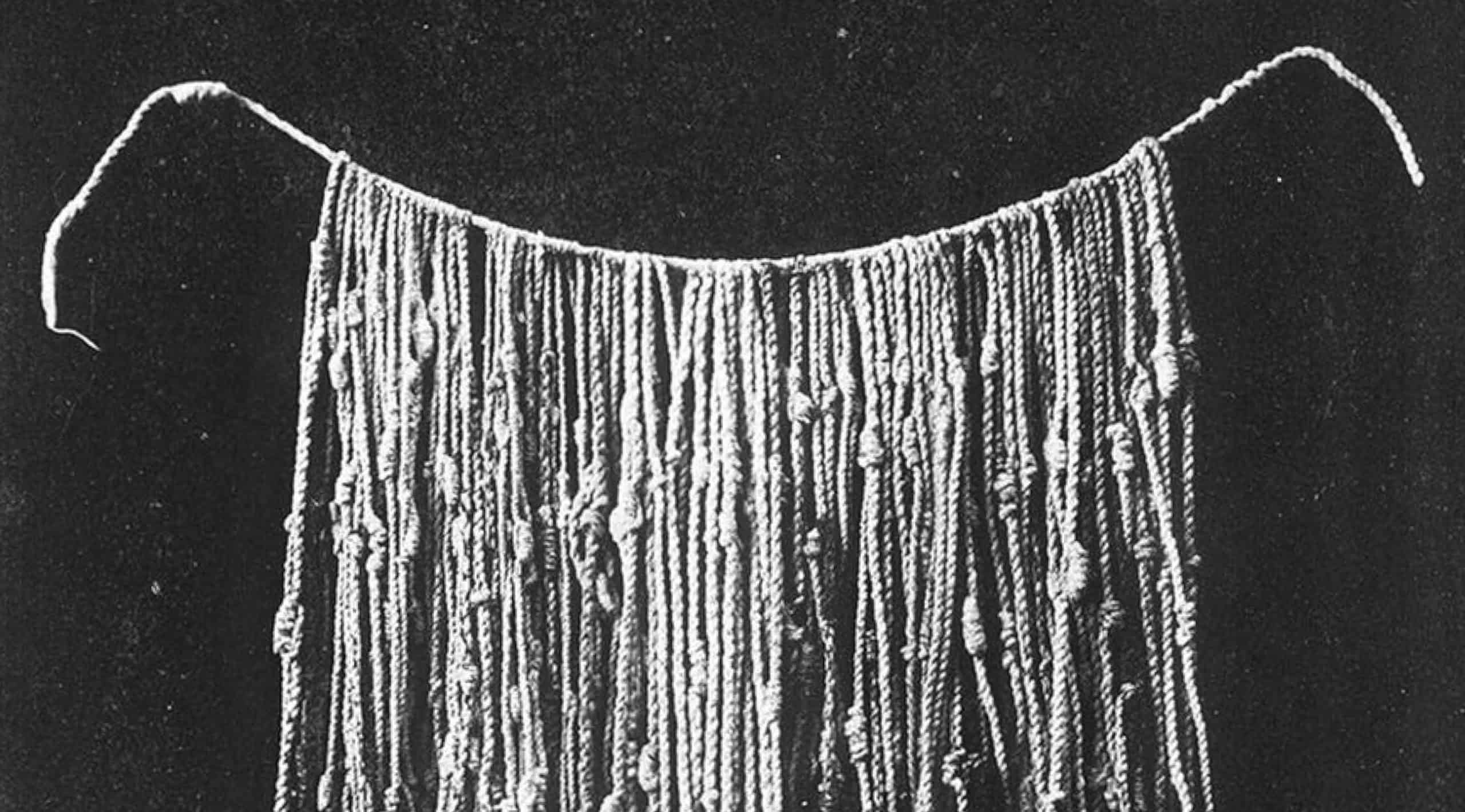
While the Incas had a huge empire, they ran it all without writing. At least, not in the ways you might expect. They used something called quipus that were essentially like knots with colors and spacing that only trained record keepers could read.
The Incas used the quipus to track labor, population, goods, production, and other things, using a decimal system. All of that on a piece of string. Sounds pretty difficult.
Fresh water in a hard place
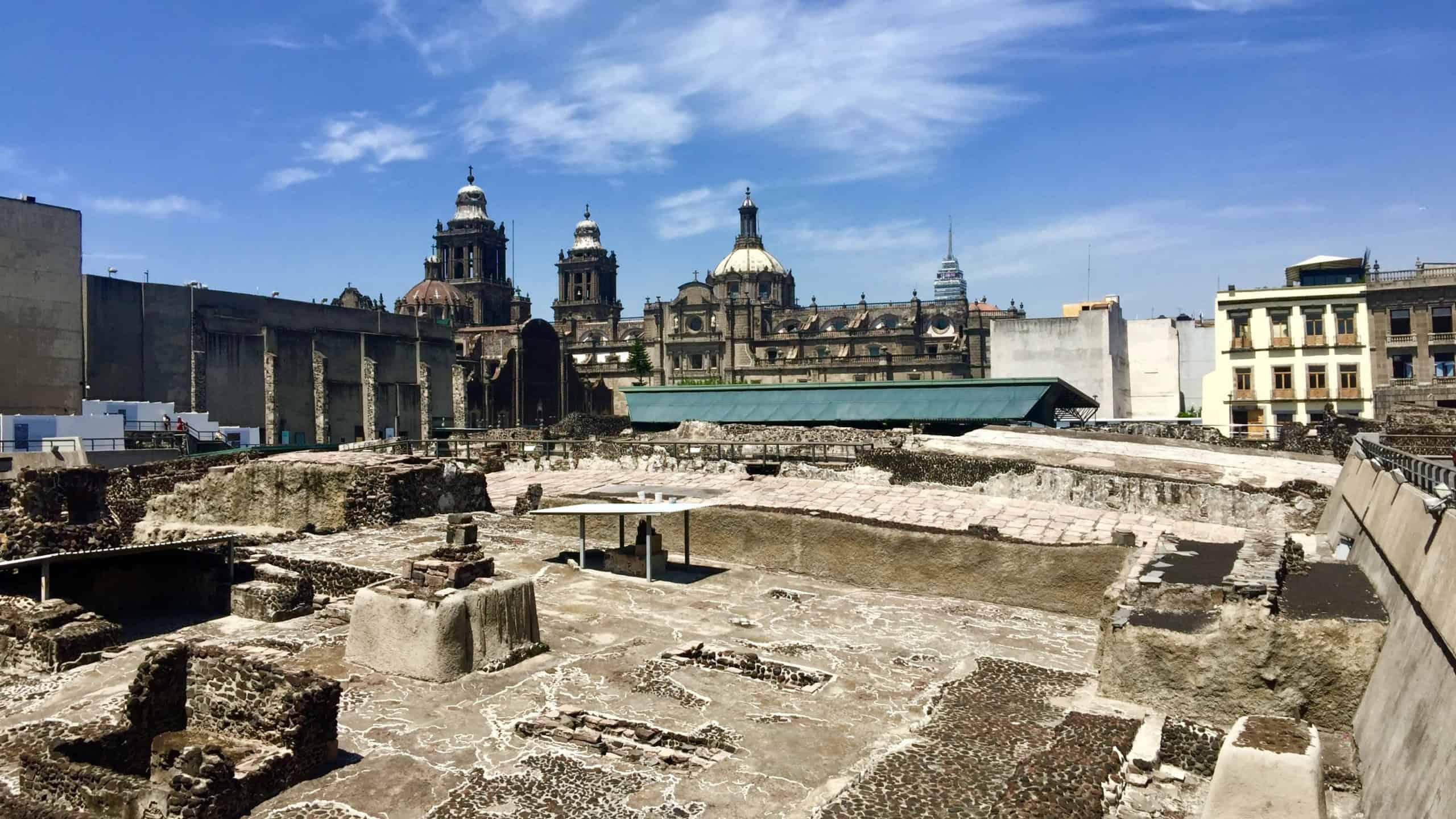
Tenochtitlan was the capital of the Aztec Empire, and it was built on an island. Sounds great, right? Except for the fact that people needed to get clean water somehow, so the Aztecs built aqueducts to get water from the mainland springs.
They also had waterways for waste collection by canoe and public privies. It was a pretty advanced system for the time, especially when you consider how many European cities were dealing with much dirtier streets back then.
Paper made it legal
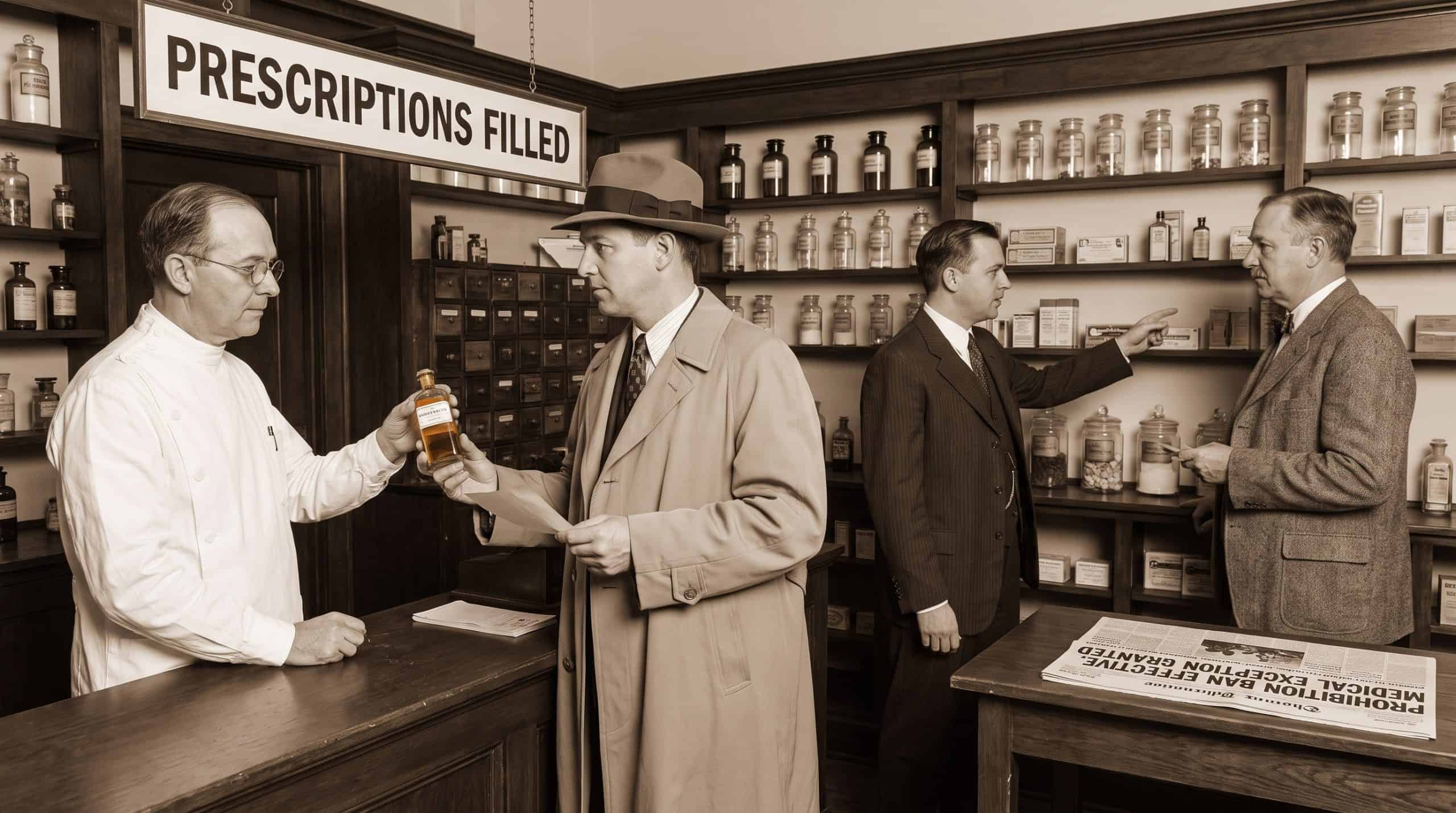
Prohibition. It was one of the most controversial periods in American history, although there was more to the story than some people know. Alcohol was mostly banned, yes, but doctors were legally allowed to prescribe alcohol as a medicine, and pharmacies could fill the prescription.
It was usually just whiskey or brandy. Still, people could go to their doctor and get a prescription for alcohol during a time when ordinary alcohol sales were completely banned. What a loophole.
Found between the parts
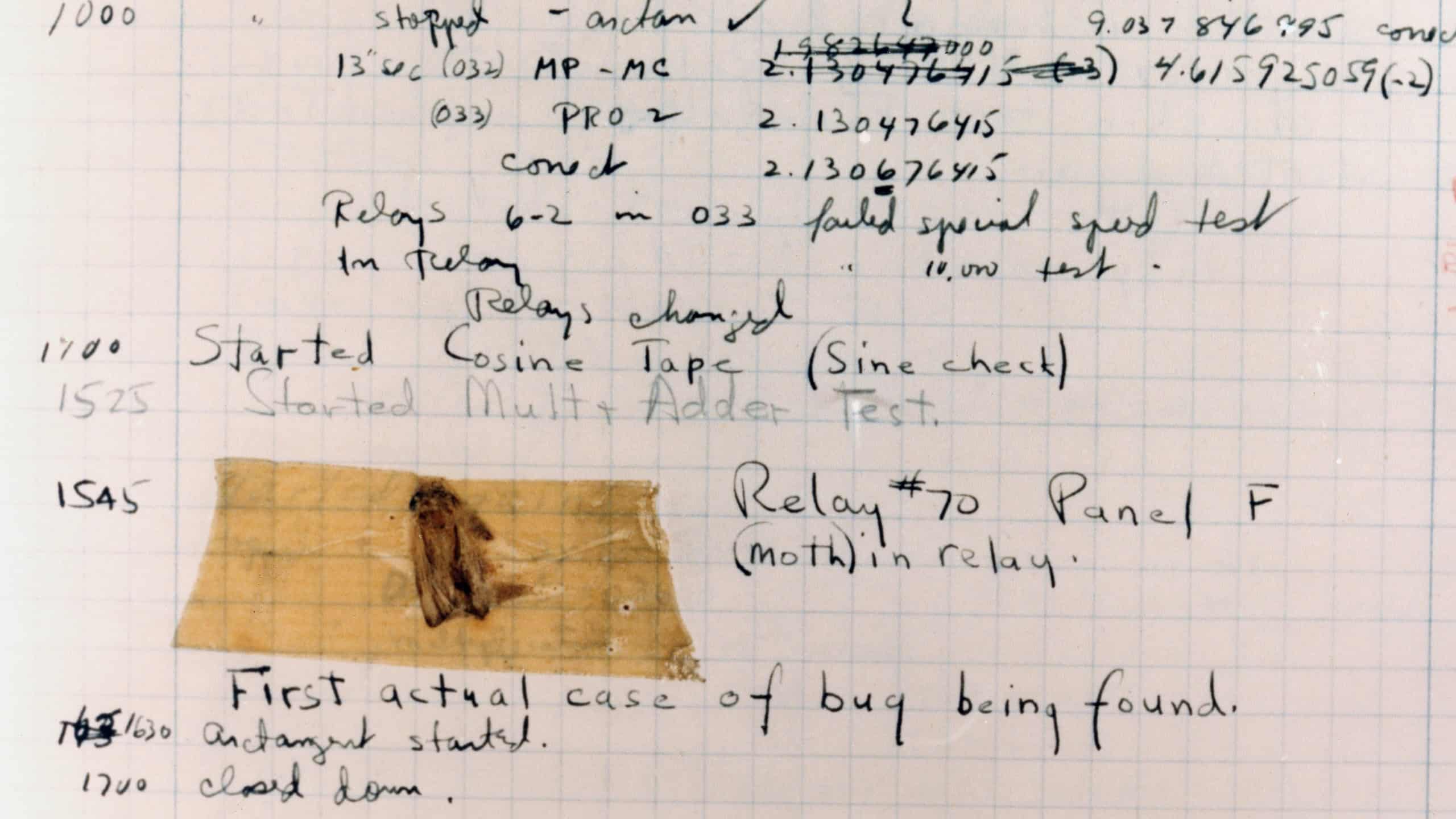
You’ve probably heard about the term ‘computer bug,’ and you might’ve wondered where it came from. Turns out, it has to do with real bugs. In 1947, engineers working on Harvard’s Mark II computer found a moth inside the hardware, and it was causing issues.
They decided to take the insect out and tape it into the logbook, making it the first recorded example of a computer ‘bug.’ The term did exist at the time, yes, but it was this bug that really made it a common term.
Cash from a strange source

Even the Romans had to pay taxes, although theirs were a little stranger than our modern-day ones. They were taxed on their urine. You read that right, urine, and it’s because people at the time used urine for all sorts of things, including laundry and tanning.
Urine contains ammonia, after all. One of the weirdest stories involves Emperor Vespasian’s son, Titus, complaining about the urine tax. Vespasian responded by holding up a coin and asking Titus if it smelled, and Titus said no. Vespasian then told him it came from urine.
A coin and a trick
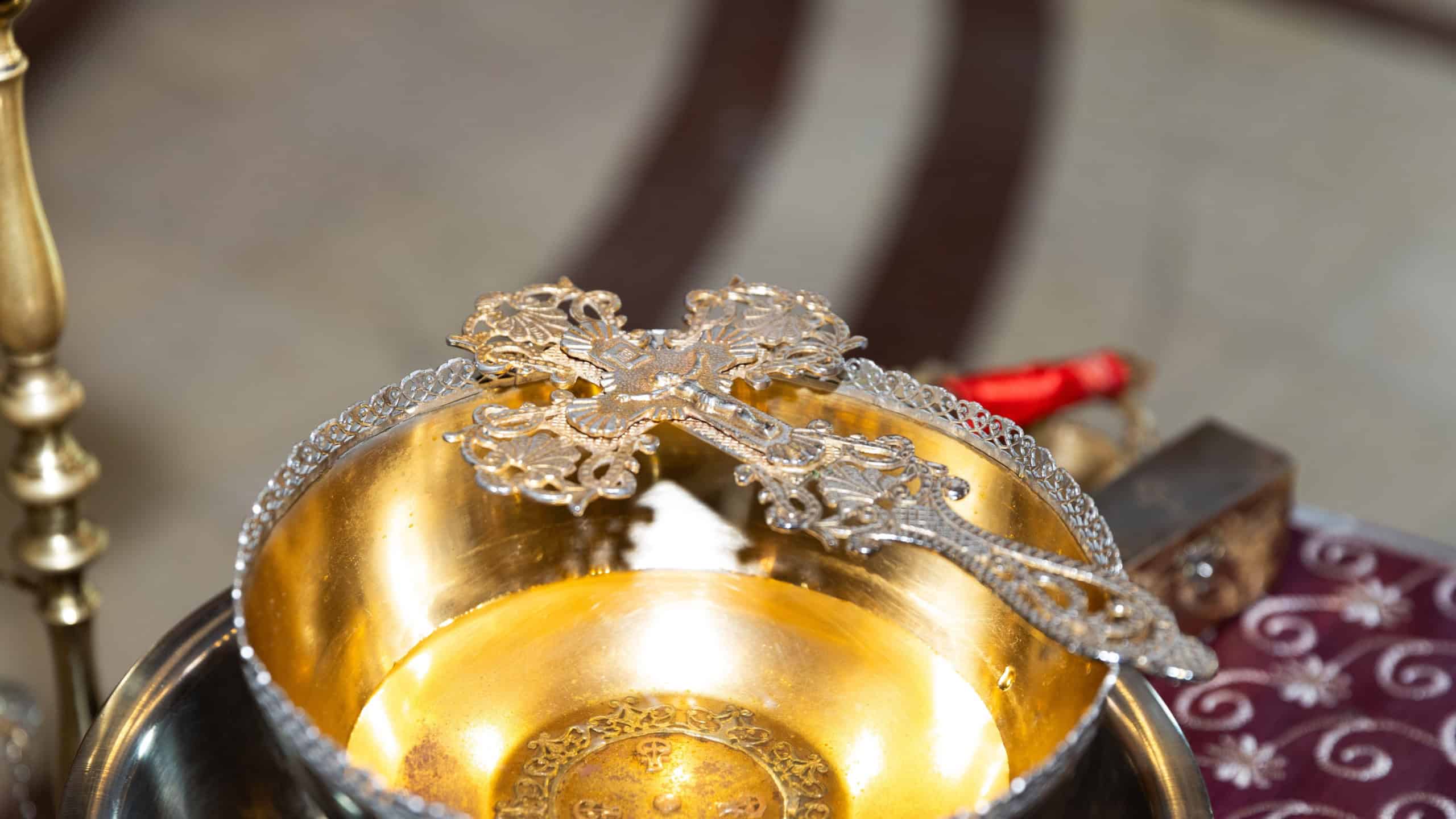
Vending machines are practically everywhere today, yet the first of their kind didn’t put out snacks or anything. No, it came from Hero of Alexandria in the first century CE, and it was designed, get this, to give people holy water at temples.
It worked a lot like ours today. Put a coin inside and pull a lever, then lift a plug to make the water flow. It also had a system to stop people from taking more than they paid for, as the whole thing would stop working once the coin slipped off.
Nothing to hear
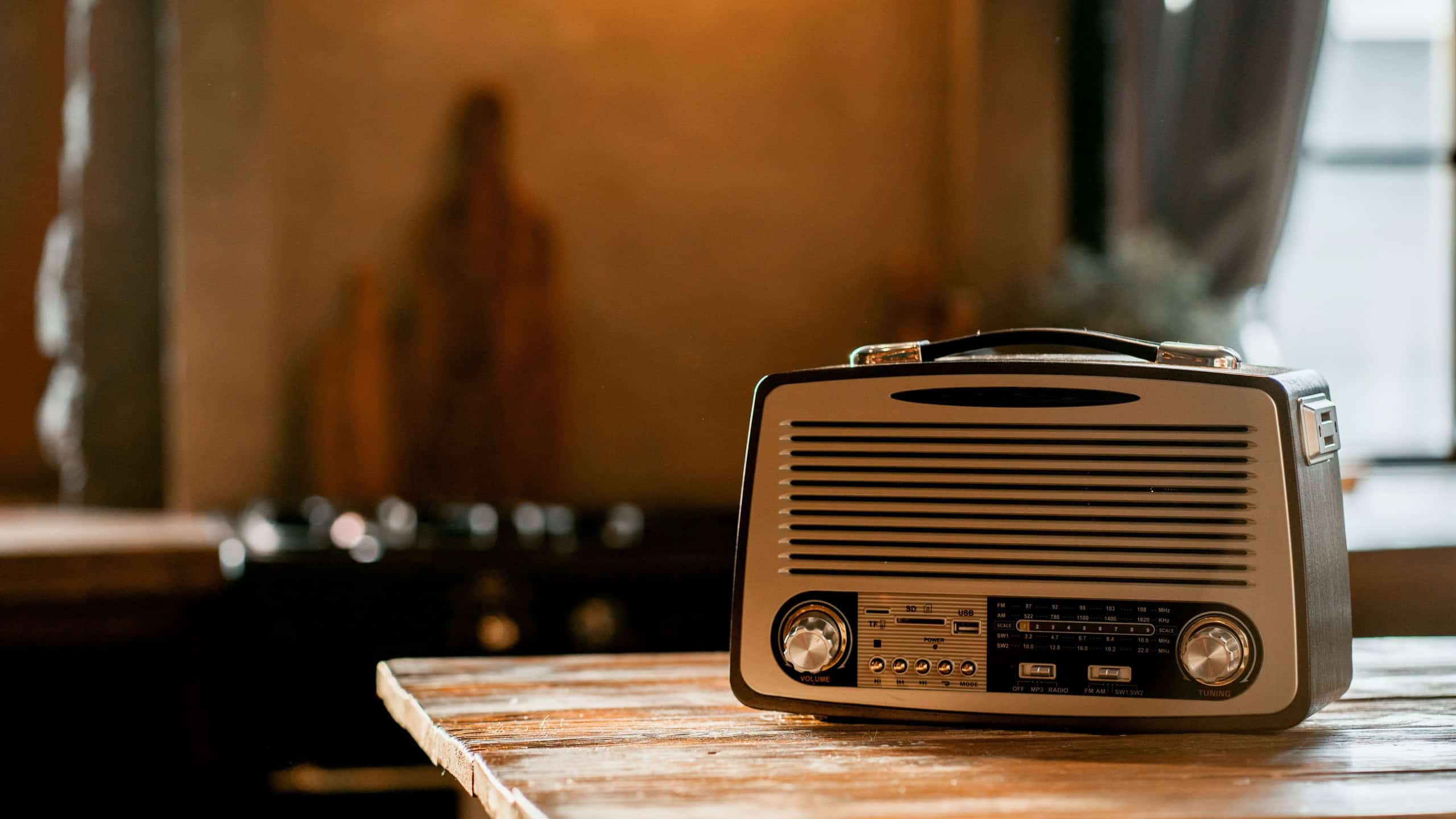
On April 18, 1930, BBC listeners were in for a treat when they listened to the evening news. The announcer said, ‘There is no news,’ and filled the rest of the fifteen-minute slot with some piano music. They then played Wagner’s Parsifal from Queen’s Hall.
It’s kind of ironic, really, because there absolutely was news worth reporting, like a typhoon in the Philippines and raids by revolutionary forces in India. But the BBC team decided these weren’t worth sharing with the British public. They settled on ‘no news’ instead.
Sources: Please see here for a complete listing of all sources that were consulted in the preparation of this article.

