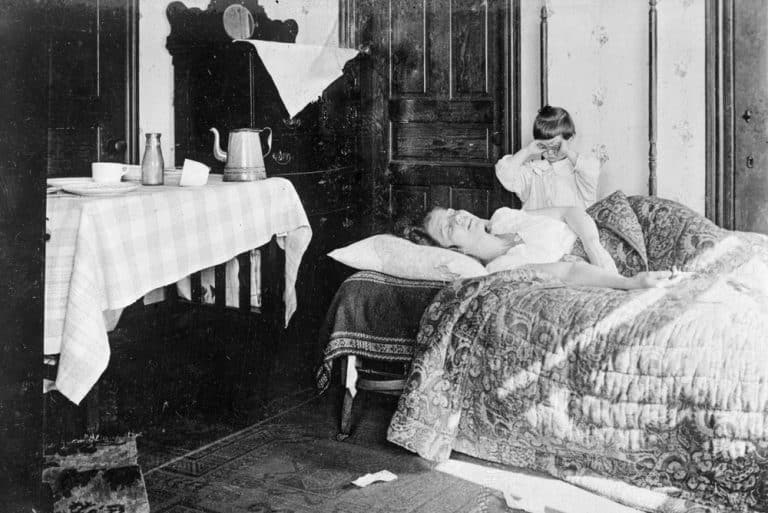

Some diseases used to be way deadlier than many people realize, and these sicknesses killed millions of people in a very short amount of time.
The disease that killed 300 million
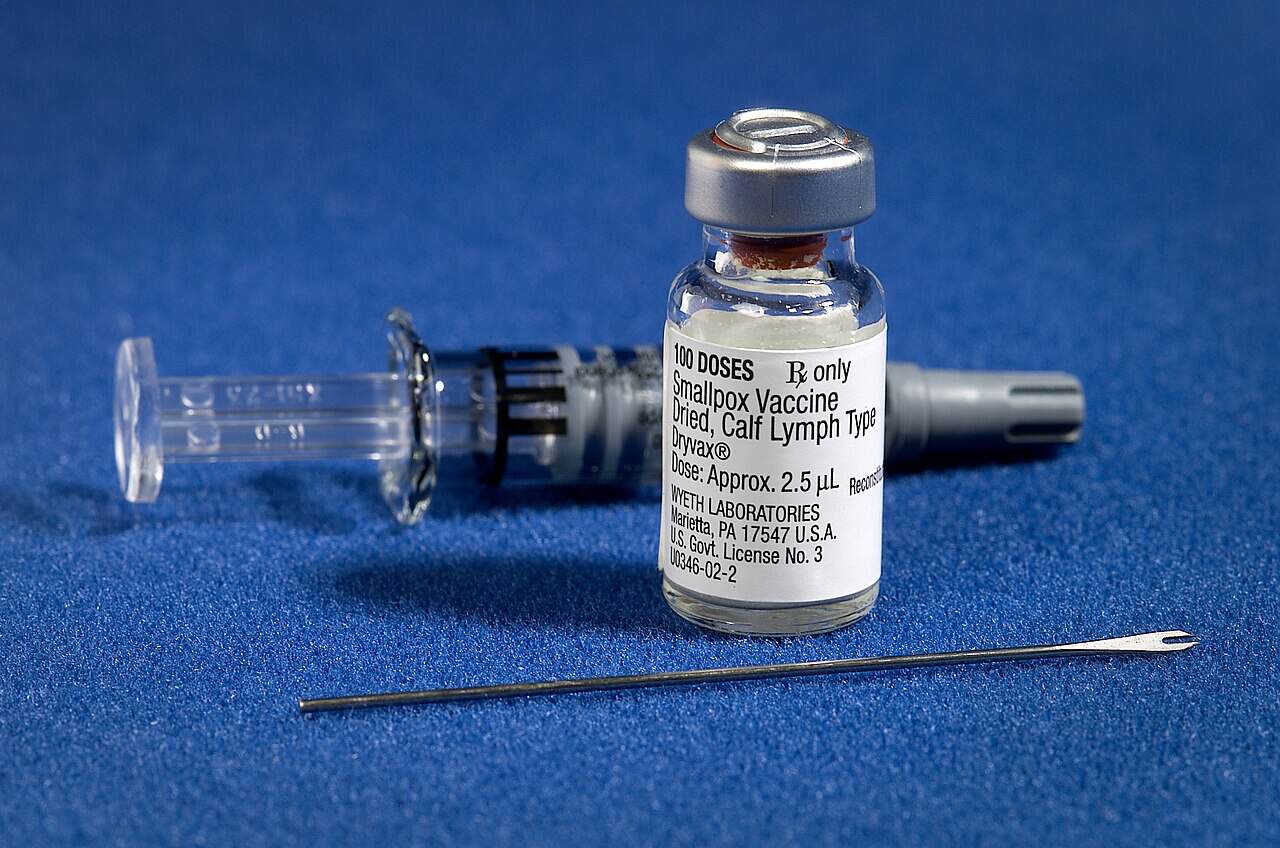
Smallpox was a disease that existed for thousands of years and continued to kill enormous numbers of people during the 1900s. It’s estimated that it killed around 300 million people in that century alone. One of the deadliest strains killed roughly 30% of those infected.
The virus kept spreading in Africa and Asia during the 1970s. But thanks to a worldwide vaccination campaign, the disease was finally brought to an end, and the last natural case was recorded in Somalia in 1977.
The mosquito-borne killer
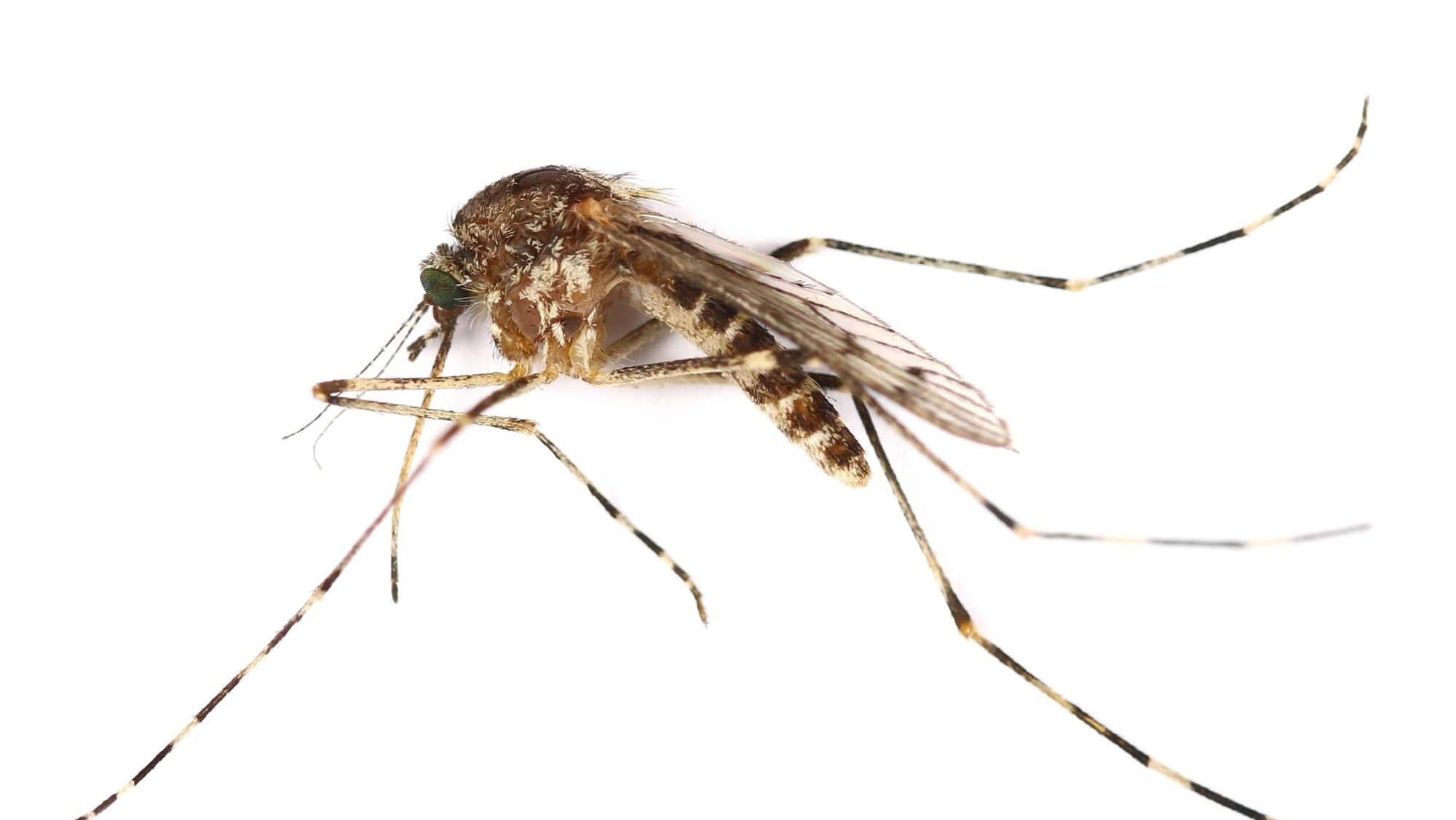
One of the deadliest animals on the planet is also one of the smallest. Yes, it’s the mosquito. These tiny insects spread malaria, and it’s estimated to have killed between 150 million and 300 million people during the 20th century. Nobody knows the exact figure, though.
The malaria parasite destroys a person’s red blood cells, and this leads to severe anemia and organ failure. Africa and Asia have been especially badly hurt. In India alone, severe outbreaks have caused at least 2 million deaths.
The plague that crossed Europe
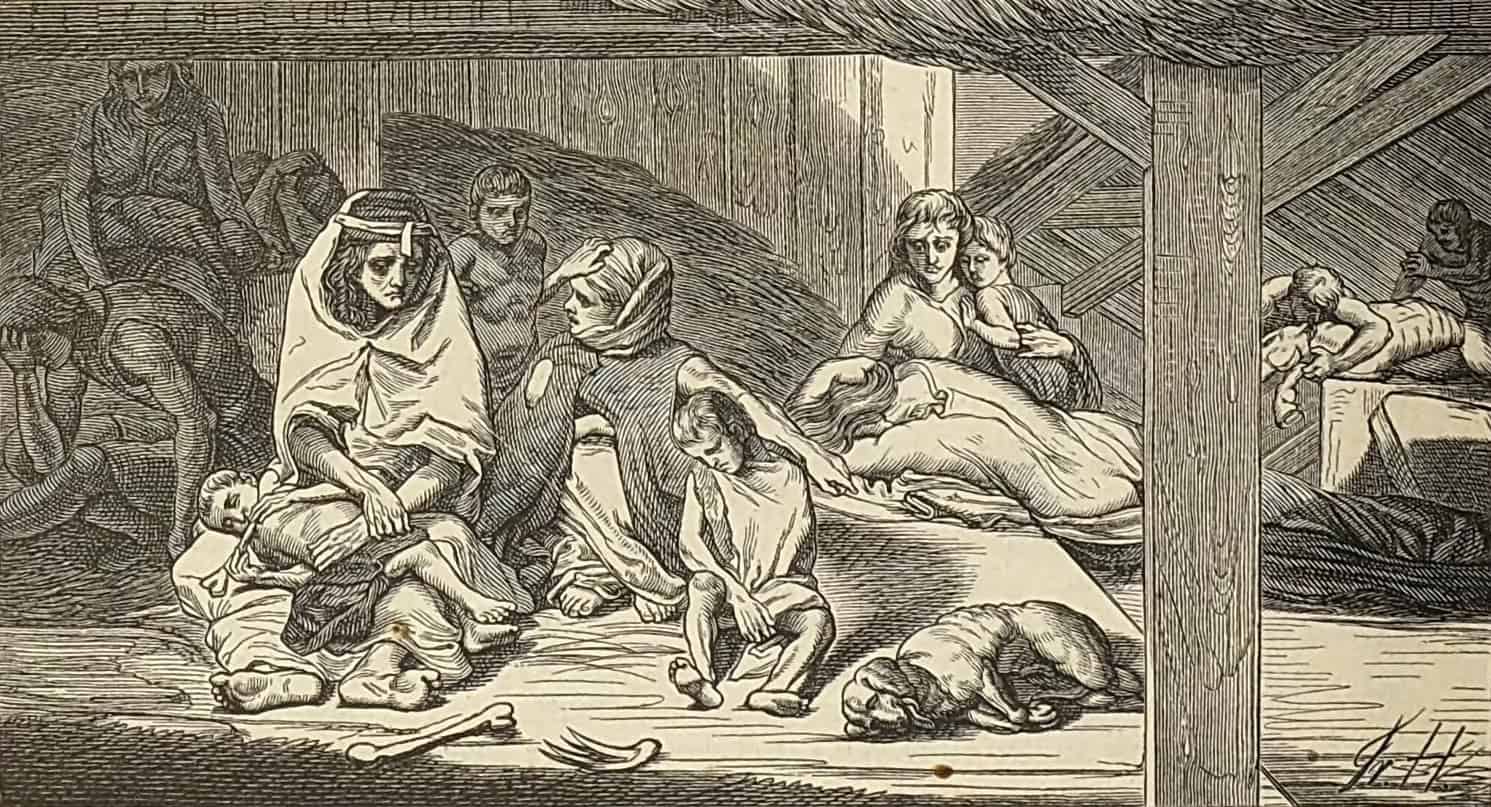
Entire communities died in medieval Europe from what seemed like a mysterious illness. It was the Black Death. The disease reached Mediterranean ports in 1347 and soon began spreading across the continent, killing between 25 million and 50 million people in Europe alone.
Those with the disease developed fevers and painful swellings called buboes. Many of them died within days. Europe wasn’t the only place affected, as millions died in Asia, too. Recent estimates put the worldwide death toll at around 100 million people.
The flu that struck young adults
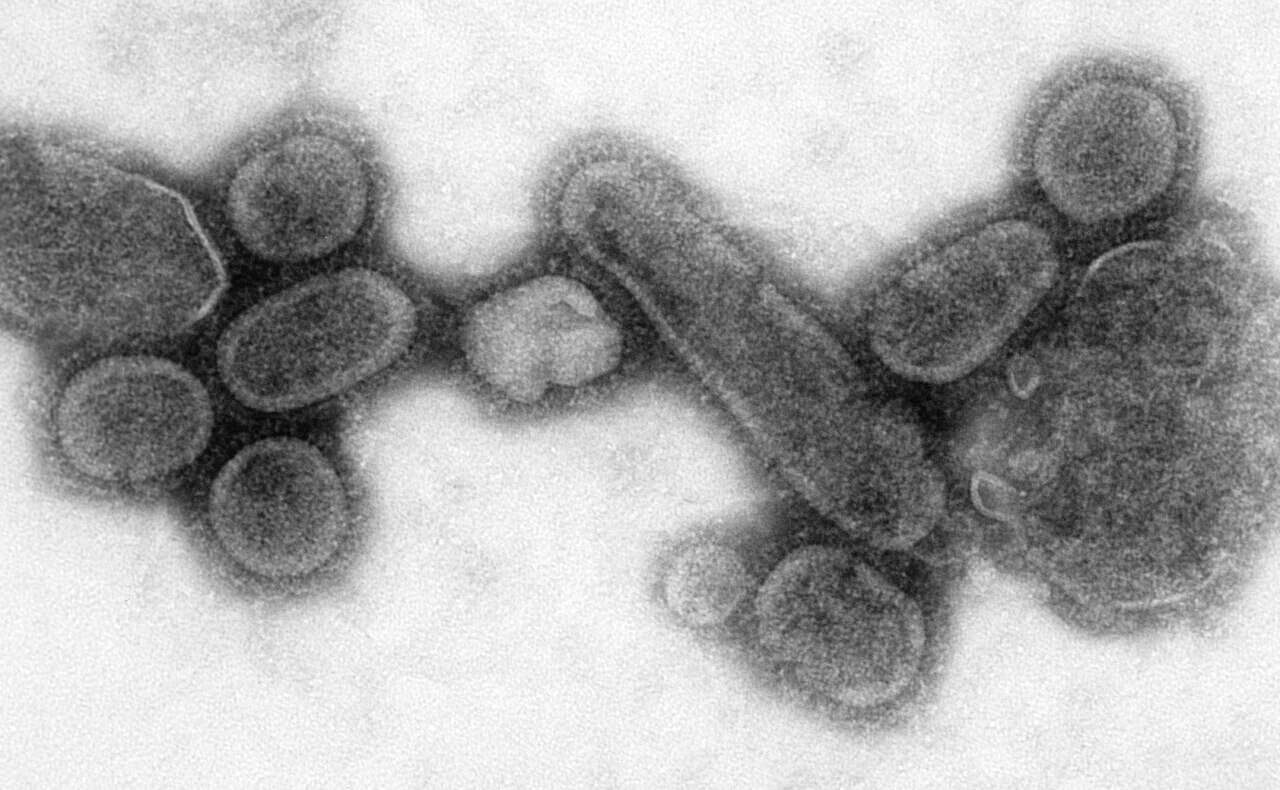
What made the Spanish flu particularly unusual was the fact that it killed so many healthy young adults. Most other diseases tend to kill off the very old and very young. Around 500 million people caught the disease between 1918 and 1919, and 50 million died worldwide. Over half a million people died in the United States alone.
World War I helped contribute to the disease’s spread, as soldiers were traveling between countries and living in cramped conditions. Ironically, the reason it’s called Spanish flu is that Spain was open about the disease. People in other countries likely caught it first, yet Spain was the only country not to censor the press about it.
The epidemic that began in the 1980s
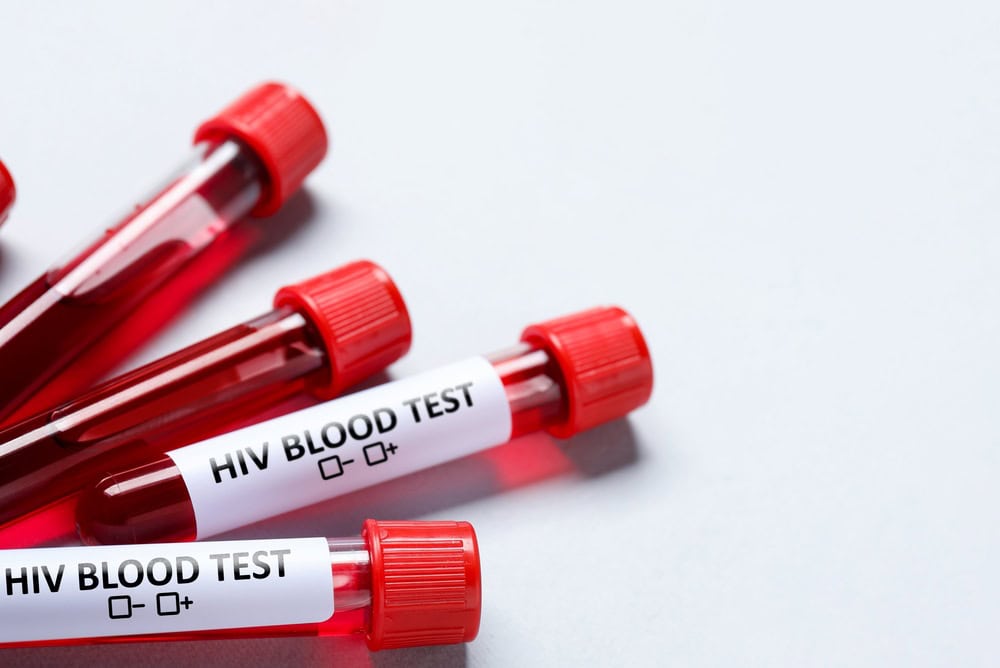
In 1981, American doctors began noticing something unusual was happening to previously healthy young men. Many of them began developing rare infections, and nobody could figure out the cause. It was eventually identified as a virus called HIV. The disease works by attacking a person’s immune system and leaving them vulnerable to serious illnesses like pneumonia.
It took until the 1990s for effective combination treatments to become available, but by then, millions had already died. Around 44.2 million people have died from AIDS-related illnesses worldwide since the disease began. It’s much more manageable today, though, and people with HIV who maintain an undetectable viral load through effective treatment can’t transmit the virus.
The illness carried through drinking water

Drinking a glass of water shouldn’t be dangerous, but cholera makes it deadly. The first recognized pandemic began in India in 1817, and six more cholera pandemics followed over the next two centuries.
Some historical estimates suggest that the seven pandemics killed around 40 million people, although that number isn’t certain. The bacteria cause extreme diarrhea and dehydration that can kill within hours. Poor sewage systems can lead to contaminated water killing entire neighborhoods.
The pandemic that spread in 2020

Everyone remembers how quickly everyday life changed during the outbreak of COVID-19. The first few cases appeared in Wuhan, China, in late 2019, and the virus soon spread across the world. It caused mild symptoms in some people and organ failure in others.
According to the World Health Organization, approximately 14.9 million deaths were due to the virus between 2020 and 2021. Those figures include deaths directly caused by the virus, as well as deaths due to things like disruption in medical care, for example.
The mysterious illness in Mexico
Mexico was the site of a very deadly disease during the 1540s, known as cocoliztli. It tore through Indigenous communities and caused symptoms like high fevers and bleeding. Historians estimate around 5 million to 15 million people died between 1545 and 1548.
To put that in perspective, that was around 80% of the local population at the time. It’s not entirely clear what caused the disease, and it could’ve been a form of Salmonella infection. Either way, we know that it was definitely dangerous.
The childhood infection that killed millions

Before widespread measles vaccination programs existed, around 2.6 million people died worldwide from the virus each year. That number has fallen a lot, thankfully, but the virus does still exist. Outbreaks used to happen every two or three years.
One of the reasons it’s so deadly is that the virus can easily spread through the air, leading to infected people having bad fevers and coughing. Some also suffered from pneumonia or dangerous brain inflammation.
The disease once called consumption
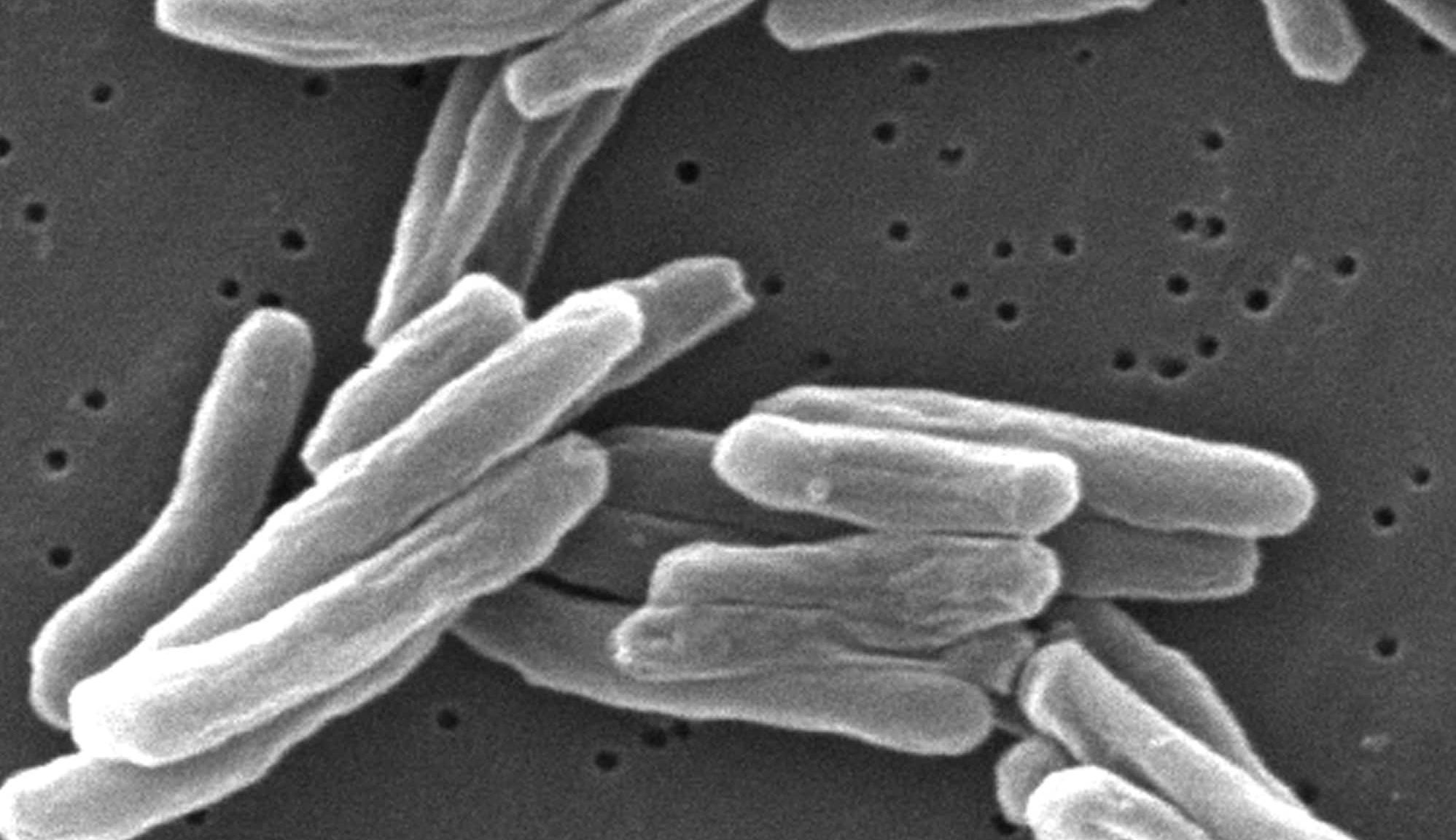
Tuberculosis used to be called ‘consumption,’ and that was because the disease seemed to literally consume people. Yes, it would leave them weak and painfully thin, and they would sometimes cough up blood. The disease was also everywhere. It was responsible for around a quarter of all deaths in parts of Europe between the 1600s and 1800s.
It spread very quickly because of all the cramped houses and poorly ventilated rooms, which allowed the bacteria to pass through the air very easily. In 1882, Robert Koch finally identified the cause. But by that point, tuberculosis was already responsible for around one in seven deaths in Europe and the United States.
The epidemic that followed a revolution
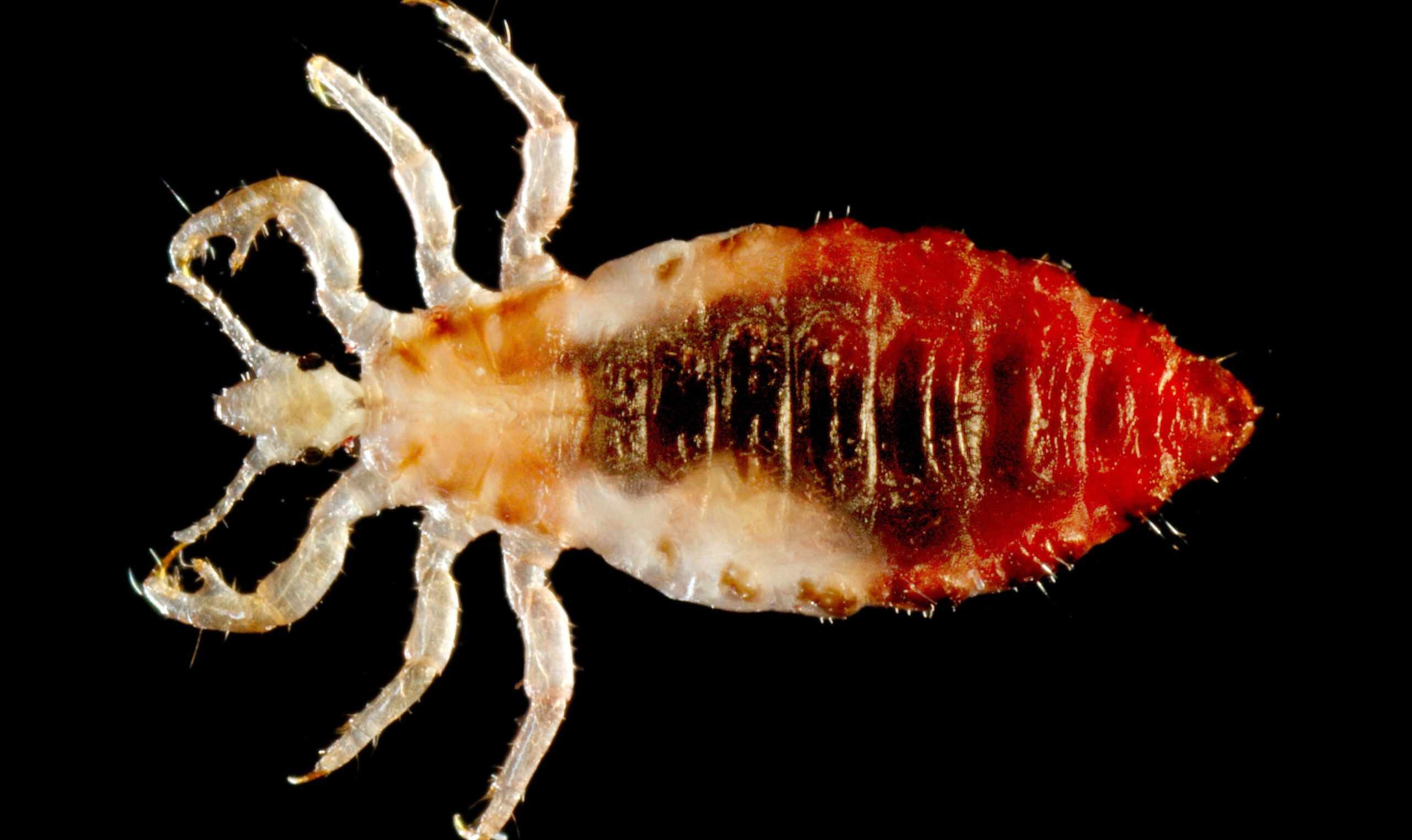
It sounds strange, but body lice were a serious problem in Russia after the 1917 Russian Revolution. These insects could spread an infection called epidemic typhus that caused high fevers and rashes. It could also lead to delirium.
Roughly 2.5 million to 3 million people died between 1918 and 1922 because of it. People were living in pretty crowded and terrible conditions following the Revolution, so the lice could spread very easily. Outbreaks continued right into the late twentieth century.
The flu that emerged in East Asia

A new type of influenza emerged in southern China in February 1956, and it was a strain known as H2N2, or Asian flu. It contained genetic material from an avian influenza virus. It became incredibly deadly as most people didn’t have any natural protection against it.
At the time, though, China wasn’t part of the WHO, so it didn’t report the disease to other countries. It’s likely that this allowed it to spread. The virus continued killing people in 1958, with the pandemic causing an estimated 1.1 million deaths worldwide, despite vaccines becoming available in 1957.
Sources: Please see here for a complete listing of all sources that were consulted in the preparation of this article.
The 10 rarest causes of death in the world
Death sure can get strange sometimes, and while some causes of death might be rare, they’re also very much real.

