
Death sure can get strange sometimes, and while some causes of death might be rare, they’re also very much real.
An amoeba with almost no survivors

There’s a real danger that comes with swimming in warm freshwater, although it’s not something most people will experience. It’s because of something called Naegleria fowleri. It’s a kind of amoeba that can cause something known as primary amebic meningoencephalitis, or PAM.
Essentially, contaminated water gets into your nose and it then travels toward the brain. Then it eats away at it. The ‘good’ news is that the U.S. only recorded 180 cases between 1937 and 2025. The ‘bad’ news is that, of the 164 known U.S. cases from 1962 through 2023, only four people lived.
When sleep slowly disappears

Fatal familial insomnia is another serious illness, and it’s caused by something called a prion mutation. What happens is that the mutation damages the part of your brain called the thalamus, which controls sleep. It then becomes impossible to sleep.
There have been recorded cases in around 70 families worldwide, and these affected roughly 200 relatives, along with a small number of unrelated cases. The illness tends to last around 18 months, although some patients have lived for longer. What makes it so rare is that it’s caused by a gene mutation. The likelihood of it happening is pretty low.
A second skeleton starts forming

Fibrodysplasia ossificans progressiva. It’s a disease that sure does sound complicated, and it involves a person’s soft tissue gradually turning into bone. It can also affect someone’s muscles, tendons, and ligaments, leading to breathing or heart problems. It’s as painful as it sounds, too.
The chances of getting it, though, are very small, and only around one person in a million is thought to have it. Doctors have identified approximately 900 confirmed cases worldwide and blamed it for around 5-10 deaths each year.
A familiar virus becomes unusually rare

The thing with rabies is that it still kills tens of thousands of people globally each year. But it’s completely different in places that have routine animal vaccination and fast access to treatment. Worldwide, around 59,000 people die annually from rabies, usually in Africa and Asia.
The rate is much lower in America, though. Only 17 human deaths from rabies were recorded between 2015 and 2024. Over in Canada, they’ve logged just 28 fatal cases since national reporting began in 1924, and the U.K. has also seen very few. It seems death from rabies depends a lot on where you are.
The water-allergy claim has a catch

Contact with water can be deadly. There’s a condition known as aquagenic urticaria that involves developing hives after contact with water. Fewer than 100 cases have been reported, though, so it’s not something you need to worry about every time you start splashing.
Symptoms of the disease involve itching and redness, as well as raised welts after water touches the skin. Some people have breathing trouble afterward, and that may lead to death. Thankfully, though, the risk of water allergy death is very low. There’s less than 1 documented case per decade.
A bolt has to hit just right
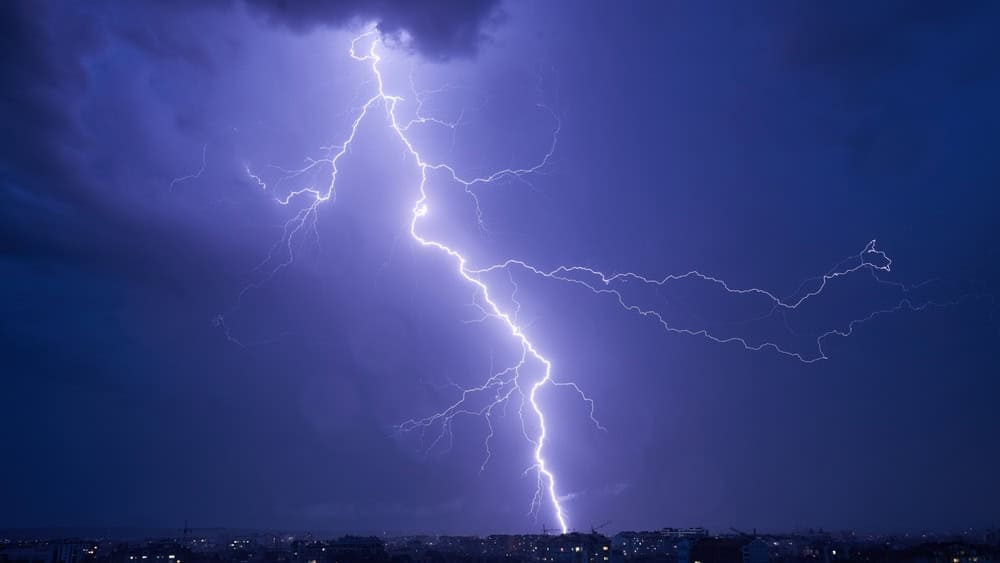
It’s normal to feel afraid of lightning strikes, but science shows you don’t have to always be terrified. Around 24,000 people die each year from strikes globally. In the United States alone, 27 people died annually from lightning strikes between 2009 and 2018.
Approximately 90 percent of people who are struck by lightning actually survive. The chances of even being struck by lightning across your entire life are about 1 in 15,300. You should still be safe when you’re out and about, though.
A vaccine complication almost never seen

Most people haven’t heard of eczema vaccinatum. There’s a reason for that. It happens when live vaccinia virus from a smallpox vaccine spreads across a person’s skin. Specifically, the skin that’s affected by eczema or something similar.
The historical rate in the U.S. was around 35 to 39 cases per million first-time vaccinations. The chances of someone dying from this virus are even lower, although there are still some safety measures in place. The public doesn’t usually get live smallpox vaccines.
The fire that isn’t truly spontaneous
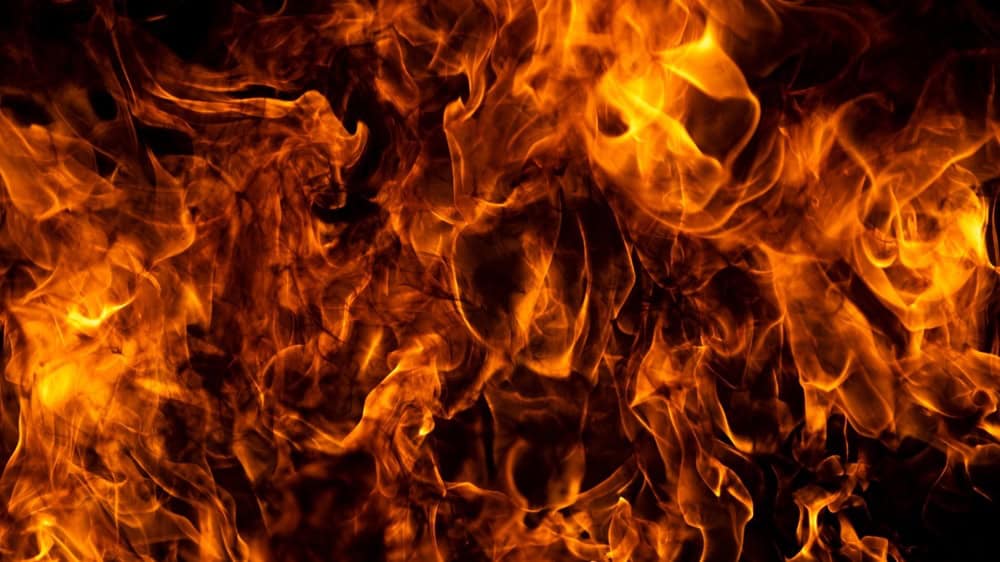
‘Spontaneous human combustion’ sounds deadly. That’s because it is. No, it doesn’t involve someone simply bursting into flames, but more like people catching fire without an obvious cause. It’s something that’s been reported for over 300 years.
Only around 200 supposed cases of it have been reported over these years, though, and that’s mostly because the modern explanations usually involve an outside flame. Someone’s clothes catch fire, their body fat melts, and the fabric practically becomes a candle wick. It’s still scary.
Fatal encounters remain in single digits
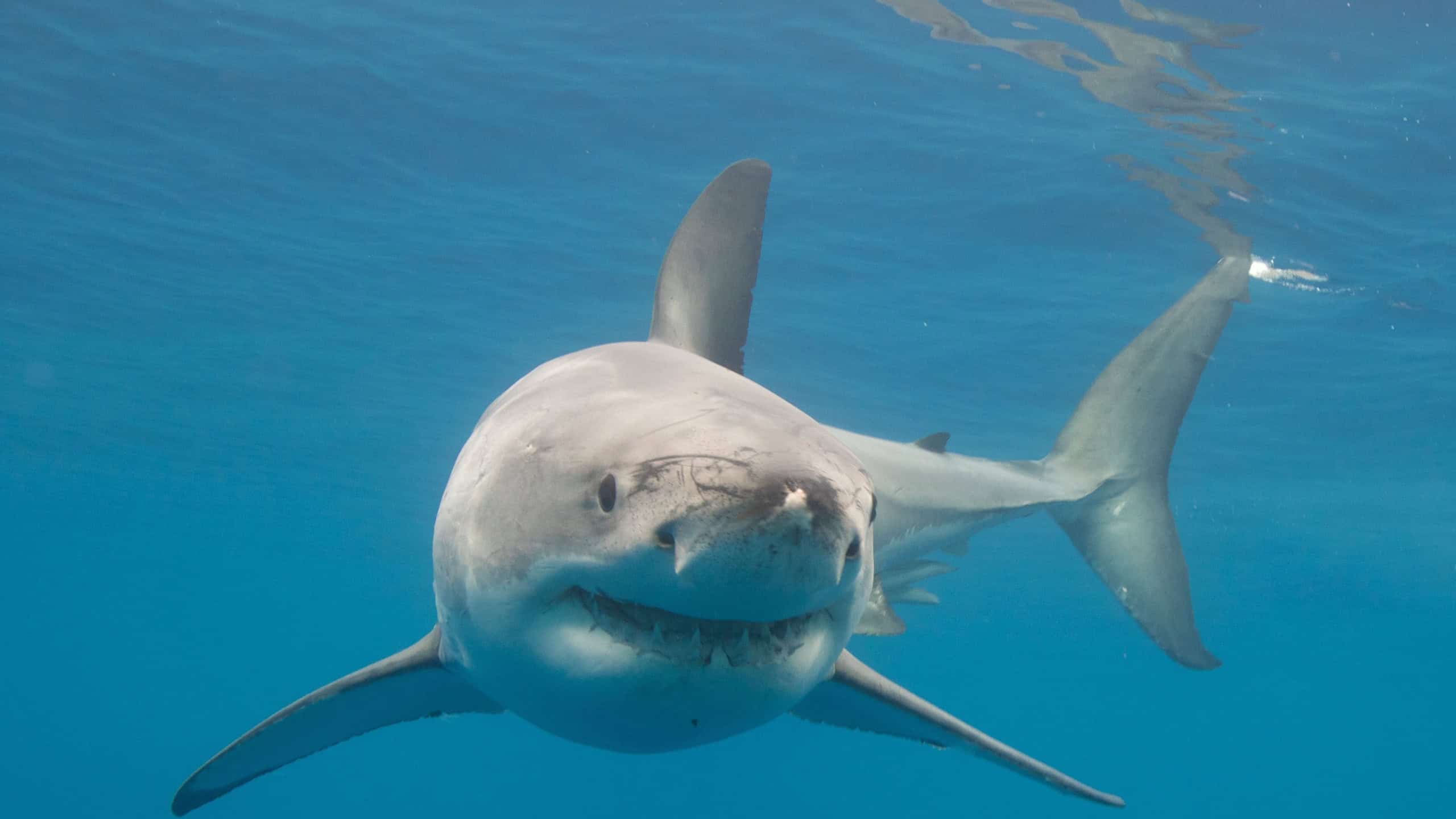
Shark attacks get a lot of attention, but really, it doesn’t make sense because the actual death count is tiny. Just look at the data. There were just 65 confirmed unprovoked bites worldwide in 2025, and nine of them were fatal.
The historical data proves it, too, as around eight people died on average each year from shark bites. Eight. The number can move up or down, of course, depending on where you are. But the chances of being killed because of a shark attack are lower than 1 in 4.3 million.
Spaceflight has an exceptionally short fatality list
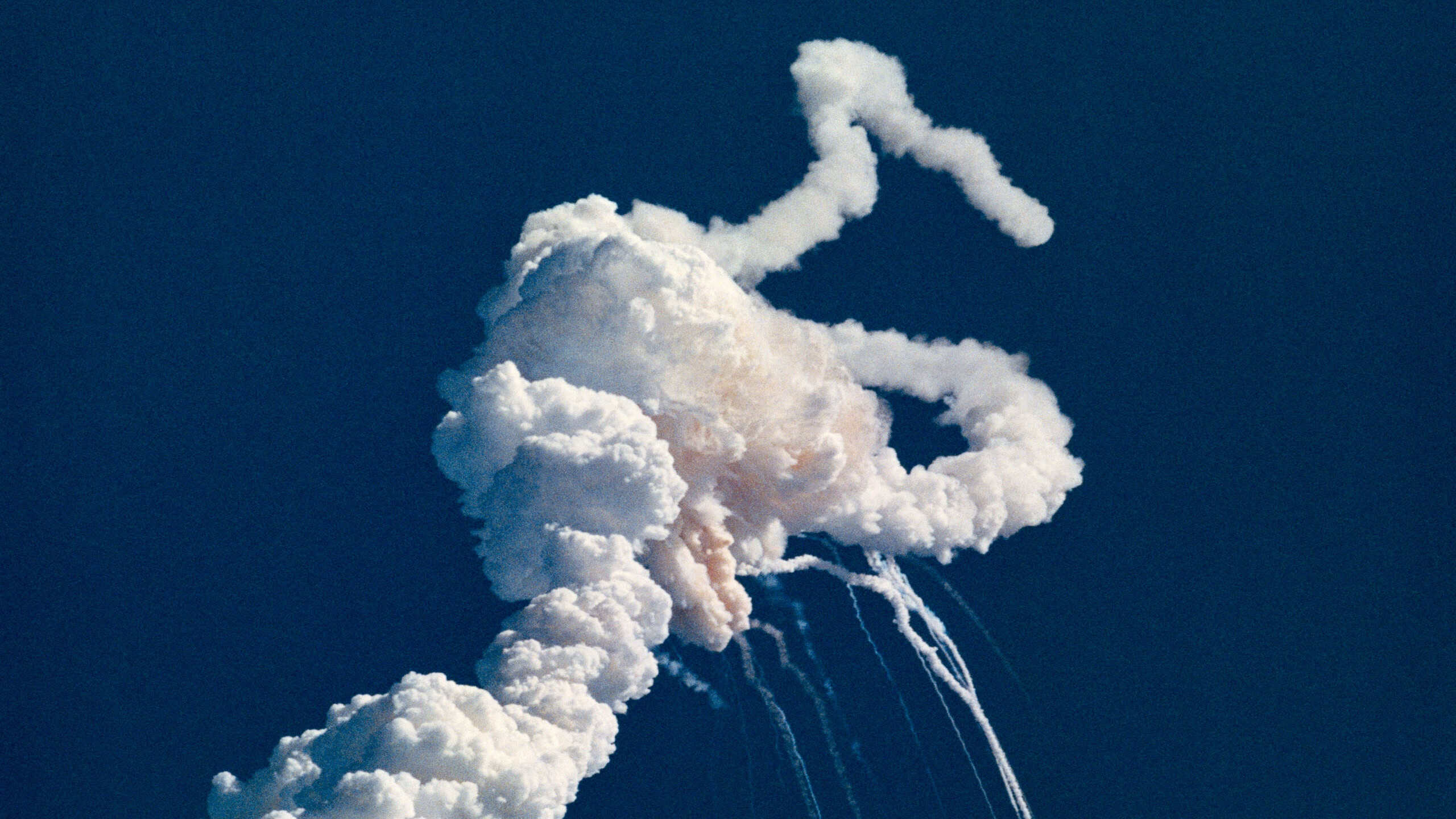
People often think that space missions are completely dangerous. But the truth is, only four space missions have led to crew members dying during the mission itself. NASA counts 18 deaths altogether, including one on Soyuz 1 and three on Soyuz 11.
There were seven deaths on Challenger, and seven on Columbia. That might sound like a lot, but look at it this way. There have been no in-orbit deaths since 1971, and the percentage of space mission deaths is less than 0.000001% of all human deaths.
Sources: Please see here for a complete listing of all sources that were consulted in the preparation of this article.
12 people whose deaths changed the world
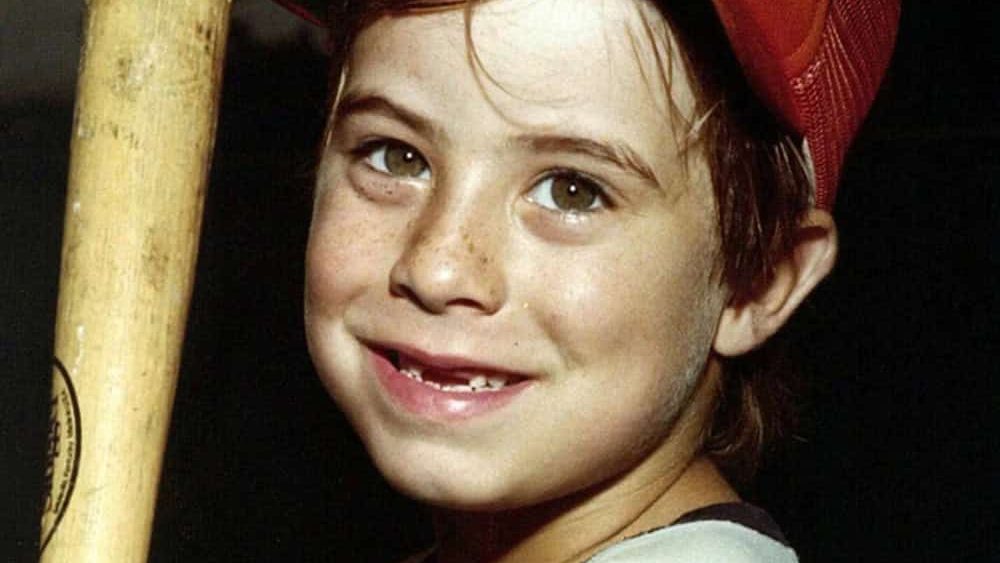
Some deaths did a lot more than make the headlines for a few days, as they actually ended up being the start of revolutions or public campaigns across the world.

