

The darkest parts of history aren’t necessarily the fact that someone died, but the fact that so much had already happened by the time death eventually caught up with them.
Freedom came with days to live

British troops reached Bergen-Belsen concentration camp on April 15, 1945, and they stumbled onto a horrific scene. There were roughly 55,000 prisoners alive, but barely. Most of them were starving. Many of them were seriously ill and surrounded by disease.
Naturally, the British medical teams rushed in to give them food and clean water, as well as sanitation. The prisoners received emergency care, too. But it was too little, too late, as over 13,000 of the former prisoners died in the following three months. They were finally liberated, yes, but it came after their bodies had been pushed to the max.
The bunker was nearly the end
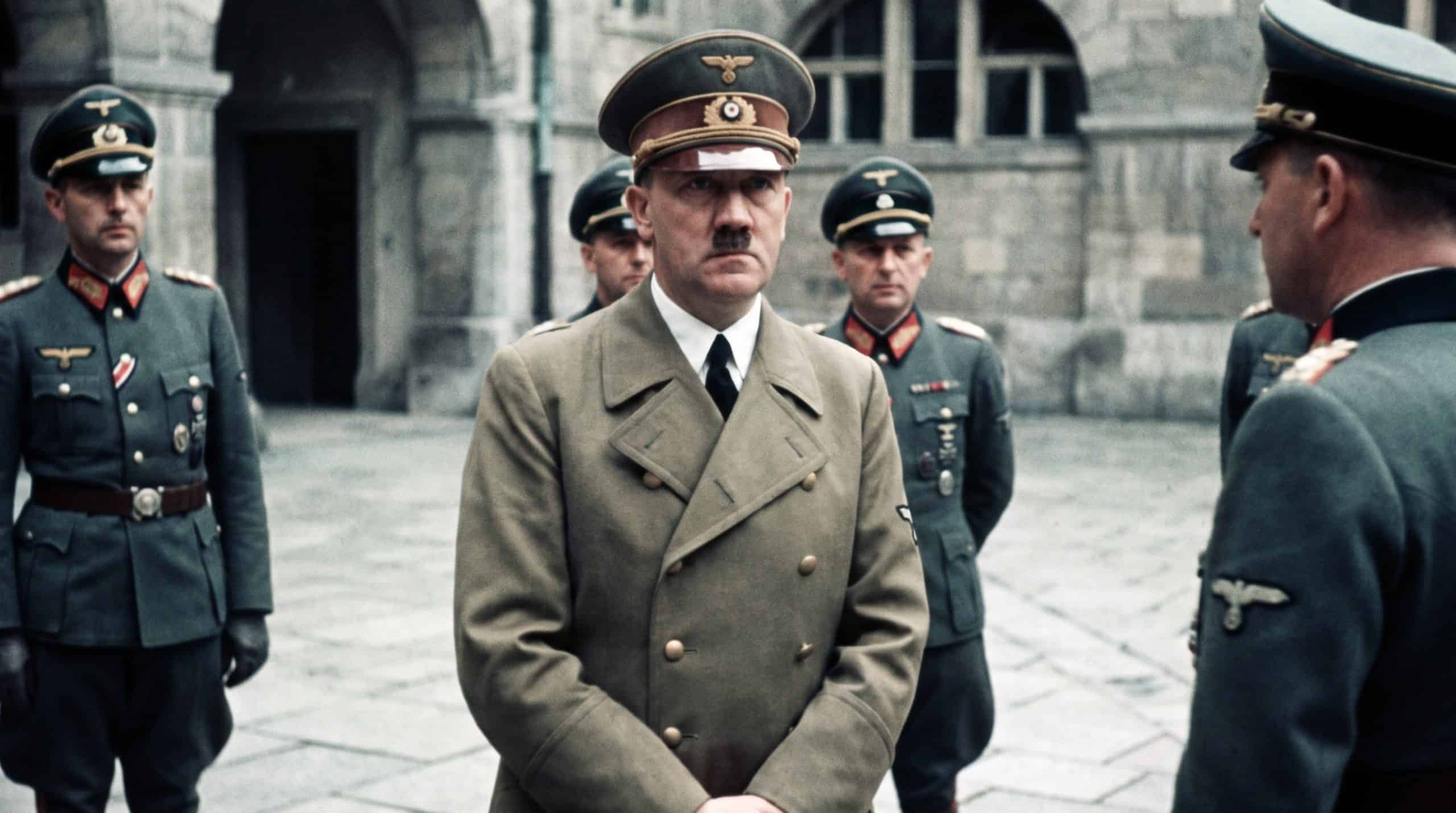
Adolf Hitler died on April 30, 1945, when Berlin was collapsing around him and Nazi Germany was just a few days from surrender. He committed suicide inside the Führerbunker. But his death came too late, as his rule as Germany’s Führer led to the destruction of many cities and the displacement of millions of people.
Tens of millions of people were killed under his leadership, too, and eight days after he killed himself, Germany’s surrender took effect. Hitler’s death didn’t exactly stop the destruction, but rather, it came after most of it had already happened. Millions of people would’ve survived if he’d died earlier.
A fugitive reached the end first

That’s not all for Nazis. Josef Mengele somehow managed to survive for three decades after the end of World War II without ever facing trial. He served as a doctor at Auschwitz and performed horrific experiments on the prisoners there. Toward the end of the war, he fled to South America using false identities and help from supporters.
West German authorities tried their hardest to find him but were unable to catch him. Mengele suffered a stroke in 1979 while swimming in Brazil. He then drowned. The truth about his identity didn’t come out until 1985, but by that point, it was too late. He’d stayed ahead of justice.
The machinery was already moving

World War II could’ve gone very differently if Reinhard Heydrich had died earlier. He died in June 1942, shortly after chairing the Wannsee Conference. Yes, this was the conference where senior Nazis organized how they’d deport and murder European Jews.
Czech agents attacked his car in Prague in May, and they wounded him with a grenade blast. Infection soon set in. Heydrich died on June 4, but his death came after the Final Solution had already begun.
Three decades ended in a bedroom
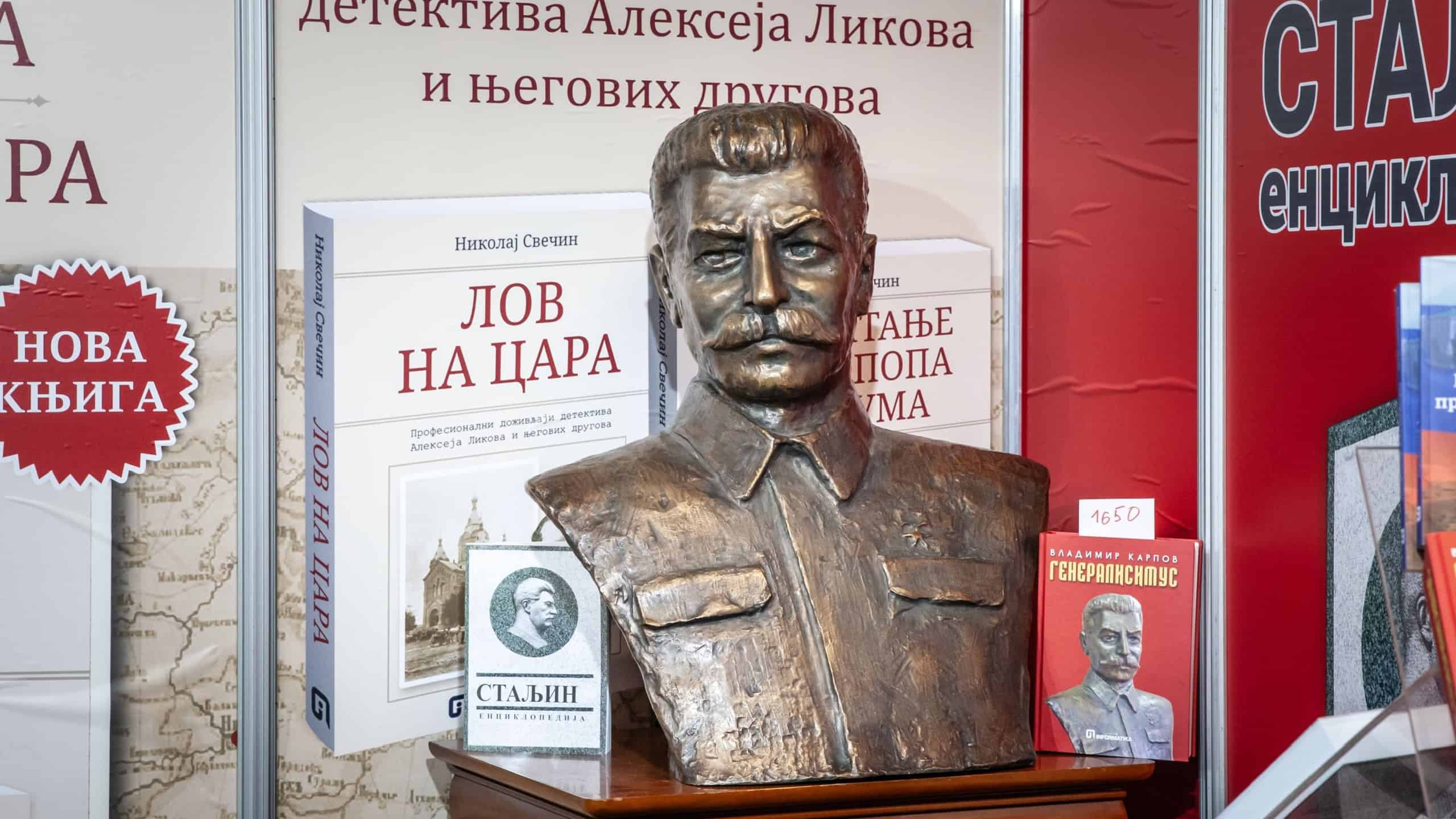
There was no coup or trial that led to Joseph Stalin’s loss of power. No, he was the leader of the Soviet Union right until his death in 1953. He died after his country had suffered the Great Terror, during which millions of people were arrested and executed.
They spent years in forced labor camps. Stalin collapsed after a stroke on March 1 and died four days later. Had he died earlier, things could’ve gone very differently for the USSR. Maybe millions of people would still be alive.
The ambush came after 30 years
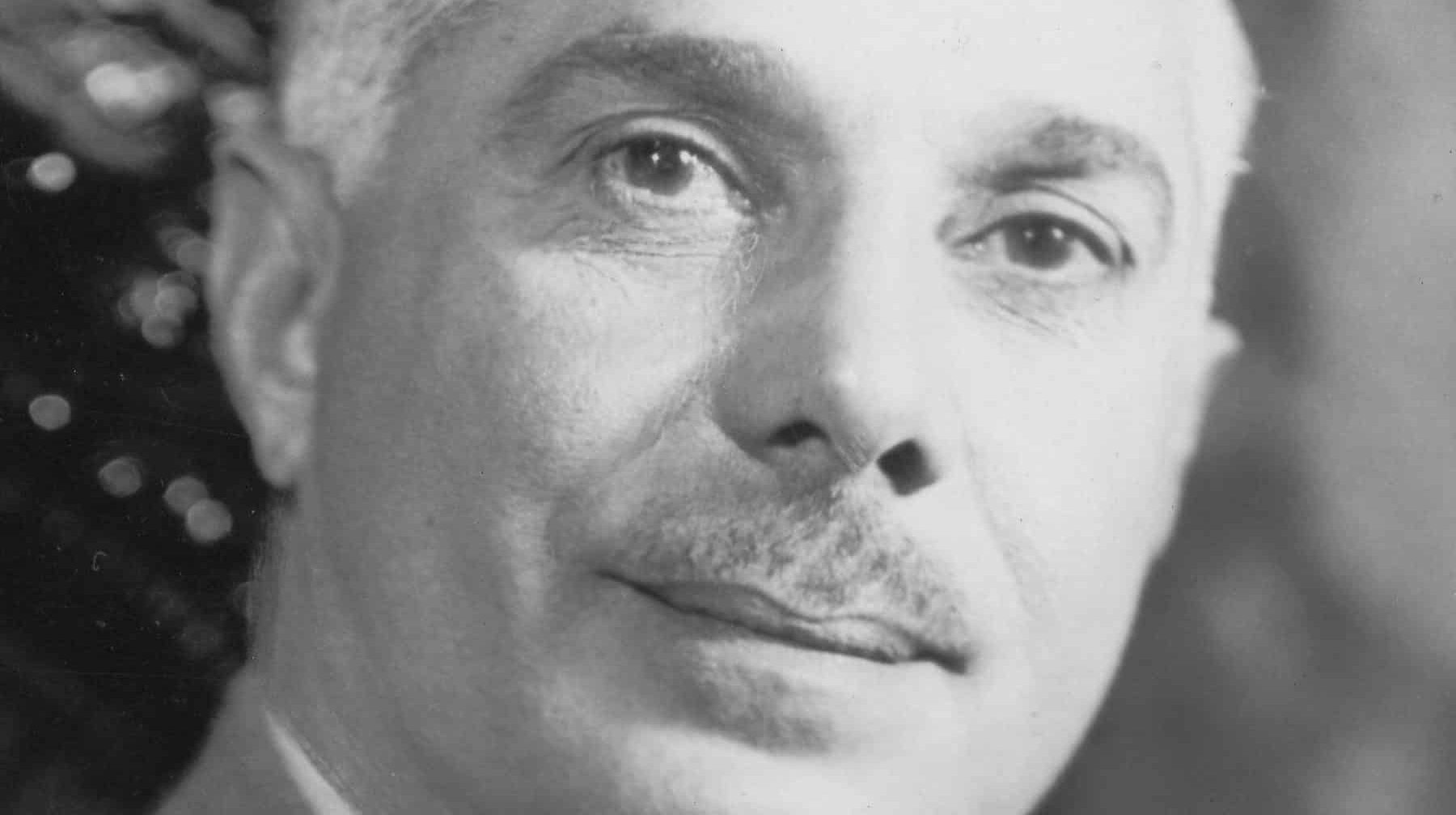
Rafael Trujillo ruled the Dominican Republic for over 30 years as a dictator. Then, on May 30, 1961, gunmen finally stopped his car and killed him. But his death came after his government had spent decades crushing opposition and limiting civil freedoms.
His party imprisoned and killed many of his rivals. He was shot on the highway between Ciudad Trujillo and San Cristóbal, leading to the end of his rule. That came only after an entire generation had already suffered under it.
The gallows followed a long rule
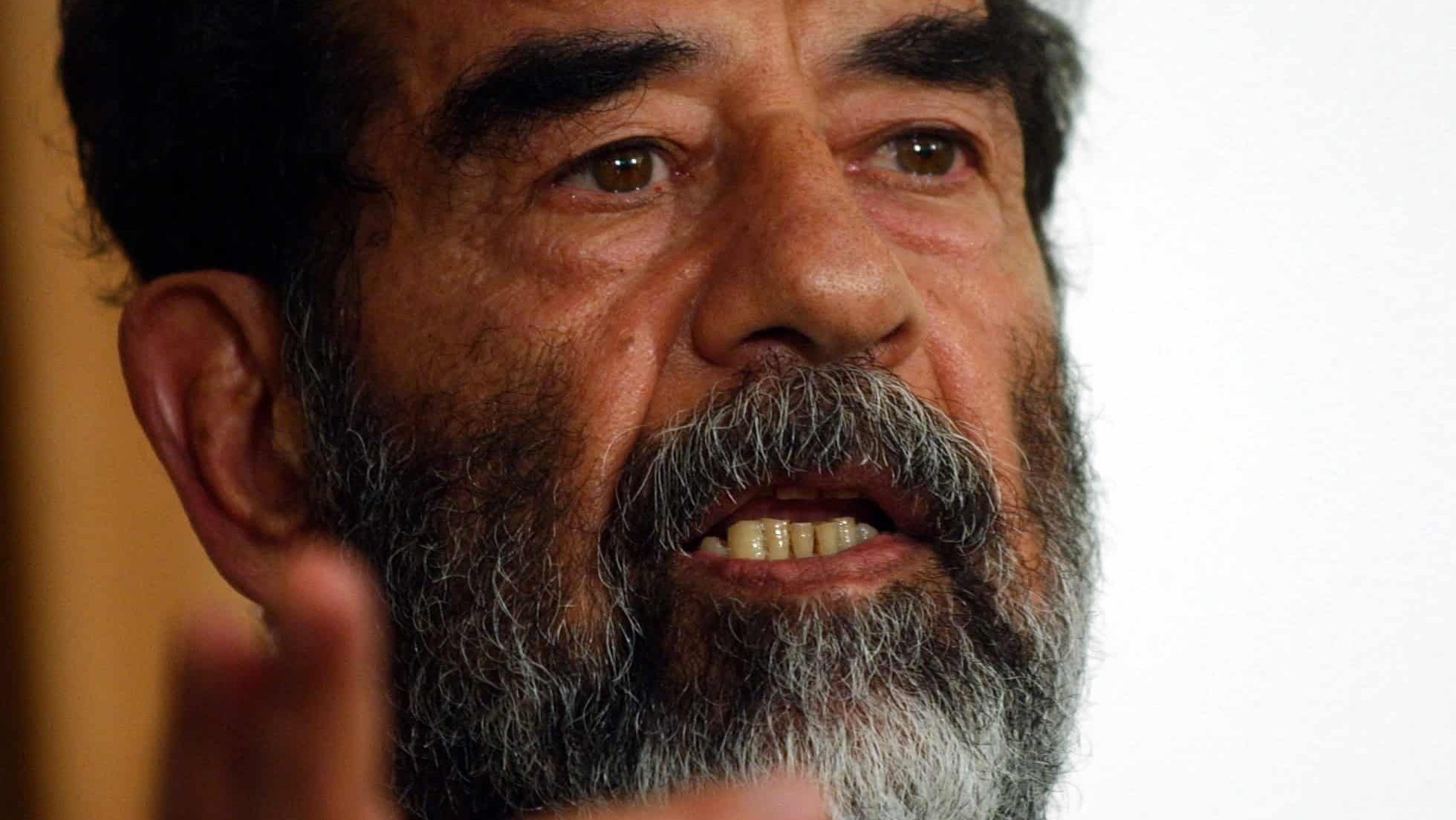
The final years of Saddam Hussein were pretty different from those before. He was Iraq’s ruler from 1979 until 2003, when the U.S.-led invasion removed him. As a ruler, he’d led the country through the Iran-Iraq War and the invasion of Kuwait. His party carried out violent campaigns against political opponents and Kurdish communities.
One Iraqi court later convicted him over the 1982 killing of 148 men and boys from Dujail. On December 30, 2006, Hussein was hanged, but the damage was already done. All those wars, all those prisoners, all those executions and crackdowns had taken their toll.
A decade-long search crossed into Pakistan
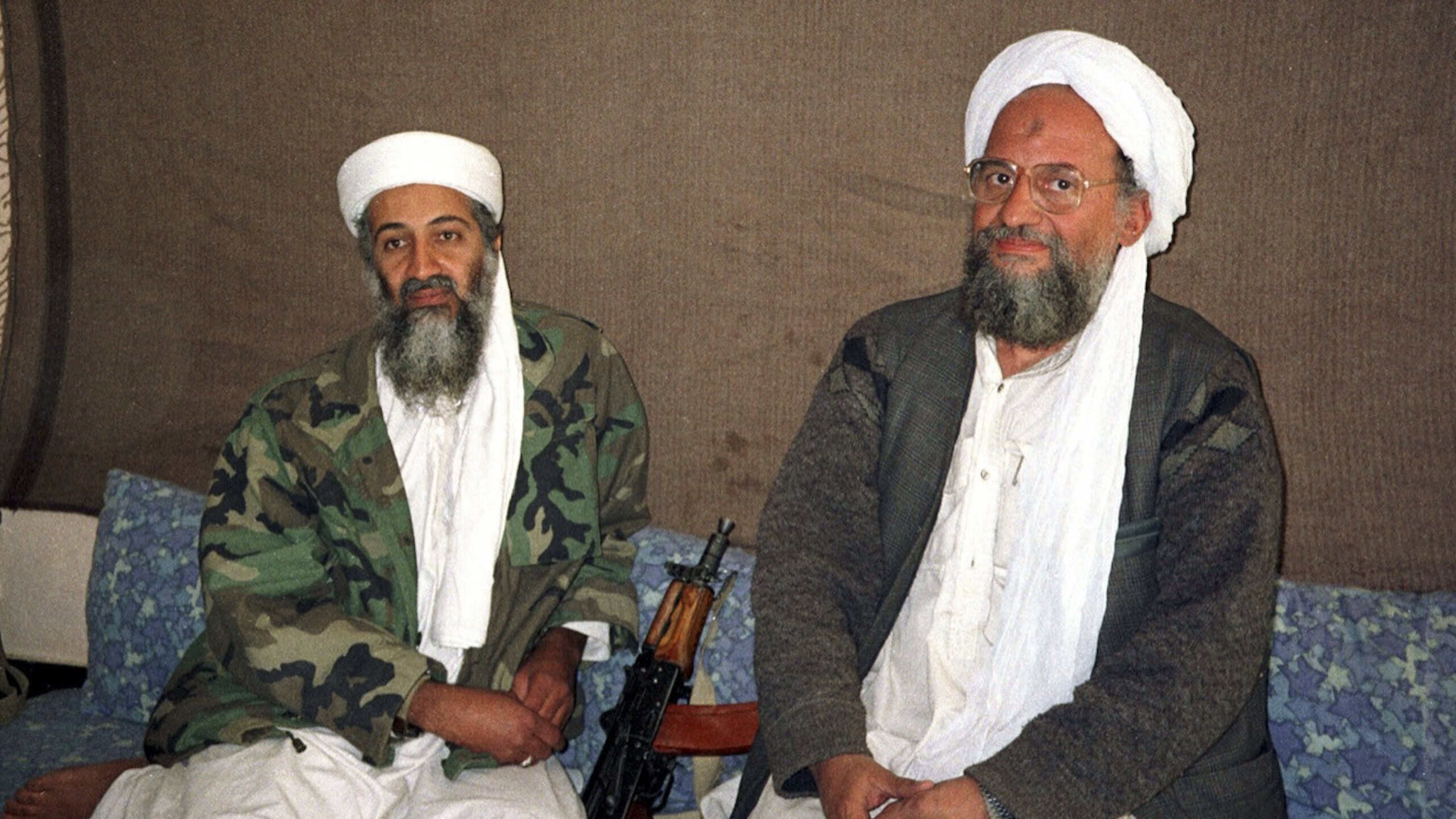
There was almost a full decade between the 9/11 attacks and the death of its organizer, Osama bin Laden. It was way too long. Bin Laden’s terrorist group, Al-Qaeda, trained the 19 hijackers, and U.S. authorities spent years trying to find its leader.
Bin Laden managed to escape capture in Afghanistan and eventually hid in Pakistan until U.S. troops raided his compound on May 2, 2011. The special forces killed him. Yes, it was the end of the manhunt, but the damage happened long before that. Nearly 3,000 people died in the September 11 attacks.
The sentence took 23 years

Shoko Asahara was another terrorist who escaped justice for far too long. As the leader of Aum Shinrikyo, he was behind the March 20, 1995, attack on the Tokyo subway. His followers released sarin nerve agent on the subway trains during rush hour.
They killed 13 people and injured thousands more. While the police did manage to arrest Asahara that very same year, punishment wasn’t exactly swift. He appealed his conviction repeatedly and remained on death row for years. It wasn’t until July 6, 2018, twenty-three years after the attack, that he was finally executed.
Court cases outlasted his remaining years

Had Augusto Pinochet died early, Chile would be in a very different place right now. But that’s not what happened. The former Chilean president left office in 1990 and had legal trouble following him for years afterward. He was arrested in 1998 after a warrant tied him to allegations involving killings, disappearances, and torture during military rule.
He faced prosecution and was put under house arrest, yet somehow, he didn’t receive a final criminal conviction while he was alive. Pinochet suffered a heart attack and died in December 2006. The cases against him were still moving, so he never faced true punishment for his crimes.
Seventy-seven minutes inside one school

Let’s get one thing straight, police were at Robb Elementary within minutes of the school shooting starting on May 24, 2022. But that’s what made the following events so difficult to understand. Salvador Ramos had entered the school in Uvalde, Texas, and killed 19 children plus two teachers.
Yet the officers at the scene waited a full 77 minutes before eventually killing Ramos. He’d caused endless destruction by that time, including injuring 21 people. If the police had killed him earlier, maybe some people would’ve survived.
Thirteen years passed before the apartment search
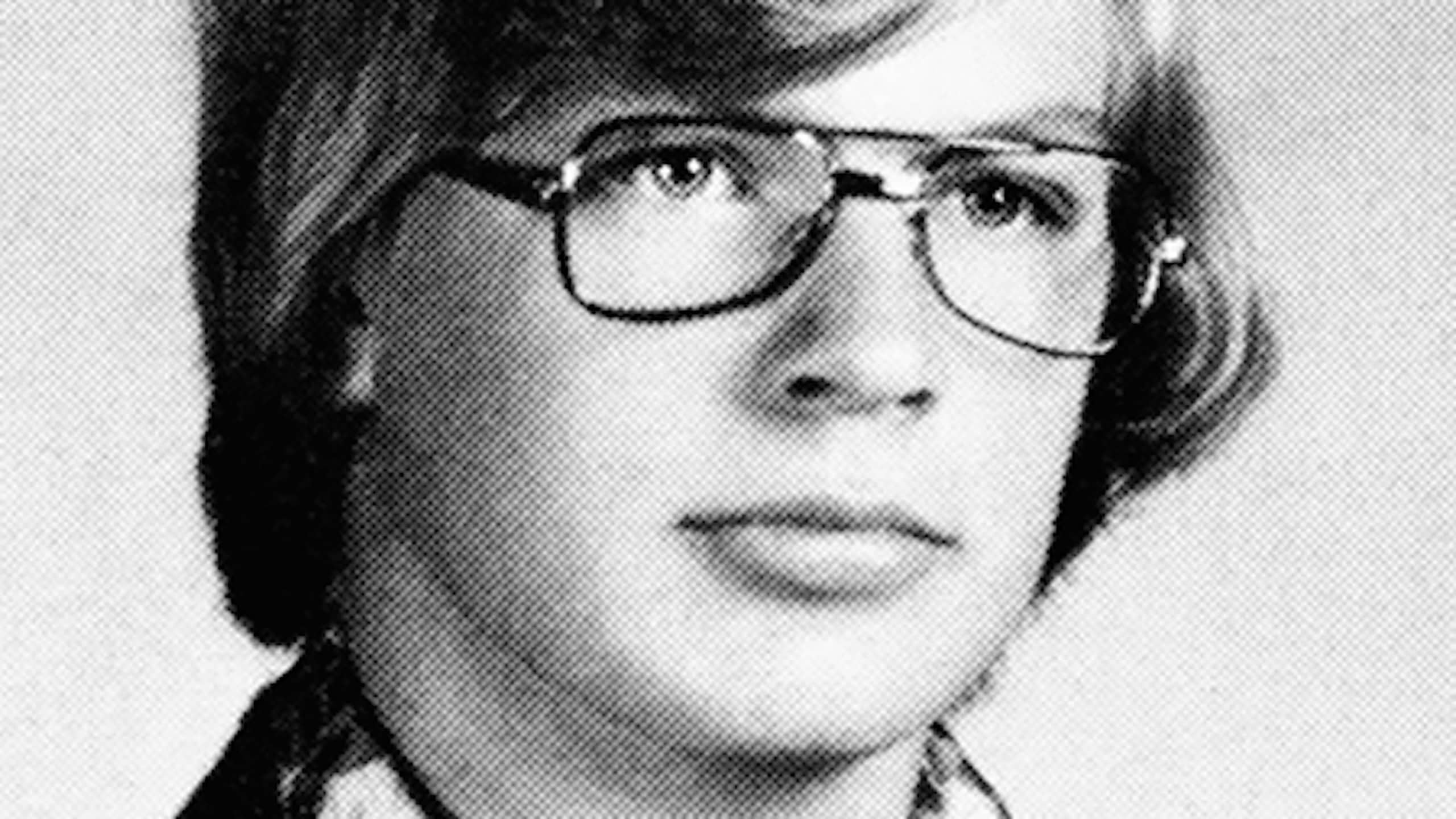
Serial killer and cannibal Jeffrey Dahmer was 18 when he committed his first known murder. But he wasn’t caught. He actually managed to continue killing for years, right until 1991 when one of his intended victims escaped. The victim went straight to the police. They went back to Dahmer’s Milwaukee apartment, where they found a true house of horrors.
Dahmer was imprisoned in 1992 for his crimes. Two years later, however, he was killed by another inmate, and Dahmer’s death came long after his victims had already died.
Sources: Please see here for a complete listing of all sources that were consulted in the preparation of this article.
12 people whose deaths changed the world
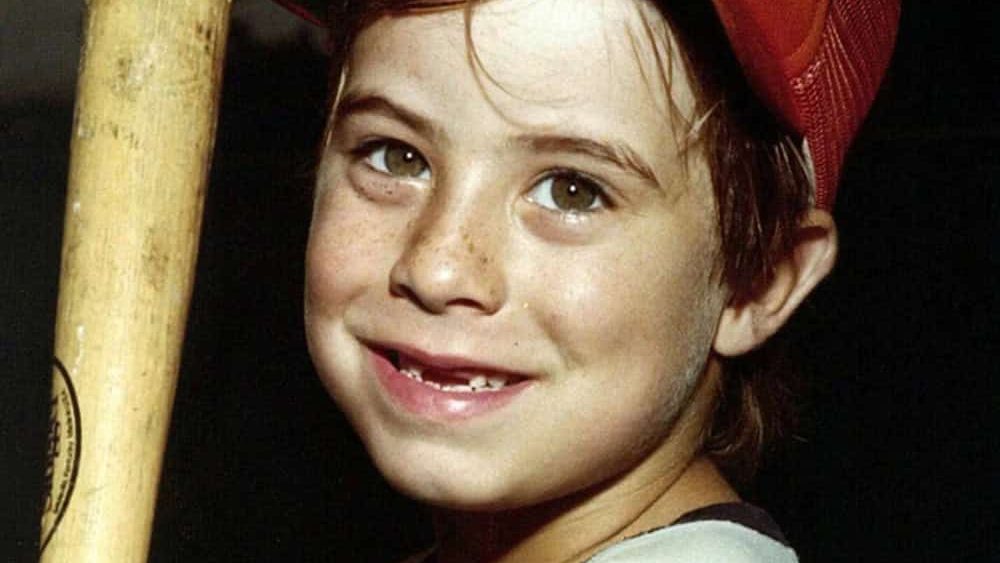
Some deaths did a lot more than make the headlines for a few days, as they actually ended up being the start of revolutions or public campaigns across the world.

