

Some medieval knights were famous for chivalry, but these men became famous for being terrifyingly good at war.
Richard the Lionheart
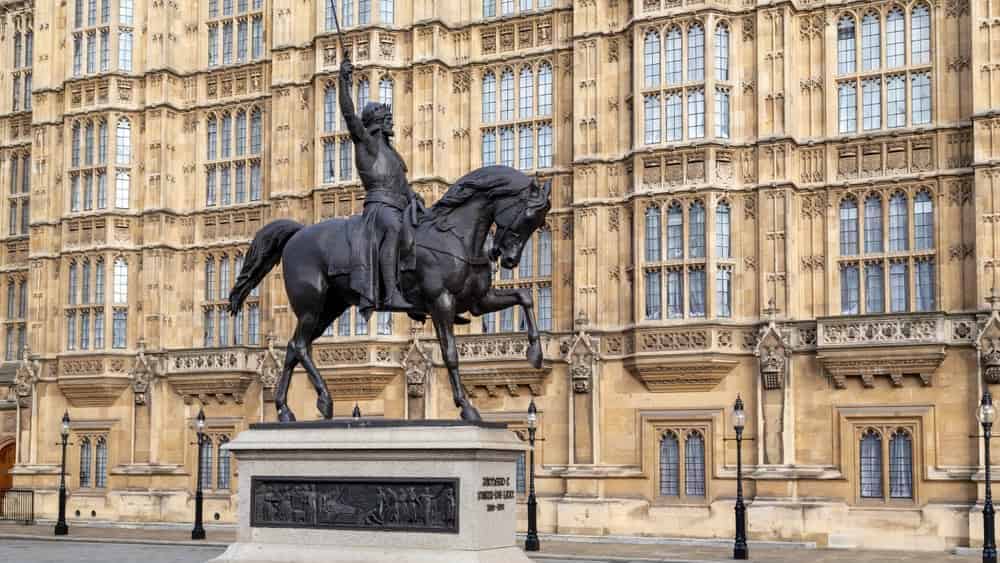
King Richard I of England (1157–1199) led many campaigns, spending very little time in England during his reign. Richard became legendary as one of the great warriors of the Crusades. Leading the Third Crusade, he defeated Saladin’s army at Arsuf in 1191 and time after time displayed incredible personal bravery in combat.
Richard’s leadership and tenacity impressed even his Muslim adversaries. His reputation as a fierce warrior was such that tales of the Lionheart continued to spread throughout Europe and the Middle East centuries after his death.
Bertrand du Guesclin

Bertrand du Guesclin (c. 1320–1380) was considered one of France’s finest commanders in the Hundred Years’ War. He avoided pitched battles in favor of raids, sieges, and carefully choosing the times and places to attack in order to gradually wear down England’s hold on French soil.
Once he became Constable of France in 1370, King Charles V of France was able to reconquer much of the territory previously lost to the English. Du Guesclin became one of the greatest threats the English army had to face while fighting in France during the 14th century.
William Marshal
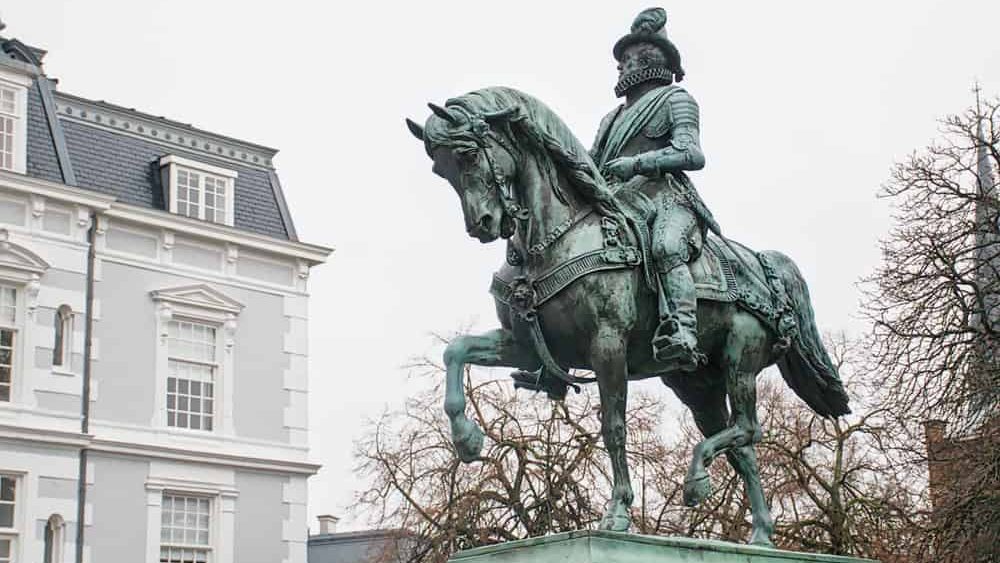
William Marshal (c. 1147–1219) started life as a younger son who inherited little land. Through success at tournaments and warfare he gained fame and served five English kings. He was famed for prowess with weapons and on horseback.
He rode into battle at the age of seventy, commanding his forces during the Battle of Lincoln in 1217 and personally defeated the invading French army and its English supporters.
Robert the Bruce
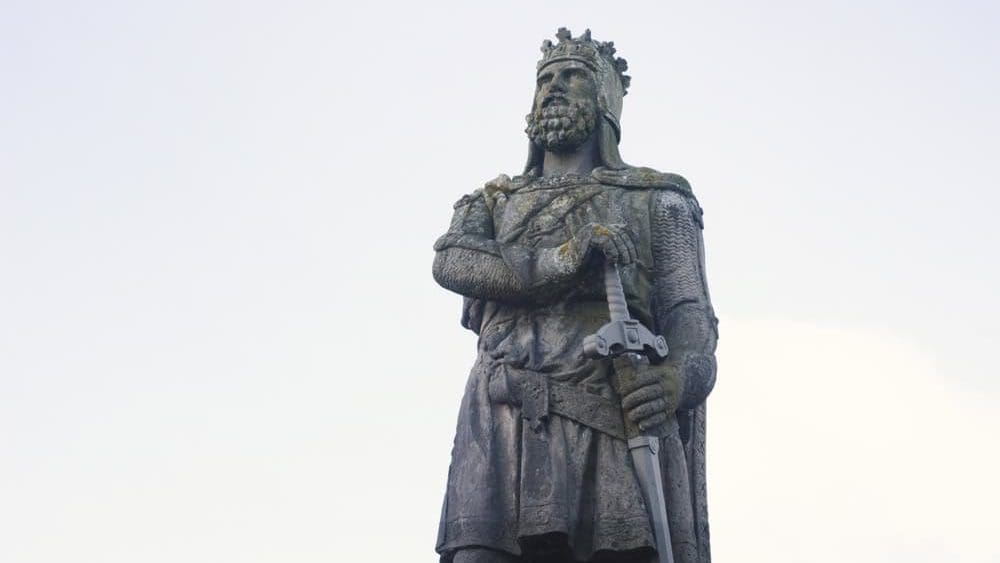
Robert I of Scotland (1274–1329) was not only a king, but he was a seasoned medieval warrior who fought on the front lines. Before the Battle of Bannockburn in 1314, Bruce stood his ground as English knight Henry de Bohun charged towards him. Legend has it that Bruce struck him down in one blow with his axe. Bruce’s Scottish forces went on to soundly defeat the much larger army of Edward II.
Edward the Black Prince

Edward of Woodstock (1330–1376), also known as the Black Prince, earned his fame at the tender age of sixteen at the Battle of Crécy in 1346. A decade later, his outnumbered Anglo-Gascon force triumphed at Poitiers, capturing John II of France.
Edward also led harrowing chevauchées, wherein large bodies of mounted men would burn settlements and crops in enemy territory, to wreak havoc on the French economy.
John Hawkwood
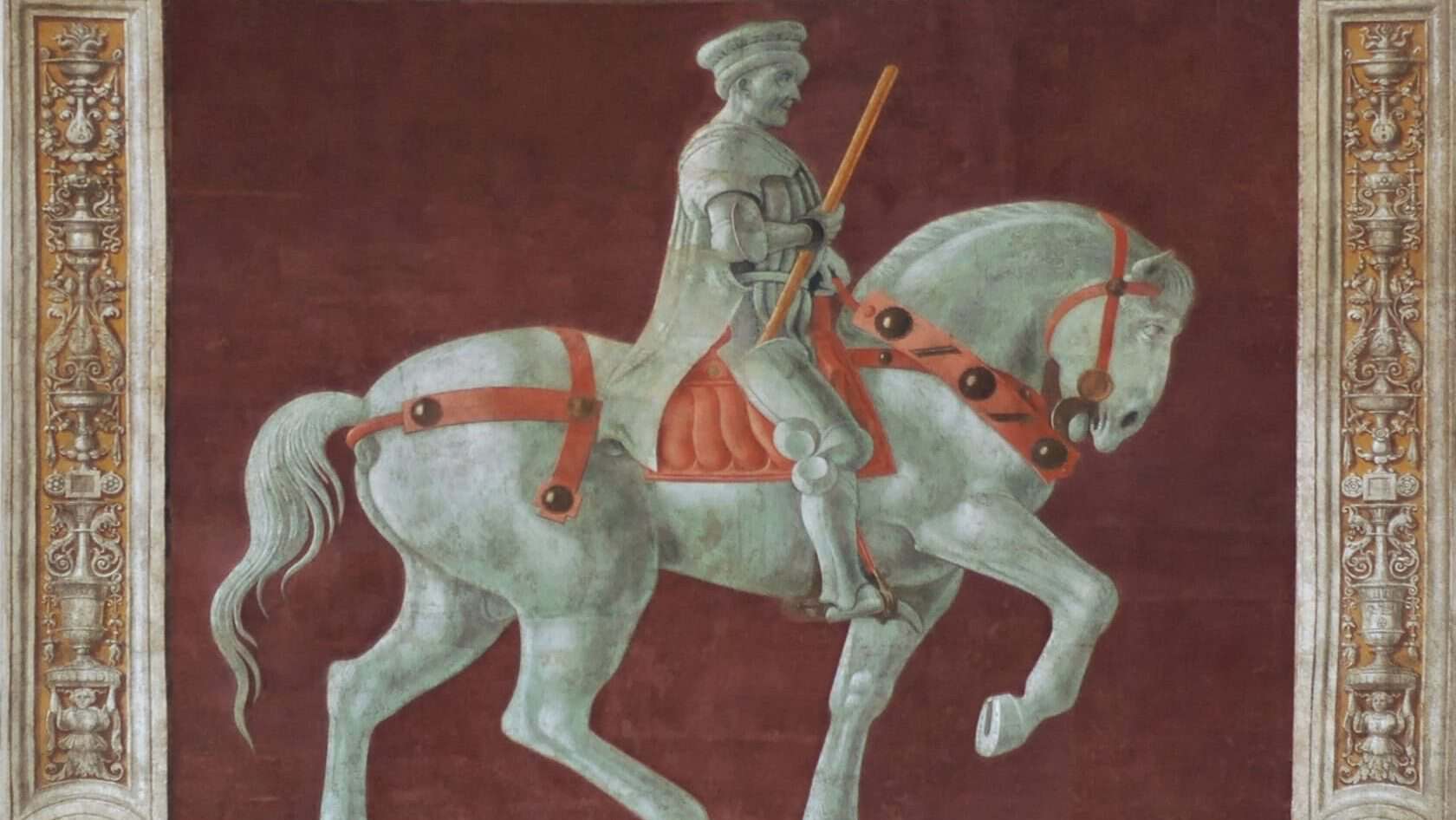
English soldier Sir John Hawkwood (c. 1320–1394) became a prominent mercenary leader in 14th-century Italy. Hawkwood, who commanded the famed White Company, both fought for and against Italian cities and states depending on opportunity and agreements.
Mercenary companies such as Hawkwood’s could be very mobile and tactically effective, and cities would often pay large sums to avoid having mercenary companies enter their territory.
Bayard

Pierre Terrail, Seigneur de Bayard (c. 1476–1524), was immortalized for his gallantry in battle during the Italian Wars. He was celebrated for, at one point, fighting alone to hold a bridge over the Garigliano while the rest of his army escaped across, against a larger Spanish force. Bayard acquired the lifelong nickname “the knight without fear and beyond reproach”.
Rodrigo Díaz de Vivar

Rodrigo Díaz de Vivar (c. 1043–1099), also known as El Cid, was a Castilian warrior who both fought for and against Christians and Muslims during his career.
He spent his life in medieval Iberia where allegiance to both political and religious leaders was often murky at best. El Cid is most well known for capturing the city of Valencia in 1094 and ruling it until he died.
Geoffroi de Charny

Geoffroi de Charny (c. 1300–1356) was an influential French knight, military leader, and author who penned treaties on chivalry and war. Many of his peers considered him the epitome of the warrior ideal, and King John II of France named him one of the two Knights that would carry the Oriflamme, France’s holy royal banner, into battle. Fighting alongside the king at Poitiers in 1356, he died rather than leave the king’s standard behind.
Jean de Carrouges
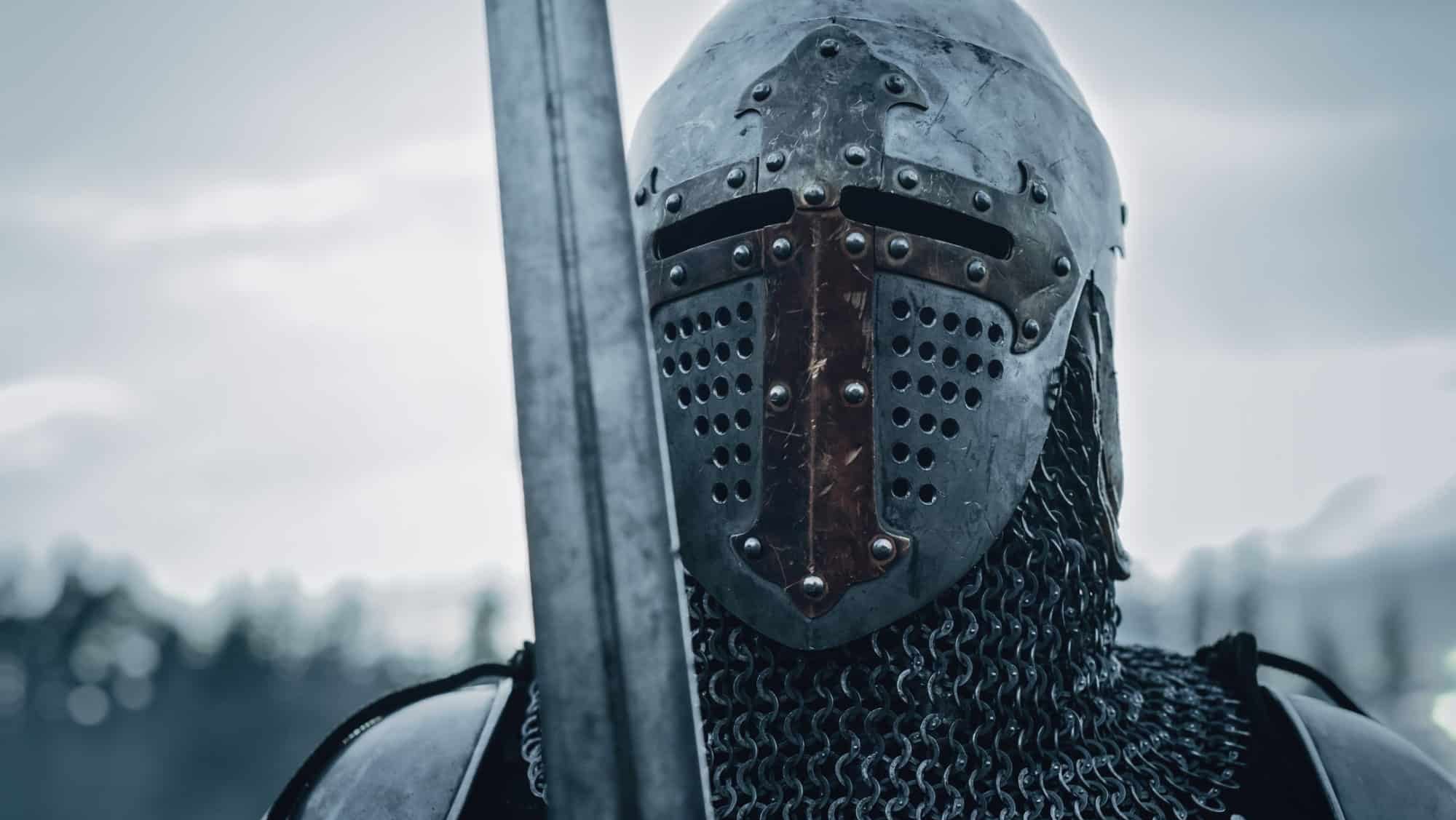
Jean de Carrouges (c. 1330s–1396) was a French knight who participated in several military campaigns throughout the Hundred Years’ War. He is most famous for taking part in the judicial combat of 1386 against Jacques Le Gris.
In full view of what was possibly the largest audience in medieval Paris, Carrouges fought Le Gris after leveling accusations of rape against his wife Marguerite. Carrouges won the fight in vicious hand-to-hand combat, killing his opponent in the process. He continued to fight in battles until his death in battle against the Ottomans at Nicopolis in 1396.
Sources: Please see here for a complete listing of all sources that were consulted in the preparation of this article.
Like our content? Be sure to follow us.
7 forbidden history facts about the Knights Templar
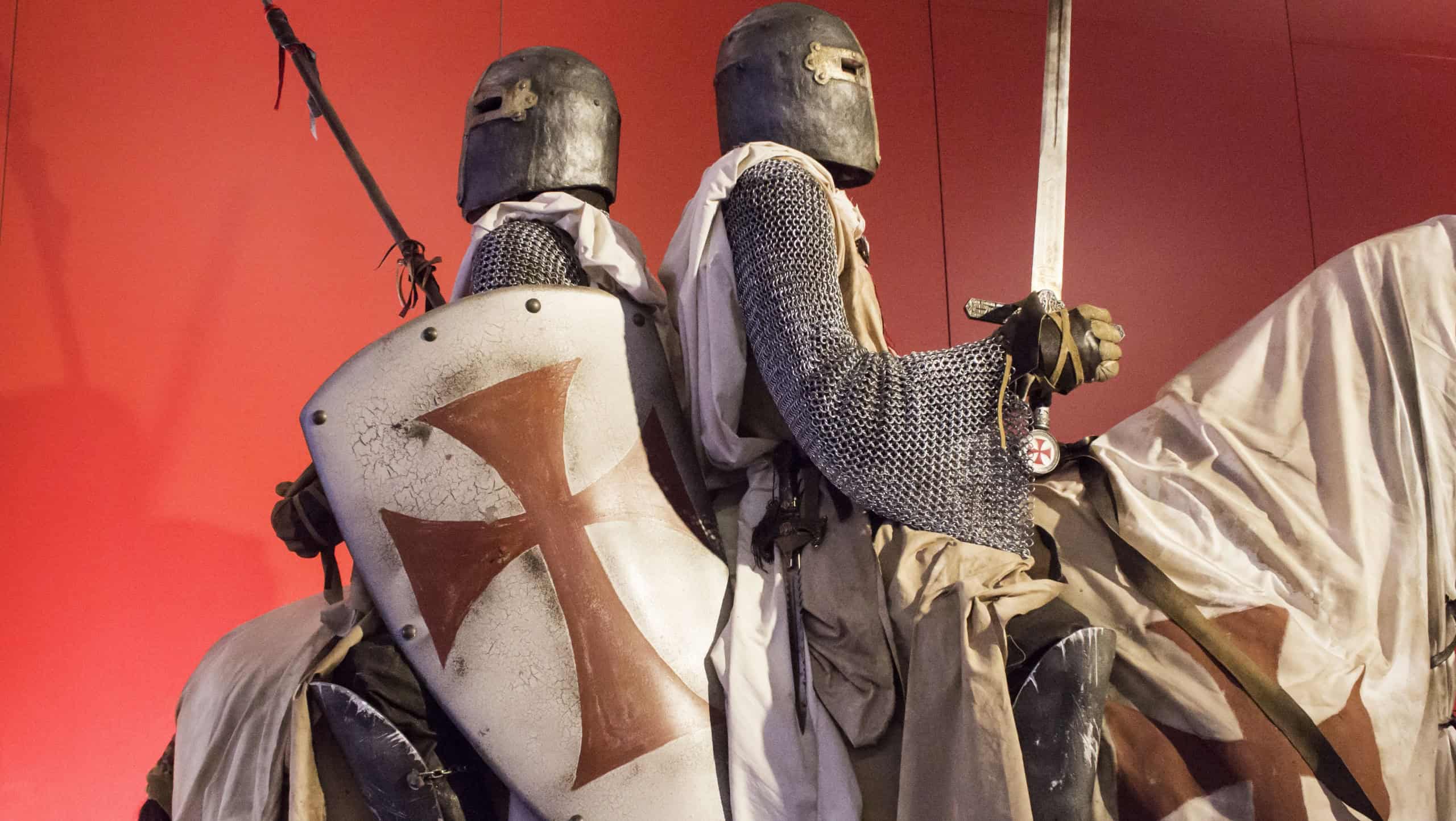
Peel back the layers of legend, and the actual accounts from their trials and financial papers reveal a Templar narrative far wilder than any tale.

