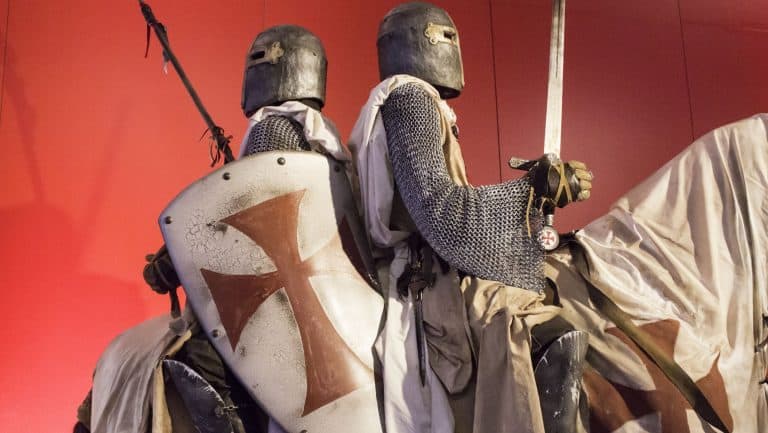

Peel back the layers of legend, and the actual accounts from their trials and financial papers reveal a Templar narrative far wilder than any tale.
Above kingdoms

During the year of 1139, Pope Innocent II wrote Omne Datum Optimum, a papal bull that essentially granted the Templars sovereignty as their own international entity answerable only to the Pope.
The order was exempt from most local taxes and tithes. This afforded the Templars a substantial financial edge against most other groups of that era.
While spreading through Europe and the Middle East they were able to transfer funds and own land across multiple kingdoms with minimal restrictions. It was something others could only wish for. Thanks to this, they were able to found one of the richest entities during the Middle Ages.
Exile

We may envision knights fighting epic battles at all hours of the day and night, but in reality knights had to abide by rigorous health codes.
The Templar Rule dictated that if a brother suffered from persistent, foul-smelling breath that physicians couldn’t cure, he was to be isolated from the communal dining hall and living quarters.
This was not meant to shame the individual. It was more of a sanitary procedure. He would receive his own quarters and his own laundry service until he was healed.
Blood brothers
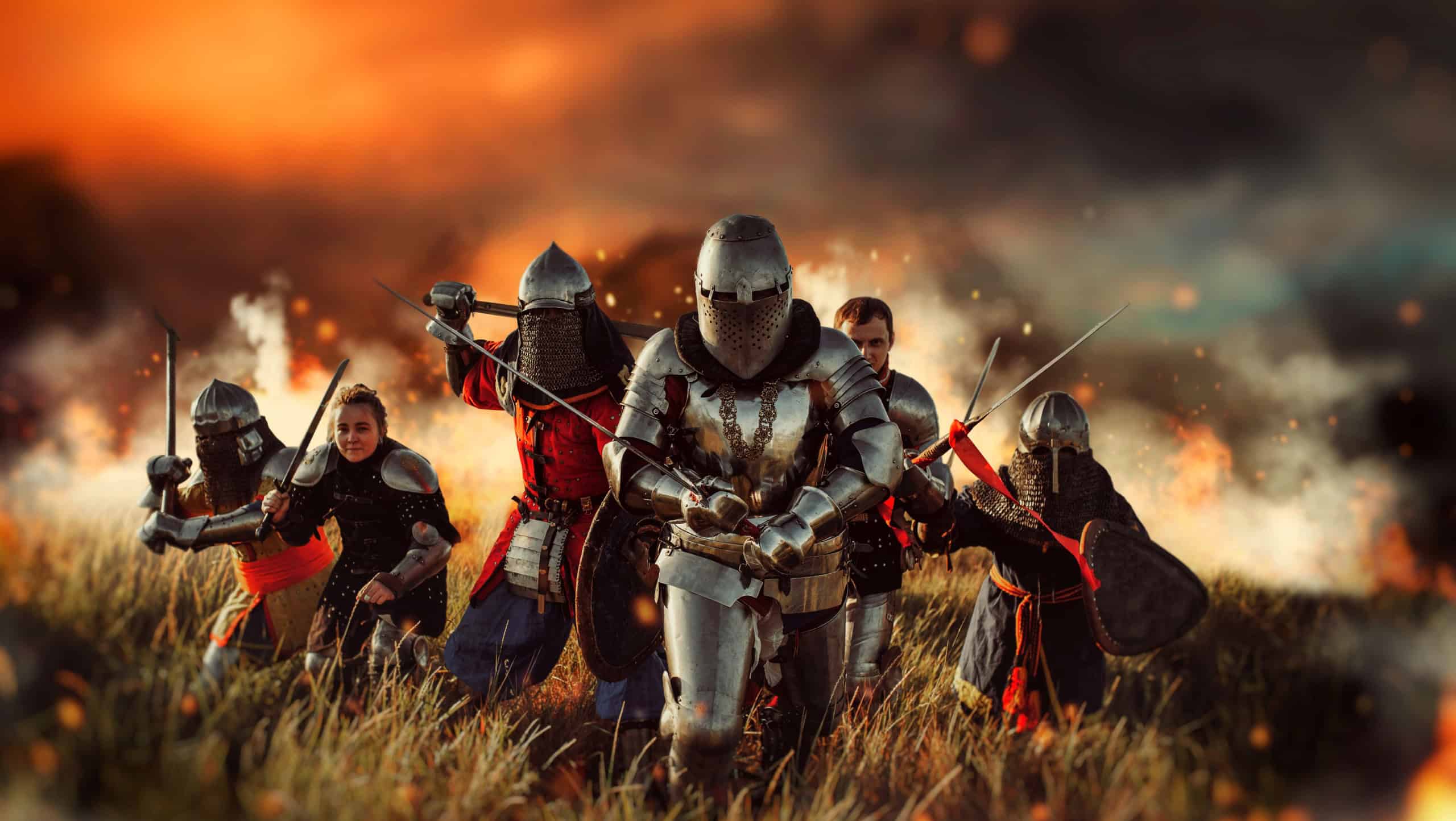
The Crusades aren’t remembered as friendly encounters between Christians and Muslims. Enemies, they remained. But, the reality was often messier.
Imprisoned in 1261, the Templar knight Matthew Sauvage forged a blood-brother pact with the Mamluk Sultan Baybars, his captor.
Records show they kept in touch for quite some time after their meeting. Crossing battle lines to visit each other, the pair unofficially brokered ceasefires using their unique bond.
Vanishing fleet
King Phillippe IV of France gave orders for a surprise crackdown on the Knights Templar nationwide, beginning on October 13th, 1307.
The king secretly coveted their vast fortune for himself, aiming to finally arrest and imprison them en masse and settle his own crown’s debts.
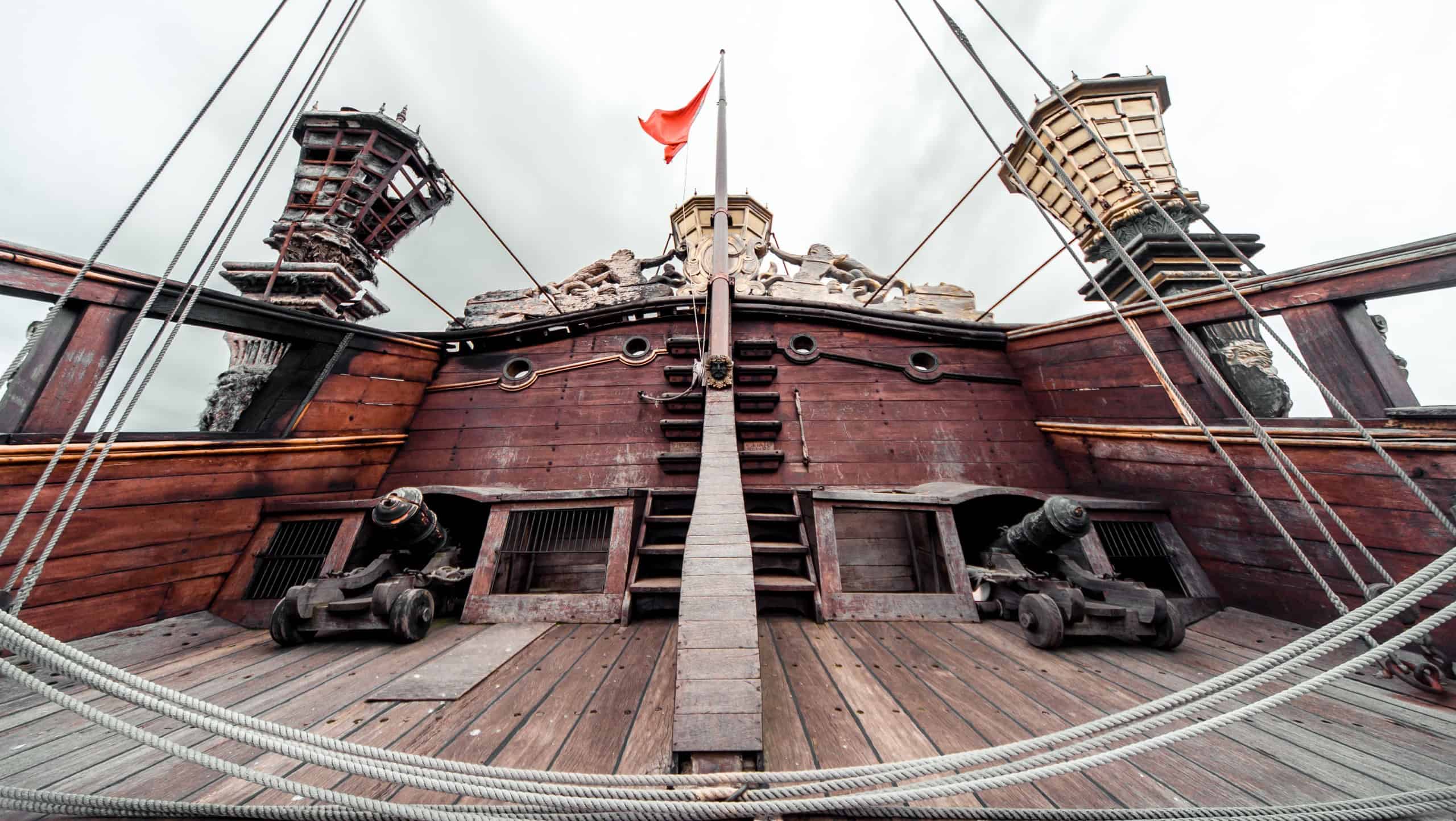
Ledger books from the time show that upon forced entry to the Templar’s heavily guarded Temple in Paris, not only was their treasure vault found to be empty, but port records from days before show that a large, clandestine fleet of Templar ships slipped out of port under darkness, sailing into the Atlantic with much of their riches.
Sisters
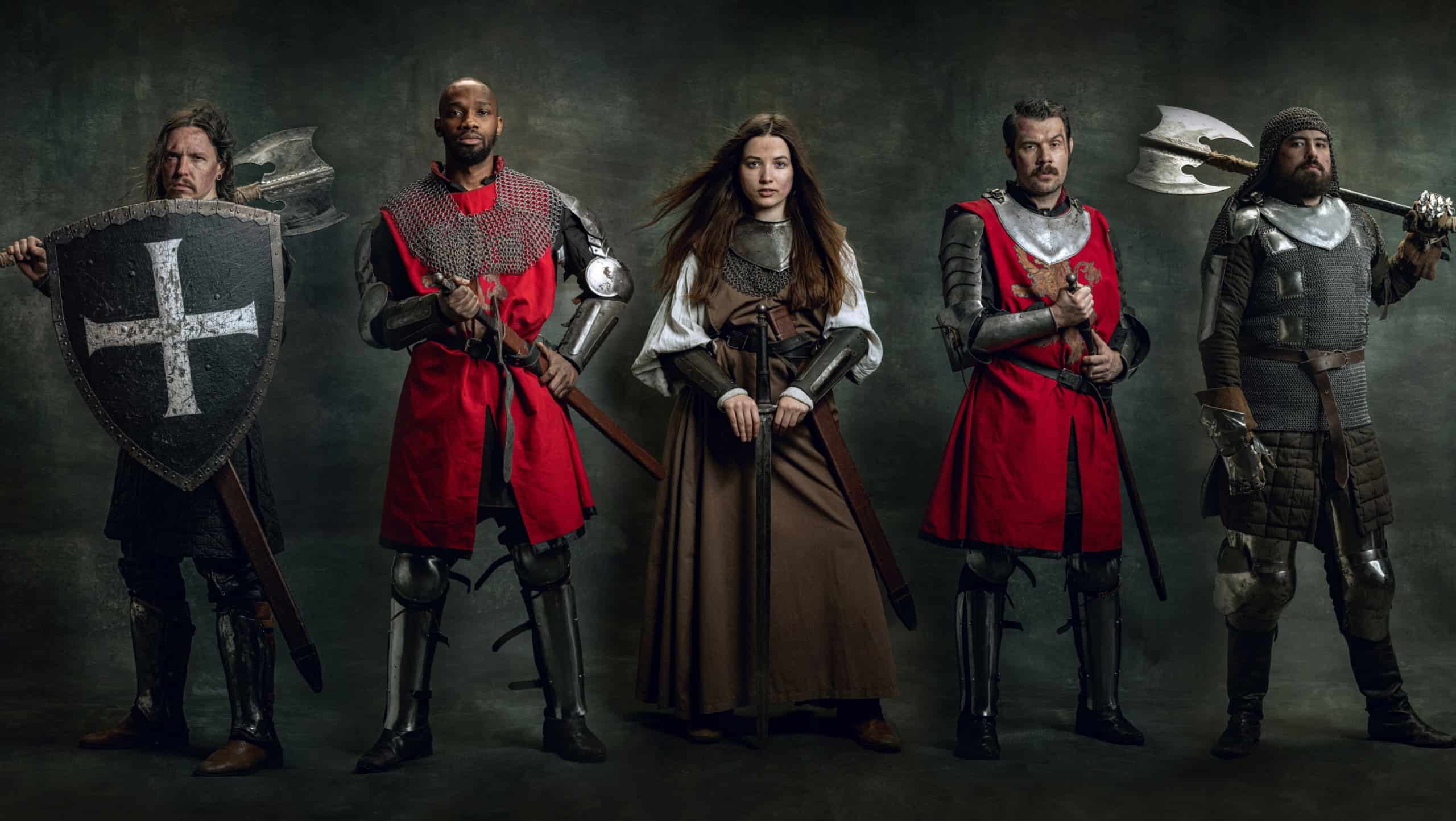
Despite rules within the order expressly forbidding membership by women in order to evade spiritual distraction, medieval deeds to properties and legal documents confirm that official “Templar sisters” were known to have existed.
Female names appear in regional house charters throughout Europe where women such as Berengaria of Lorach were officially registered as soror (sister) of the order.
Far from being confined like nuns, these women managed estates, were involved in making decisions, and offered formal advice to the heads of the houses.
Lion permission

In order to ensure that the Templars adhered strictly to their responsibilities and did not behave like knights of old that were free noblemen, which meant many days being spent hunting on exclusive hunts, the order outlawed the pursuit of wild game.
One glaring exception existed in their code: Knights were instructed to hunt down and slay lions whenever possible.
As a practical way to keep vulnerable pilgrims safe from the Middle East’s dangerous predators, the Templars were among the select few religious orders authorized for big-game hunting.
Entire island
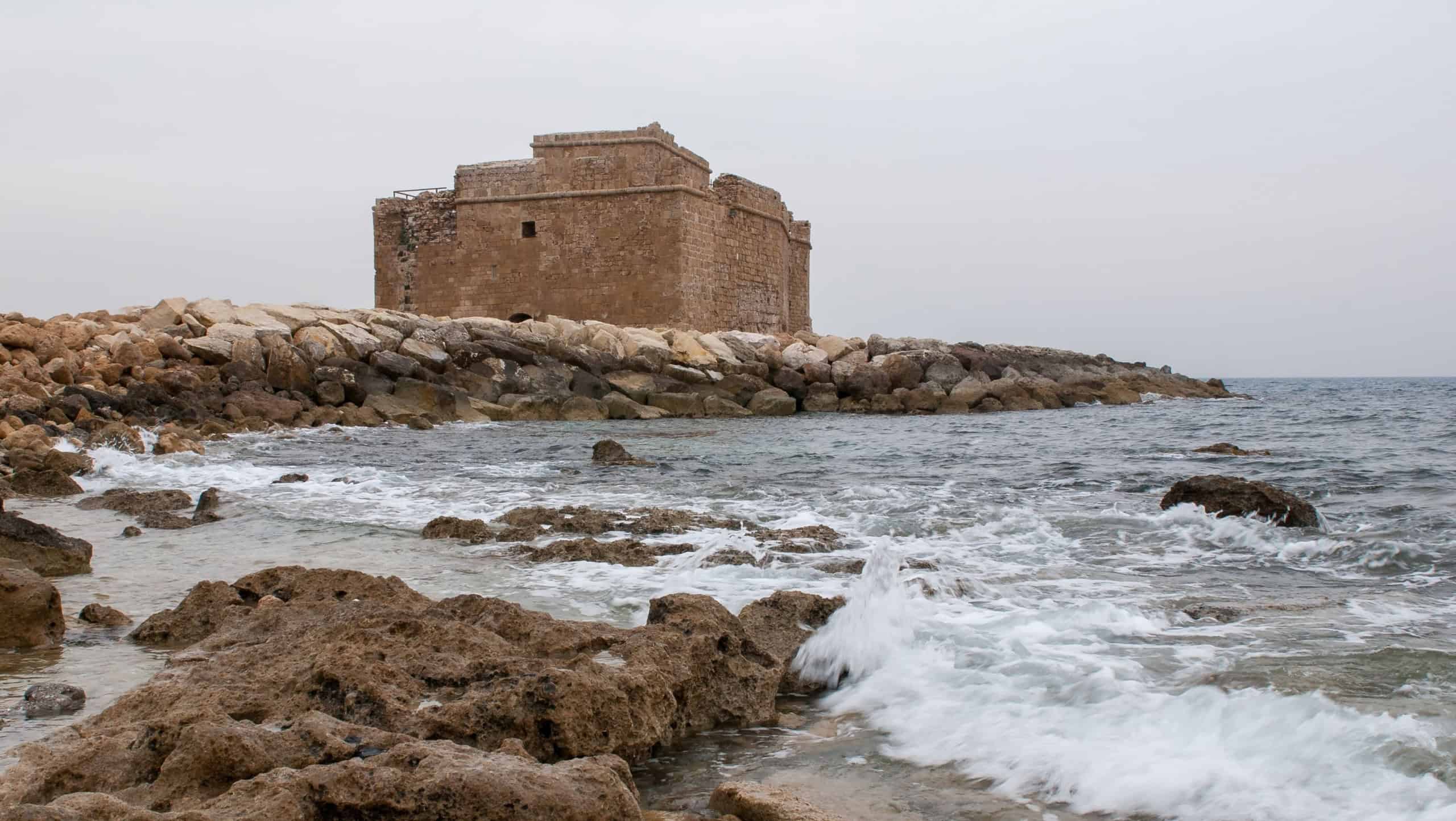
The Templars became so rich they ended up owning property of their own instead of merely managing other people’s wealth.
Knight Templar bought the whole Cyprus island from King Richard the Lionheart when he was strapped for cash in 1191 for 100,000 gold coins.
The order controlled it and used Cyprus as a major stopping point for vessels traveling throughout the eastern Mediterranean Sea.
However, their rule soon ended. High taxes led to several rebellions by locals, and the cost of maintaining it was too high so they sold the island once again the year after they purchased it.
Sources: Please see here for a complete listing of all sources that were consulted in the preparation of this article.
Like our content? Be sure to follow us.
The 15 ugliest historical figures
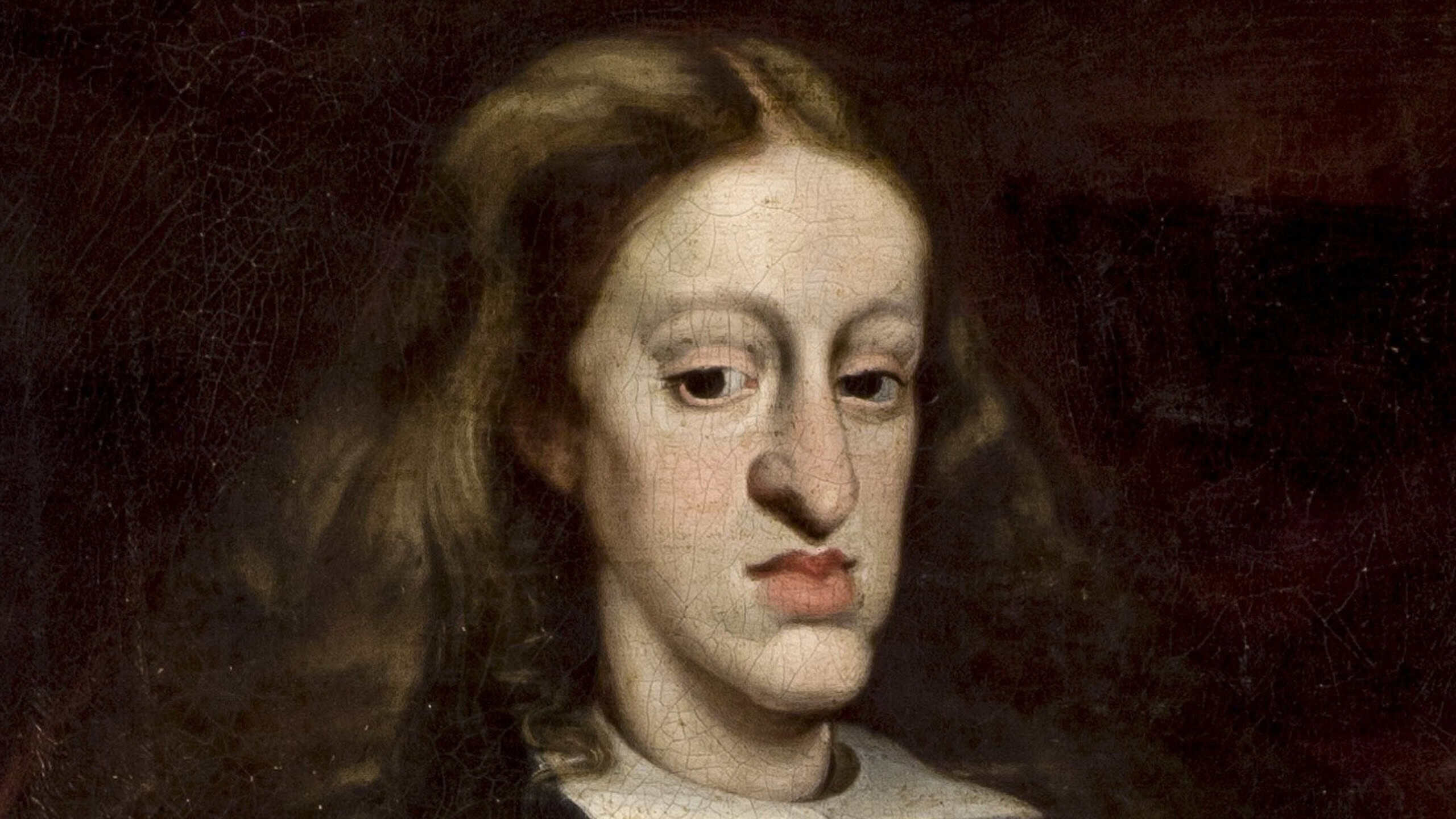
A lot of historical figures are remembered for their power and genius, but then there are the others, the ones that history remembers because they were downright unattractive.


