

America has added plenty of new landmarks over the years, but some of its most beloved places were lost forever, leaving behind only photos and memories.
Pennsylvania Station
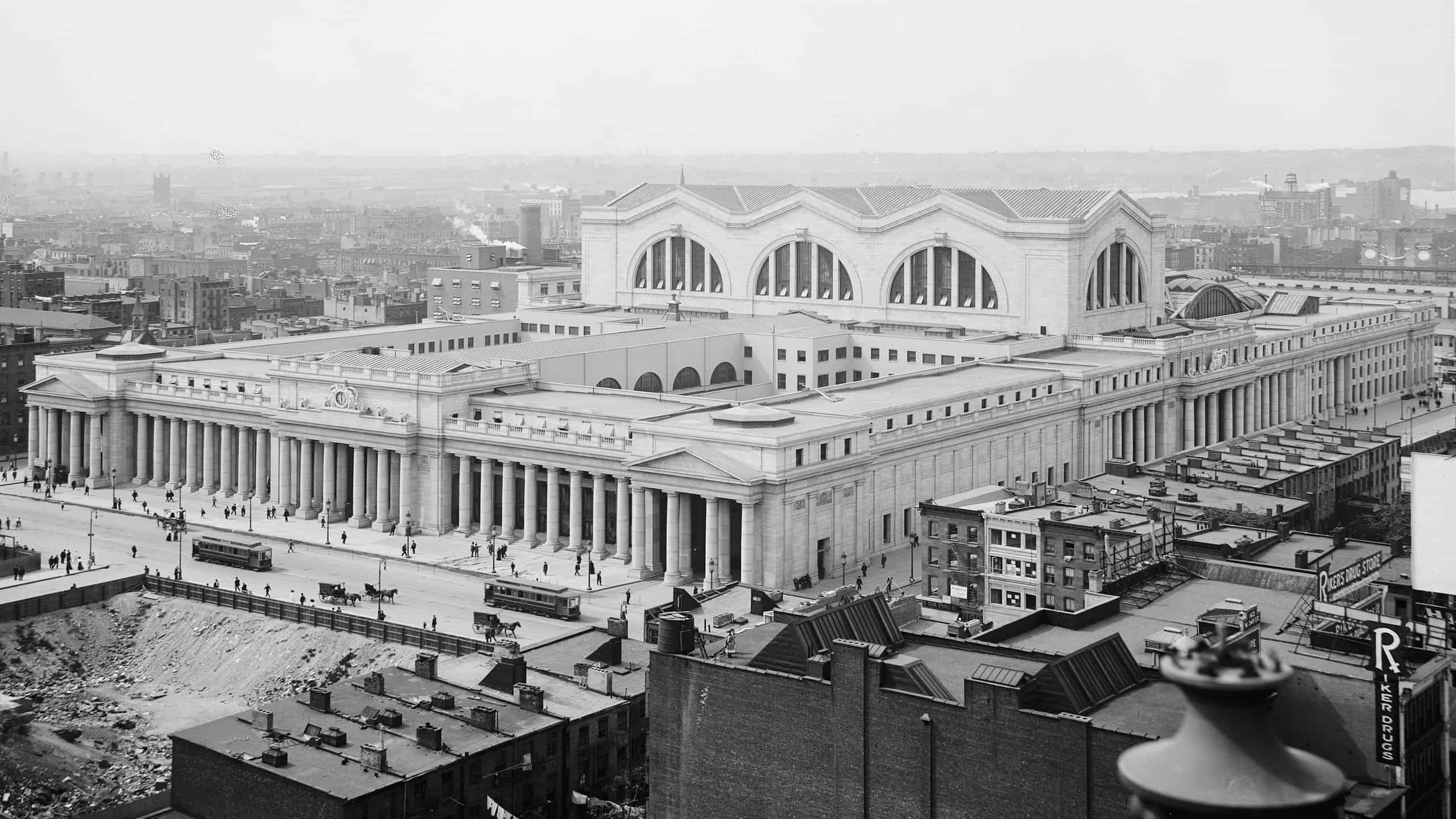
The original New York City train hub, Pennsylvania Station, was a breathtaking spectacle of pink marble, towering stone columns, and massive glass ceilings. When it opened in 1910, everyday commuters passed through soaring halls flooded with sunlight and felt like kings.
The city destroyed this Beaux-Arts cathedral in 1963 to make room for the current Madison Square Garden, inciting worldwide backlash that created the modern preservation movement.
Cincinnati Library
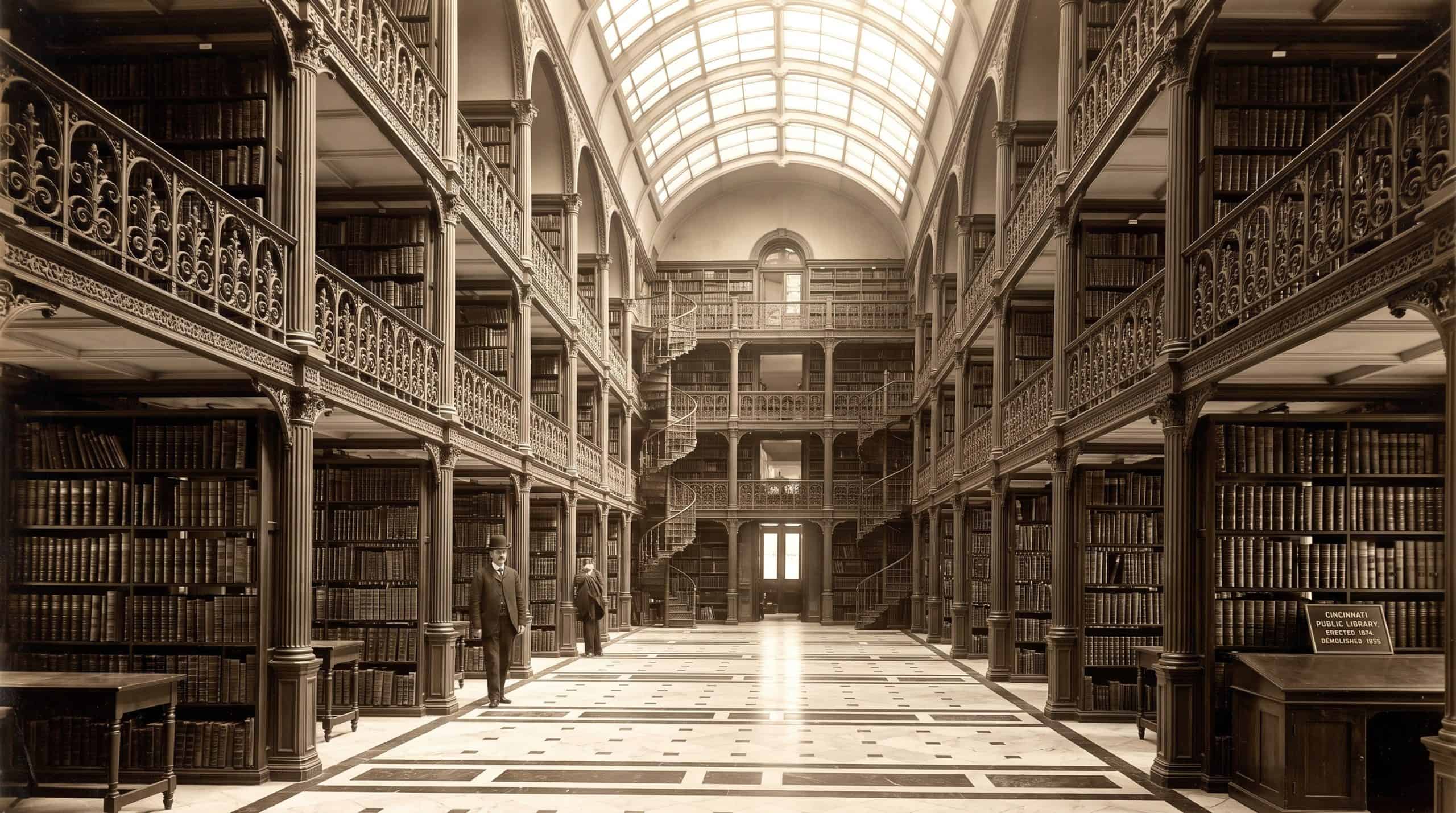
Often referred to as “Old Main,” this Ohio gem was built in 1874 and boasted five levels of stunning, cast-iron book alcoves. Natural light beamed down from a large ceiling skylight, bathing checkered marble floors and spiraling staircases between shelves upon shelves of leather-bound books.
Though considered architecturally unmatched, the space was deemed too cramped and poorly ventilated. It was demolished in 1955 to build what is today: a basic parking garage.
Richfield Tower
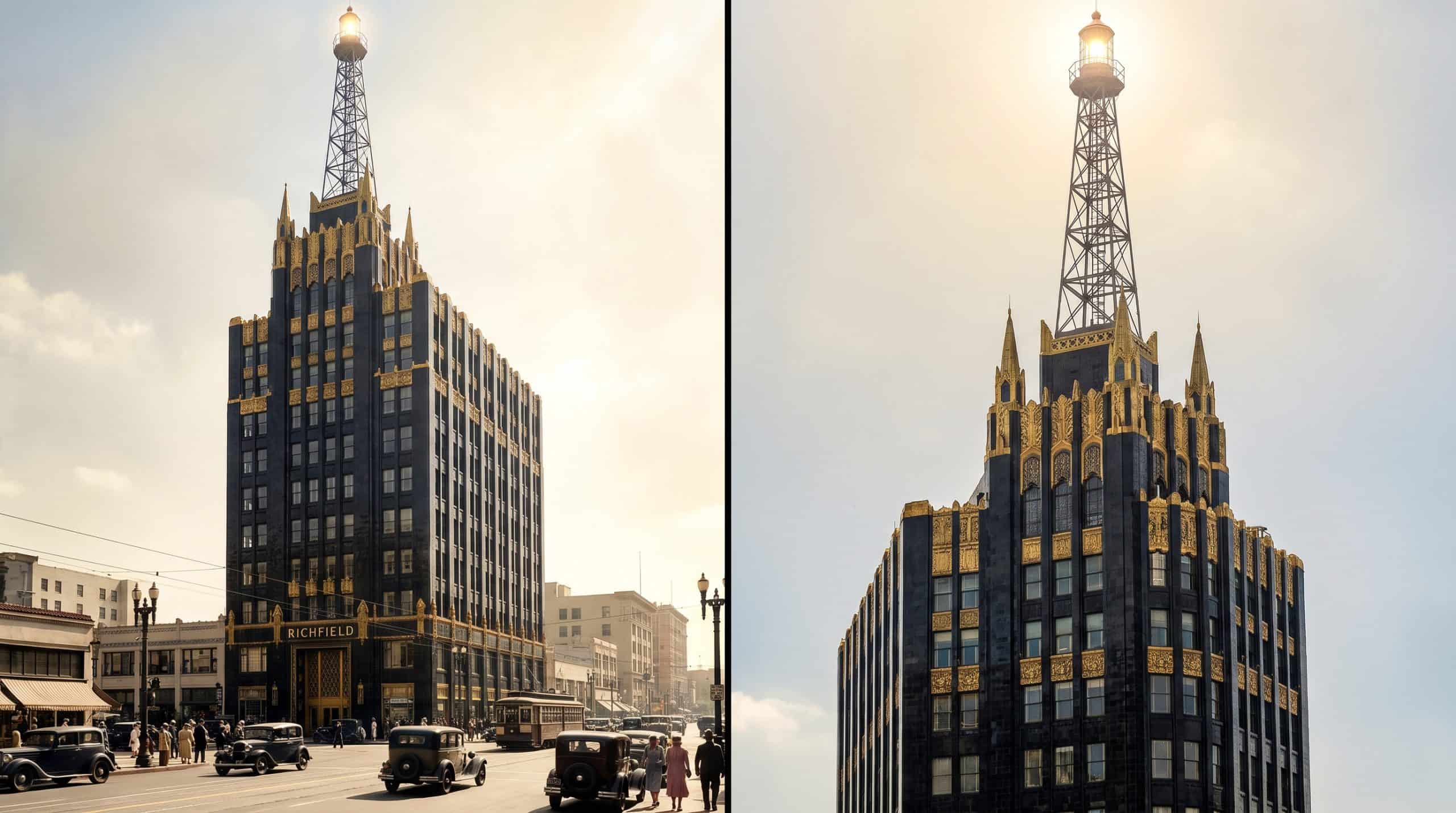
This elegant, 12-story skyscraper towered over Los Angeles as one of the finest examples of Art Deco architecture. Constructed in 1929 and sheathed in black-terra cotta tiles with genuine gold leaf trimming, its soaring 130-foot aviation light beacon blazed at the top.
It was a monument to the California oil rush, but was totally destroyed in 1969 to make way for two generic boxes for corporate bank towers.
Sutro Baths
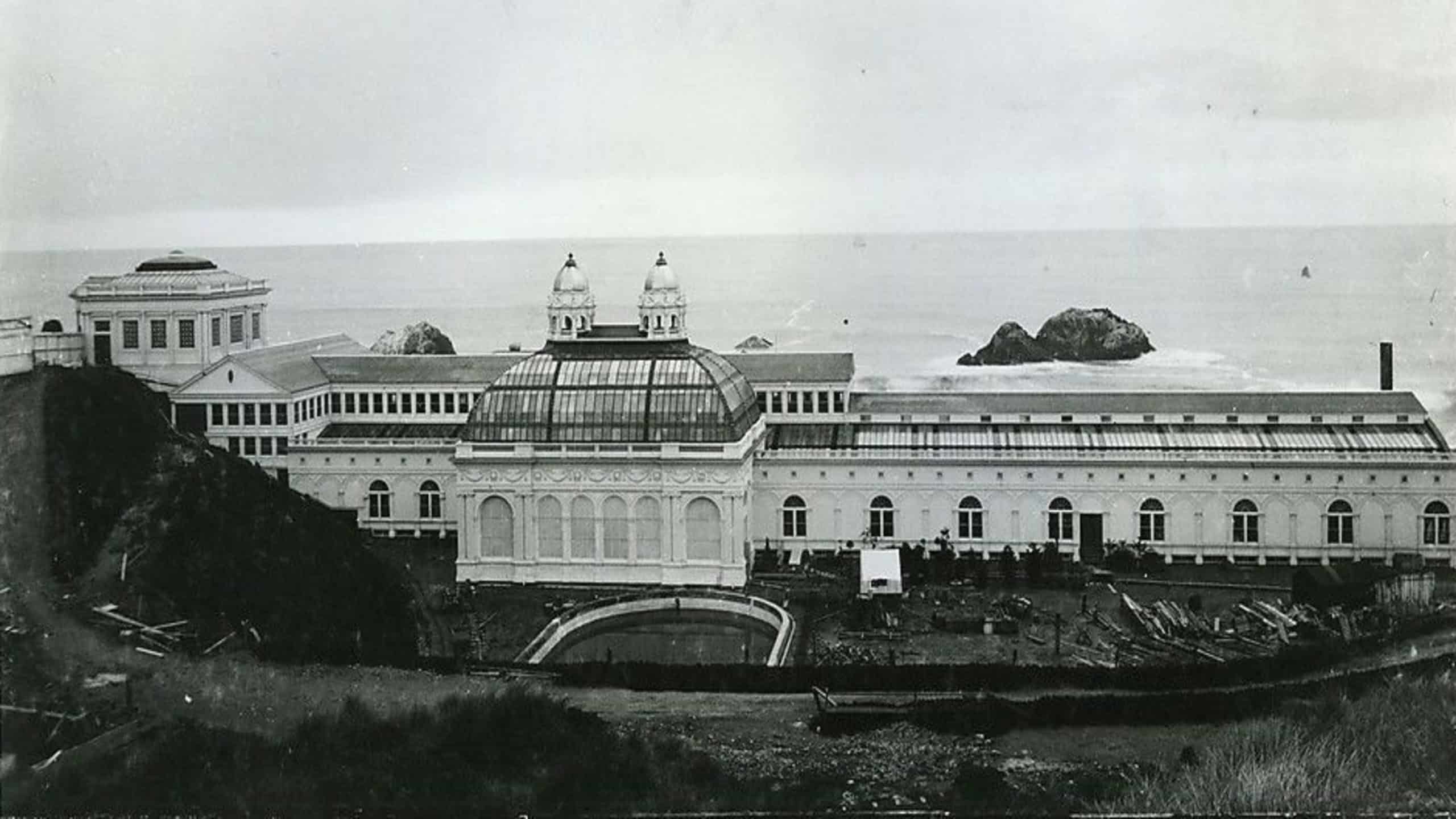
Situated on the cliffside of San Francisco was an enormous indoor pool complex constructed by a wealthy former mayor in 1896. Underneath an elaborate glass ceiling were six saltwater swimming pools directly connected to the ocean tide, an ice-skating rink, and a museum.
For decades, it was plagued by financial troubles and shut down. It ultimately burned to the ground in 1966 during an explosive fire while being actively dismantled for apartments.
Singer Building
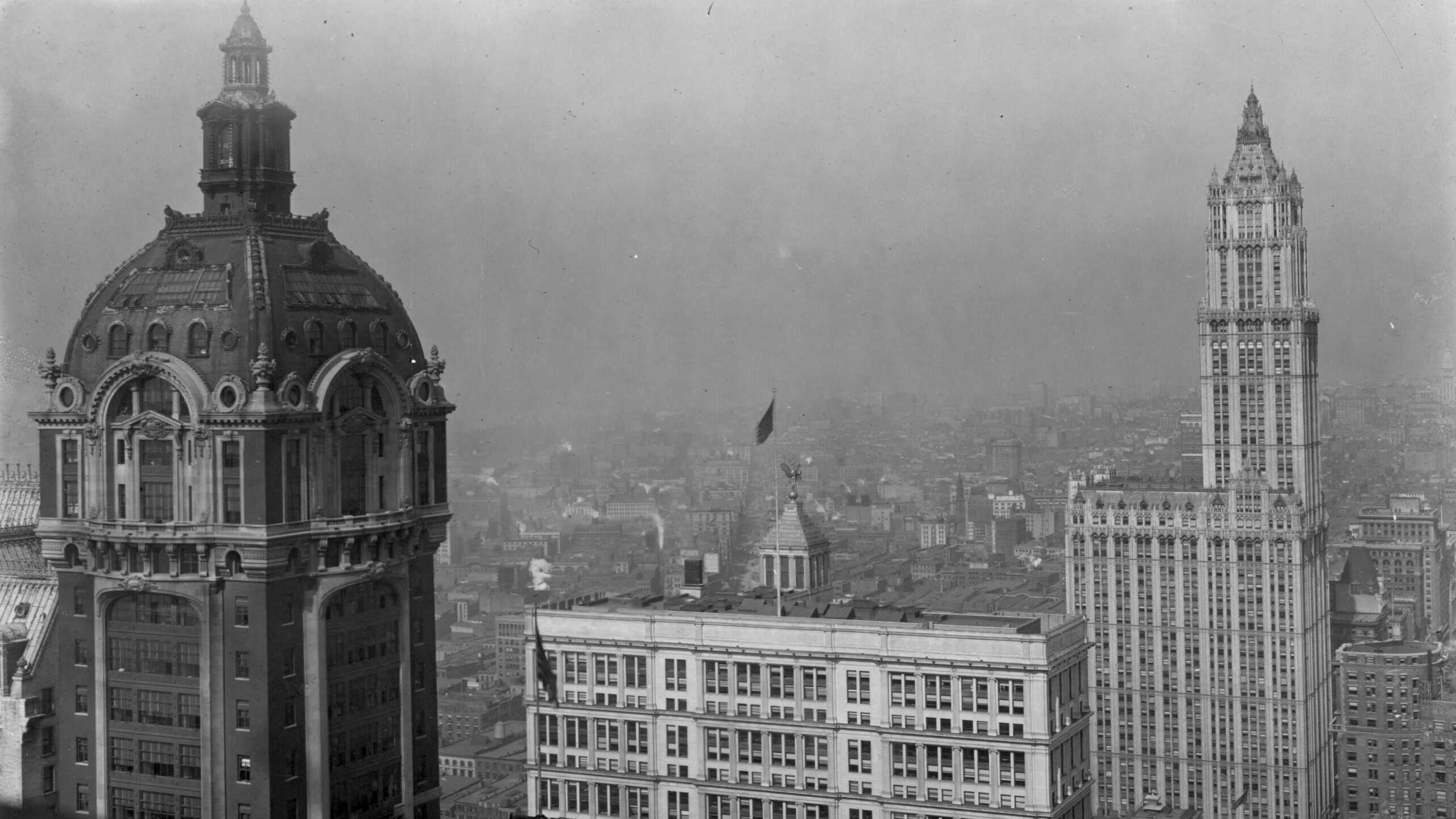
When this ornate building opened in Lower Manhattan in 1908, it was the tallest building in the world for a few years. Completed with an iconic rounded tower that soared 47 stories, it was built on top of a beautiful white marble lobby filled with columns and bronze adornments.
Its narrow office designs didn’t allow for the sprawling floor plans modern businesses required, so it was demolished in 1968.
Garrick Theater
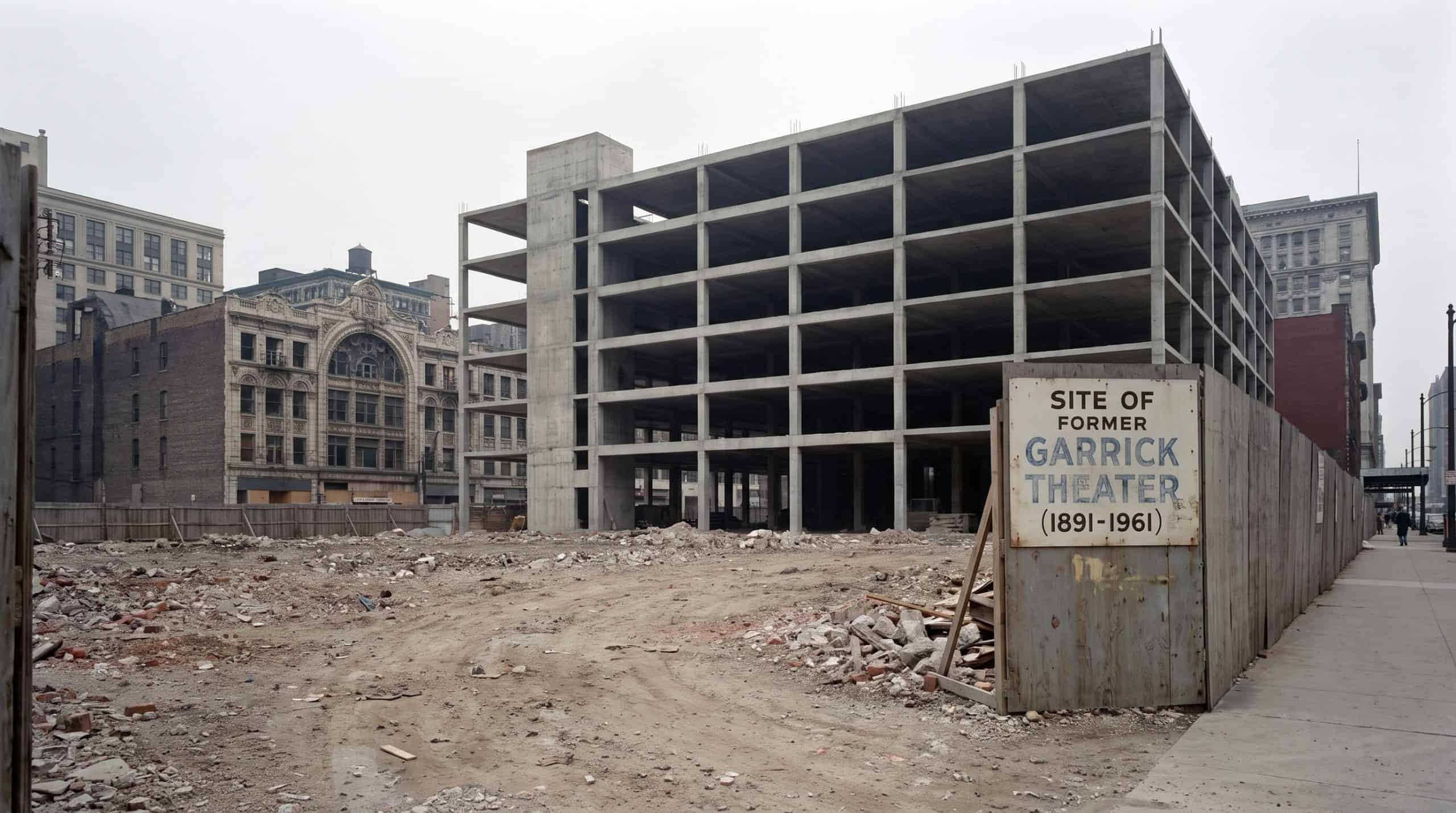
Formerly called the Schiller Theater, this Chicago beauty was crafted by famed architects Louis Sullivan and Dankmar Adler in 1891. It featured thousands of plaster busts carved into the ceiling and then coated in hand-painted gold.
Music reverberated off of its beautifully curved ceiling, creating exceptional acoustics throughout the building.
Preservationists and architects from across the globe tried desperately for months to save the building, but in 1961 it was demolished to make way for a multi-story parking garage.
Vanderbilt Chateau
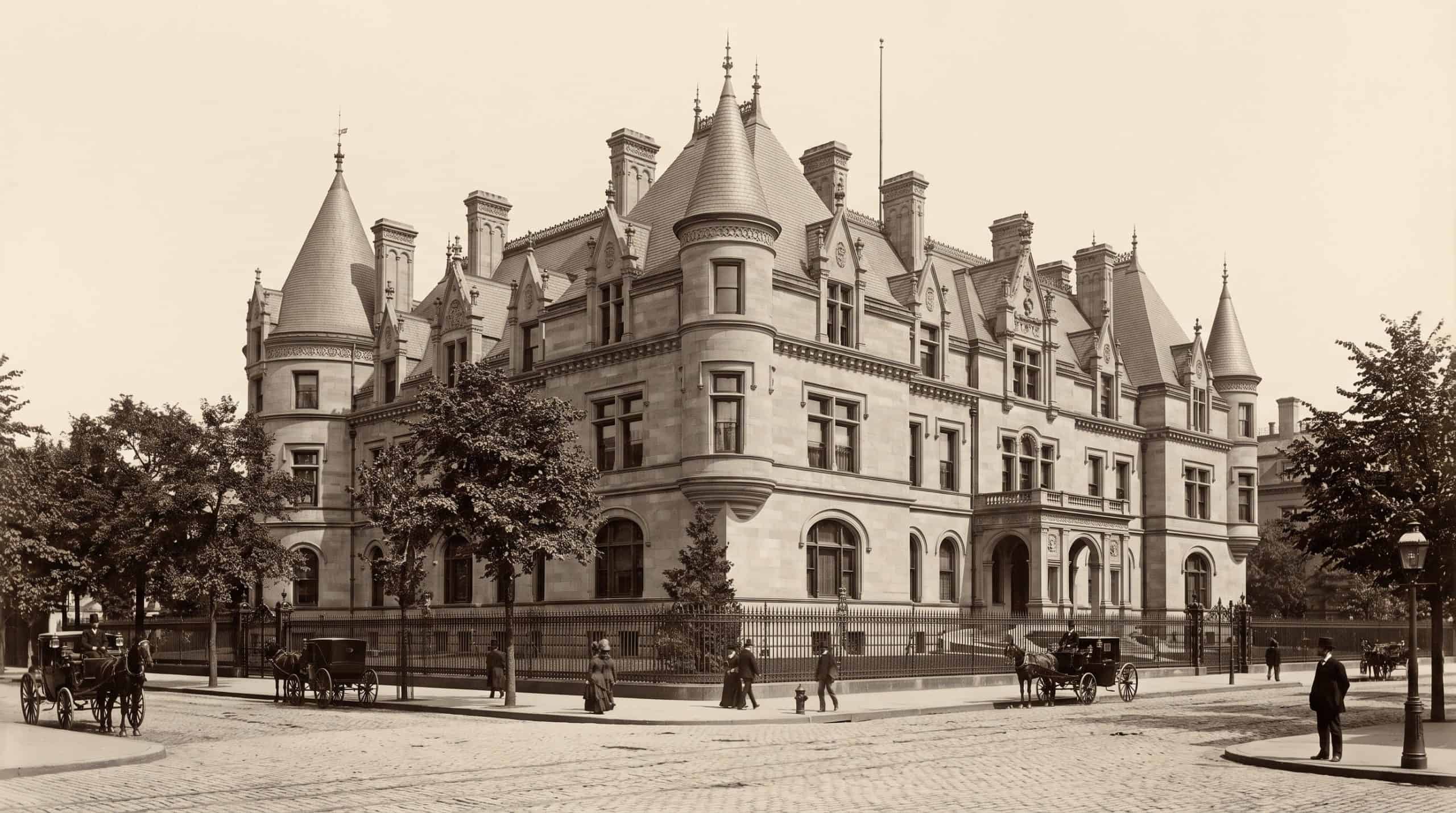
Throughout the Gilded Age, New York’s Fifth Avenue was home to extravagant mansions fit for kings. Built by the wealthiest American families, these lavish estates dotted the famous avenue.
Standing above the rest was the Cornelius Vanderbilt II mansion.
Built in 1882 as a French- château style palace, it covered an entire city block. As businesses began moving northward on the avenue, Vanderbilt’s sold their palace, and it was demolished in 1926 to build the Bergdorf Goodman department store.
Hippodrome Theater
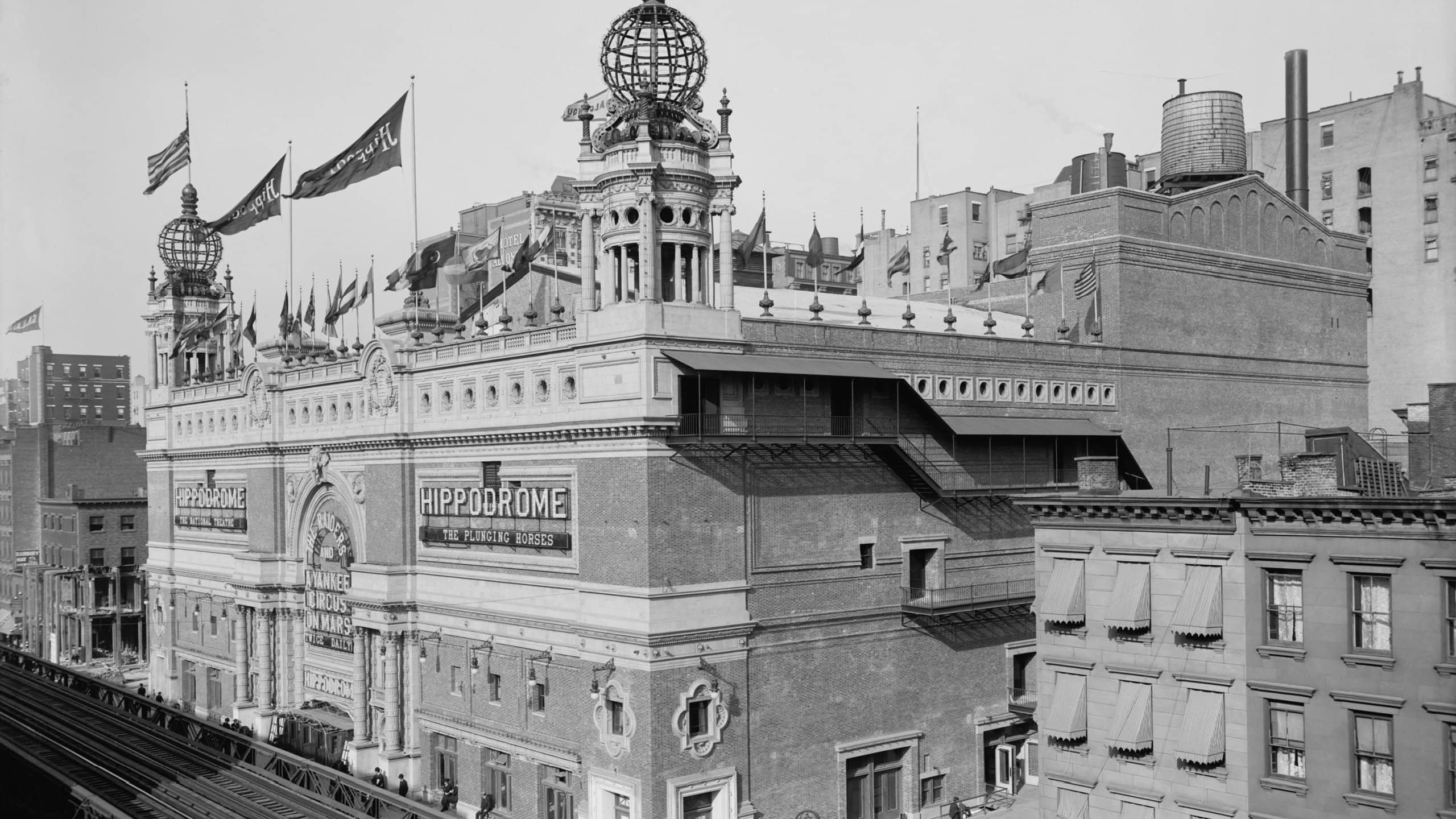
Occupying a whole city block in Times Square, the theater was the largest and most technologically sophisticated in 1905. Its massive stage featured a custom water tank that could be raised from below, allowing entire choruses of swimming mermaids and live elephants to perform.
But the theater gave way to movies, and skyrocketing real estate prices eventually forced its demise, and the building was demolished in 1939 to make room for an office skyscraper.
Birmingham Station
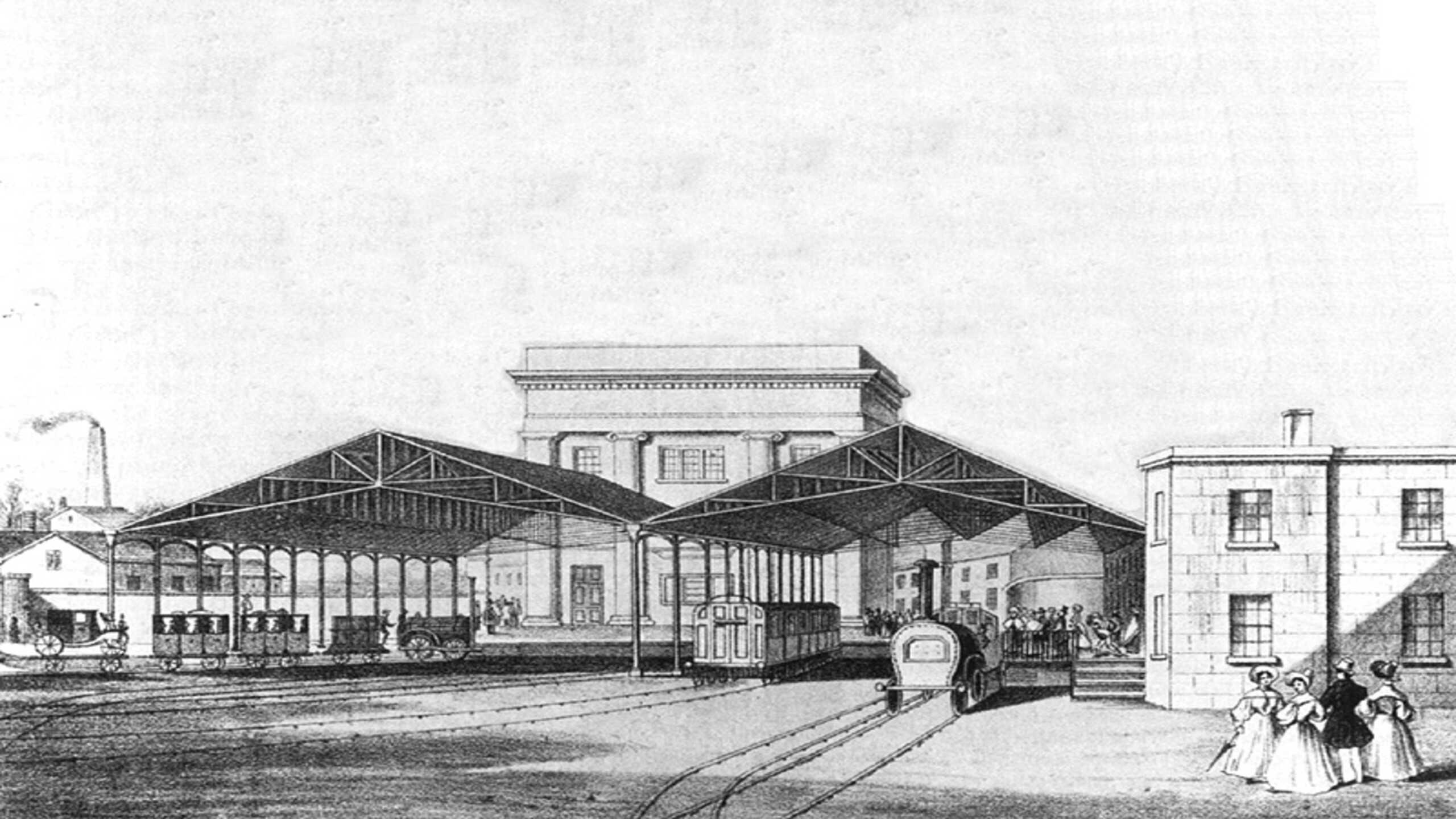
Constructed in 1909, this train depot in Alabama gracefully mixed together Byzantine and Moroccan influences. Known easily by its large dome in the center of the building, the station served as the gateway to the industrial South.
Millions passed beneath its stained-glass windows and grand waiting room. As rail travel began to die out in the mid-century, the once great station was abandoned and eventually demolished in 1969 to allow for more commercial rail space.
Hotel Traymore
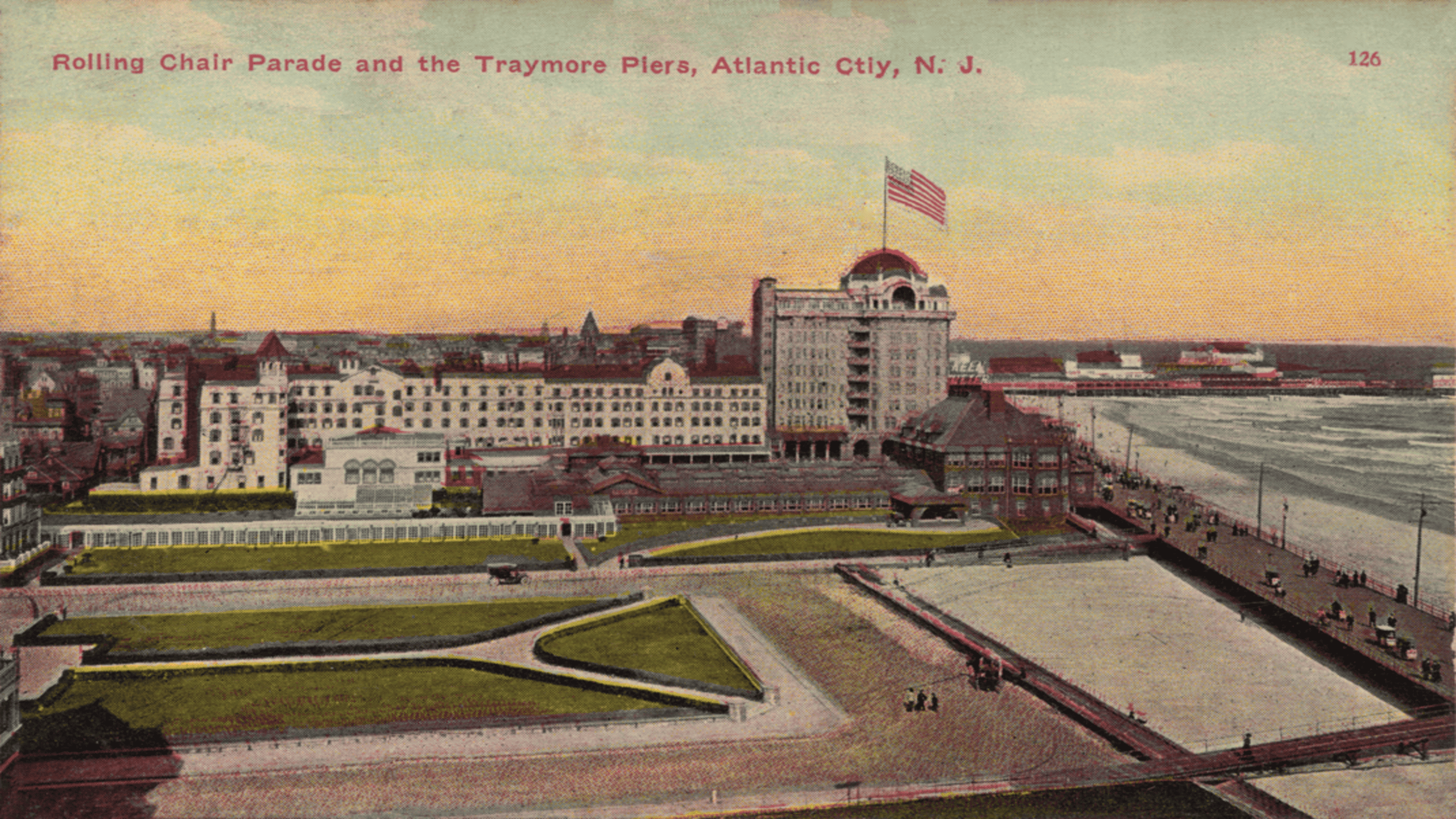
It evolved from a small wood-frame boarding house into an architectural landmark on Atlantic City’s world-renowned oceanfront boardwalk. The resort was rebuilt in 1915 as an impressive complex of cream-colored concrete domes and wings that stood like a massive sandcastle overlooking the beaches of the Atlantic Ocean.
When the resort industry of the city went into decline in the mid-20th century, the once-grand hotel was permanently shut down and spectacularly imploded live on TV in 1972.
Sources: Please see here for a complete listing of all sources that were consulted in the preparation of this article.
Like our content? Be sure to follow us.
12 U.S. landmarks with secret design features

We all love a good landmark, and America certainly has plenty of them. But what most people don’t realize is how many of our famous places have little tricks built right into them. These include hidden rooms & sneaky engineering. Here are twelve U.S. landmarks with secret design features. Which one impresses you the most?

