
So many historical mysteries were filed away as impossible, never to be solved, right up until the moment that a DNA match or a piece of new evidence showed us the answers.
Beneath the everyday
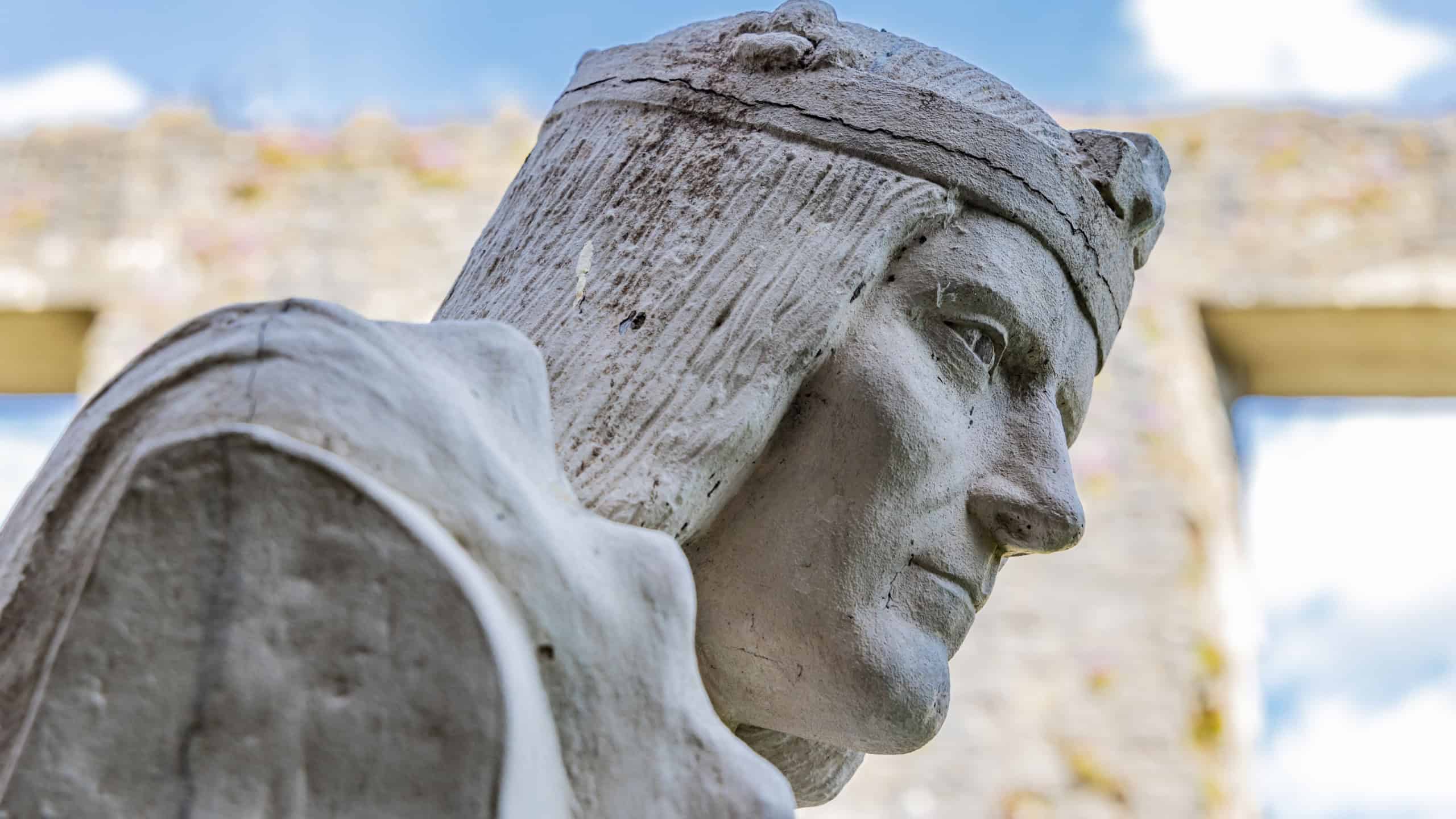
The story said that former King of England Richard III’s bones were gone, completely gone, nobody would ever find them. He died at Bosworth in 1485, and one tale said his remains were dumped in a river, no wonder nobody knew where they were. 2012 changed all that.
That was the year that a dig team in Leicester, England, dug under a plain old car park. What did they find? A battle-damaged skeleton with severe scoliosis, it was very likely Richard. DNA testing and other clues put the odds at 99.999% that it was him.
A scrap that lingered
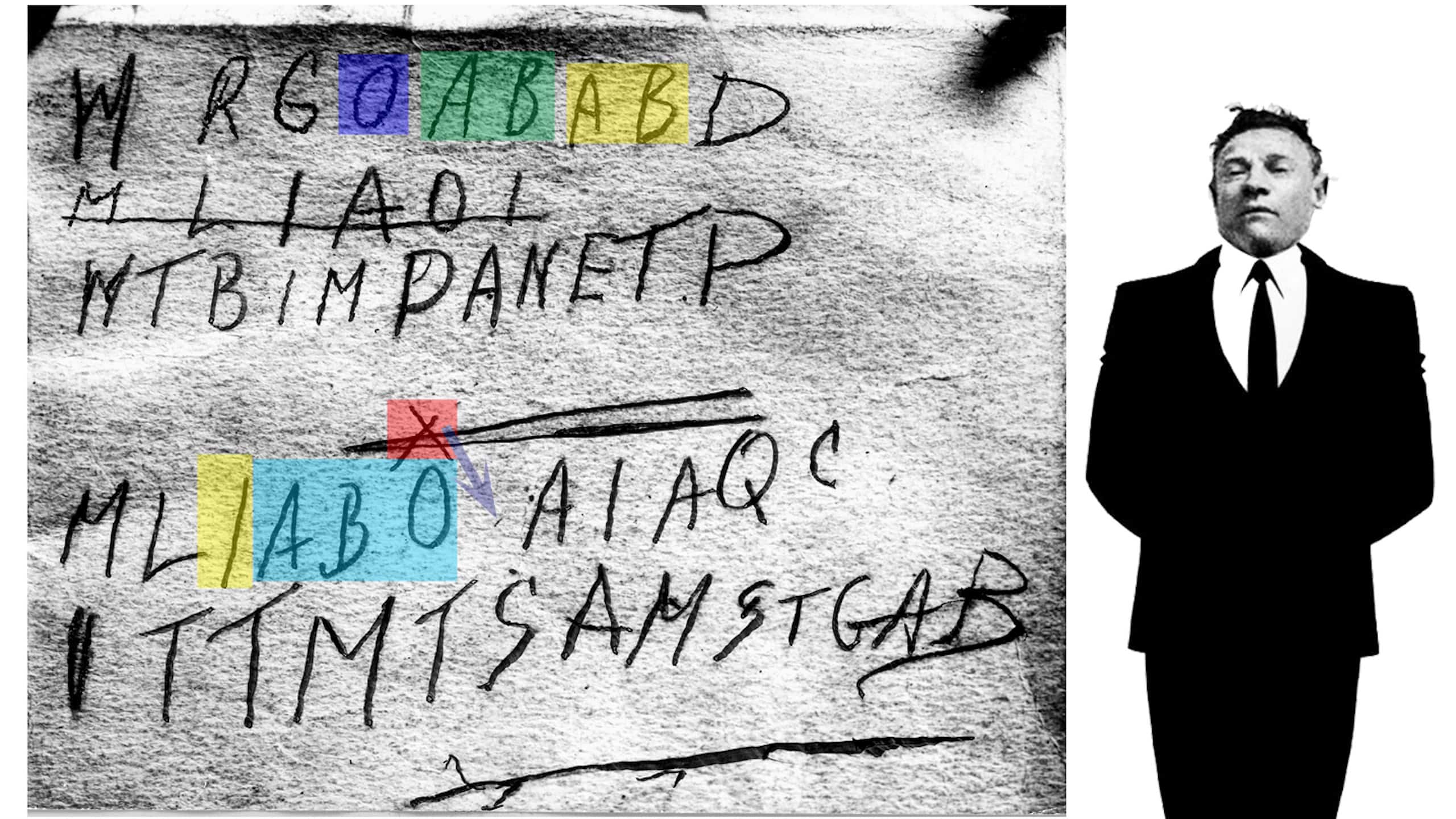
The Somerton Man was the name given to a man whose body was found on an Adelaide, Australia, beach in 1948. With no labels on his clothes and just a scrap of paper in his pocket, nobody could work out who he was.
One story said he was a spy, others said he was a time-traveler, because of course they did. The case was unsolved until 2022 when scientists found hair trapped in his old plaster death cast. DNA evidence indicated he was Carl Webb, an electrical engineer from Melbourne.
Ice had witnesses
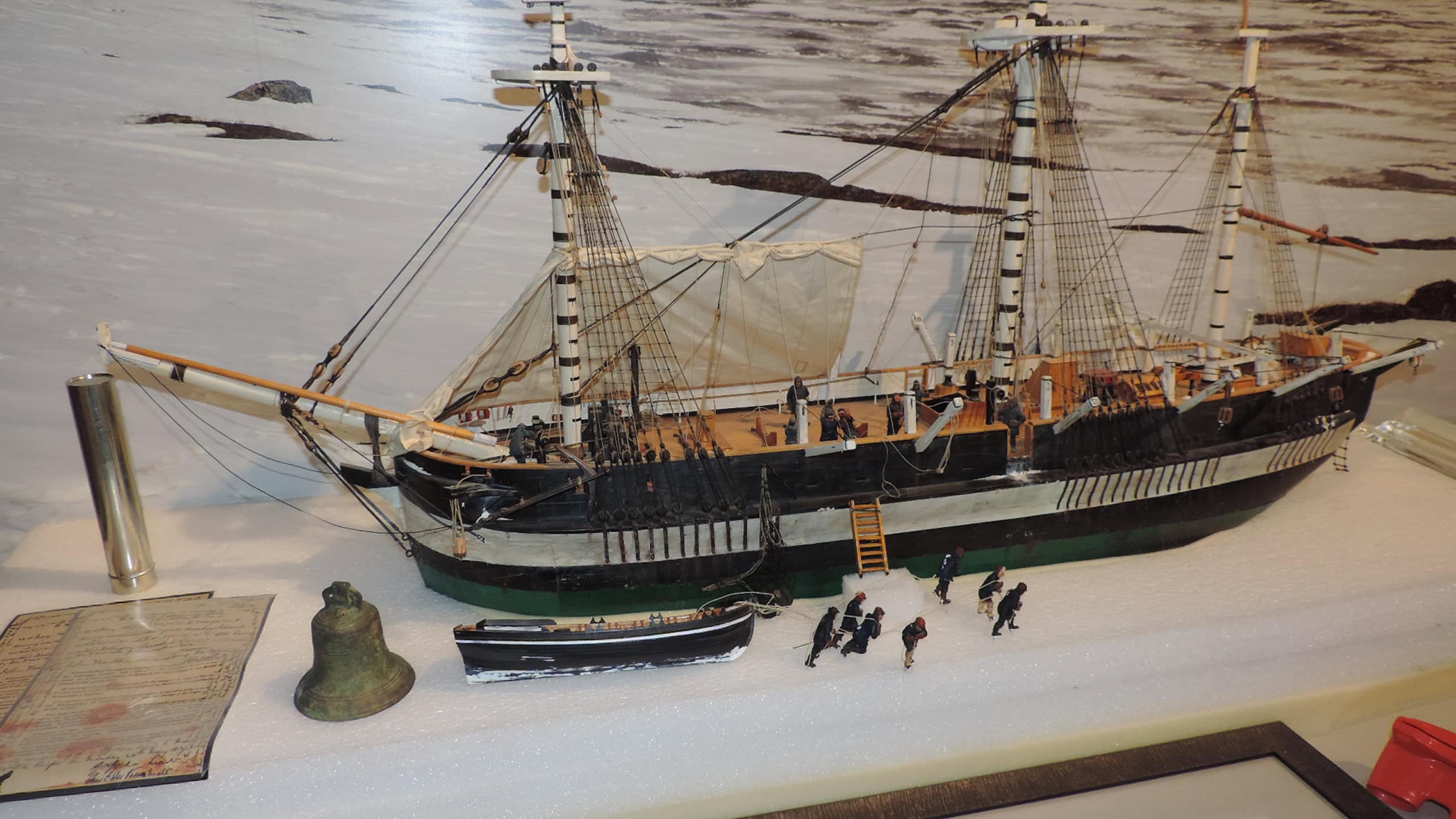
John Franklin was a British explorer who disappeared in 1845, along with his two ships, HMS Erebus and HMS Terror. For the longest time, all we had were bones, objects, and Inuit accounts of what happened, still no ships, though.
Fast forward to 2014. Search teams finally found Erebus in 2014, and then two years later, they discovered Terror, ironically somewhere called Terror Bay. They could finally figure out what had happened, the ships had become trapped in the ice, and many of the sailors onboard died.
Where the record stopped
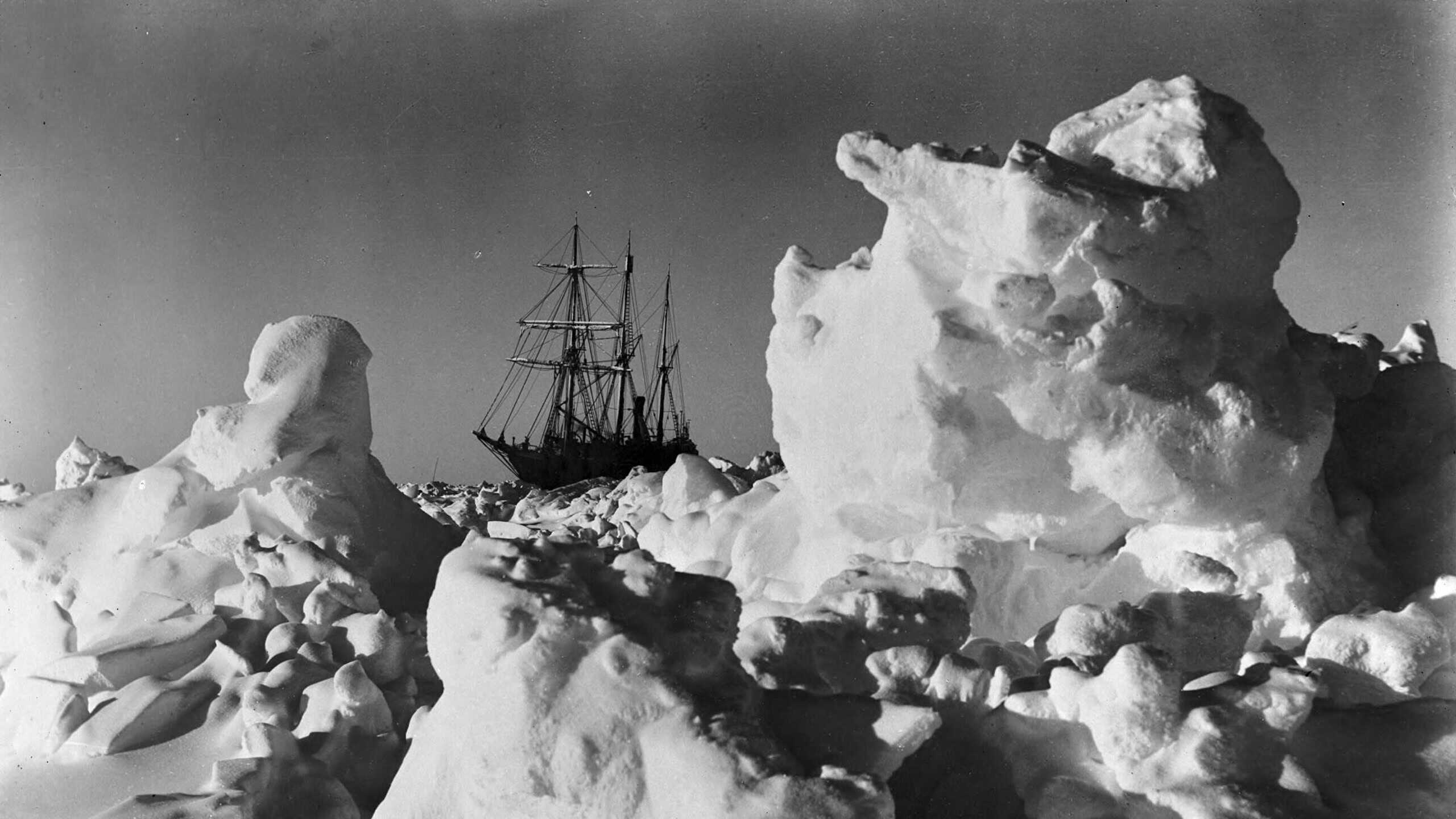
Ernest Shackleton was another famous sailor. Unlike Franklin, though, he survived his journey, so they knew a lot about the Endurance, it’s just that they had no idea where the Endurance was. All they knew was that it sank in the Weddell Sea in 1915 after ice crushed it, that’s it.
It’s hardly a place for search teams to easily explore. They tried, of course they did, but it took until 2022 for the Endurance22 team to use underwater vehicles to find the ship, nearly 10,000 feet down. It was still standing upright.
Marks that played tricks
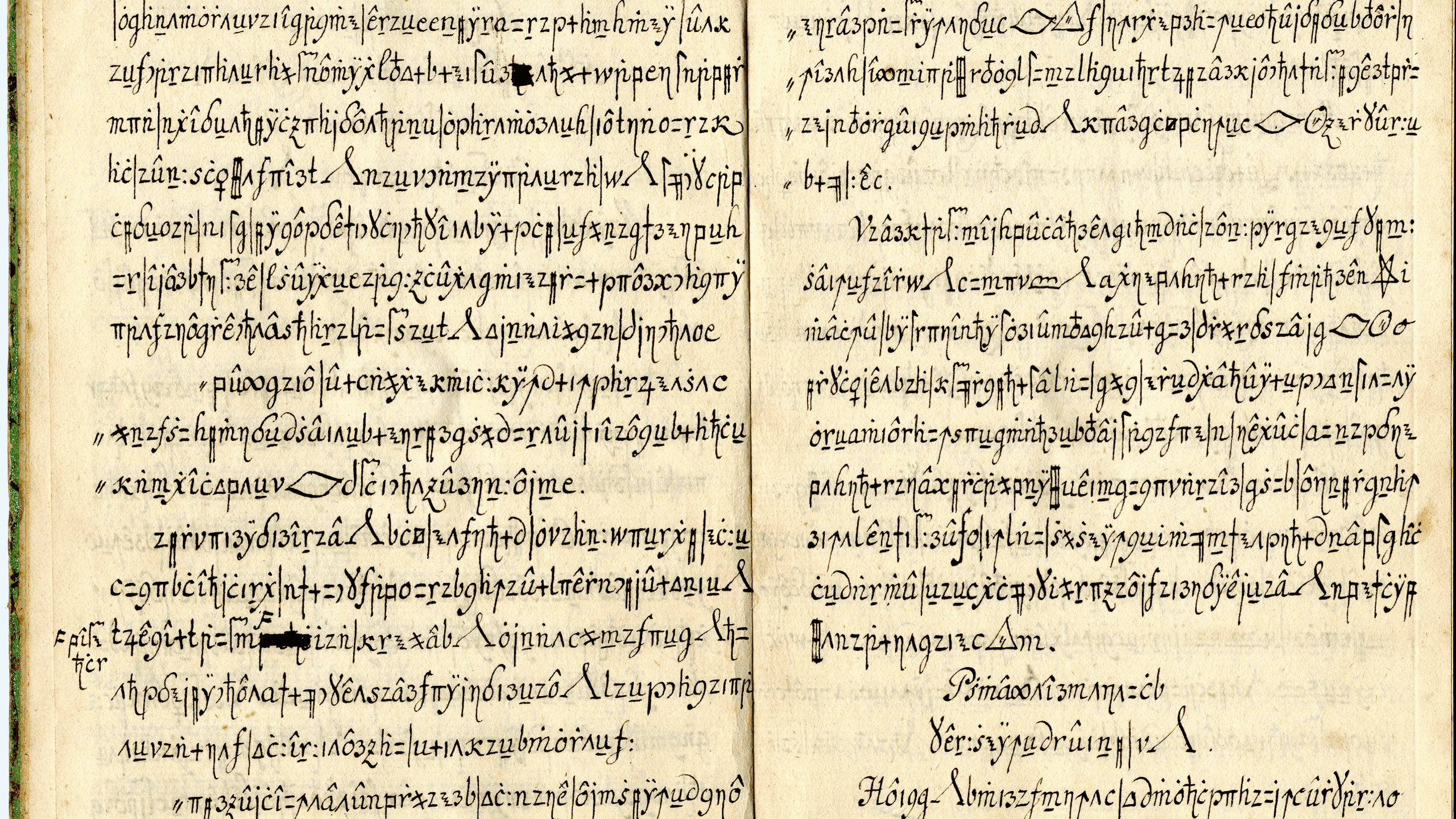
It’s no surprise nobody could crack the Copiale Cipher, it had around 75,000 characters, after all, and it mixed normal letters with Greek letters and odd symbols. Good luck working that out. That’s not all, though, because even the normal-looking letters were mostly a trick.
It lay unsolved for over 260 years until Kevin Knight, Beáta Megyesi, and Christiane Schaefer cracked it in 2011, figuring out that the real message was German. So what was it, a treasure map or something? No, just some rituals from an 18th-century secret group called the Oculists.
Dates carved in stone
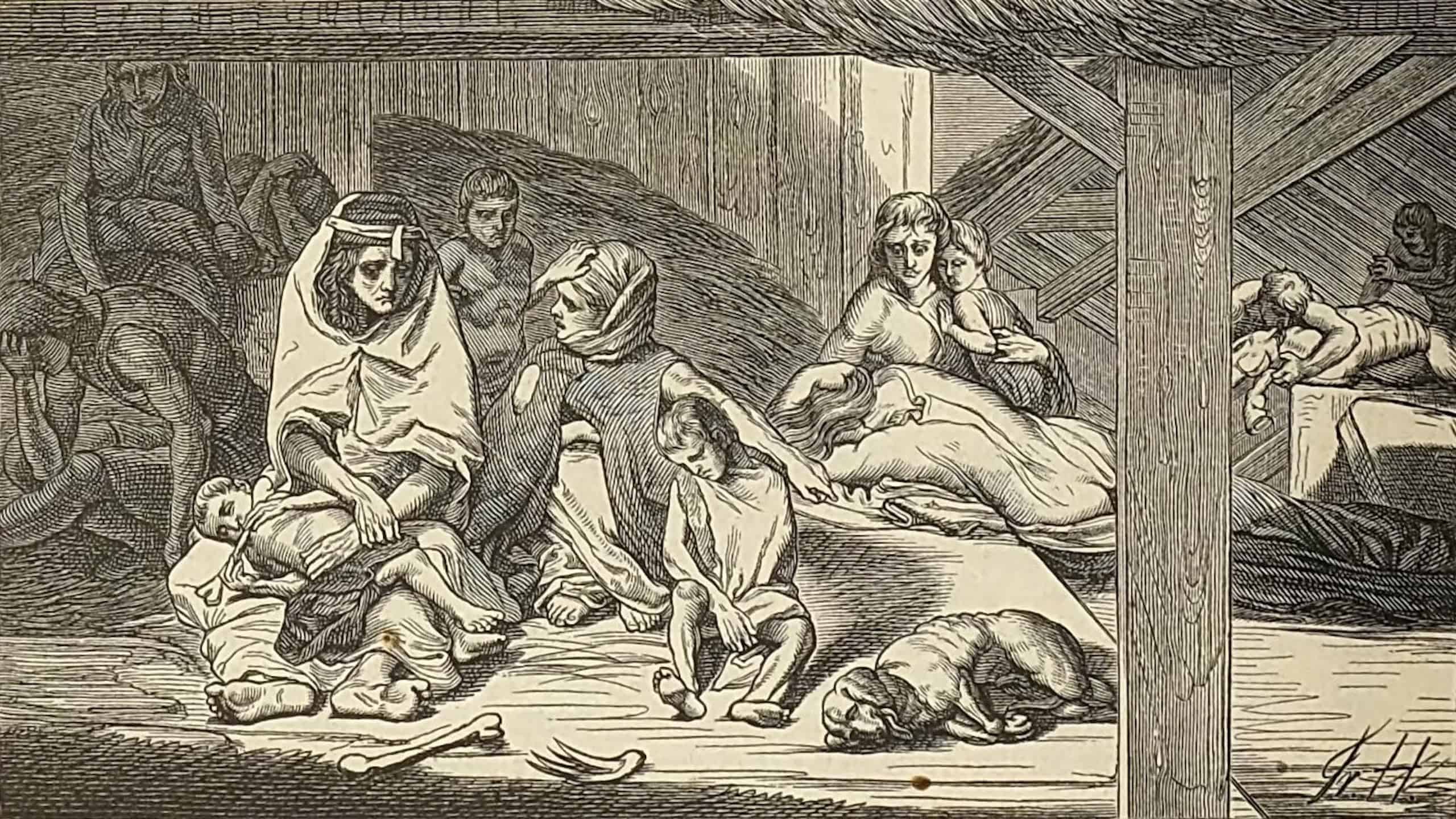
The Black Death. It was something so devastating, so destructive, yet nobody could agree on where it had come from. Did it begin in China or the Eurasian steppe? Maybe it was along a trade route. It seemed like we’d never know because it was so long ago, over 700 years ago.
But then scientists found tombstones from 1338 and 1339 that talked about pestilence. They found teeth from the Kara-Djigach and Burana cemeteries that held DNA of the ancient bacterium, so they concluded that the second plague started around modern Kyrgyzstan.
Branches no one expected
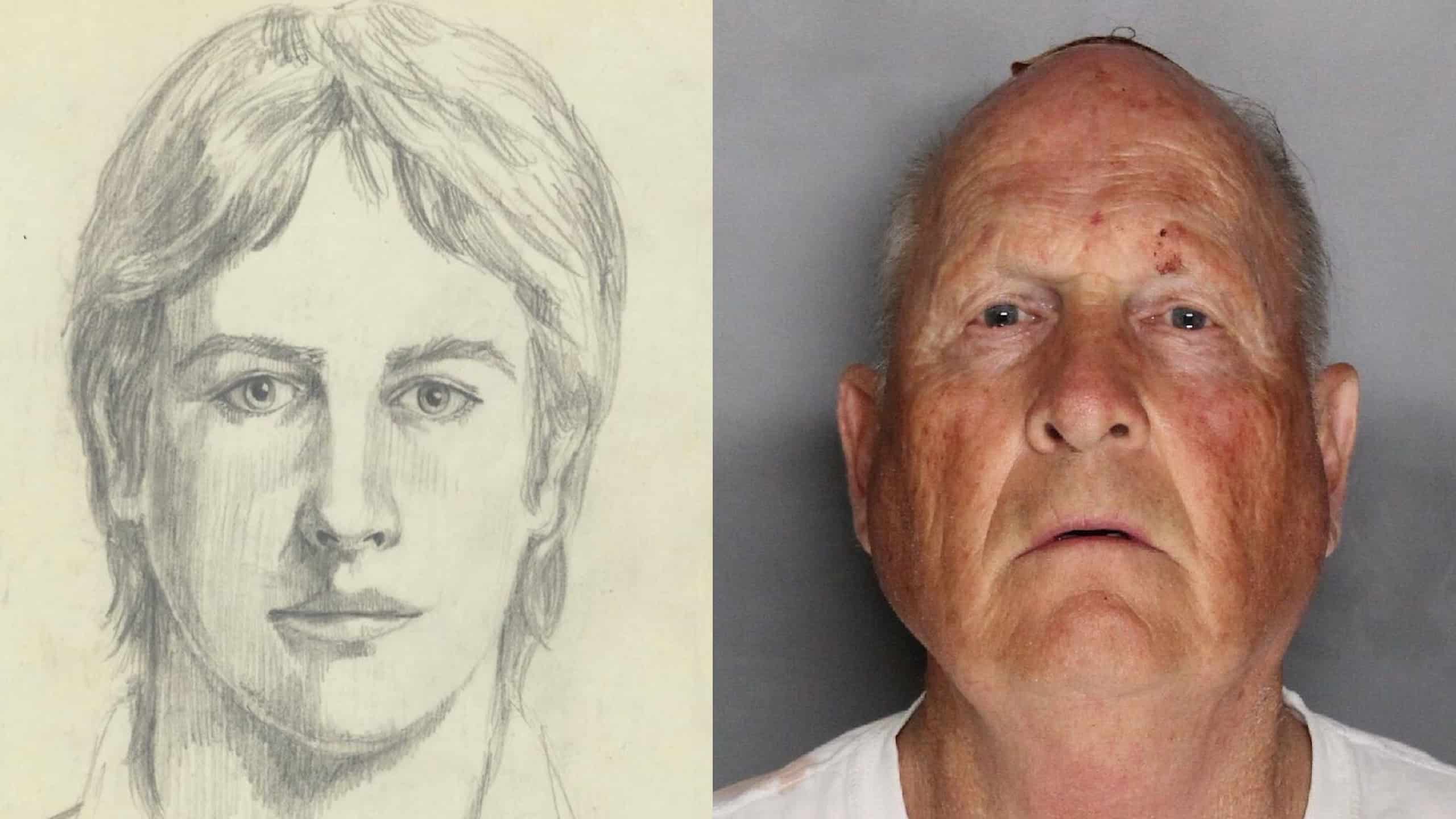
The hardest thing for investigators to accept with the Golden State Killer was that they had the DNA, yes, but no name to link the crimes to. All they had were crime links across California. At least, that’s how it was until 2018, when genealogy completely changed things.
Detectives used genetic matches to build family trees and narrow the list of suspects, finally getting it down to one man, Joseph James DeAngelo. They checked the DNA in used items he’d thrown away and got their match. It was him, he received life sentences after confessing.
One label finally retired
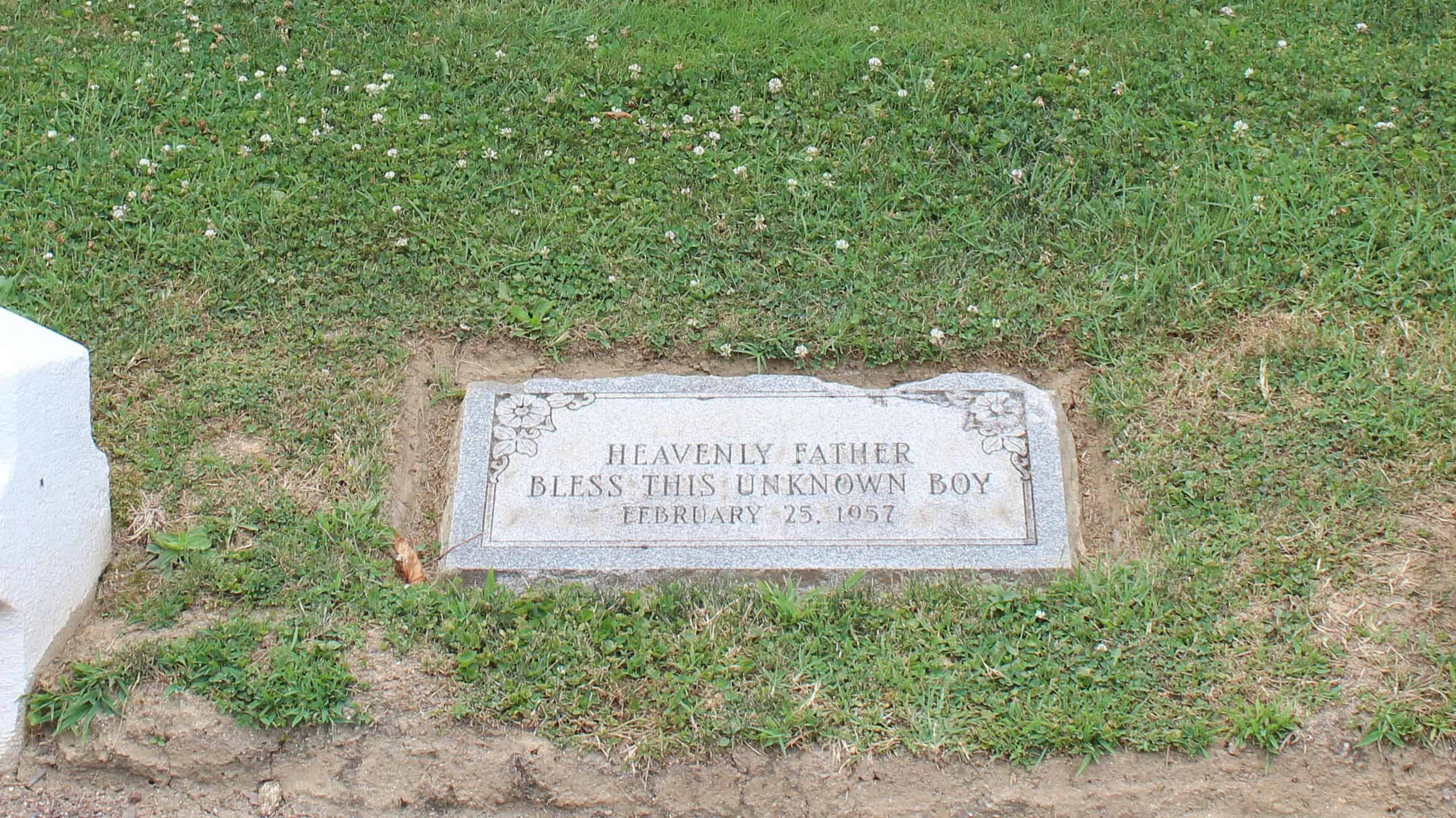
In 1957, a box was discovered in Fox Chase, Philadelphia, containing the remains of a young boy, that was sad enough. But what was worse was that every lead cops had about the boy ran into a dead end. They tried exhumations, no luck, then tips, they went nowhere, who was he?
Finally, in December 2022, police used genealogy testing to find the answer. It was a four-year-old boy named Joseph Augustus Zarelli. Unfortunately, only the mystery of his identity was solved, we don’t know who killed him or even why they did it.
A face in the sand
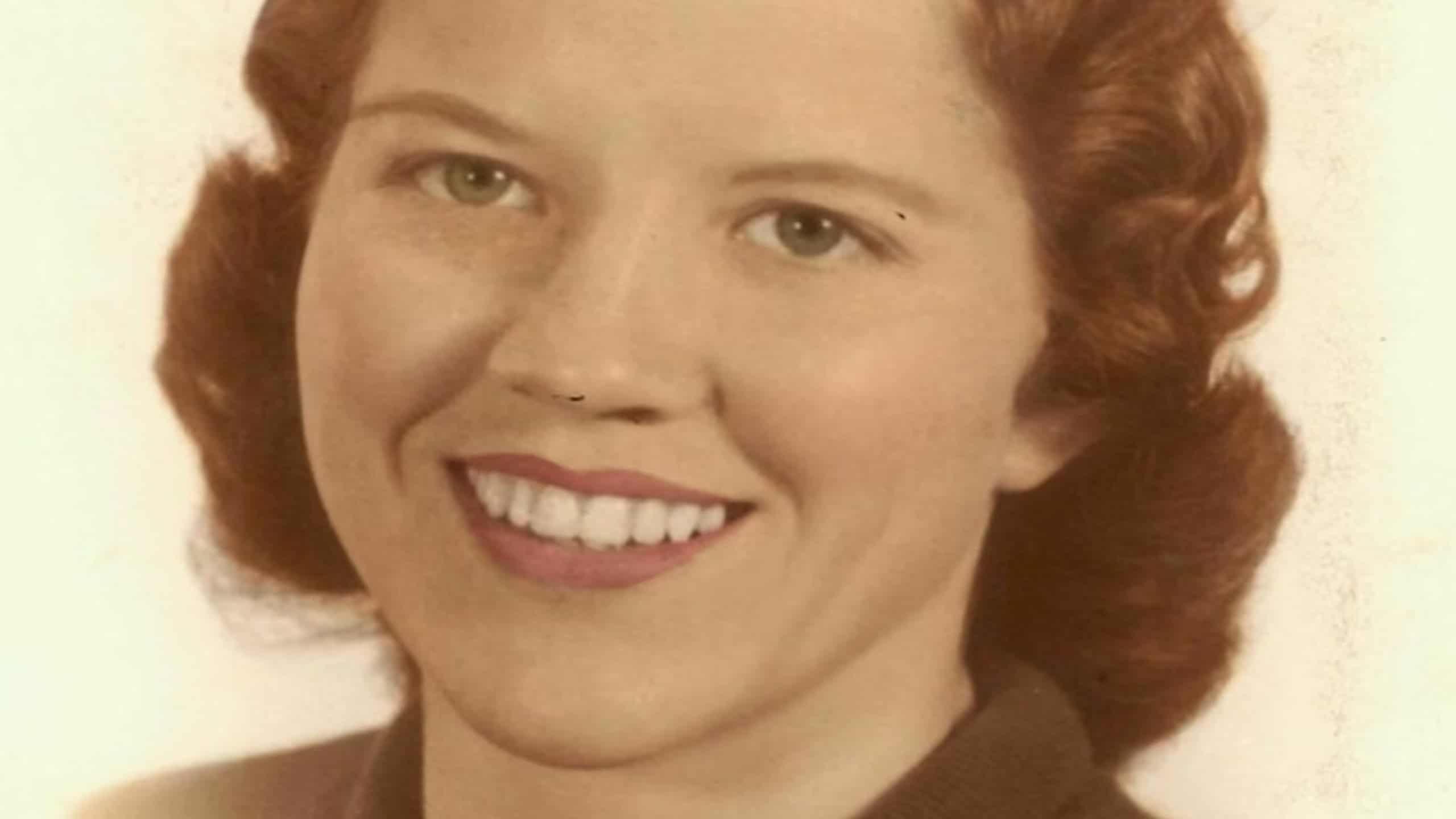
Another tragic case was that of the Lady of the Dunes, a woman whose body was discovered by a child in the dunes near Provincetown in 1974. The woman was a stranger, no name and no quick fingerprint answer, no easy way to figure out who she was.
Then in 2022, DNA genealogy identified her as Ruth Marie Terry, and her husband, Guy Rockwell Muldavin, was named as the killer a year later. The case was closed, though there was no justice for Ruth’s death because Guy died in 2002.
Pocket full of noise
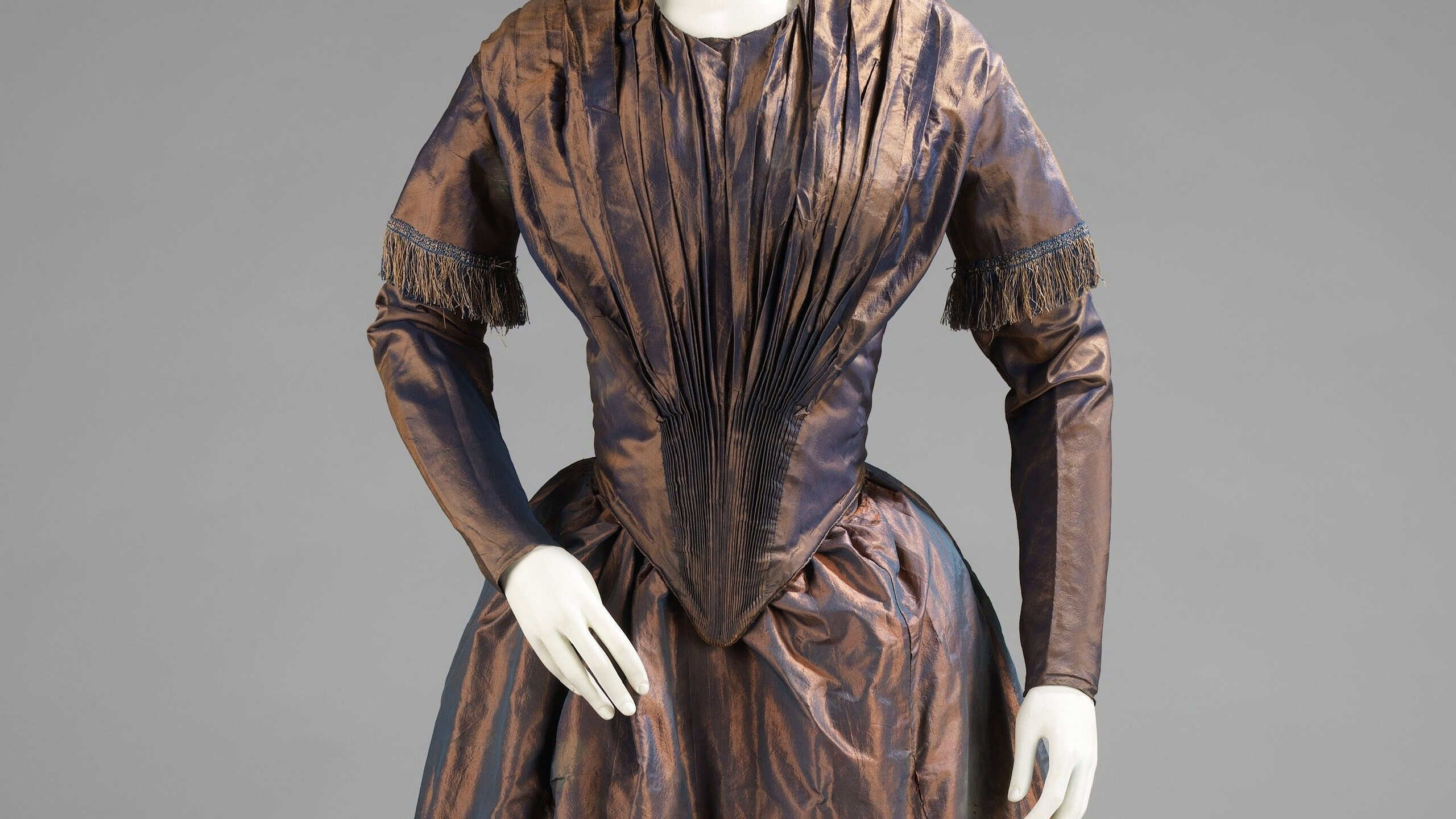
‘Bismark omit leafage buck bank.’ Not a phrase that makes sense, and not a phrase you’d be expecting to read on hidden notes in a silk dress from the 1880s. People actually made fun of the code for years because, honestly, what else could they do? There was no solving the code.
That is, unless you’re Wayne Chan, who managed to solve the cryptogram in 2023. Was it a secret spy code? Was it a hidden message for gamblers? Nothing of the sort, actually, the messages were weather reports sent with codebooks to save time and money.
Still at the handles

Ships sink, completely normal, nothing too surprising. But the thing with H.L. Hunley’s sinking was the fact that the eight crewmen were still sitting at their stations when it went under, for some reason. Nobody knew why.
Researchers in 2017, however, figured out the blast from the submarine’s own torpedo probably killed everyone on board. The sailors had been trying to sink the USS Housatonic, and it somehow backfired on them, they died where they sat.
Names from a hard place
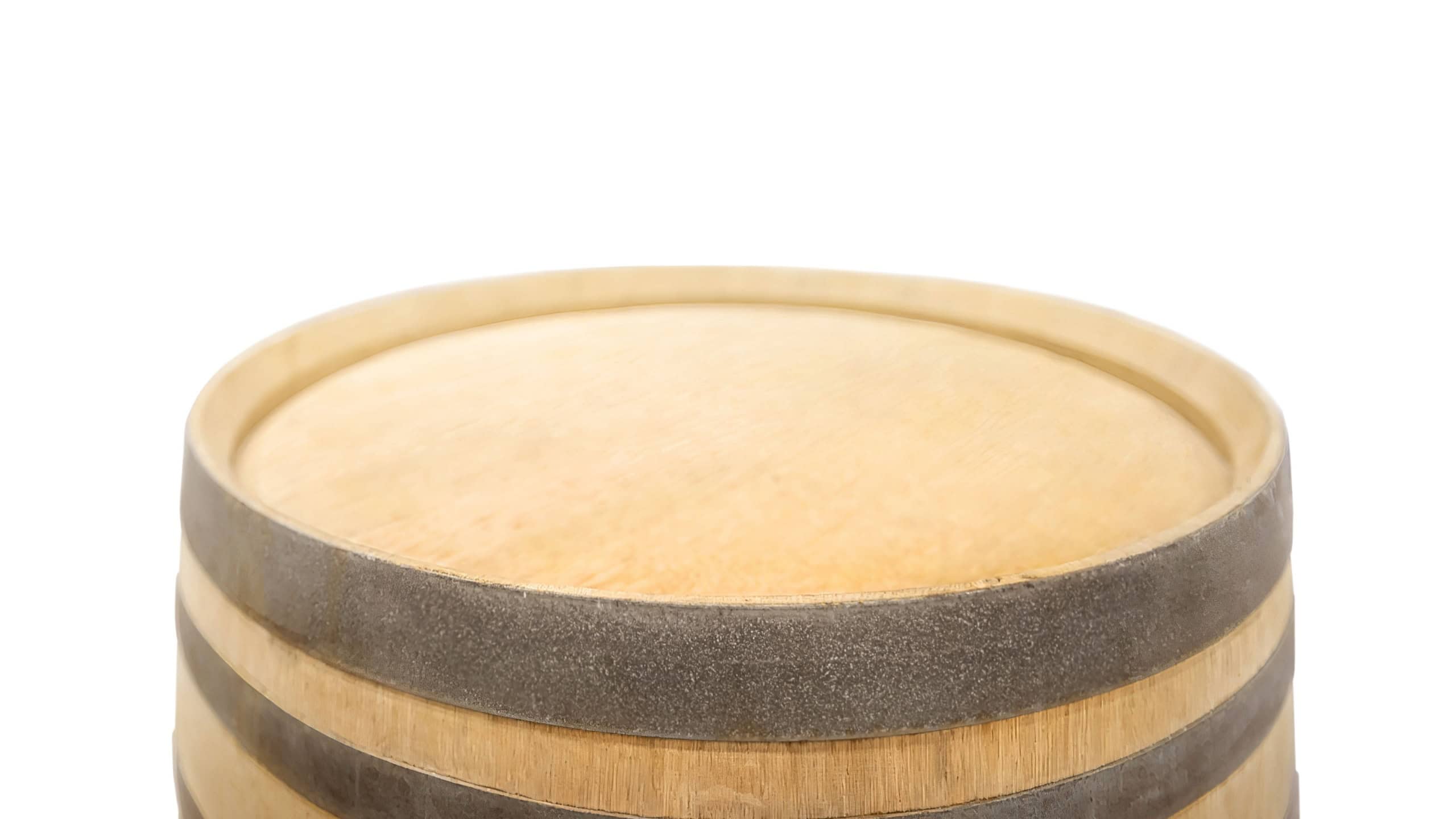
It seemed like, for the longest time, the Bear Brook murders were going to stay unsolved forever. Two barrels were found in New Hampshire in 1985, another two turned up nearby in 2000, totaling four victims, but with no clues about the murderer.
Then in 2017, investigators said that DNA evidence indicated Terry Rasmussen was the likely killer. It took two more years for three of the victims, Marlyse Honeychurch, Marie Vaughn, and Sarah McWaters, to be named. The last child was finally named in 2025, Rea Rasmussen.
What the fire didn’t take
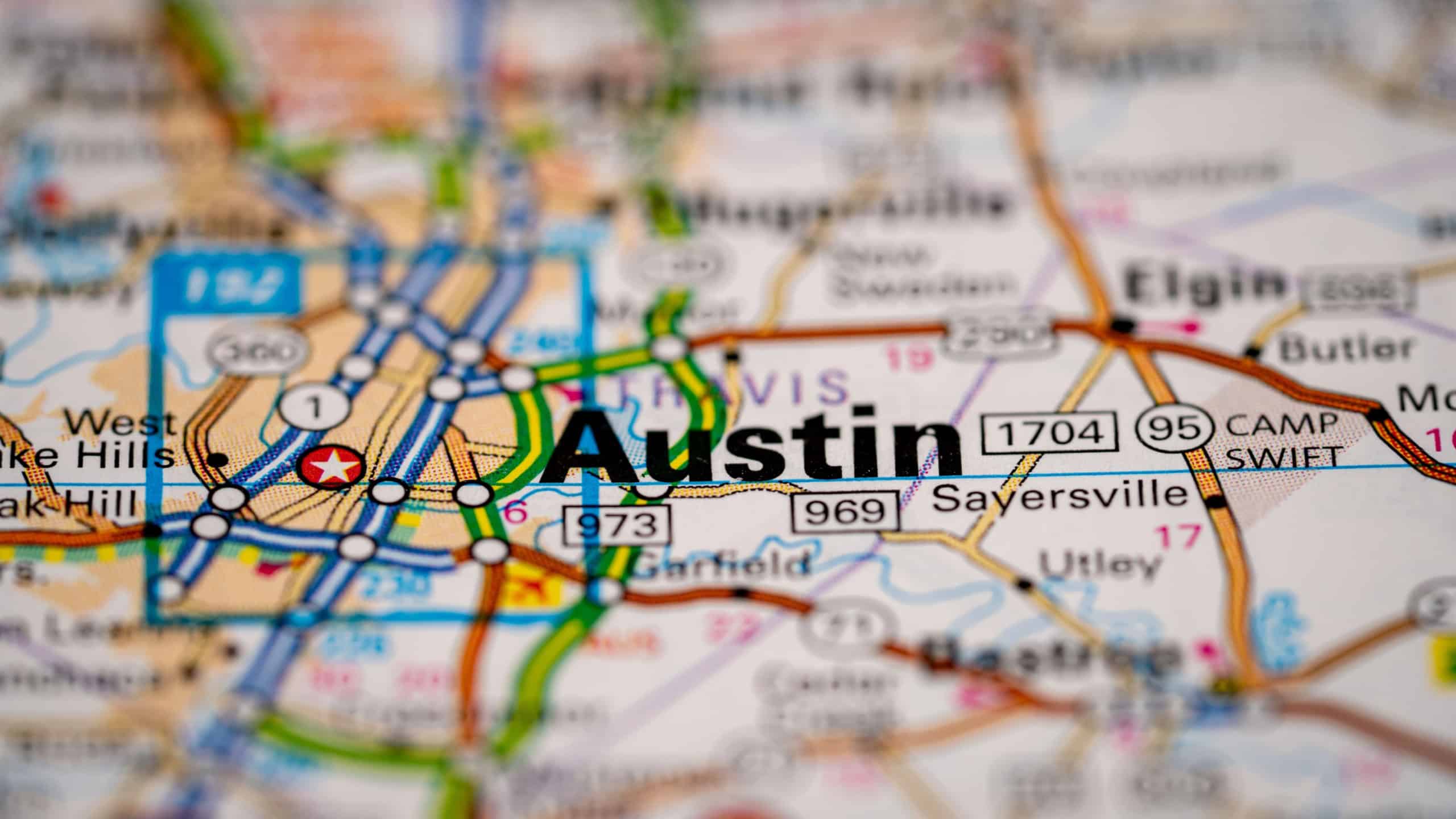
On December 6, 1991, the bodies of four teenagers, Jennifer Harbison, Sarah Harbison, Eliza Thomas, and Amy Ayers, were found at the ‘I Can’t Believe It’s Yogurt!’ in Austin, Texas. Their bodies were discovered after a fire, but nobody knew what had happened.
They had been murdered and sexually assaulted, that’s pretty much all the cops knew until DNA work and other evidence in 2025 revealed the truth. Robert Eugene Brashers was the likely murderer. He killed himself in 1999.
Sources: Please see here for a complete listing of all sources that were consulted in the preparation of this article.
10 historical figures who took secrets to the grave

Unanswered questions are the worst, and it’s even more terrible when they continue to be unanswered because the people with the answers took them to their graves.
