

It’s a lot harder to treat history so seriously when you see all of the ridiculous details and stories, which prove that, actually, the past was kind of funny.
Medieval monks filled religious books with murderous rabbits
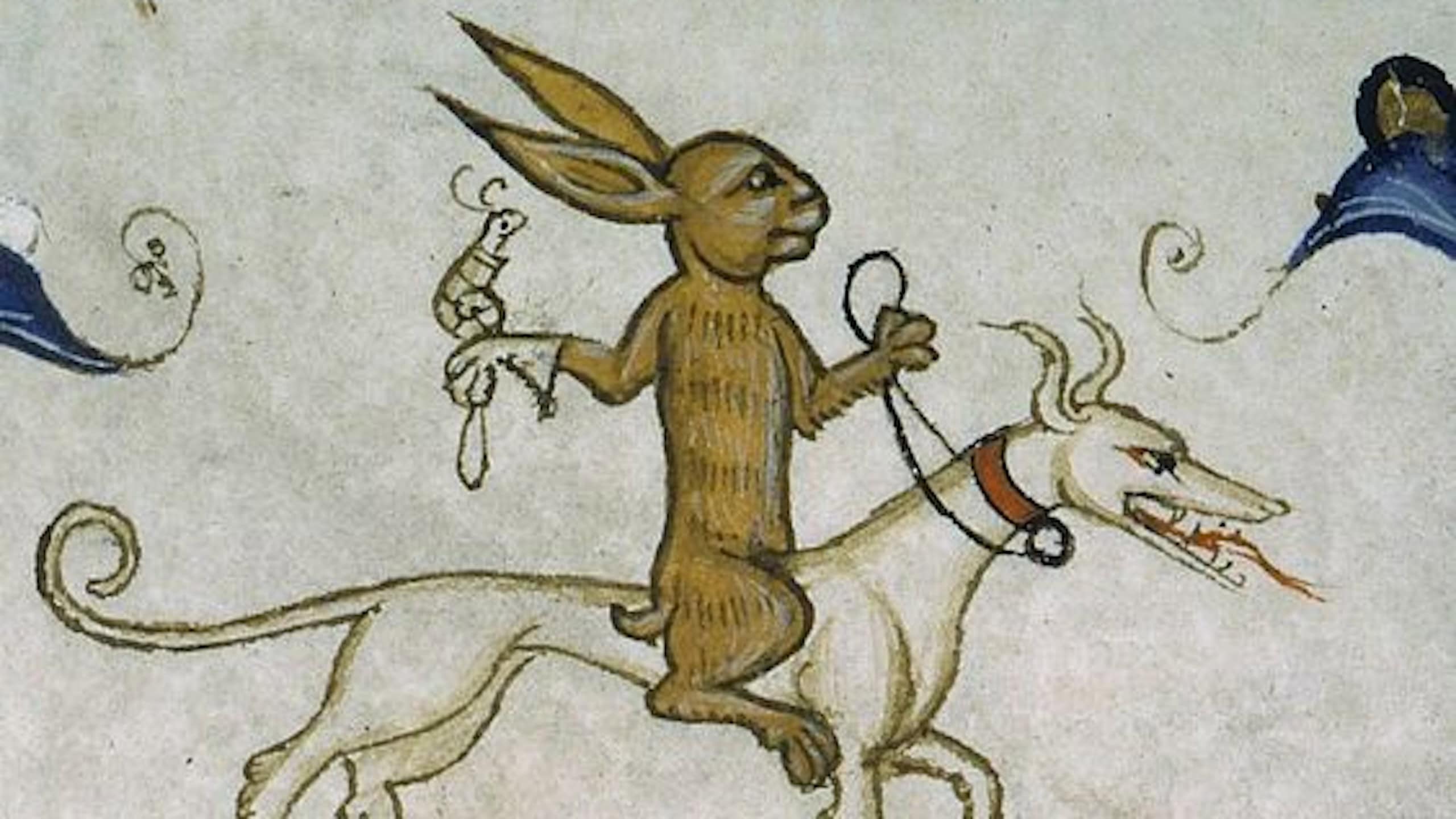
Try opening a medieval religious manuscript, and you might notice something funny. Yes, there are saints, and yes, there are prayers, but there are also some funny pictures on a few pages. These include drawings of rabbits calmly murdering people.
Not because the artists actually thought rabbits were dangerous or anything, but because they felt like having some fun. There’s actually a series of drawings in the Smithfield Decretals from London that shows rabbits taking a hunter into court, sentencing him, then cutting off his head.
Roman walls contained reviews of bad bars and dates
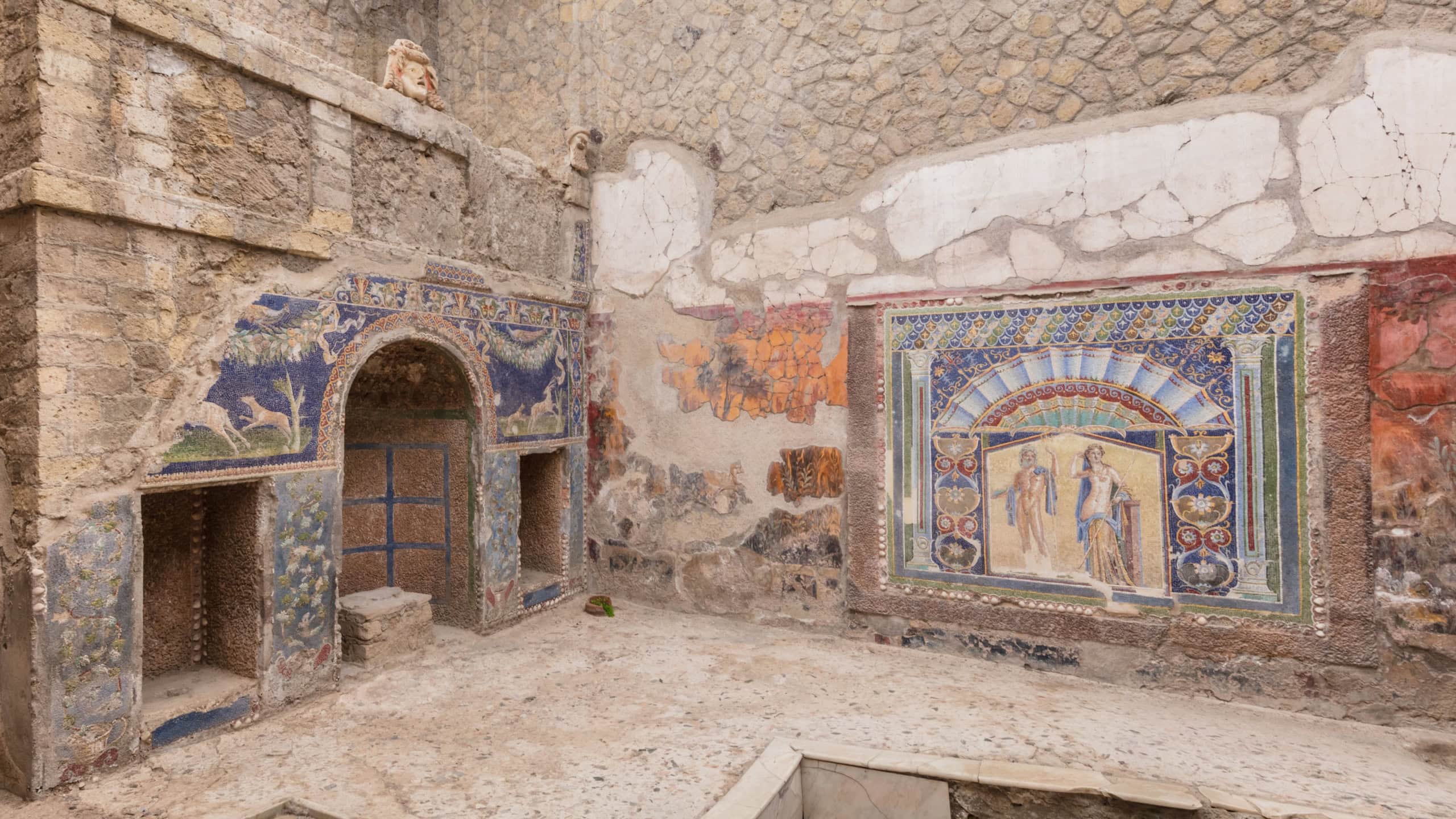
People in Pompeii complained publicly just like the rest of us, although they didn’t leave one-star reviews online. One of them scratched a message into a wall. They accused an innkeeper of watering down the wine while saving the good stuff for himself.
It’s a fair complaint, really. A weaver named Successus wrote on another wall, saying that he loved a barmaid called Iris, but a rival named Severus wrote back. He said Iris didn’t love Successus at all. Turns out, people were gossiping about relationships back then, too.
Ancient Babylonian students complained about schoolwork

Students have always hated schoolwork. Just look at the evidence we have from a student in ancient Mesopotamia, aka modern-day Iraq. A schoolboy wrote in a text called ’Schooldays,’ and shared his complaints about getting up, writing badly, talking too much, and arriving late.
It’s standard school stuff, really. He also had an issue with how different staff members punished him for different things. The book also talks about how the boy’s father eventually invites the teacher over and gives him gifts. Then, the teacher thinks the boy is wonderful. Funny that.
Animals could receive a lawyer in medieval court cases

It’s not like medieval courts stopped at putting people on trial because animals could end up in the courtroom too. This included formal charges and legal arguments. One case from Basel in 1474 involved a rooster being accused of laying an egg.
That was against the natural order and, at the time, a sin. But the rooster’s lawyer argued that the rooster hadn’t acted on purpose, so it was okay. Yes, you read that right, animals could have lawyers back then.
People in ancient Rome used urine as a cleaning product
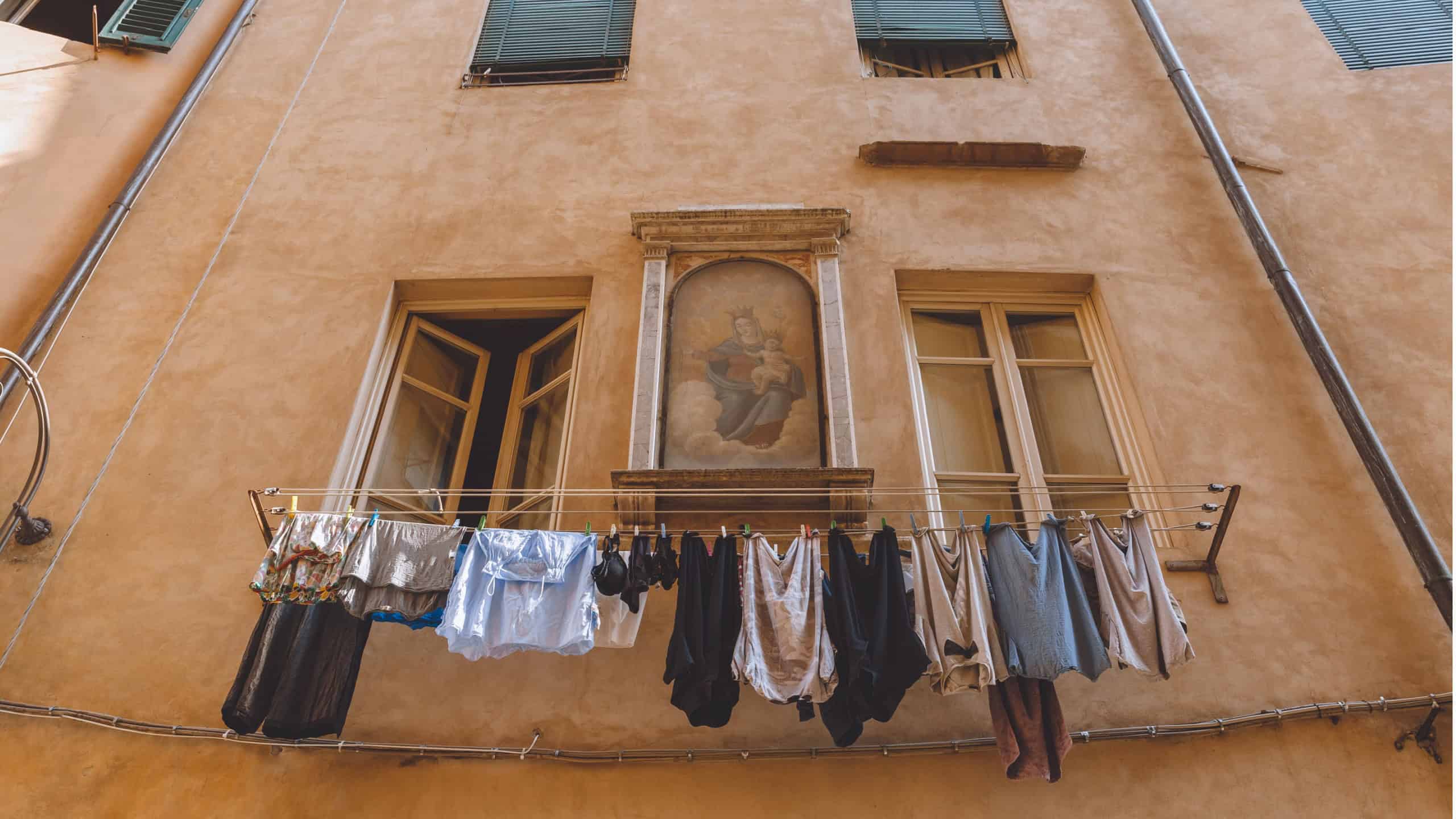
Everyone has a cleaning hack that they swear by, and the Romans were no different. It’s just that their hack was using old urine. Laundry workers called fullers collected it and let it go stale. They’d then pour it into tubs before other workers got in to stomp dirty clothes with their feet.
It kind of makes sense, even though it’s disgusting. The ammonia in urine helps to break down grease, but it’s also the reason why it stinks so much. The ‘cleaning’ method became so popular that Emperor Vespasian actually taxed its collection in the first century. Yes, it was a pee tax.
An English king kept a polar bear that went fishing in the Thames

It sounds fake, but it’s true. King Henry III of England received a white bear from the king of Norway in 1252, and he kept it beside the Tower of London. The animal lived in the royal menagerie. The king sometimes led the animal down to the Thames so it could swim.
He did try to be safe with the animal by strapping a muzzle, collar, and a heavy chain on it. But still, it was a bear on the Thames. People actually watched the animal hunting from the riverbank.
A girl traveled 73 miles by mail
In February 1914, five-year-old Charlotte May Pierstorff needed to travel across Idaho. But she didn’t use a train ticket. No, she was sent via mail for the 73-mile trip to her grandparents, simply because it cost too much by regular passenger fare.
Parcel Post charged only 53 cents. The math made sense. Since May weighed 48½ pounds, she was just underneath the 50-pound mailing limit, so postage was attached to her coat. She rode in the railway mail car with a postal clerk. She arrived safely.
Sources: Please see here for a complete listing of all sources that were consulted in the preparation of this article.

