

Setting personal boundaries is so important for your well-being & relationships and when people overstep your boundaries, it’ll make you feel quite stressed. It could be as simple as a friend who drops by unannounced or a coworker who takes up too much of your time—either way, knowing how to assert yourself is a useful skill. Here are twelve tactics to stop people from crossing your personal lines. You should feel empowered to express your needs clearly & confidently.
Featured Image Credit: ArturVerkhovetskiy /Depositphotos.com.
Create a Personal ‘Safe Word’

Choosing a special word or phrase that only you & trusted people know will help you signal when you’re uncomfortable—if someone is overstepping, just use this safe word to let them know they need to back off without making a scene. It’s a rather discreet way of communicating your feelings and especially in close relationships where open communication is important. You’ll be able to enforce your boundaries while preventing situations from escalating.
Rearrange Your Space to Set Boundaries

Changing the layout of your home or workspace will help define your personal areas because it signals to others that these spaces are off-limits. You could try setting up a dedicated corner for your work or hobbies to make it clear that when you’re there, you prefer not to be disturbed. Best of all, it’s a non-verbal cue, so it’s quite an effective yet subtle way of communicating your need for personal space.
Set ‘Do Not Disturb’ Times on Your Devices
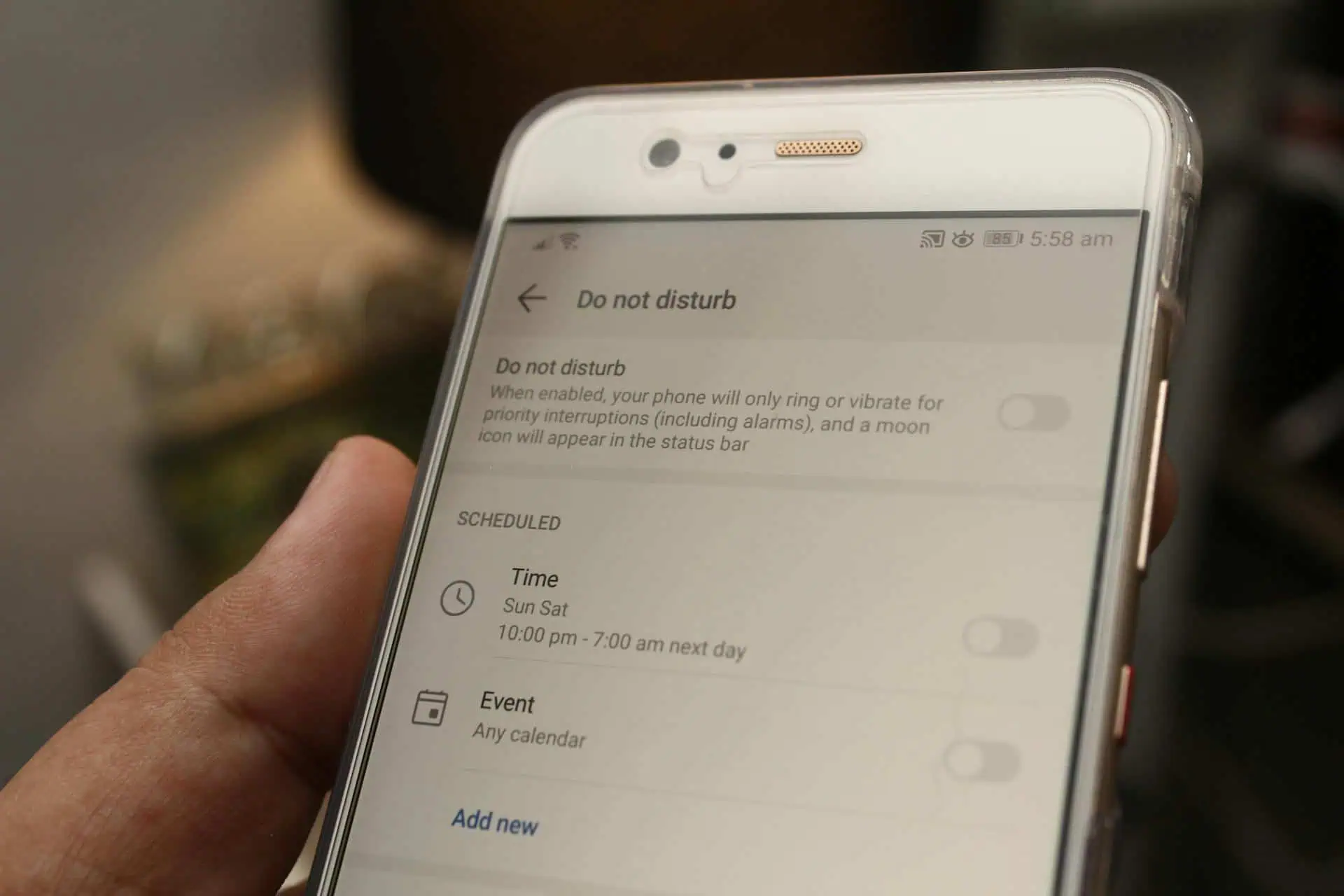
You should take advantage of your phone or computer’s ‘Do Not Disturb’ settings to block out time for yourself, as silencing notifications will let others know when you’re unavailable. You’re essentially creating clear digital boundaries that will prevent unwanted interruptions & make sure you have uninterrupted time to focus. Let other people know how much you value your personal time by managing your availability properly.
Use the ‘Broken Record’ Technique

Calmly & consistently repeat your request when someone isn’t respecting your boundaries because this will reinforce your point—using the same phrase each time helps you assert your position. You don’t need to raise your voice or get angry but rather, say something like “I need some time to myself right now” each time they intrude. It’ll make them understand you’re serious and will encourage others to respect your limits, rather than overstepping them.
Express Boundaries Through Writing

Talking face-to-face doesn’t always work and that’s when putting your thoughts in writing comes in useful, whether that’s by sending an email or note. It allows you to articulate your feelings clearly and gives the other person time to process what you’ve said—that’s a lot less confrontational. It’ll also provide a record of your request which they won’t be able to simply brush off.
Develop a Personal Mantra

Having a personal mantra could strengthen your resolve to maintain your boundaries, so try repeating a positive statement like, “My needs are important” to yourself. Doing so will help you build confidence in asserting your needs and will remind you to stand firm when others push your limits. Having this internal reinforcement could make it easier to communicate your boundaries to others without feeling any shame in doing so.
Practice Boundary-Setting with Role-Play

You should also try rehearsing how you’ll handle boundary-crossing situations because this could prepare you for the real thing—practice with a friend or in front of a mirror to find the right words & tone. It’ll make you feel more confident and help you stay calm when someone oversteps, so go ahead and role-play different scenarios. You’ll find it easier to respond effectively when the time comes.
Prepare Automatic Responses to Boundary Violations

Likewise, having stock responses will help you react quickly when someone crosses a line—for example, if someone interrupts you, have a phrase ready like “Please let me finish.” Knowing in advance what you’ll say could allow you to address the situation without getting too worried or feeling caught off guard. It also helps other people to understand your boundaries since you’re already aware of them.
Wear a Physical Reminder

Wearing a special piece of jewelry or even a simple accessory will remind you that it’s important to stick to your boundaries—each time you see or touch it, you’ll remember to stand firm in your limits. Having a personal cue will strengthen your resolve and keep you focused on your needs, reminding you to reinforce your commitment to yourself. It doesn’t need to be anything too huge because even a simple item will keep you thinking about your boundaries throughout the day.
Use Body Language to Signal Boundaries

Your non-verbal cues are important tools in setting boundaries and these include things like standing tall, maintaining eye contact, or stepping back—these cues communicate that you’re uncomfortable. Crossing your arms or holding up a hand could also indicate that someone is too close so they need to stop. Using body language will reinforce your words & even replace them when you need them to speak for you instead.
Communicate Boundaries Early in New Situations

Sharing your boundaries upfront when starting new relationships will prevent problems later because letting others know your limits from the beginning sets clear expectations. For example, you may want to tell a new coworker that you prefer emails over calls, as this will save you from unwanted interruptions. Being proactive could help others respect your preferences without misunderstandings or thinking that you’ve suddenly changed your mind somehow.
Learn Assertiveness Skills

Investing some time in learning assertiveness could help you to set boundaries & stick to them and it involves simple things like reading books or attending workshops. Doing so will give you some useful techniques to express your needs effectively and make you more assertive. You’ll feel more confident in standing up for yourself which will stop people from overstepping.
Disclaimer: This list is solely the author’s opinion based on research and publicly available information.
Like our content? Be sure to follow us on MSN.
Read More: