

Big box stores are popular with many shoppers since they have such a wide mix of items all in one place. Unfortunately, there are important drawbacks that people ignore or simply fly under the radar. Here are twelve reasons why you should consider stopping your support of big box stores. Of course, you’re able to continue shopping there if you want to—but these reasons might make you feel differently.
Featured Image Credit: AllaSerebrina /Depositphotos.com.
Tax Incentives Divert Public Funds
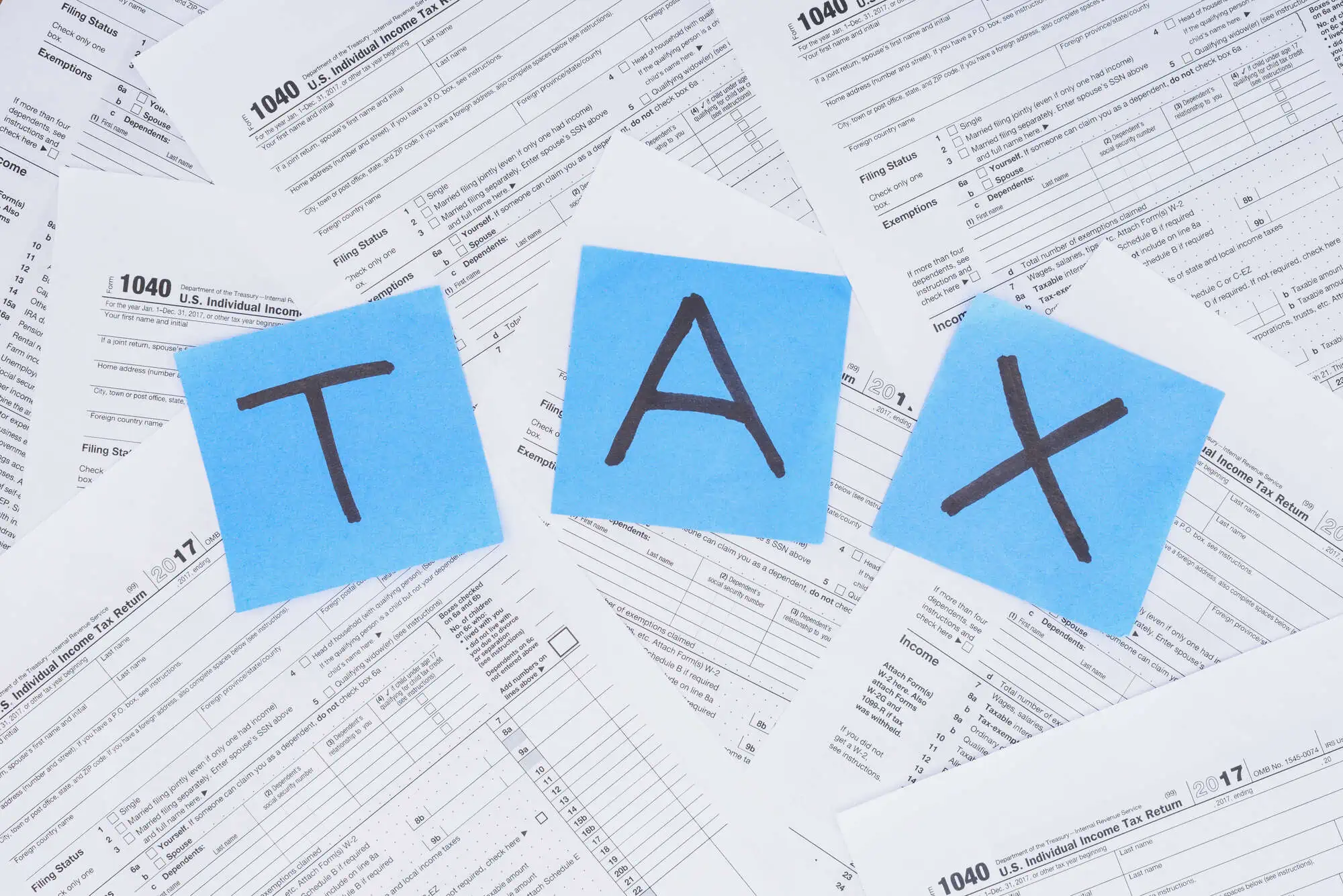
Big box stores often receive large tax breaks from local governments to encourage them to set up shop and these incentives drain public funds that would otherwise support schools, emergency services, & community programs. Yes, these stores might create jobs—but the reduced tax revenue leaves vital public services underfunded. Something tells us that this kind of payoff just isn’t worth it.
Increased Traffic and Pollution

When a big retailer moves in, it typically attracts a high volume of shoppers that create more traffic congestion and the spike in vehicles sure is frustrating! Beyond that, it also contributes to higher pollution levels that’ll negatively affect air quality. The overall environment in the surrounding area becomes a lot worse because of all the cars on the road.
Questionable Labor Practices

Some big box stores apparently pay workers low wages and also give them minimal benefits, with numerous employees facing limited hours & a lack of health insurance. They have little opportunity for advancement which makes it much harder for them to make a living wage. They’ll really struggle to support their families this way and that doesn’t seem fair.
Fueling Urban Sprawl

These large retailers are often built on the outskirts of towns and doing so encourages development in previously undeveloped areas that may eventually lead to urban sprawl that destroys natural landscapes—and agricultural land. Unfortunately, putting roads & utilities into these areas strains local resources.
High Environmental Impact
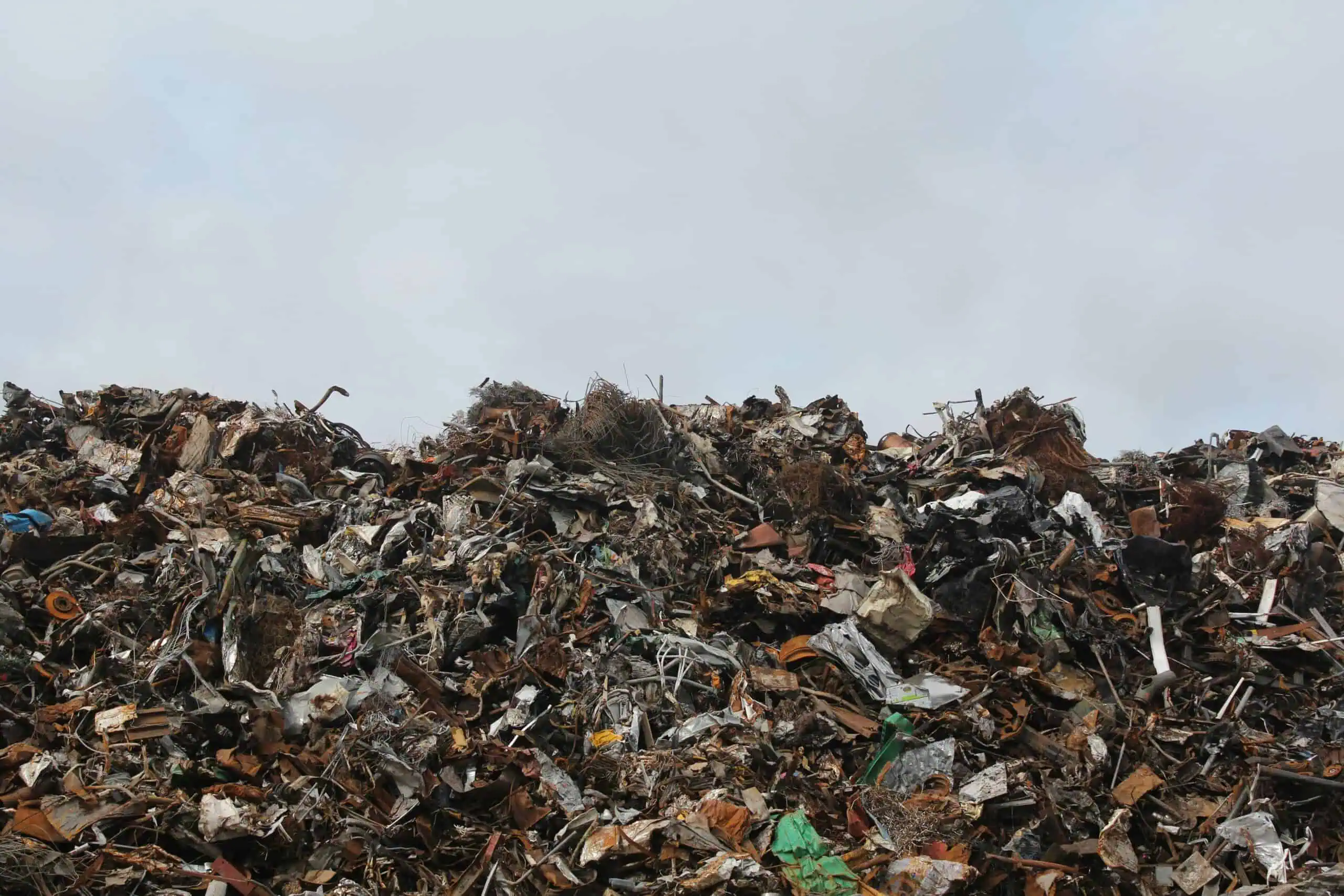
Speaking of the environment, operating massive stores requires a lot of energy and that’s why big box retailers have a significant environmental footprint. They use up a lot of resources & generate a lot of waste which isn’t exactly great for the environment! We have to do better for the world and that often starts with saying “no” to big box stores.
Loss of Community Character
Just having lots of big box stores makes different towns start to look the same, as their standardized designs replace unique local architecture, completely destroying the charm that gives a community its identity. Local shops give an area its individuality, which we lose when these stores close due to competition. They all just become the same.
Limited Product Variety

While they might be large, big box stores often stock a narrow range of products that sell in high volumes and such a focus limits the availability of actually useful products. Instead, local stores are more likely to offer diverse products that cater to specific needs. They’ll give you the options that big retailers might overlook.
Declining Product Quality
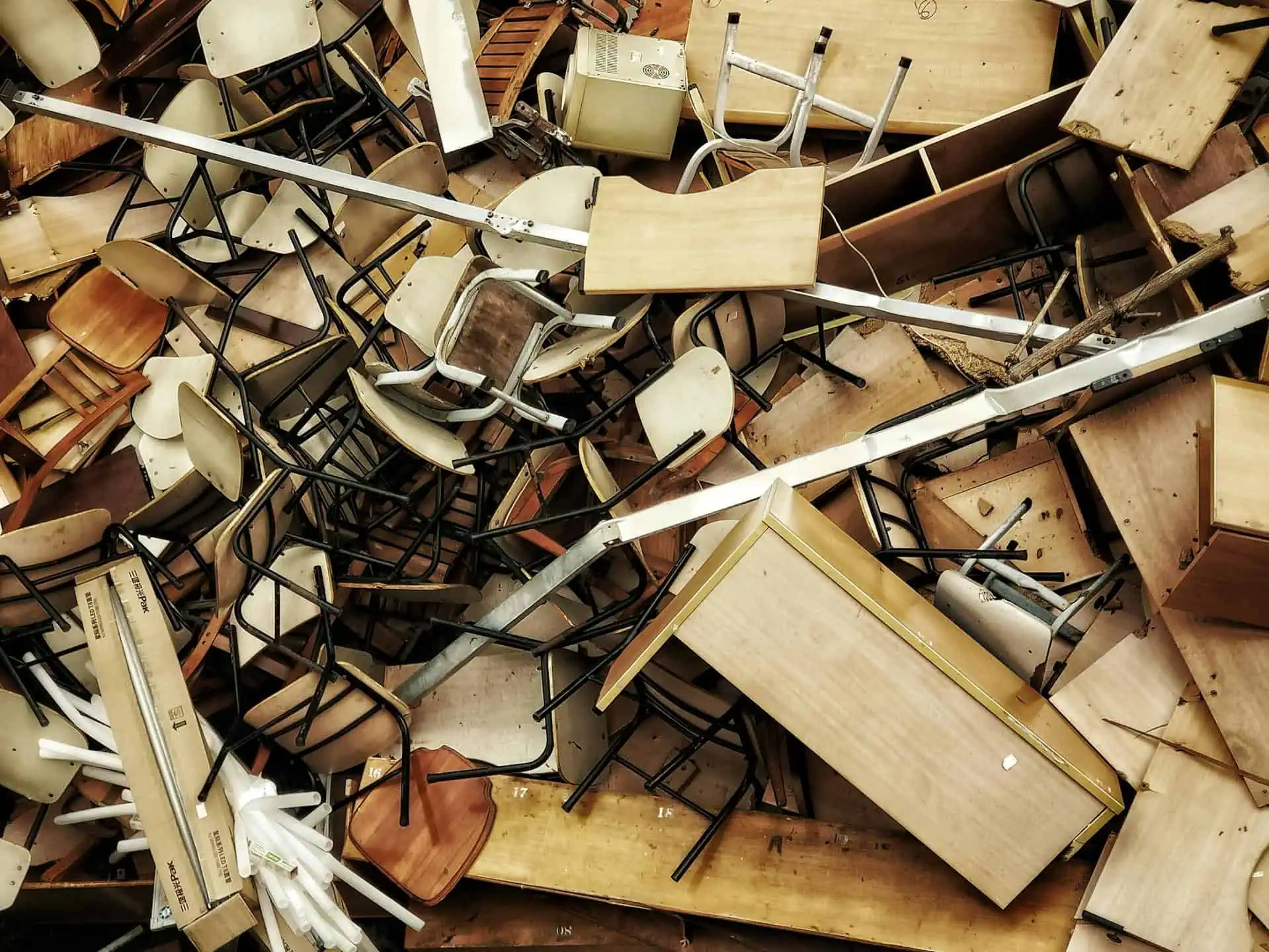
Likewise, big box stores try to keep prices low by stocking items that are cheaply made & less durable—such a focus on affordability creates products that don’t last. Eventually, you have to replace them more frequently and you may avoid this by investing a bit more at a local store. You’ll get better quality & longer-lasting items that’ll save you money over time.
Outsourcing and Job Losses
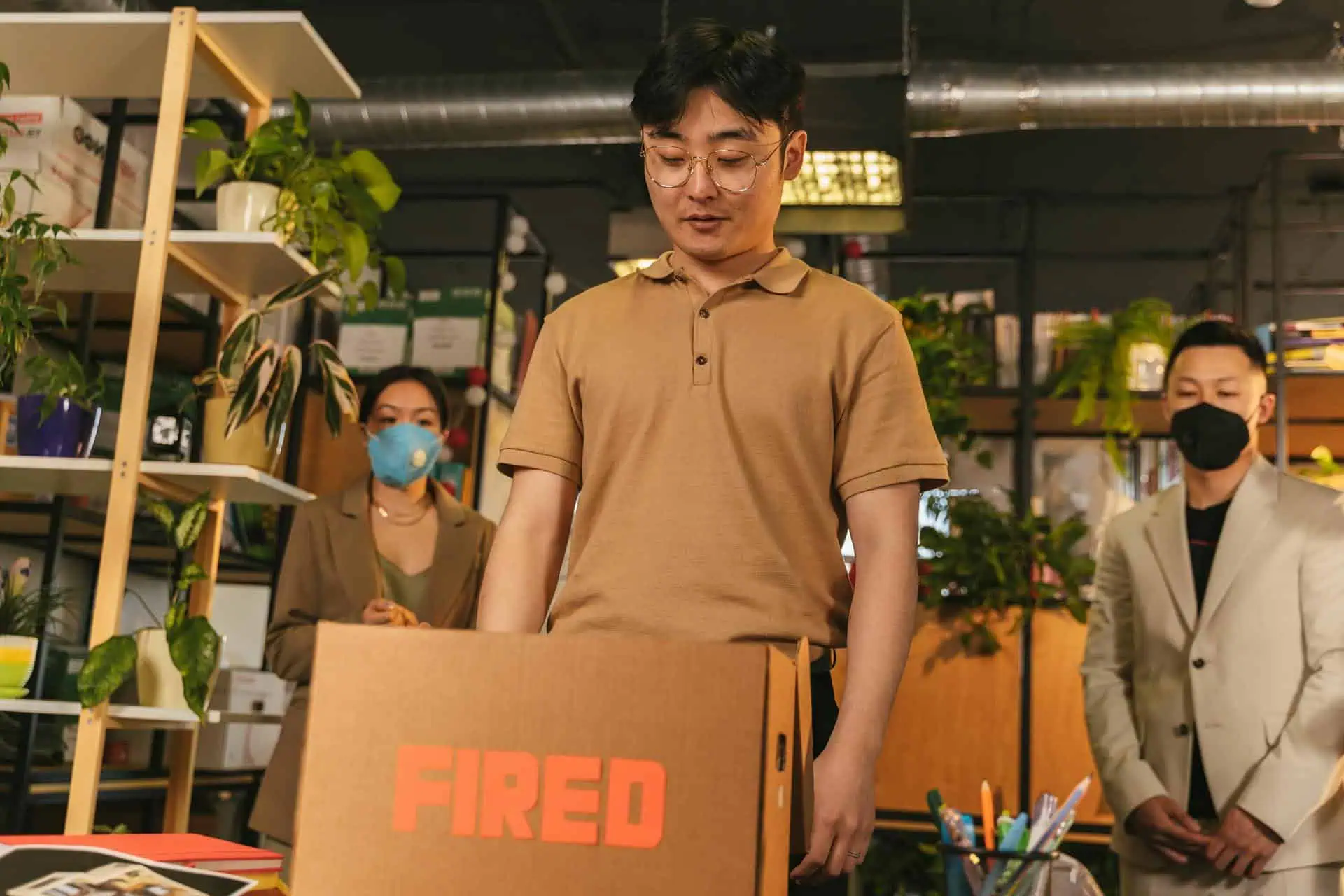
Many products that big box stores sell are manufactured overseas to cut costs, which creates fewer domestic manufacturing jobs & negatively affects local economies. Supporting businesses that prioritize locally made goods would help to sustain jobs within the community and that’s great for economic stability. As such, you should avoid shopping at big box stores to help everyone around you.
Impersonal Customer Service

In large stores, finding knowledgeable staff who’ll give you personalized assistance is a real challenge because most employees are responsible for huge departments. It’s quite hard for them to give customers individual attention—but smaller stores often have a more personal touch. They’ll have staff who are genuinely invested in helping you find what you need so stick to them.
Encouragement of Over-Consumption

Big box stores encourage people to buy in bulk & have constant sales that tempt shoppers to purchase more than they need, which eventually creates more waste and unused items ending up in landfills. It’s a culture of unnecessary spending that we really don’t need to be encouraging. There’s enough junk in the world without it.
Reduced Access to Local Food Options

Focusing on mass-produced goods from large suppliers means that big box stores often overlook locally sourced products and that makes it harder for local farmers & producers to sell their goods. There’s much less access to fresh, locally grown food and supporting local markets would be a lot better. It’d strengthen the community’s connection to its food sources, for starters.
Disclaimer: This list is solely the author’s opinion based on research and publicly available information.
Like our content? Be sure to follow us on MSN.
Read More: