No one likes to open their electric bill and see an unexpectedly high number that makes them do a double take. The good news? Saving money on your electric bill doesn’t require you to stay in darkness or give up air conditioning. You can reduce your energy consumption through minor changes in daily habits – and still keep your home comfortably warm in winter and cool in summer. Here are 10 simple tricks that will help you lower your electric bill with no stress and minimal effort!
Featured Image Credit: volgariver /Depositphotos.com.
Unplug Devices When You’re Not Using Them

Electronics draw power from outlets even when they are switched off. This “phantom power” adds up over time! When devices like chargers, gaming consoles, and coffee makers are not in use, remove them from power outlets. Want to make it even easier? Use a power strip that allows you to turn off multiple devices simultaneously with just one switch.
Switch to LED Bulbs
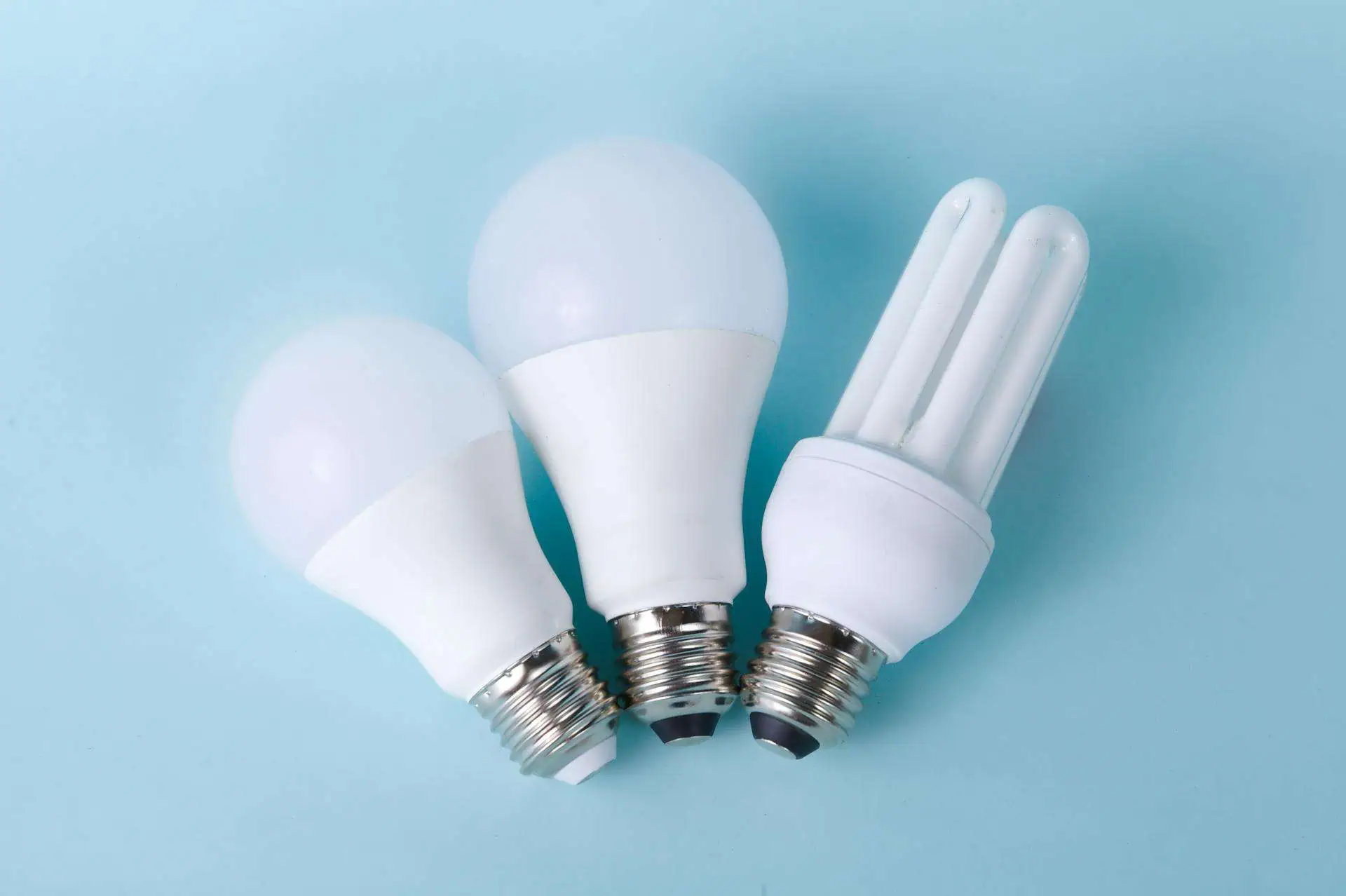
Using old-school incandescent bulbs wastes your money because they consume excessive energy. LED bulbs require up to 75% less energy and have a longer lifespan so you won’t need to replace them as often. The initial cost is higher, but they quickly generate savings, which offset their expense.
Adjust Your Thermostat
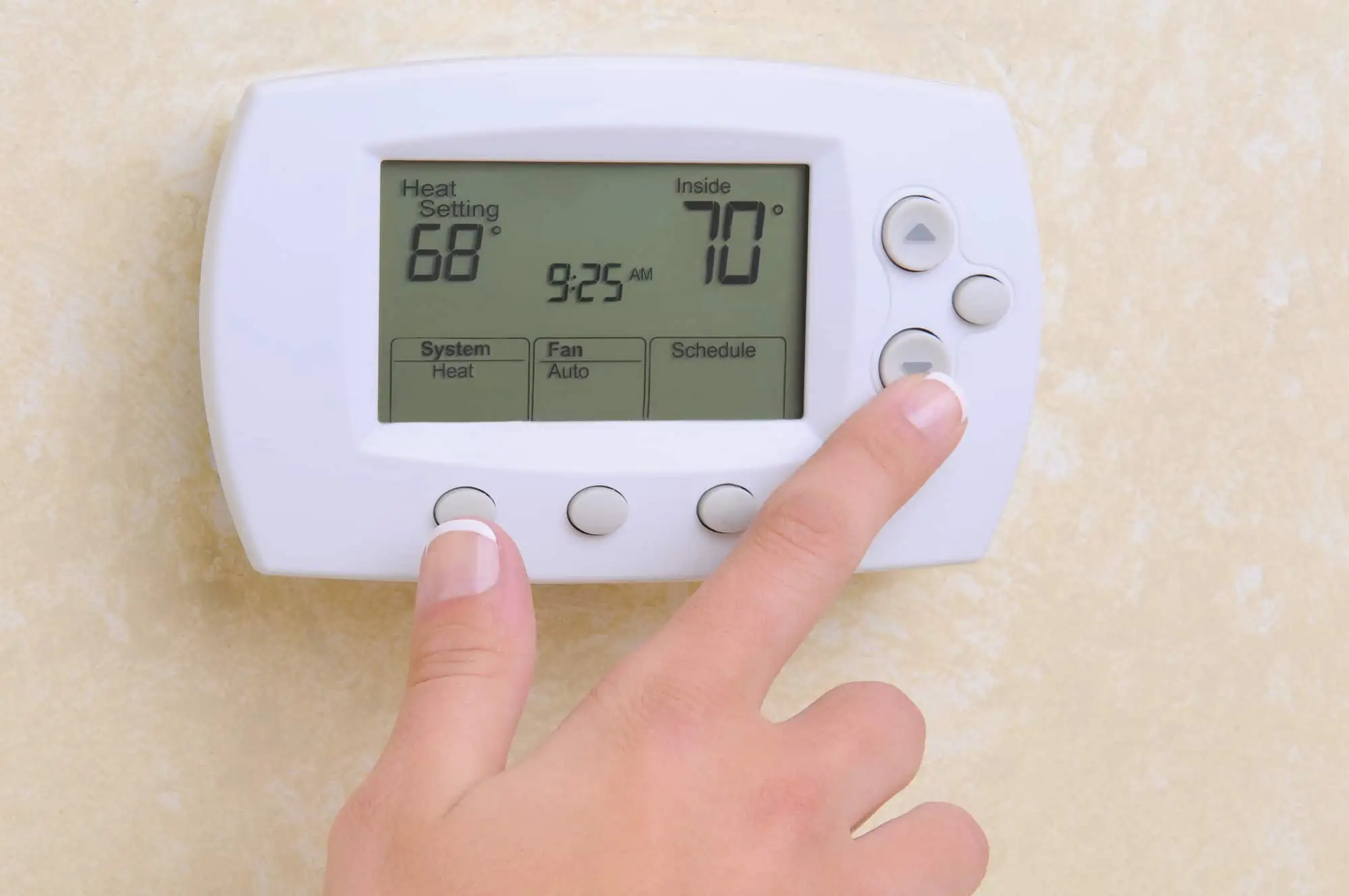
Most of your home’s energy consumption goes toward heating and cooling systems. A simple trick? During winter months lower your thermostat by a few degrees and in summer months raise it by a few degrees. Efficiency improves further when you use a programmable thermostat. Program your thermostat to adjust automatically during your sleep or absence to conserve energy.
Wash Clothes in Cold Water
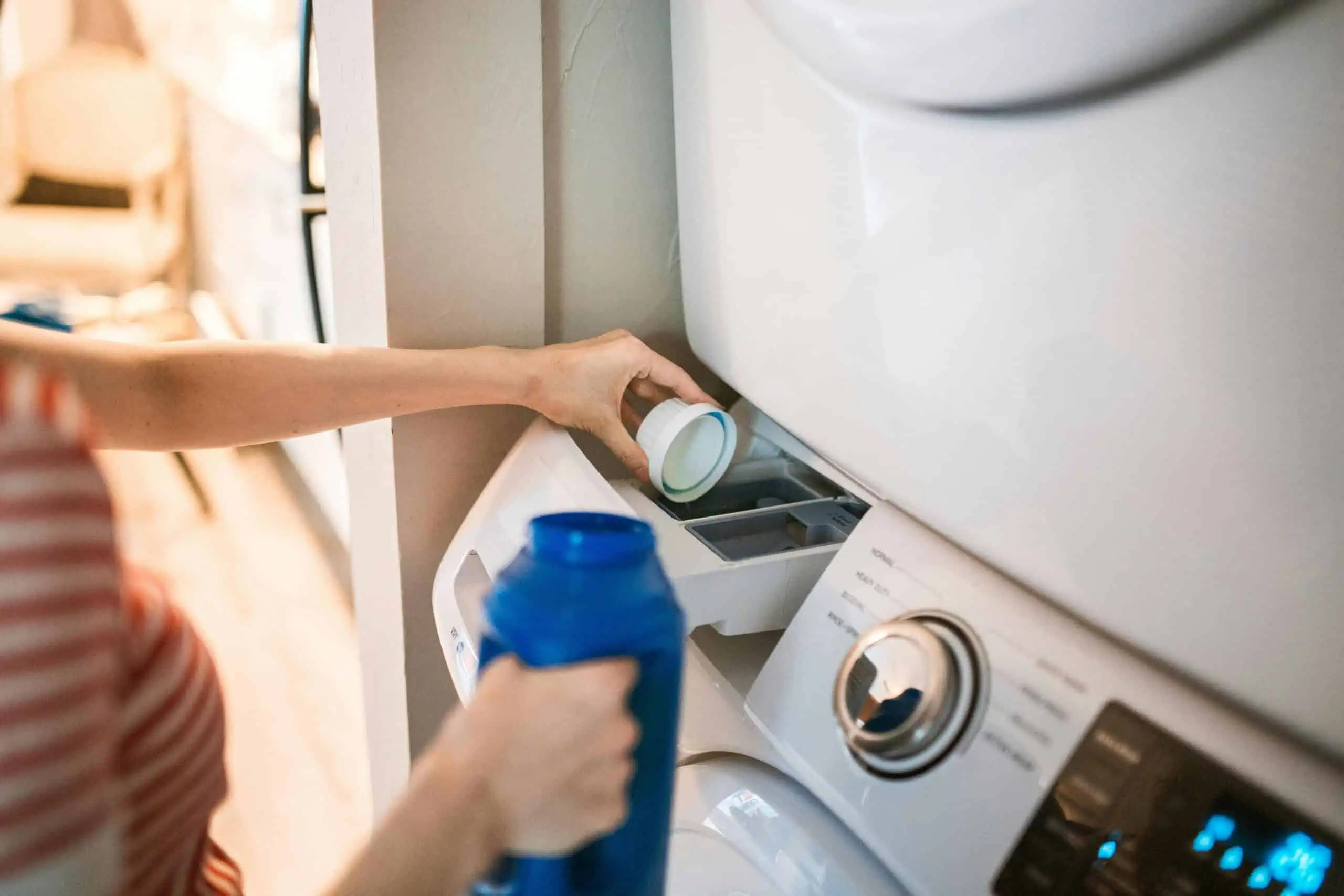
The washing machine requires high energy levels to heat water. Cold water cleans your clothes effectively when they are not extremely dirty and protects your fabrics better than hot water. Bonus: You can conserve additional energy by choosing to air dry your clothes instead of using a dryer.
Use Fans Instead of Cranking the AC

Portable fans and ceiling fans consume much lower energy levels compared to air conditioning systems. During warm months, operate ceiling fans in a counterclockwise direction to send cool air downward. During winter months activate the clockwise setting on your fans to distribute warm air throughout your living space. Keep the AC vents clean and unobstructed to make sure air flows through the system properly.
Close the Blinds During the Day (or Open Them in Winter)

The warm sunlight coming through your windows heats your house quickly, which forces your air conditioner to consume more energy. Close your blinds or curtains during peak afternoon heat to maintain lower indoor temperatures. During winter months you should open your blinds during daylight hours to capture natural heat and then close them at night to keep the warmth inside.
Be Smart About Appliance Use
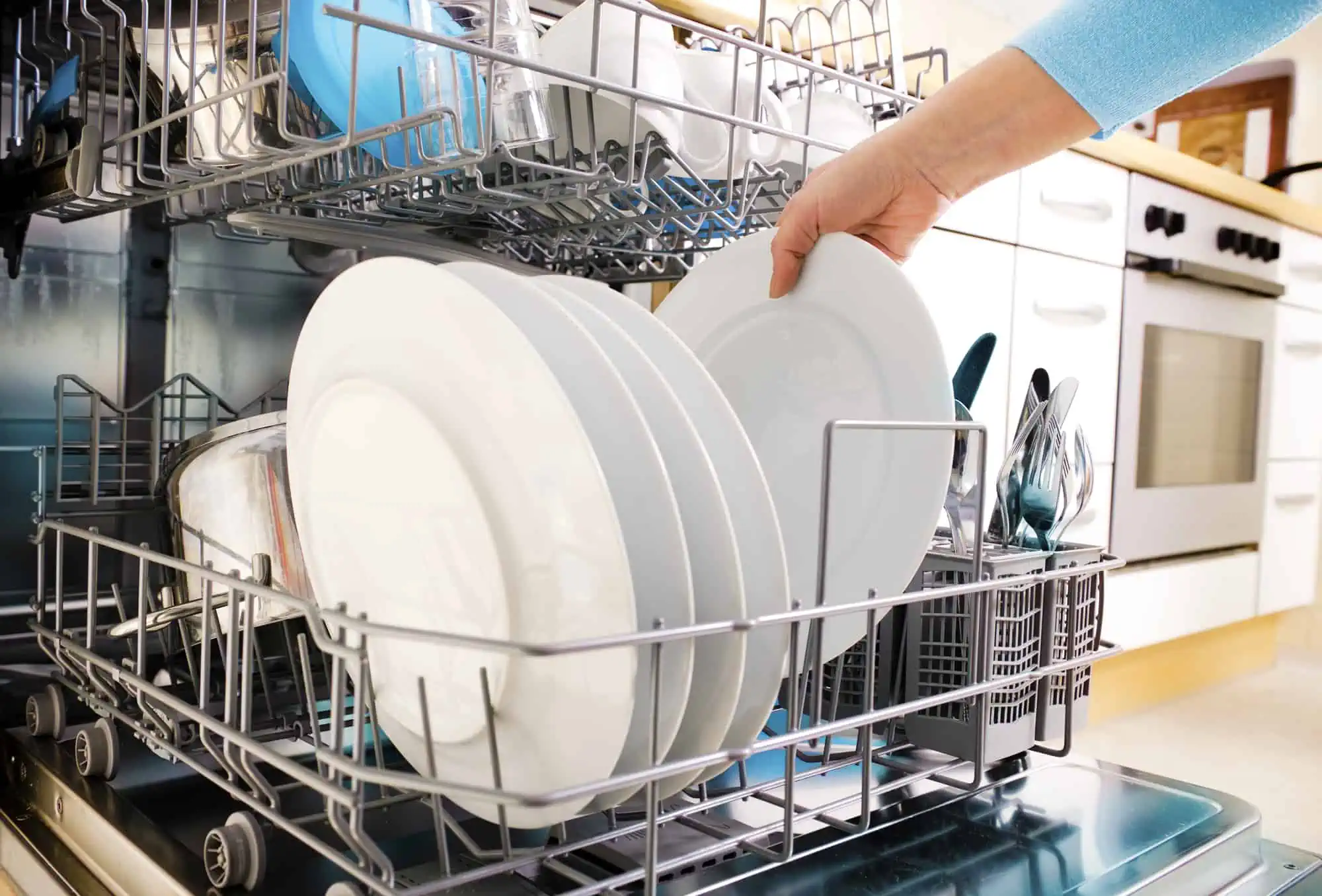
Some appliances use large amounts of power, especially during peak hours when electricity rates are higher. Save money by running your dishwasher, laundry, and other large appliances during nighttime or early morning hours. Make sure your appliances are full before operating – this uses energy more efficiently.
Seal Up Drafts and Air Leaks

If your home is drafty, you end up wasting energy on heating or cooling the outside air. Inspect windows, doors, and vents to find leaks and apply weather stripping or caulk to seal them. A quick solution like a door draft stopper can keep your home comfortable without cranking up the heat or AC.
Keep Your Fridge and Freezer Full (But Not Overloaded)

A refrigerator and freezer with items inside require less energy compared to empty ones because the contents help regulate their internal temperature. Avoid overpacking because proper air movement is essential for maintaining efficient operation. Inspect your refrigerator door seals since any leak of cold air inside forces your fridge to operate at increased energy levels.
Switch to Energy-Efficient Appliances (When It’s Time to Upgrade)

Old and inefficient appliances could be consuming more energy than you realize. Appliances with the Energy Star certification consume significantly less electricity compared to older models. Investing in new appliances for your fridge, washer or AC unit will save you money on utility bills over time if your budget allows for these purchases.
Disclaimer: This list is solely the author’s opinion based on research and publicly available information.
Like our content? Be sure to follow us on MSN.