

By your 60s, your body is starting to give little signals that it’s tiring. These changes are inevitable as we age, but they are so easy to miss. You can experience little changes such as becoming tired easily or taking longer to recover from a busy day. These signs don’t necessarily indicate anything bad – but you should consider watching out for them if you want to stay active. Here are 10 subtle clues your body may be sending as it adjusts to this life stage.
featured Image Credit: Pexels.com.
Tiring More Easily

Feeling tired, even when you’re doing things that were once easy peasy, is a classic symptom of ageing. If you are in your 60s, your body does not quickly recover from physical activity or a long day. Even something as mundane as going up the stairs or working in the garden can make you exhausted. That’s because as you get older your muscles and your energy levels naturally decrease. Exercise and resting will leave you feeling more energized.
Slower Healing
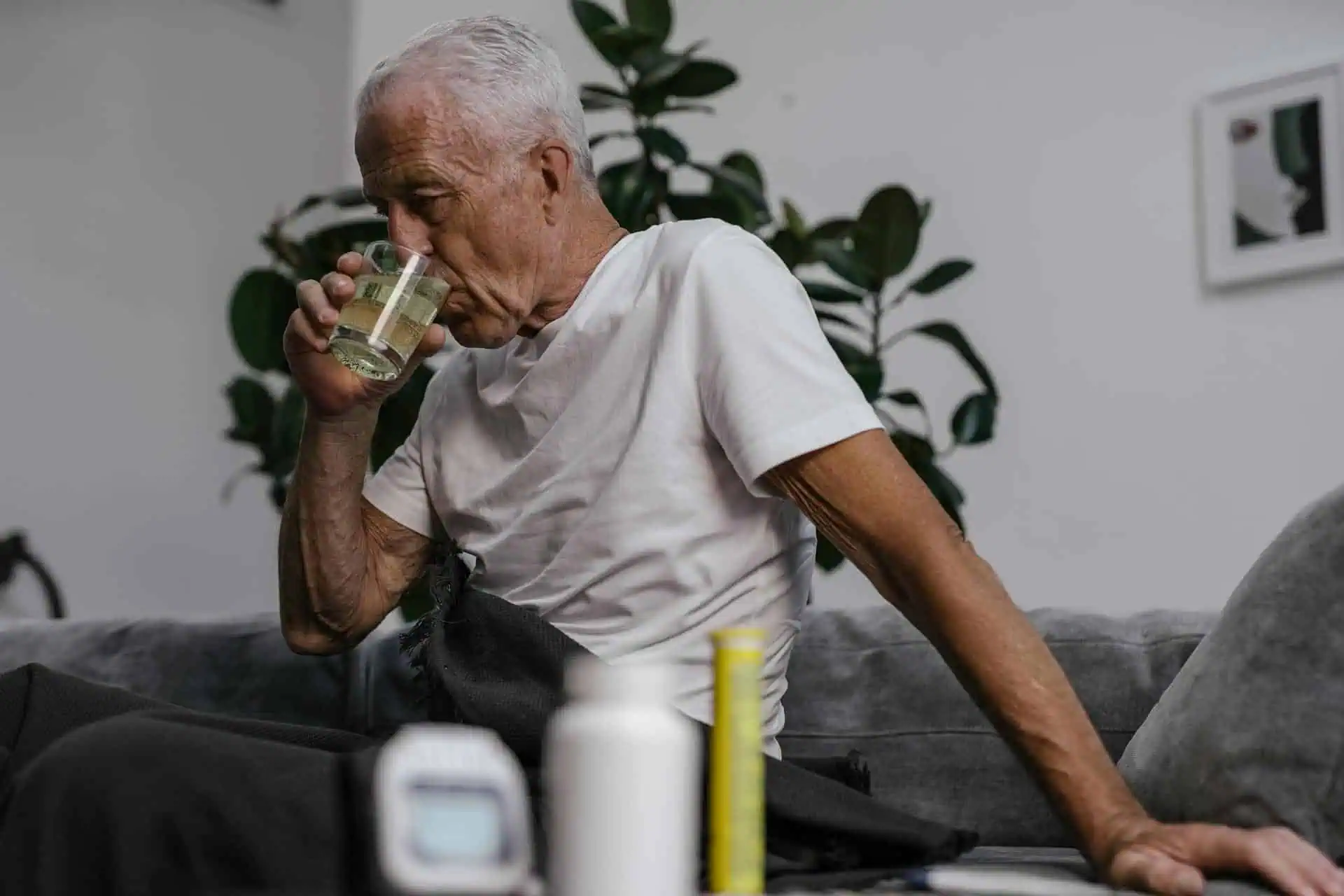
Cuts, bruises, and injuries may take longer to heal than they did when you were younger. This is because your skin thins and your body’s ability to repair itself slows down. The immune system is slower to adjust – wounds don’t heal as quickly. Taking care of your skin, eating well, and avoiding infections can help.
Like our content? Be sure to follow us.
Weaker Grip Strength

You may even find opening jars or carrying food a bit trickier than before. This is because muscle strength (and especially strength in your hands) degrades as you get older. A shakier grip is a subtle sign that your muscles are in need of some attention. Keep your hands strong and stable with regular hand training & hand exercises.
Changes in Balance

When you’re in your 60s, it’s not unusual to feel a little off balance or to have to cling to something to balance yourself. This is because your inner ear, muscles and joints, all of which function together to stabilize you, weaken with age. If you are unstable, you’re at a higher risk of falling – so try balance exercises such as standing on one foot or gentle yoga.
Slower Reaction Times

It’s possible that your reflexes have slowed down. For instance, you might feel a delay while catching something or responding to sudden movements. This is because your brain-body link slows as you get older. This is natural, but if you are mentally and physically active, you can keep your reflexes in check.
Stiff Joints

Stiffness in your knees, hips or fingers becomes more pronounced in your 60s. This is usually caused by the wear and tear on the joints, leading to issues such as arthritis. Stiffness in the morning or stiffness after sitting for a long time are usual symptoms. Mild stretches & exercises can be used to loosen your muscles and keep your joints flexible.
Thinning Hair

Your hair can become thin or fine and will start falling out a lot more frequently than it used to. This is a part of getting older, as hair follicles thin out and hair growth slows down. This is more prevalent in men – but women can experience it too. Good diet and gentle hair care products can maintain your hair in good condition.
Digestive Changes

Your digestion may take longer, and you might feel bloated or uncomfortable more often. That’s because your gut muscles can become weak with age and your body can’t process foods. Digestion can be supported by drinking water, eating lots of fiber, and being physically active.
Dry Skin

The older you are, the less oil your skin naturally produces, and the drier and more itchy your skin becomes. You may have scaly patches or a tightness on the skin – mainly around the hands & the face. This is natural as you get older, but make sure to hydrate your skin and moisturize regularly. Soft soaps and sunscreen can help too.
Memory Lapses

You might have trouble recalling names, dates or where you left your keys. These little lapses in memory are normal as your brain ages. They’re not necessarily a sign of anything serious, but by engaging your brain with puzzles, reading, or learning new things, you’re helping your brain stay sharp. Social connections and a well-rounded life help brain health, too.
Disclaimer: This list is solely the author’s opinion based on research and publicly available information.
Like our content? Be sure to follow us.
Read More: