

Writing a memoir for your family is one of the most meaningful things do – it preserves your stories and life lessons and create a keepsake for future generations to value. But where do you even start? The thought of documenting your life story might be intimidating but there’s no need to worry! These 11 strategies will help you write a memoir that transforms your memories into a treasured collection for your family.
Featured Image Credit: serezniy /Depositphotos.com.
Focus on the Stories That Matter Most

You don’t have to include every single event in your life – just include experiences that shaped your life. Focus on life events that left a meaningful mark on you, whether big or small. These can include life-changing experiences, funny childhood memories, or even heartwarming family traditions. The best memoirs are a combination of meaningful life events and personal insights instead of just factual information.
Write Like You’re Telling a Story, Not a History Lesson

No reader wants to go through a memoir that reads like a dry timeline. Write your stories as if you’re speaking to someone face-to-face. Bring your memoir to life with dialogue and personal reflections – add small descriptive details to create vivid images. Maybe it’s the comforting aroma of your mother’s favorite dish wafting from the kitchen or the way your grandfather’s old radio crackled through the Sunday morning silence. Such vivid details transform your memoir into an authentic and captivating read.
Like our content? Be sure to follow us.
Start With a Powerful Memory, Not Your Birthdate

Don’t begin your story without the common “I was born in…” introduction because your family already knows your birth date. Draw your reader in by beginning with a vivid scene. You can begin your memoir with the day you met your best friend, a childhood adventure that brings a smile to your face today or a life-altering lesson you learned. A memoir becomes instantly engaging when you begin with a strong memory.
Keep It Conversational and True to Your Voice

Keep your story authentic by writing naturally instead of trying to sound like a historian or novelist. Use your natural speaking style when writing which can be humorous, sentimental or direct. If you normally tell stories with humor, it should stand out in your writing. If you’re more reflective, lean into that. Your family will feel closer to your story when they hear your genuine voice throughout your memoir.
Don’t Be Afraid to Share the Hard Moments

Life has both good times and tough challenges, so your memoir needs to include not just the happy moments. You can write about tough times and mistakes in your memoir but make sure to explain how these experiences taught you important lessons. Rather than just describing difficulties experienced, go deeper and explain how they changed you. Perhaps the death of someone important taught you to value each moment or a personal mistake helped you learn a lesson that influenced your future. Your memoir becomes more genuine and engaging when you include sincere personal experiences.
Include Family Traditions and Inside Jokes

Every family has unique little quirks – it’s time to share them! Personal stories like secret cookie recipes and funny family nicknames that have lasted through generations give your memoir life and personality. Think about the minor details that made your childhood memorable or phrases your parents used to always say. These authentic details will make your loved ones smile and give your memoir a personal touch.
Use Photos and Memorabilia for Inspiration
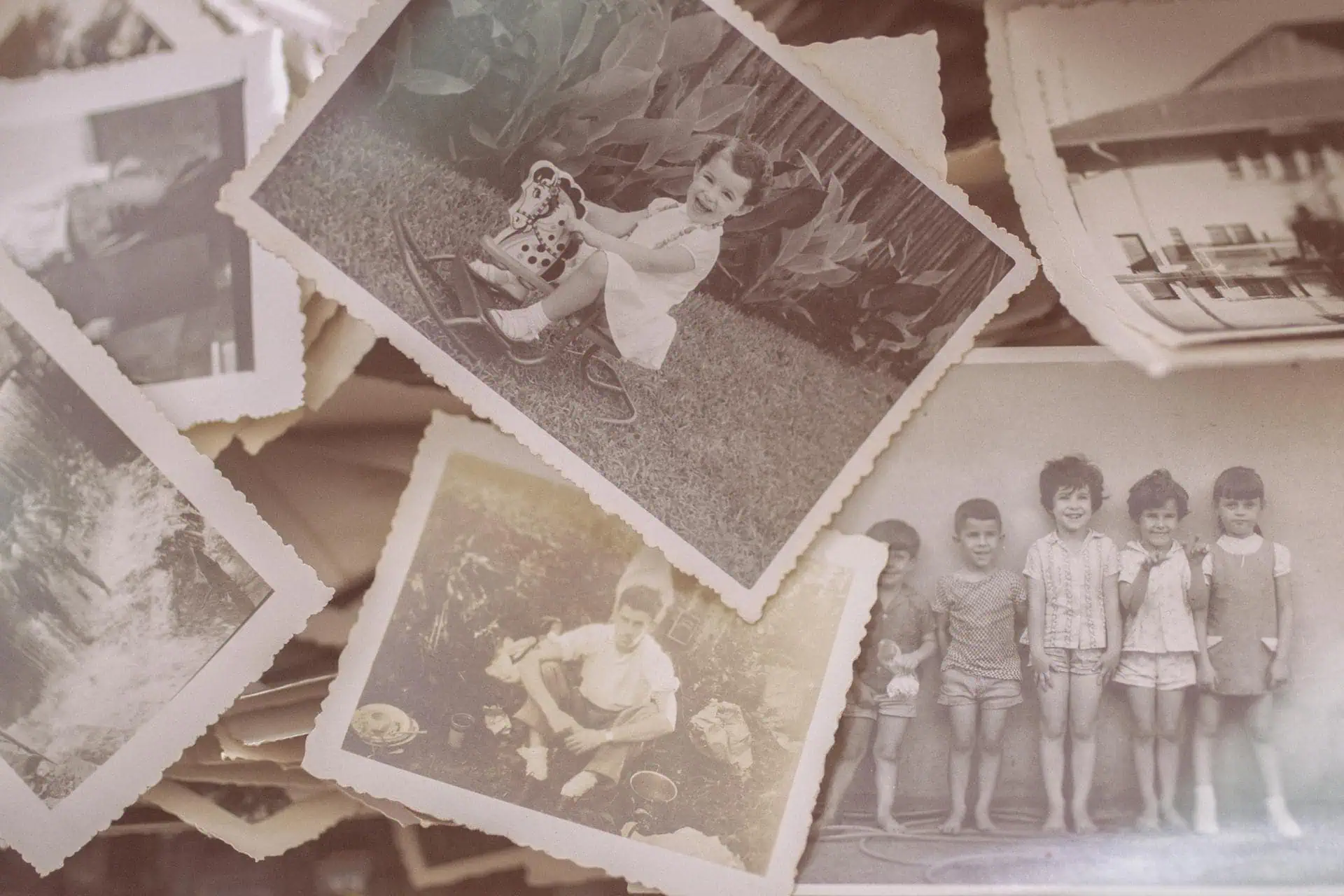
If you’re feeling stuck, try looking through old photo albums, letters & cherished keepsakes. A photograph can evoke the full details of a complete memory. A faded love letter can bring back memories of your first love or an old concert ticket can transport you to a cherished night with friends. Using these items as writing prompts can help you recover memories and provide greater depth to your writing.
Interview Family Members for More Stories

What you believe you remember may differ from the memories your family has about the same events. Fill missing details by having conversations with siblings, children or older relatives. Your brother may recall childhood adventures in a different way from your memory or your children might cherish a story you thought insignificant. Your memoir becomes richer when you incorporate multiple viewpoints.
Keep It Short and Easy to Read

A memoir does not need to be structured as a lengthy novel. Write your stories in brief segments so readers can easily digest and refer back to them. Themed chapters such as “Childhood Adventures,” “Lessons in Love,” or “The Funniest Things That Ever Happened” let family members quickly locate their favorite stories in your memoir.
End With a Meaningful Reflection

Consider what lessons or messages you want your family members to remember after reading your memoir. You can choose to leave your readers with an important life lesson or a sincere heartfelt message. You may want to encourage them to live in the present, remain true to who they are, or preserve your family’s cultural practices. A concluding reflection helps tie everything together and leaves your readers with something to think about long after they’ve finished reading.
Just Start Writing—Don’t Worry About Perfection

Your first step should be to get writing. Don’t stress about getting every sentence perfect. Your relatives won’t mind about your grammar mistakes or messy handwriting. They will value your words because they originate from you. Set a manageable target like writing one story weekly or a single memory daily – based on what suits your schedule. The sooner you start writing, the sooner you’ll have something that your family will treasure forever.
Disclaimer: This list is solely the author’s opinion based on research and publicly available information.
Like our content? Be sure to follow us.
Read More: