

Turning 50 won’t exactly make eating more dangerous, but there are some foods that stop making sense when you get older, and it’s worth leaving them off your plate.
The breakfast meat habit
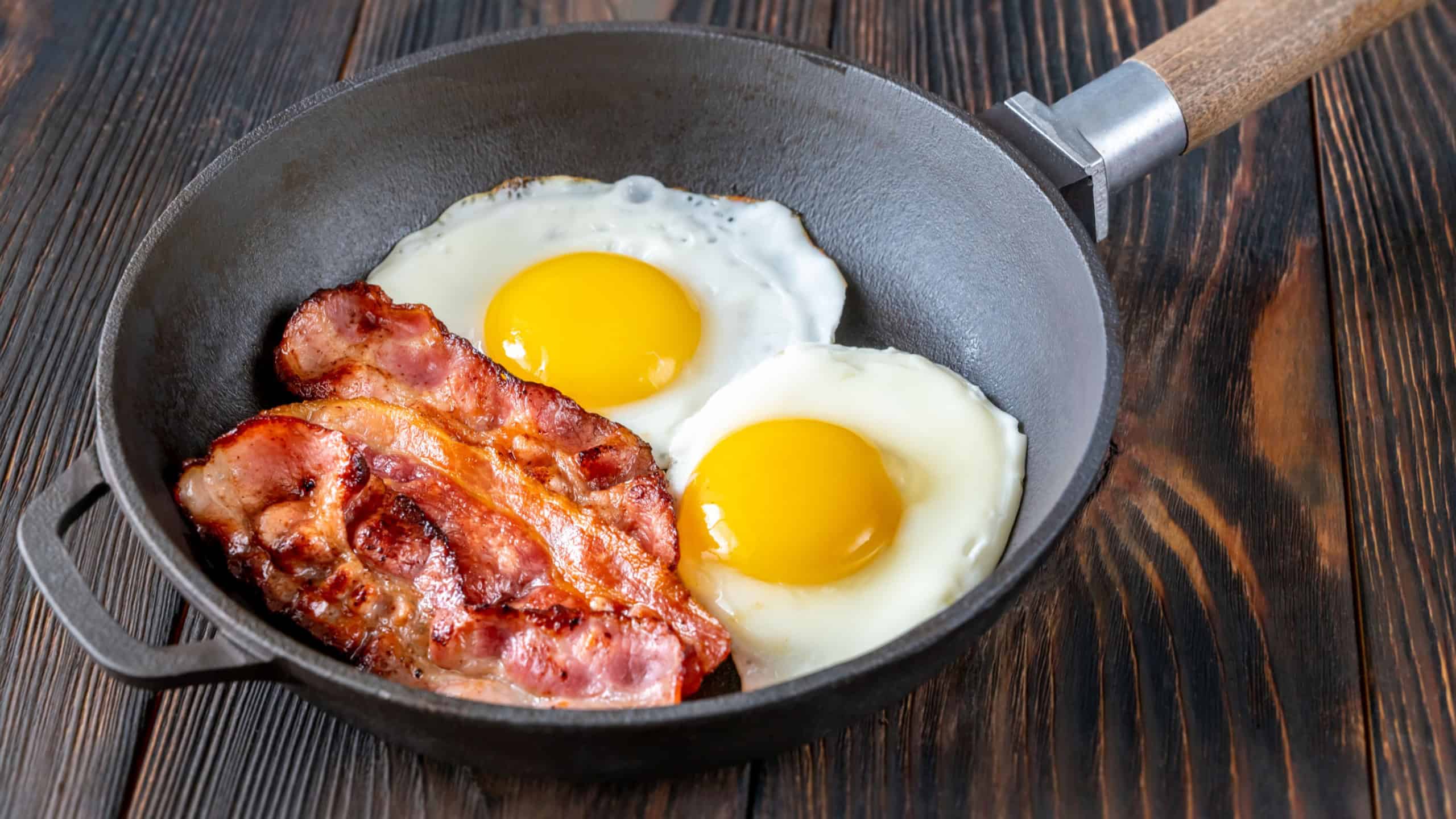
Everyone knows that bacon is bad for you, as it’s a lot of processed meat, sodium, and saturated fat in a pretty small serving. The thing is, it becomes a lot worse for you when you’re older. Such a combination causes problems for your blood pressure and heart health.
These are much bigger concerns through the 50s and beyond. A single slice might not exactly be a disaster, but you should really avoid starting your day with a slice of heavily processed meat. There are much better protein options to try.
The sandwich filling changes
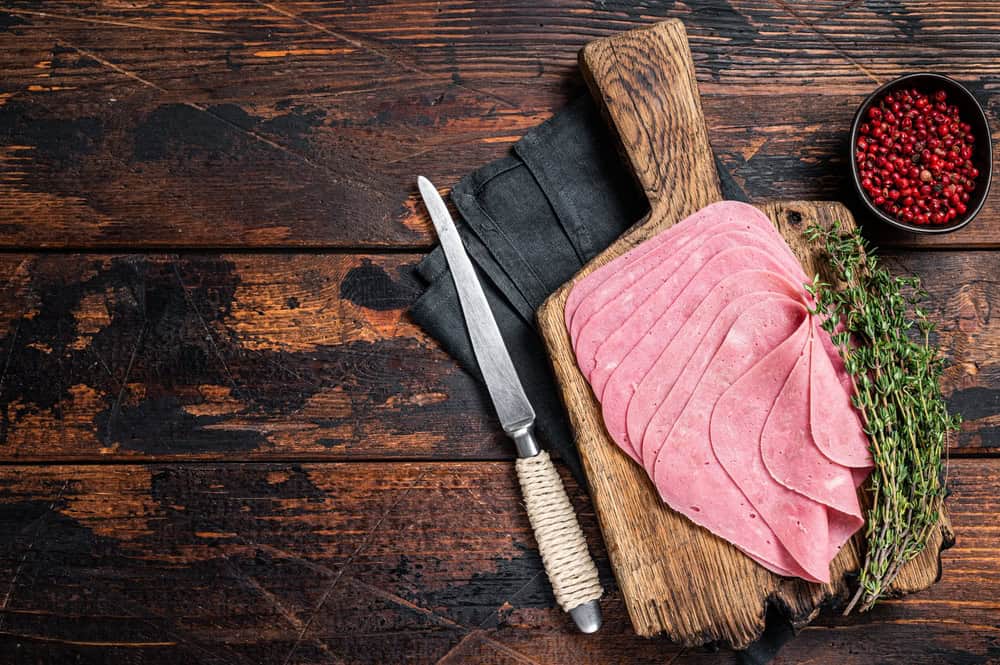
Deli meat sure does seem harmless. It’s cold and already sliced, making it seem like a pretty convenient sandwich filler. But slices of ham, salami, bologna, and packaged turkey can have high amounts of sodium in them. That’s not exactly great for your heart health.
There’s also the risk of listeriosis infection. Listeria is a kind of bacteria that’s sometimes present in deli meats, and most of the time, it’s not a major health issue. For people over 65, however, it certainly is, so you might want to leave those cold cuts in the grocery store.
Tiny sprouts carry a bigger risk
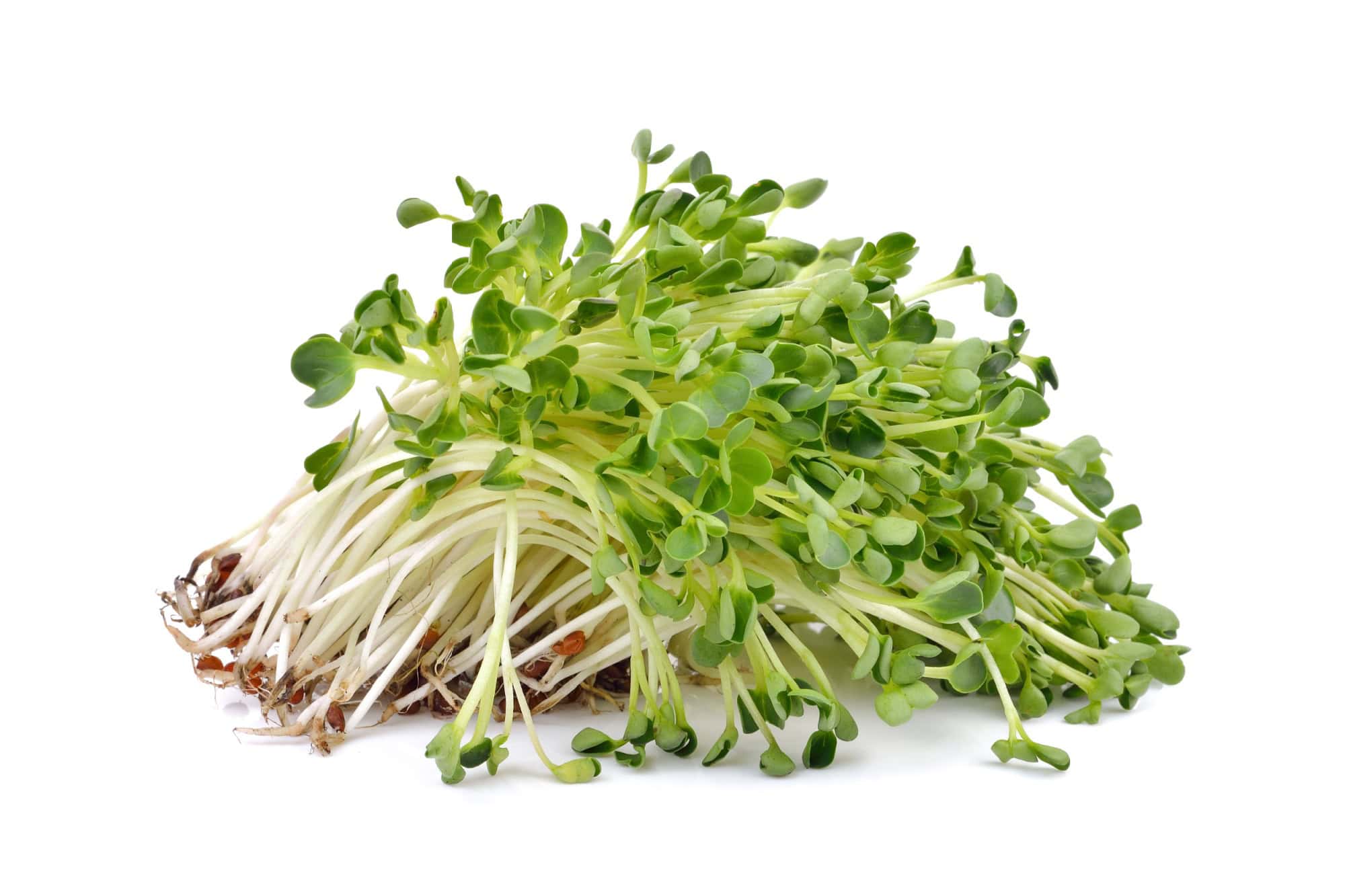
You should definitely eat more vegetables as you get older, and that’s not exactly rocket science. But be careful what greens you eat. Raw alfalfa sprouts, for example, can be quite risky for older people because they sometimes contain dangerous bacteria.
It doesn’t matter whether you wash them, as the bacteria can still hang around. Adults over the age of 50 should avoid raw sprouts because food poisoning tends to be a lot worse when you’re older. Eat the sprouts if you want, just make sure they’re fully cooked.
Keep the yolk cooked
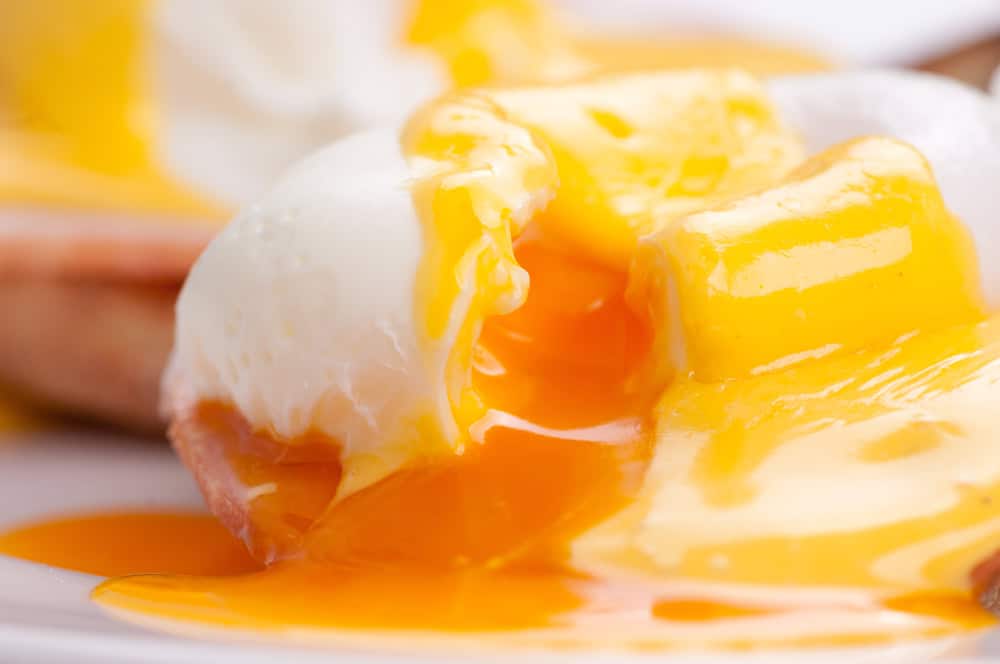
There’s a special kind of appeal to runny eggs, particularly when the yolk soaks into toast. It just tastes so good. The problem is, undercooked eggs can carry Salmonella, and older adults are at a higher risk of becoming seriously ill from it.
You should still eat eggs when you’re older because they’re a good source of protein. But you’re better off checking that the whites and yolks are firm, unless you fancy a trip to the hospital. Getting that perfect dip isn’t worth it.
Rare can be too rare

The whole reason that steak tartare is so delicious is the fact that it’s uncooked. That’s also what makes it so dangerous. Raw beef is dangerous for everyone, no matter the age, because it often contains harmful bacteria, and there’s no heat to kill them off.
But it’s even worse when you’re over 50 because you’re more vulnerable to severe foodborne illness. Eating raw meat is a much bigger gamble later in life. No, fifty isn’t a hard cutoff point, yet it’s the age when you should seriously consider what you’re eating.
Raw shellfish deserve caution

Raw oysters are another cooking issue because, when you serve them uncooked, whatever’s living in them will stay alive. No amount of lemon juice is going to fix that, nor hot sauce. The problem lies with the bacteria inside, such as Vibrio.
These can cause serious illnesses that only become more dangerous for older people. Official medical guidance is pretty clear. Those over 50 should reduce raw oysters to being an occasional food, or quit eating them completely.
Chilled pâté has a catch
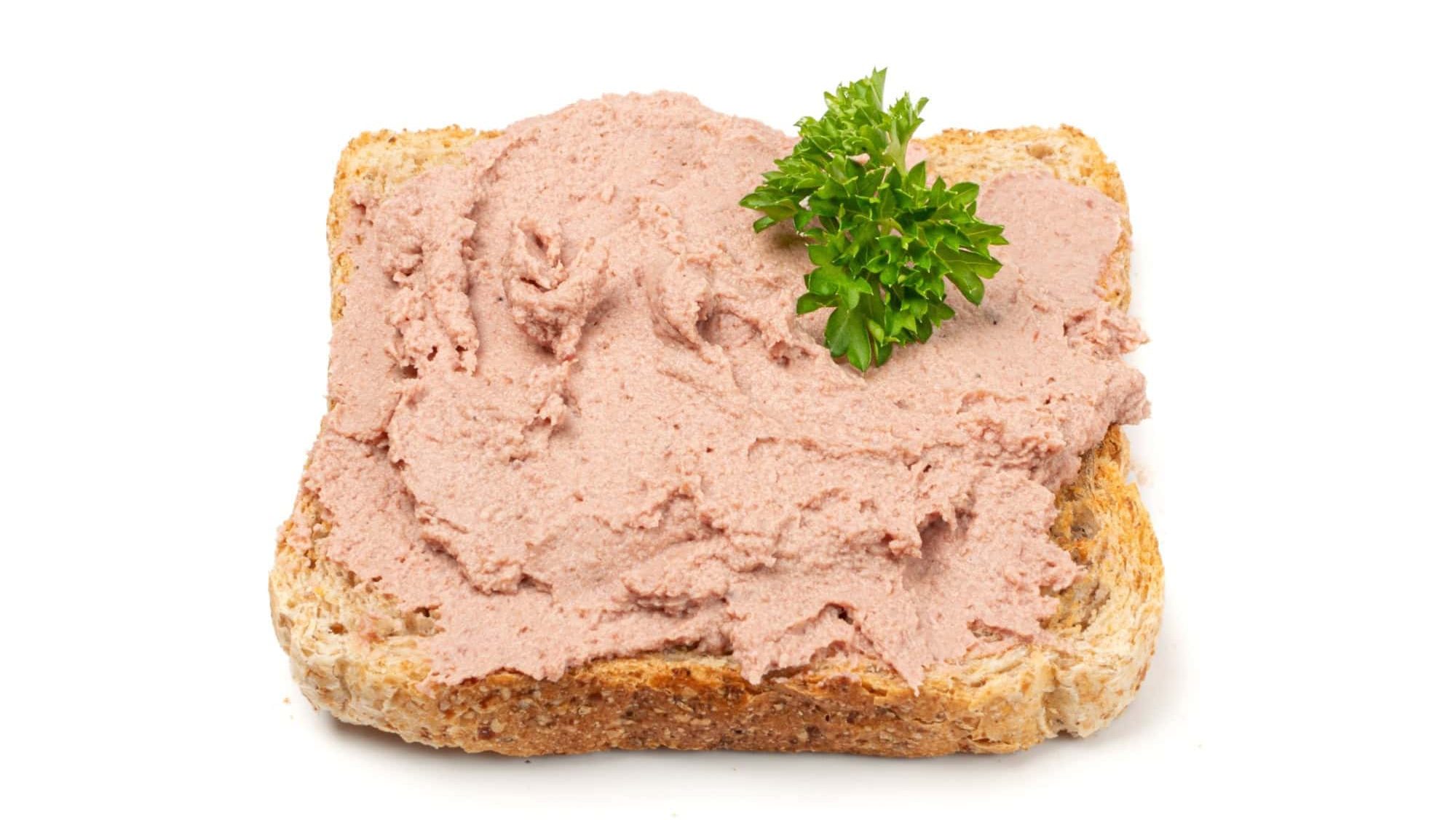
There’s no denying that refrigerated pâté is a fancy item. The problem comes with the fridge aspect of it. Listeria is the kind of bacteria that can actually grow at refrigerator temperatures, rather than dying off like other bacteria normally do.
It’s the main reason why refrigerated pâté and meat spreads are so dangerous for older adults. Eating pâté isn’t the problem, but rather, only having the chilled kind.
The deli counter isn’t the same as home
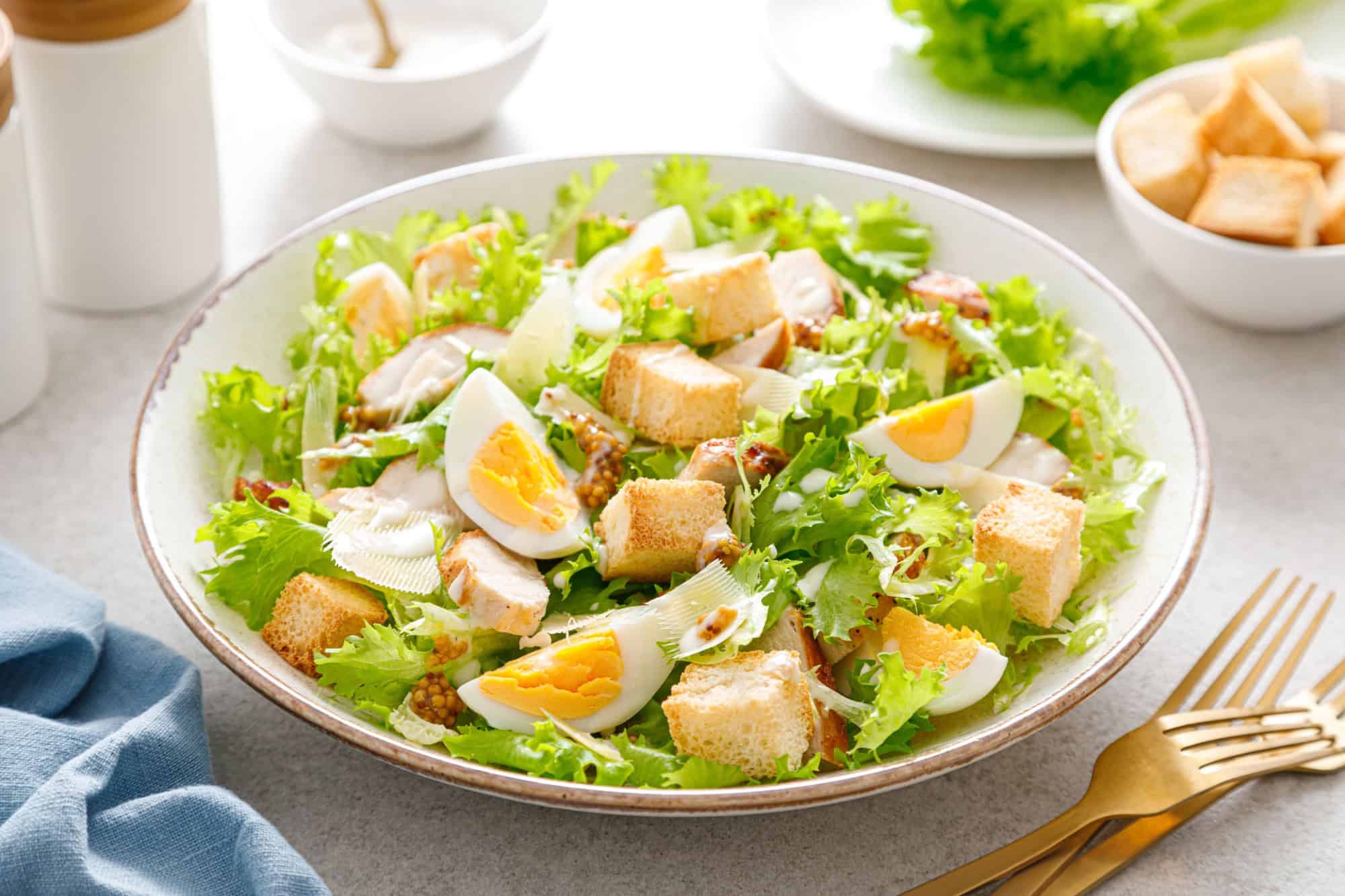
Premade chicken salad is the kind of food that’s already lived an entire life of its own before it reaches your plate. Just think about it. It’s been cooked and cooled, chopped and mixed, then handled, stored, and scooped. So many steps give bacteria more chances to contaminate the food.
That’s why anyone over 50 may want to avoid buying the shop-bought kind. Instead, try making some homemade chicken salad yourself, as it’ll give you a lot more control over how fresh everything is. You’ll know how long it’s been sitting around, too.
Yogurt can do more work

Yogurt is something many health professionals recommend people over 50 eat. But you have to be careful with it. Eating a cup of low-protein yogurt is pretty pointless, and it’s not really benefiting you in any way. You should swap it out for the high-protein kind.
After 50, keeping muscle becomes a lot harder, so making sure to get enough protein throughout the day is very important. Avoid the sweetened yogurts. They’re just like dessert. Go for some Greek-style yogurt because it’ll give you that real kick of protein that you need.
Milk doesn’t need all the fat
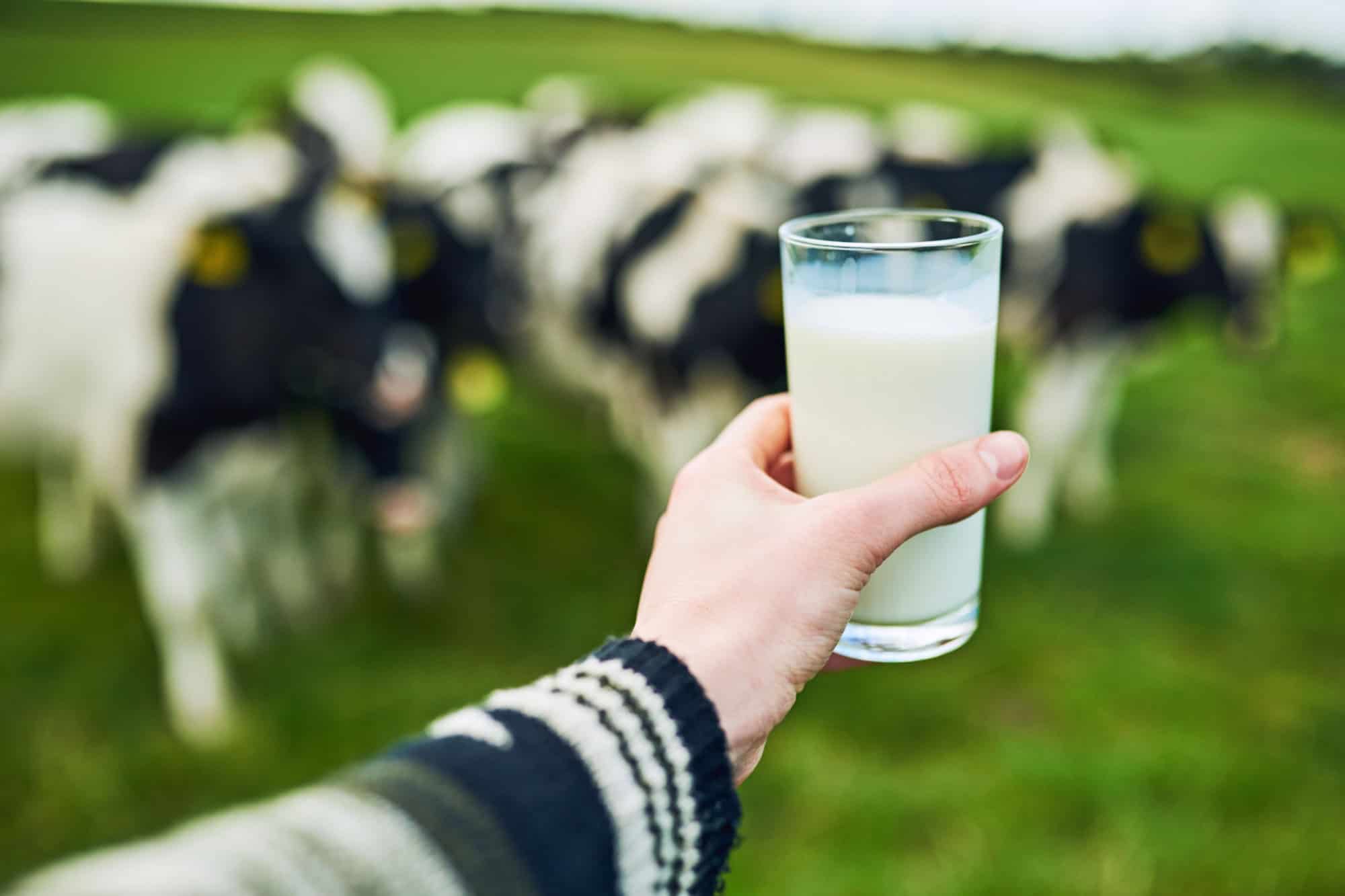
There’s a lot to love about milk when you’re an older adult. It has lots of protein, for one, and it’s also got plenty of calcium to help your bones, as well as many useful nutrients. But then there’s the fat.
Full-fat milk has tons of saturated fat that really isn’t good for your body when you’re older. No matter how rich it might taste, whole milk just isn’t worth the health risks. Stick to low-fat and 1% milk to get those same nutrients with much less fat.
Butter adds up quickly
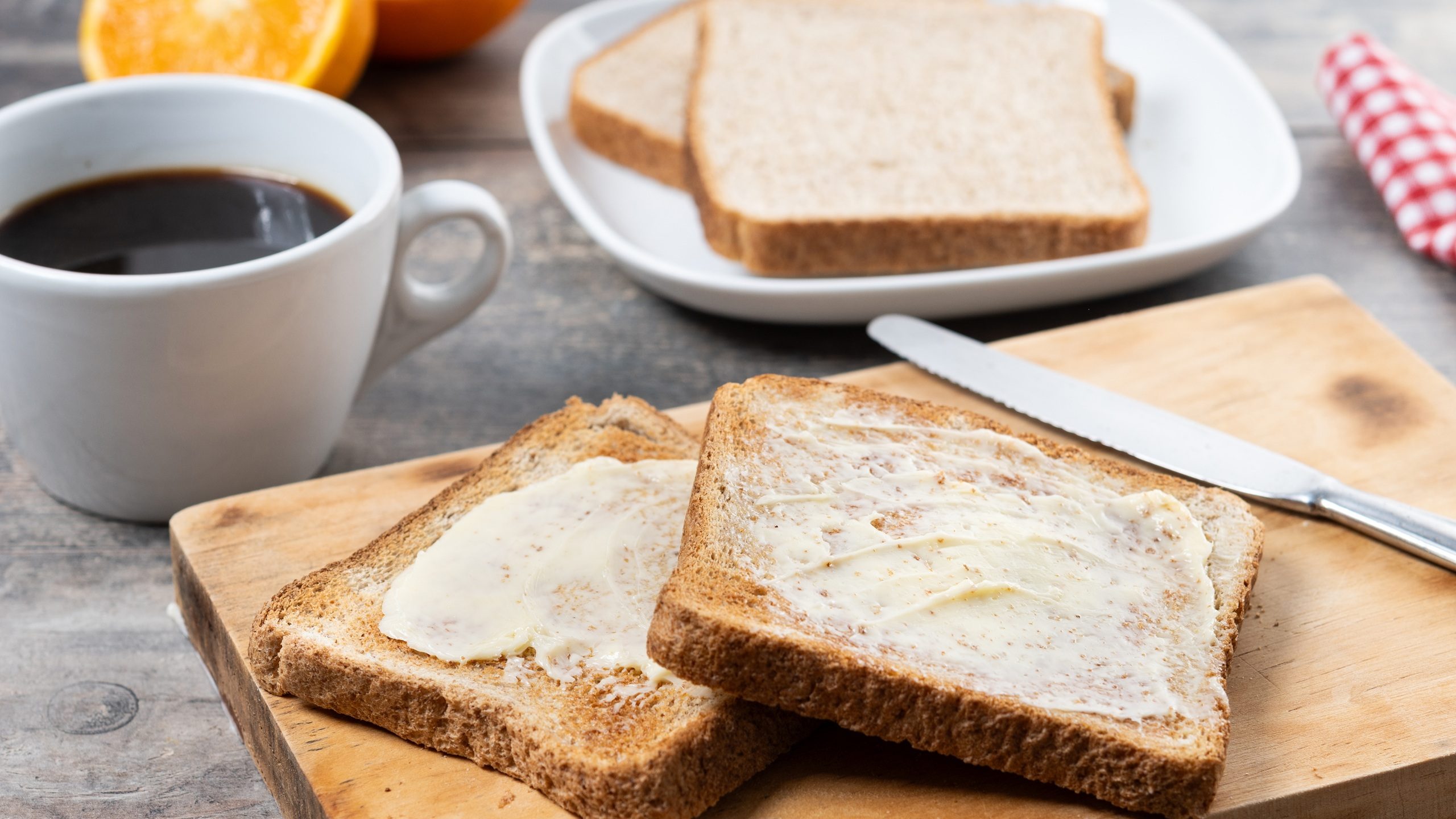
Butter is one of those ingredients that has a habit of sneaking into way too many meals. You have a little on some toast and put some in the frying pan, then put another chunk on potatoes. The truth is, a lot of adults have very buttery diets. That’s not good.
Too much butter increases how much saturated fat you consume, and it’s bad news for your heart health. You’re better off using oils higher in unsaturated fat for everyday cooking. Try to cut butter out of your diet as much as you can.
The grain has lost something

White rice doesn’t seem all that intimidating, and that’s probably why it’s on so many dinner plates. There’s an issue, however. The bran and germ get stripped away from white rice, and that takes away most of the grain’s fiber with them.
It’s a pretty pointless trade to make once you turn 50. Fiber helps with two things that become bigger issues when you’re older, digestion and blood sugar. Your best bet is to swap the white rice for the brown kind. It’ll keep far more of the original grain intact.
Drinking fruit changes the package
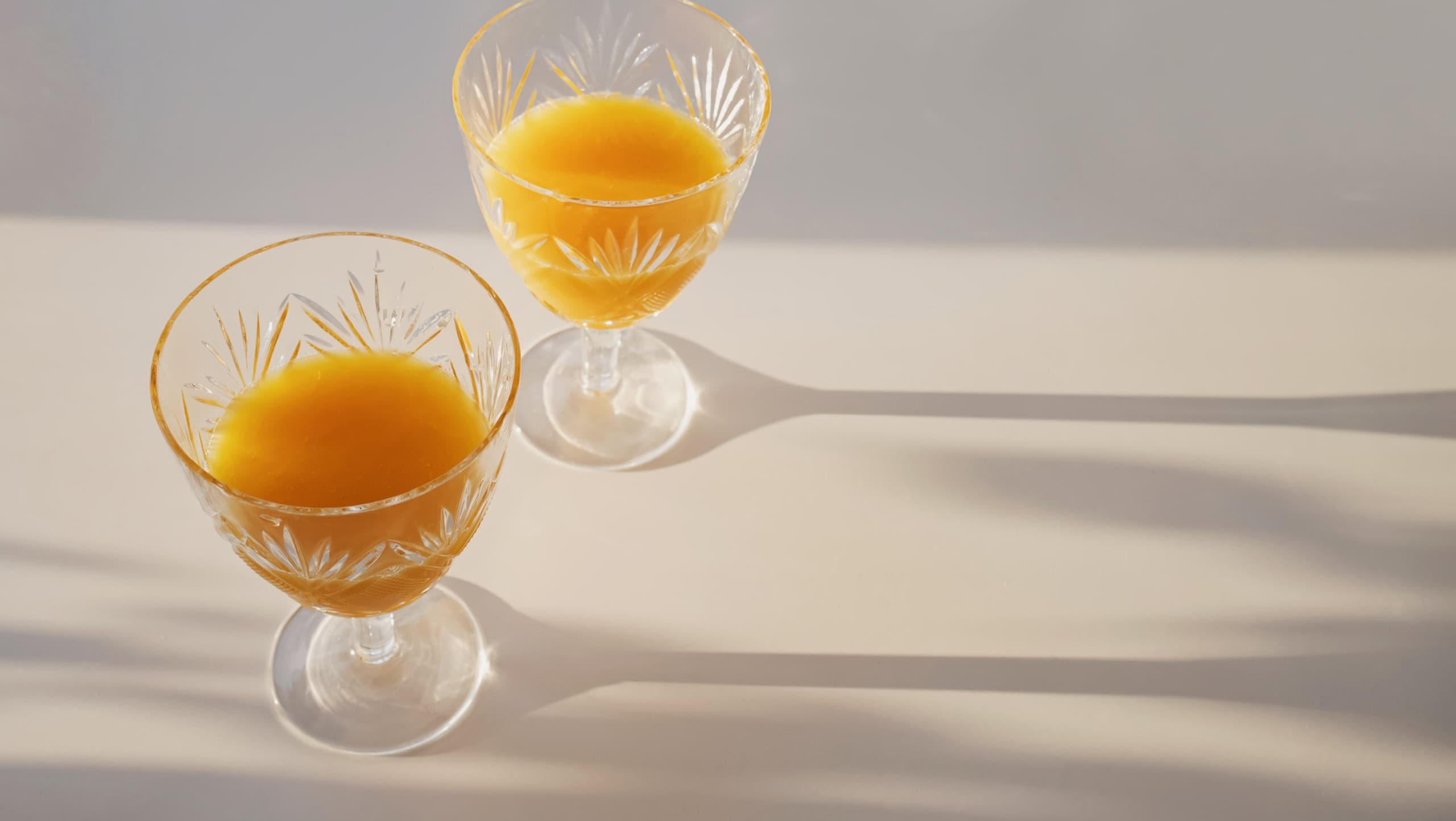
Fruit juice is made of, well, fruit, so it feels like a healthy option. It is, mostly. But a single glass of orange juice may contain the juice from several oranges, yet very little of their fiber. You’ll drink the glass without feeling full or getting all of the health benefits.
It’s rather important after 50. If that isn’t bad enough, research has found there may be a connection between higher fruit-juice intake and higher risks of type 2 diabetes. Whole fruit tends to come out better, meaning you might want to try that instead.
Check what was added back

As you get older, vitamin B12 becomes harder to absorb from food, which is why doctors recommend getting more B12 from fortified foods or supplements. This includes cereal. So, the advice here is to cut out any plain, unfortified cereal from your diet.
There are so many cereals out there that already have B12 added, sometimes in pretty decent amounts. Just check the label of the box before you throw it in the cart. It’s worth paying a little extra for some more nutrition. Just make sure to avoid the sugary cereals.
Sources: Please see here for a complete listing of all sources that were consulted in the preparation of this article.
12 things that get easier (not harder) after 50

While most people think that turning 50 is a time to slow down, these are the real, everyday things that get a whole lot easier and enjoyable.

