You know those times when you walk into a store thinking you’ll just buy one thing and somehow you walk out with a cart full of stuff instead? It’s not just you—it’s a whole science. Stores have ways of making us spend more without us even realizing it & we’re going to look at ten of these tricks. Let’s see what’s really going on!
Featured Image Credit: Elnur_ /Depositphotos.com.
Strategic Product Placement

Most of the stuff you end up buying is right at eye level because stores put the pricier or higher-margin items where they’re easy to spot. We can’t help but be attracted to them! The stuff that’s cheaper or not pushed as much is going to be on the top shelf or down low. Down there, it’s a workout to reach.
The Power of Scent

Whenever you walk by a bakery & suddenly start craving, that’s the store playing tricks with your nose. Scents can make us feel all sorts of ways and stores use this to their advantage. They might put a cookie smell in a grocery store or a fresh linen scent in a clothing store to get us in the mood to buy. Our noses lead us straight to the checkout.
Like our content? Be sure to follow us.
Playing the Right Tunes
Music’s another trick. Slow songs can turn a quick shopping trip into a calmer walk and this makes us spend more time & money in the store. On the flip side, peppy tunes get us moving faster yet they also encourage us to make more spontaneous purchases. Either way, the store’s soundtrack isn’t simply filling the silence. It’s getting us to buy things!
Sale Signs and Limited-Time Offers

Big, bold sale signs with “Limited Time Offer” can make our hearts race because they tell us that there’s a time limit. If we don’t grab that deal now, we’ll miss out—and nobody wants that, even if you didn’t come in for that “50% off” item. It’s FOMO at its finest (or its ugliest, depending on your opinion).
The Decoy Effect
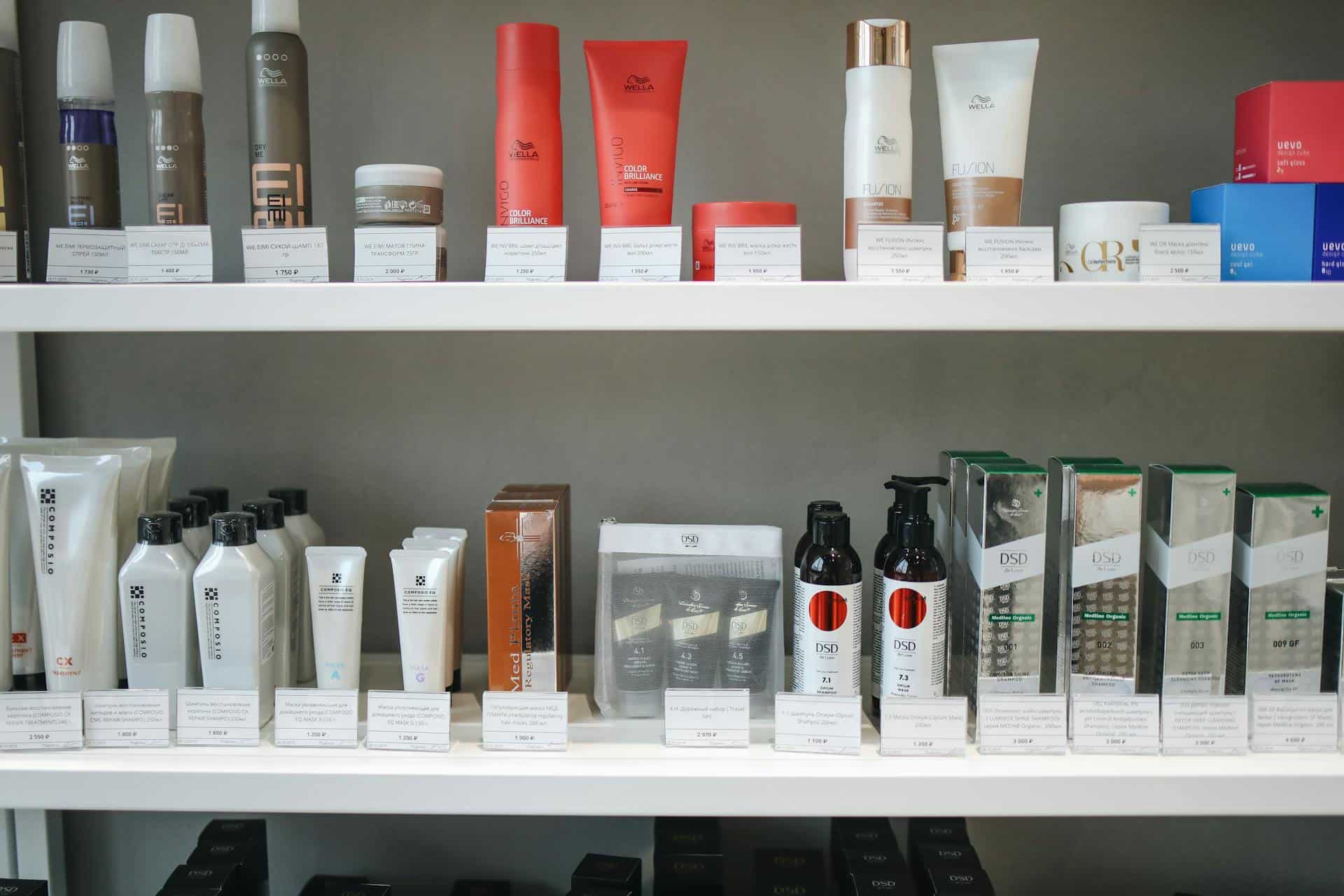
You might’ve seen three products side by side, where one seems like a bad deal and it makes another seem like a steal. That’s the decoy effect. Essentially, the store’s pushing us towards the choice they want us to make by throwing a less appealing option into the mix. Spending more suddenly seems like a great decision!
Free Samples and Demonstrations

Who doesn’t love freebies? Stores know we can’t resist trying a free sample or watching a demo of a cool gadget. It’s a double whammy because not only do we stop & engage but we also tell ourselves, “I got something for free so maybe I should buy something.” You’re being pushed towards the cash register, ever so subtly.
Complex Store Layouts
In some stores, you might be confused by the twisty paths & captivating displays although that’s not bad design. No, complex layouts make us wander past more products and this increases the chances we’ll make an impulse buy. Just trying to find the exit means passing through the entire store first.
The Checkout Impulse Buy

Those little goodies by the checkout are the final test of your willpower. After dodging all the other traps, here you are faced with tempting chocolates and last-minute deals that are meant to make you think, “Why not?” You’ve already spent some money so an additional purchase doesn’t seem so bad.
Bright Lighting and Colors

Thanks to the magic of lighting & colors, you’ll likely walk into a store and suddenly feel a lot happier. Stores will use bright lights & vibrant hues to make everything look better, including stuff we might overlook otherwise. Think of it as the store putting its best foot forward—and we’re here for it.
Loyalty Programs and Rewards
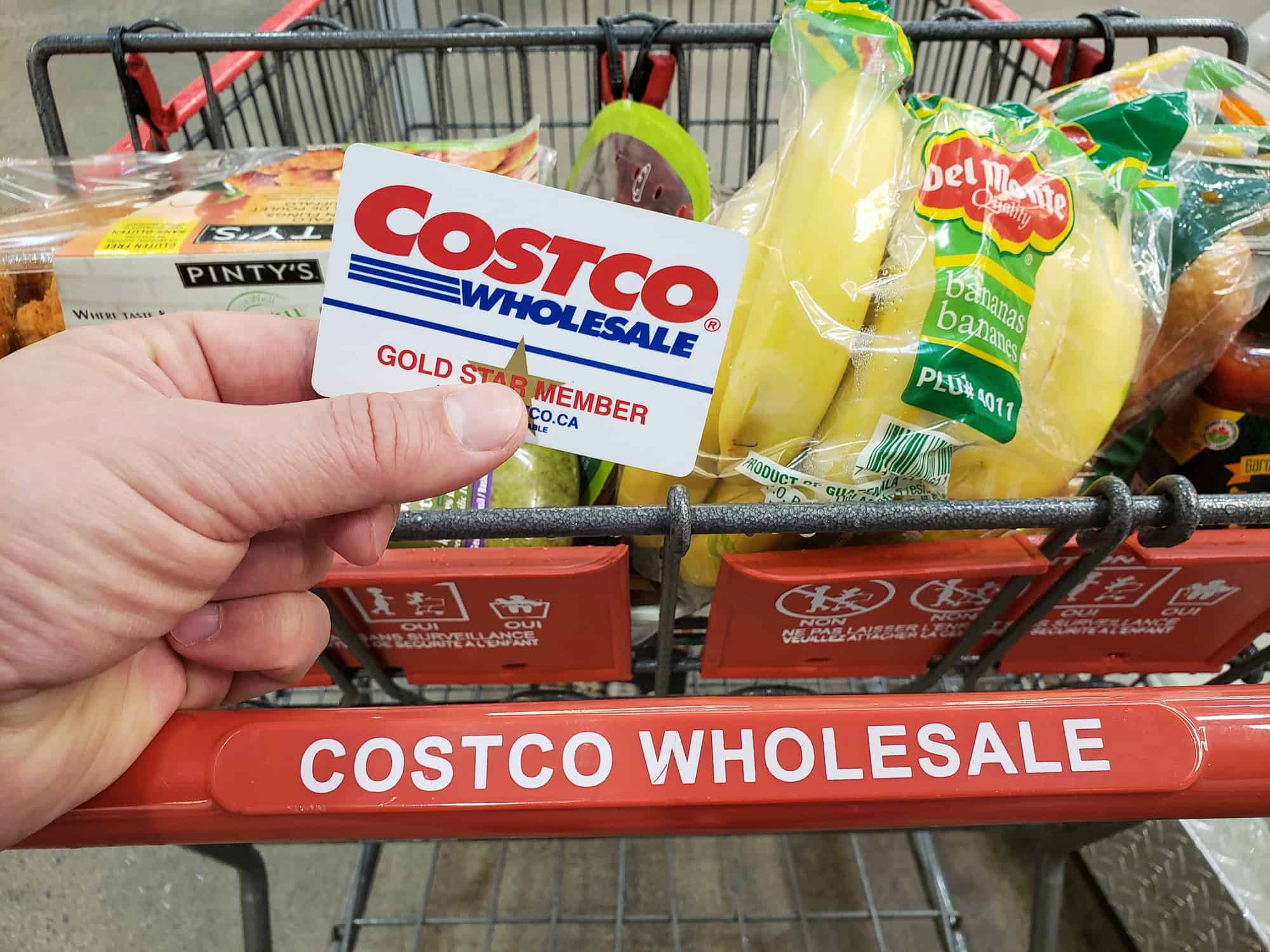
Lastly, those loyalty cards and rewards programs are meant to reward you for shopping because they tell you if you spend more, you’ll save more. And you can’t deny that it feels good to rack up points or get exclusive deals! This cycle makes us more likely to keep coming back — which, let’s be honest, is pretty clever.
Disclaimer: This list is solely the author’s opinion based on research and publicly available information.
Like our content? Be sure to follow us.
Read More: