

Throughout the years, several inventions have made our lives easier yet they’ve also thrown our privacy out the window. On the one hand, we have all these cool gadgets & platforms that let us order pizza with a voice command and find obscure books. On the other hand, it feels like someone’s always listening! Here are 12 of these revolutionary inventions and how they’ve changed our sense of privacy. It usually happens without us even realizing it.
Featured Image Credit: shefkate /Depositphotos.com.
Social Media Platforms
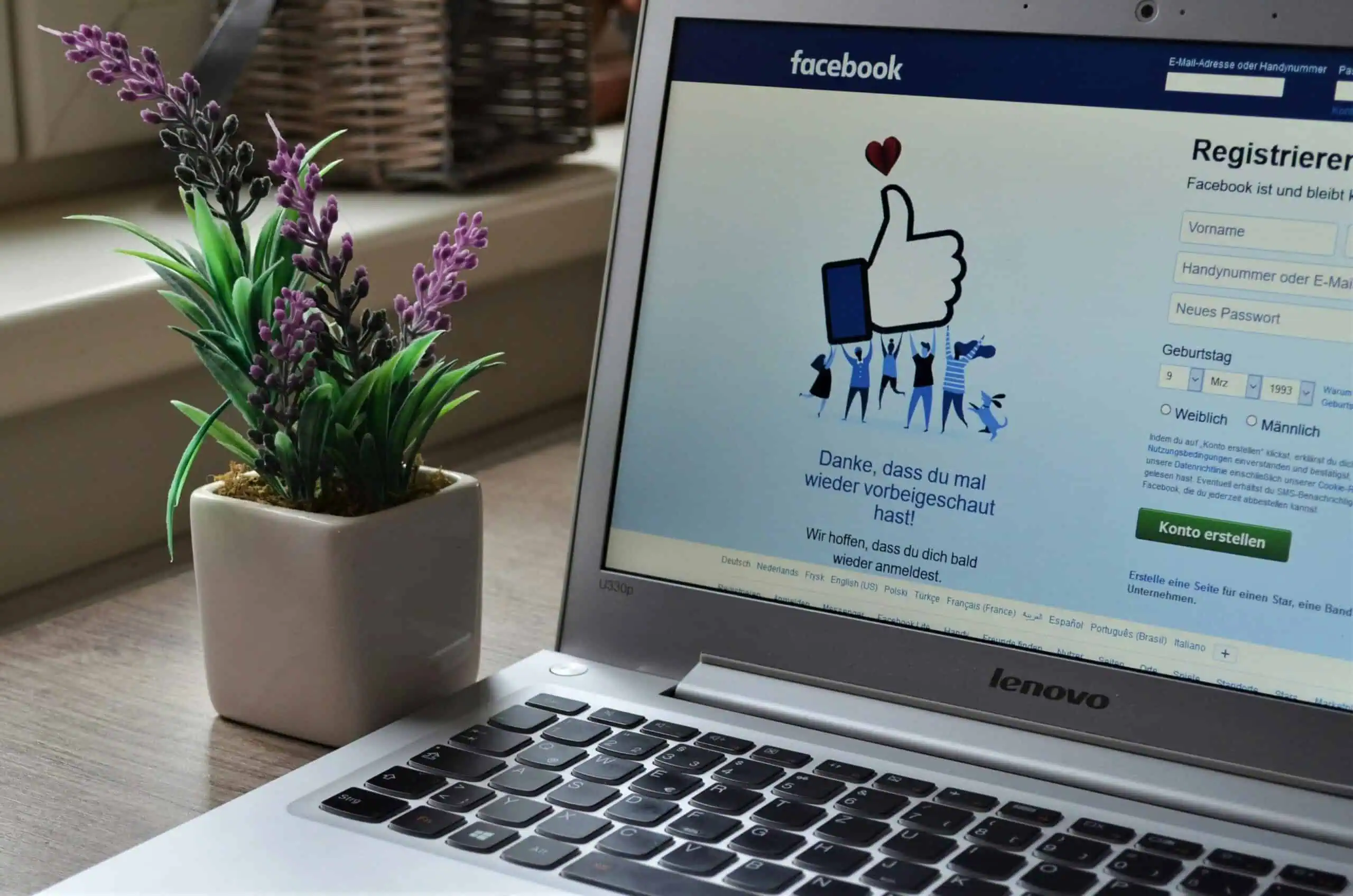
Connecting with friends across the globe in seconds used to be the stuff of sci-fi until social media. It’s fun, it’s everywhere—but everything you share on there is data someone can use. For example, we’ve all noticed ads that seem to read your mind. Those come from social media sharing your personal info with advertisers. Ouch!
Big Data Analytics

Likewise, big data sounds rather techy but it’s also why you get those eerily specific ads & recommendations online. Companies analyze heaps of data to predict what you might buy next. This includes your data! They’re tracking us every second of every day to bombard us with things that they think we might need.
Like our content? Be sure to follow us.
Smartphones

Our smartphones never leave our side, even though they keep tabs on us. They know where we are & what we’re Googling at 2 AM—they even track how many steps we took today! While it might be convenient, we never really stop to think about how invasive they are. Essentially, you have a personal detective in your pocket who’s sharing notes with the world. Is that really what you want?
GPS Technology
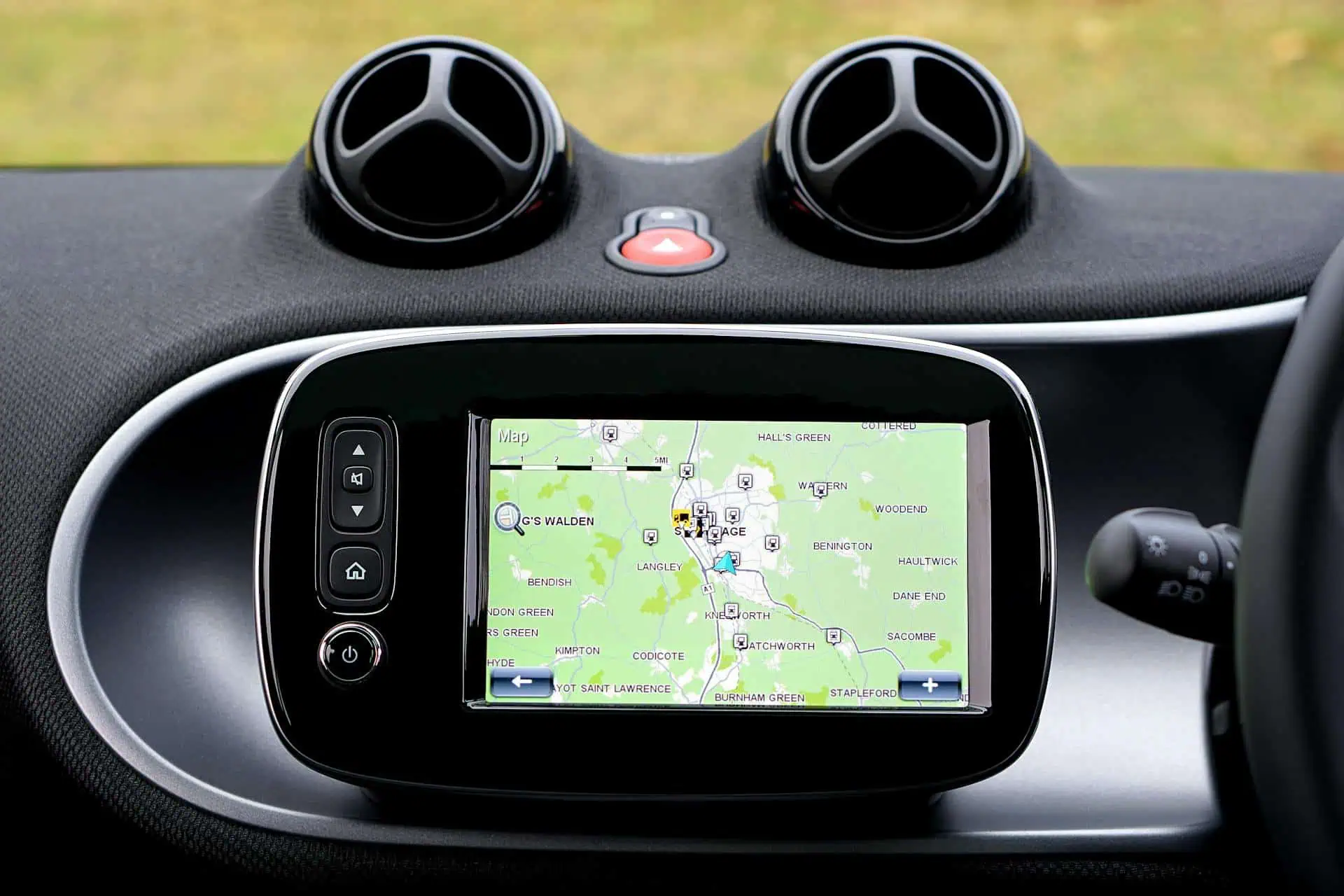
Thanks to GPS, getting lost is a thing of the past yet this technology also means people can keep a rather accurate log of where you’ve been. For example, when your phone suggests a coffee shop nearby, it’s because GPS tracks your every move. It’s making educated guesses about where you might want to go next.
RFID Chips
You’ll find RFID chips in credit cards, passports—and even some clothes. They make checkouts easier and tracking packages far less annoying but the downside is that it’s easier for hackers to get your information without you pulling your card out. Essentially, RFID chips are a scammer’s greatest tool.
Cloud Computing

Cloud computing allows us to store everything from family photos to important documents online. No more panicking over a crashed hard drive—you can just log in and access your data! Yet the trade-off is that our digital lives are stored on servers that may be hacked, despite top-notch security. It puts our private moments & sensitive information at risk of being exposed and there’s not really any way to get around this.
Drones

Drones are great for breathtaking aerial shots & quick deliveries. However, they’ve quietly become part of our lives in rather uncomfortable ways—you could be sunbathing in your backyard only to see a drone buzzing overhead. These devices capture photos that were once off-limits without stepping foot on the property. Where do we draw the line?
Wearable Technology
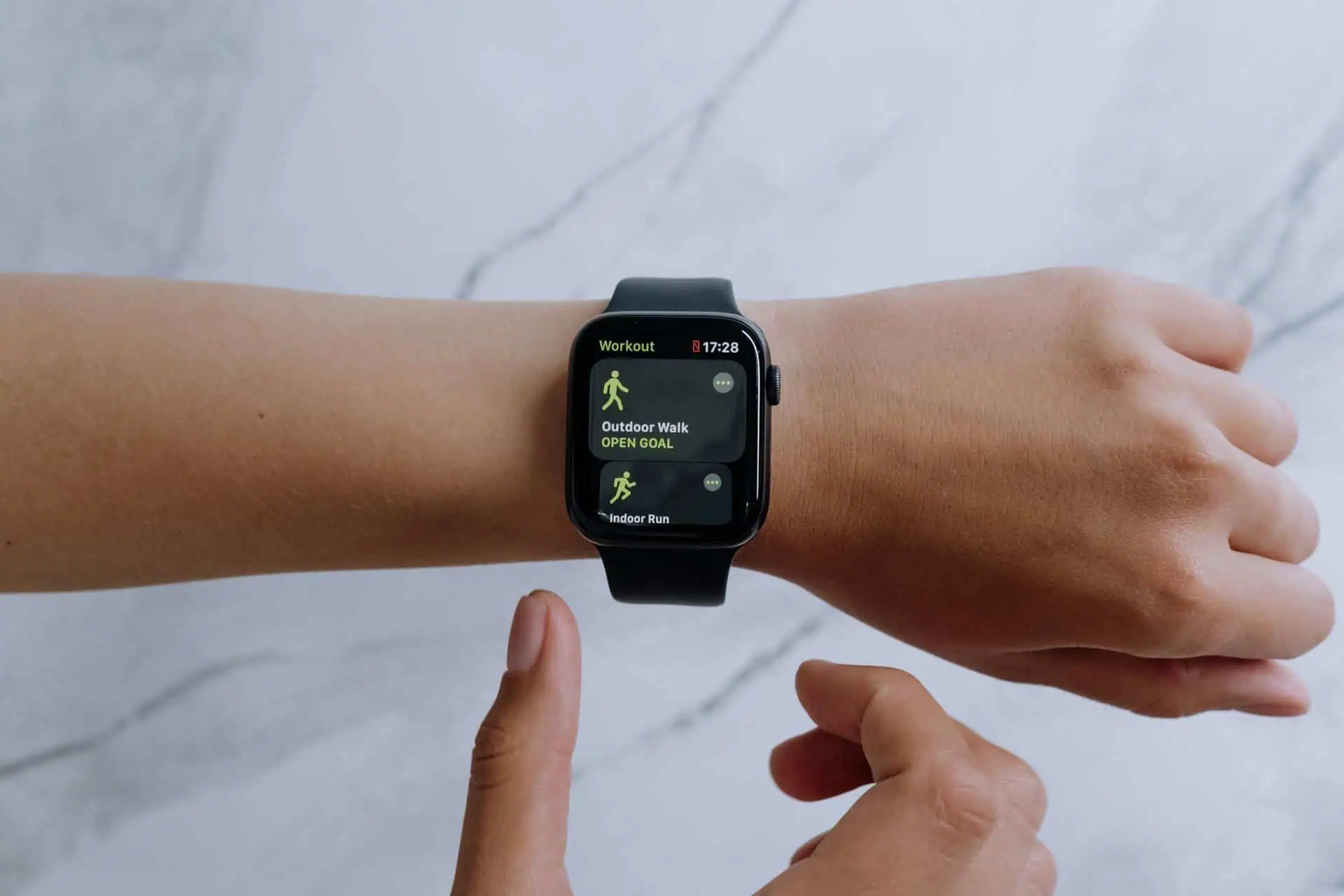
Our fitness trackers & smartwatches gather heaps of personal health data about us, including how much we sleep & our stress levels. Health researchers and marketers alike love our data! However, this raises questions about who else might get their hands on it because even though companies assure us that our data is safe, breaches have happened. Once your data is out there, you can’t exactly get it back.
Facial Recognition Technology

There’s no denying that unlocking your phone with just a look feels rather futuristic. Sadly, facial recognition technology has quickly moved beyond our devices to airports and even public streets. Such technology identifies individuals in a crowd in real-time. As such, this raises the stakes for our sense of privacy because our faces could end up in databases we’re unaware of.
Internet of Things (IoT) Devices
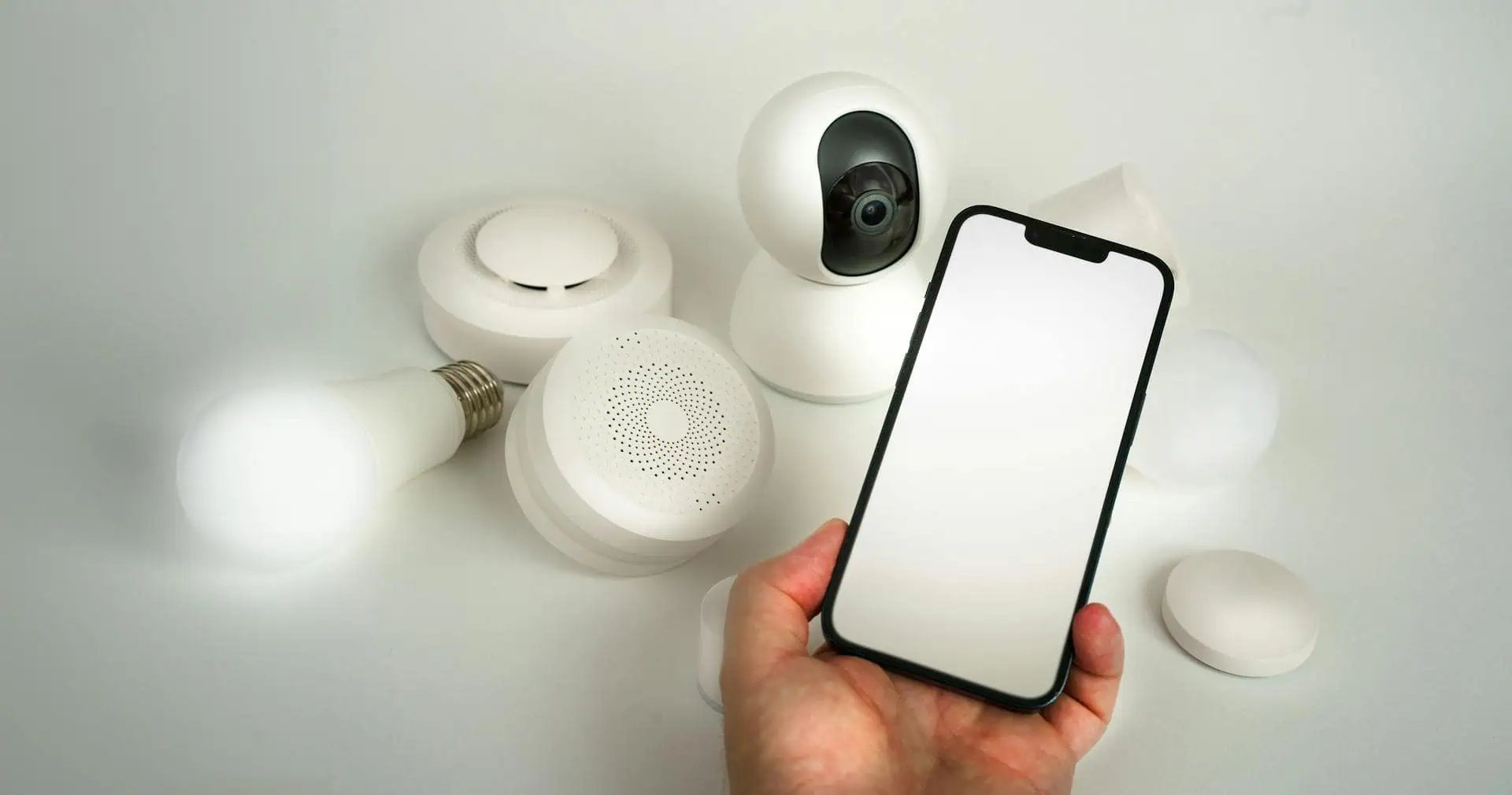
The IoT has turned our homes into smart tech central, where devices talk to each other to make our lives easier. Your fridge can remind you to buy milk & your thermostat can learn your schedule to save on heating. Yet they’re also tracking our habits. Every time you ask your smart speaker to play your favorite song or your smart doorbell snaps a visitor, your devices are collecting your data.
E-Commerce Platforms

We all love being able to shop online because with just a few clicks, anything from groceries to gadgets is on its way to your door. Unfortunately, companies are tracking every click & search. They use this data to personalize your shopping experiences by recommending stuff that they know you’ll enjoy. How unfair is that?!
Public Wi-Fi Networks

Finding free Wi-Fi feels great, especially when you’re out & about. But this convenience comes with a hidden cost—your privacy. Public networks are usually unsecured so they’re rather useful for hackers who want to intercept your data. It doesn’t matter if you’re sending personal emails or credit card details. Anything you send over these networks is up for grabs!
Disclaimer: This list is solely the author’s opinion based on research and publicly available information.
Like our content? Be sure to follow us.
Read More: