

Some everyday habits are so automatic that it never occurs to us that there might be a better, easier, or even safer way to do them.
Give your enamel a break
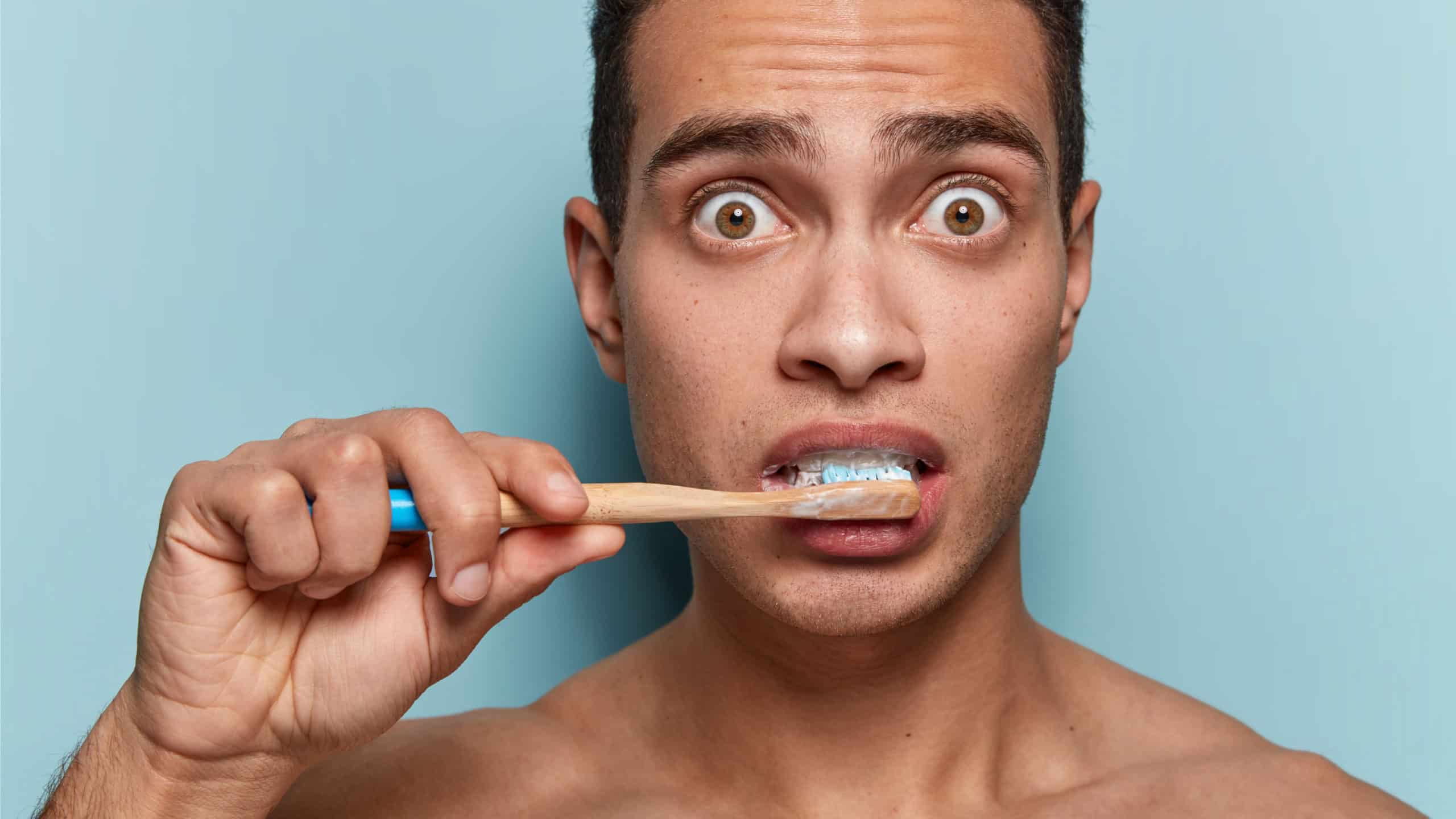
Brushing harder won’t clean your teeth better. In fact, if you’ve eaten or drunk acidic things like citrus fruits, soda, or coffee, brushing harder can actually wear down your enamel. This is because the acids leave your teeth more sensitive temporarily.
It’s better to swish around some water in your mouth and wait to brush your teeth. Wait at least 30 minutes or more after eating acidic foods or beverages. When you brush, use gentle motions with a soft-bristled toothbrush instead of hard back-and-forth motions.
Your scalp isn’t on a schedule
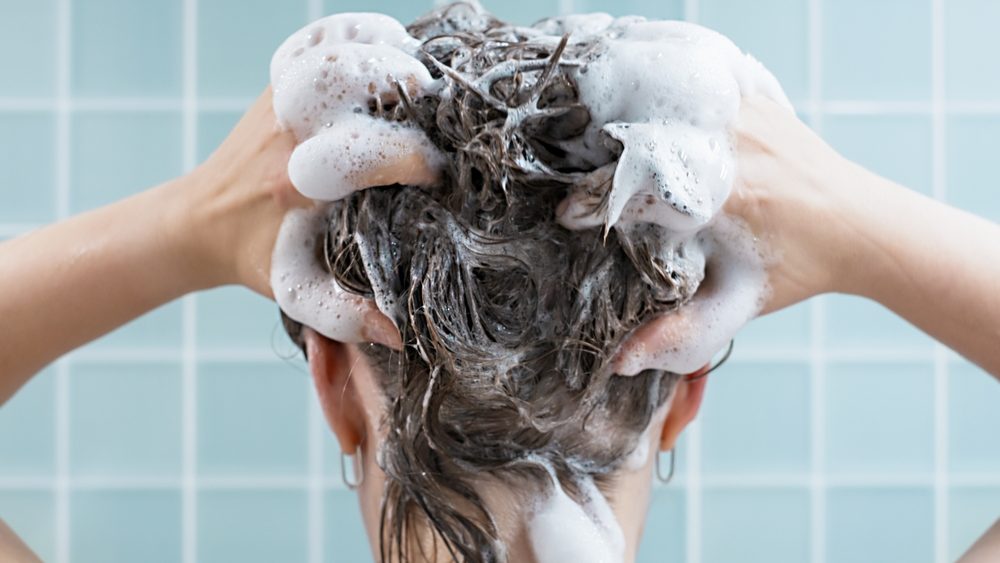
Washing too frequently can cause some people’s hair to feel dry or become irritated, especially if the hair is curly/coarse, chemically straightened, or naturally dry. On the other hand, it’s not been proven that daily shampooing necessarily causes the scalp to make excess oil.
Washing two or three times per week is not a hard-and-fast rule for everyone. The frequency of washing will vary based on how oily your scalp is, your hair texture, activity level, use of styling products, and your individual needs.
The dishwasher debate
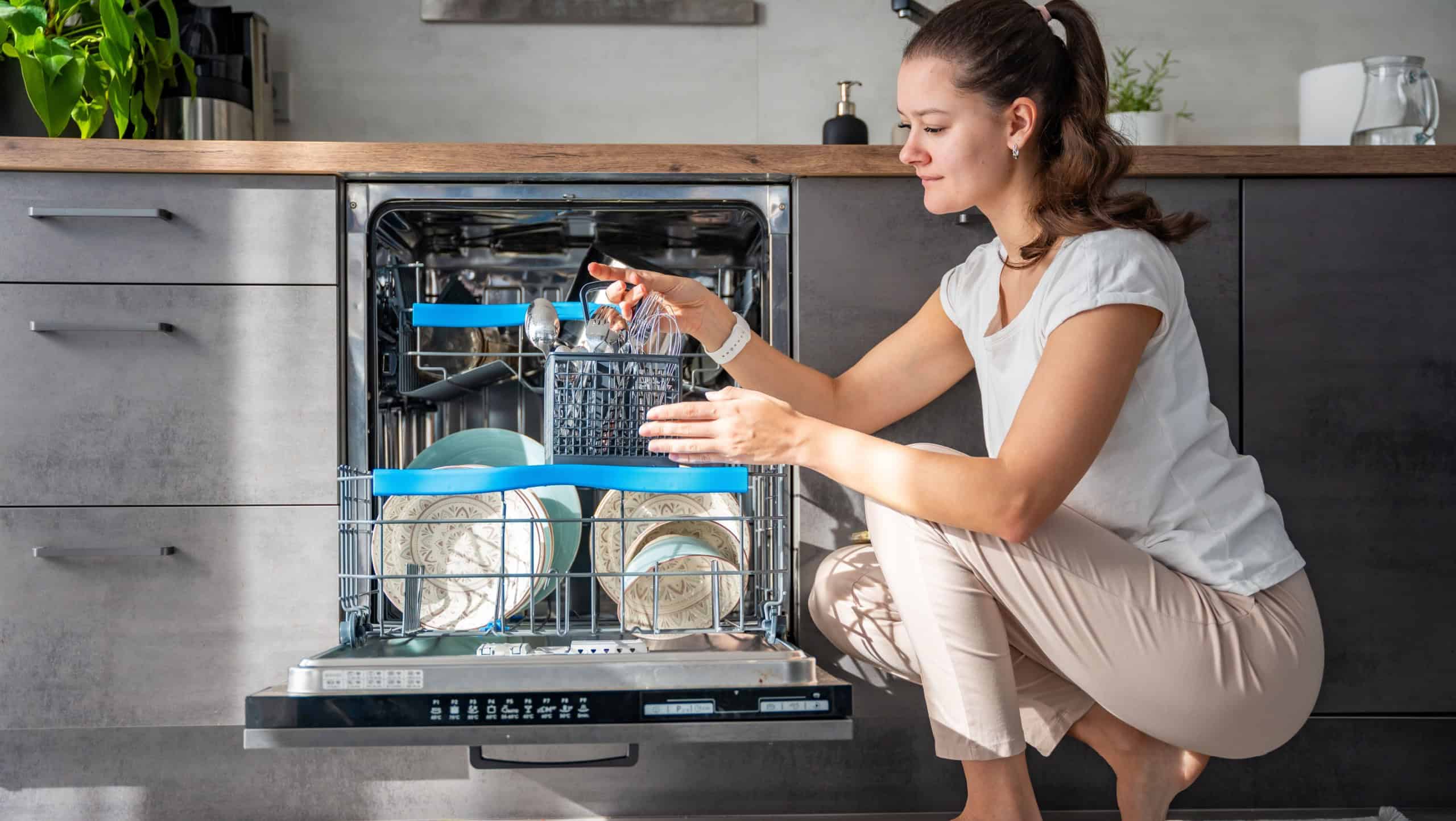
Lots of people run the dishes under water until they are mostly clean before loading the dishwasher. You are essentially rinsing your dishes by hand, which defeats the purpose of using the dishwasher. Most modern dishwashers only require you to scrape off the large food particles.
Pre-rinsing wastes water and electricity, and dishwasher detergent is made to break down food particles. Unless something is burned on or dried on super hard, scraping (instead of washing first) should do the trick.
Detergent amounts
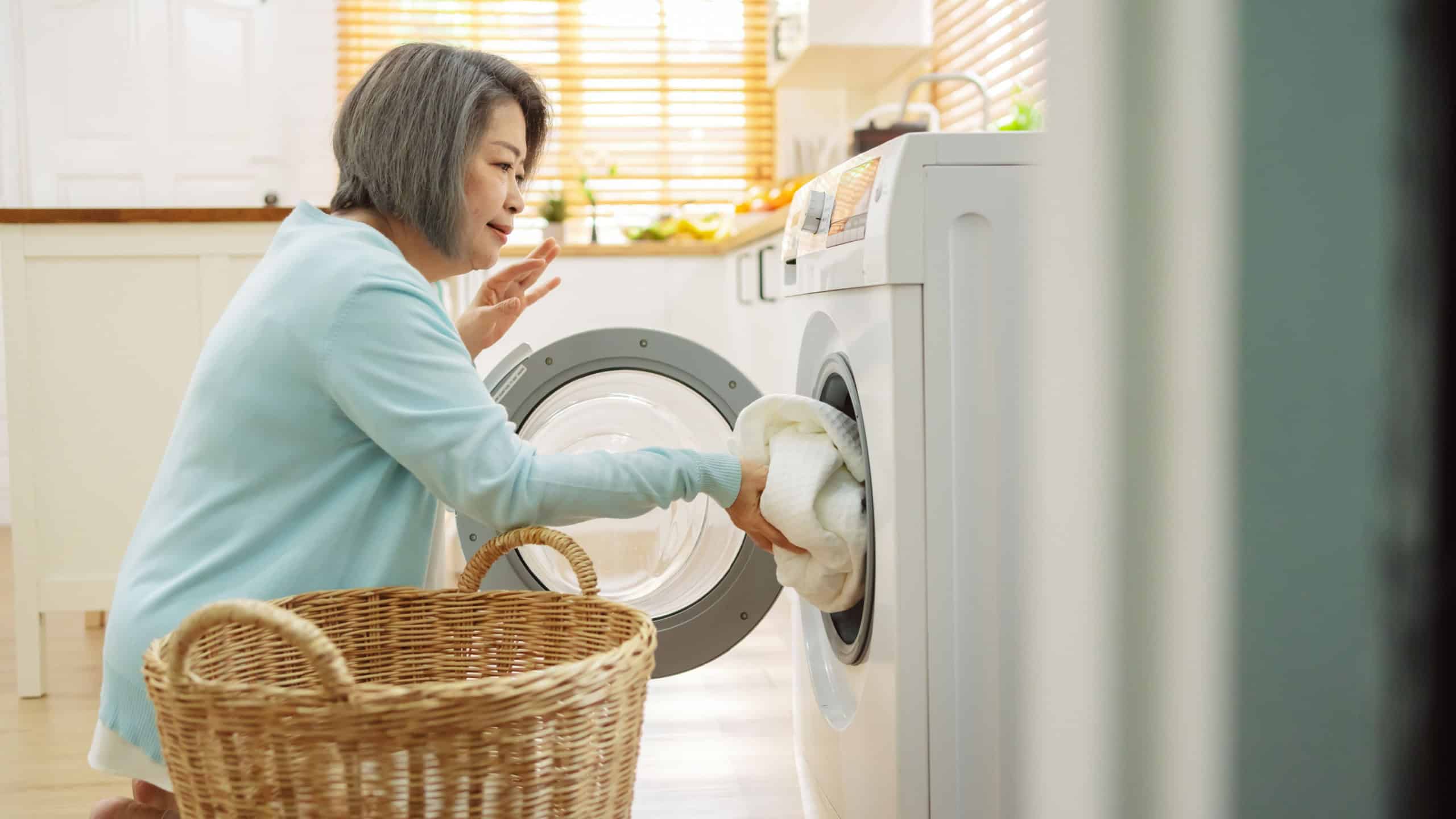
When your clothes are extra dirty, you might feel like adding more laundry detergent to the wash. However, more soap won’t get your clothes any cleaner. In fact, using too much detergent can lead to too many suds and residue on your clothes. There can even be buildup in your washing machine. Instead of adding another load of soap, follow the recommendations for both detergent and washing-machine use.
Rinsing mouth
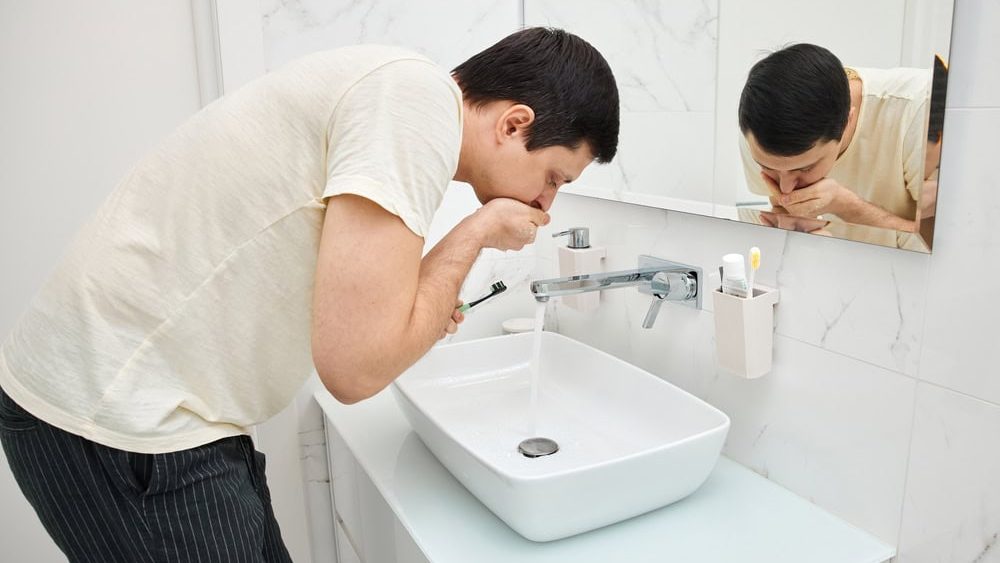
Most people brush their teeth thoroughly and then rinse their mouth out with water. This can wash away the concentrated fluoride residue that your toothpaste leaves behind. Most dental experts advise you to spit out excess toothpaste, but avoid rinsing with water right afterwards. You allow more fluoride to stay on your teeth by doing this. Mouthwash shouldn’t be used immediately after brushing for the same reason.
Fridge zones
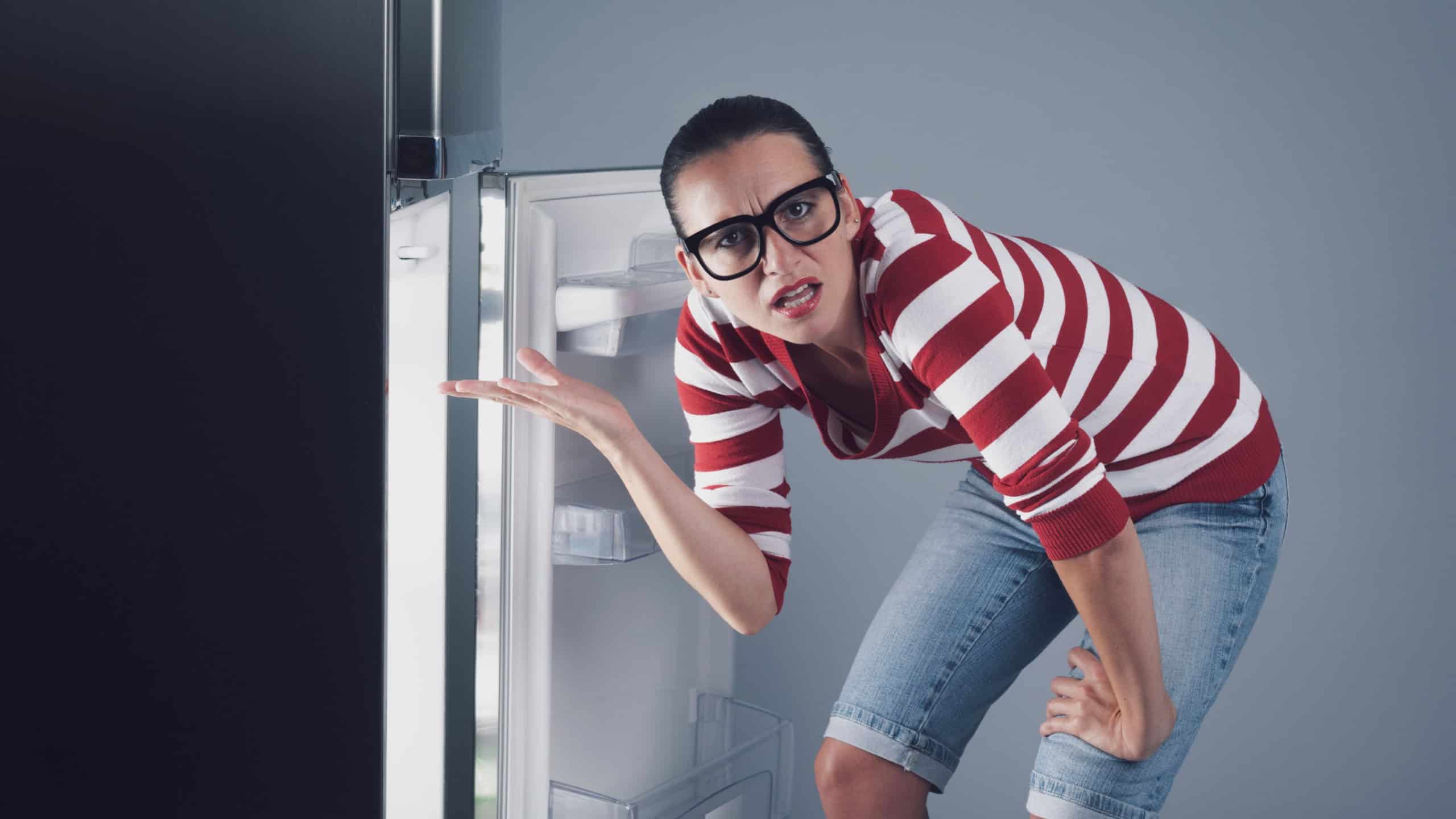
Many times we store groceries just wherever there is space. However, all areas of the refrigerator do not cool to the same degree. Since the door is opened many times during the day, items inside will not stay at a constant temperature. Therefore, the door is not ideal for storing extremely perishable foods like milk, even though most refrigerators are designed to hold bottles there.
Typically, shelves that are located towards the back stay more constant. Drawers within the fridge are meant to create an atmosphere most compatible with fruits and veggies.
The pasta spoon trick
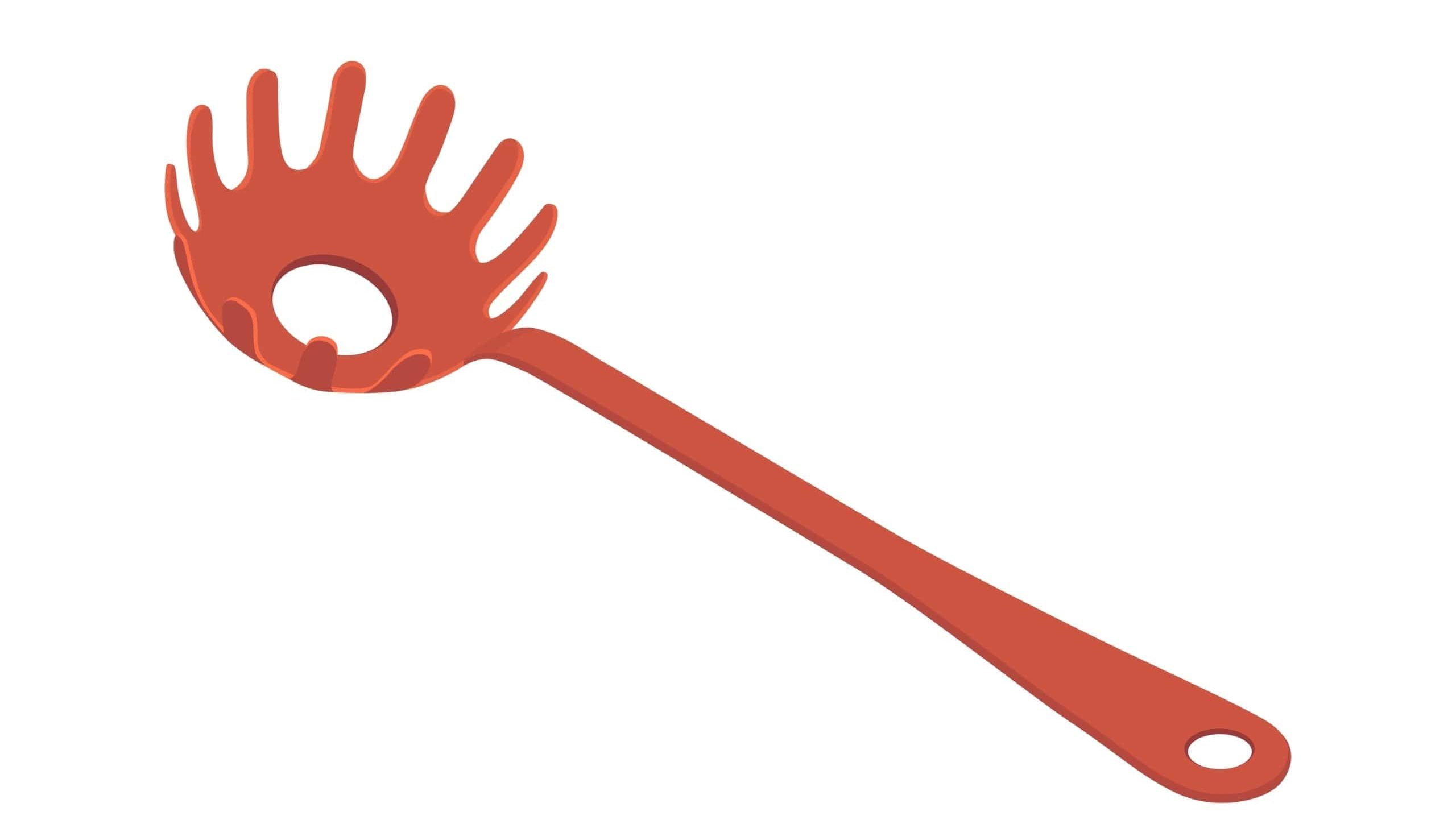
The hole in the middle of some long-handled pasta spoons is not just for looks. On some styles, it can double as a crude measurement device for a single serving of uncooked spaghetti noodles. Stick dry spaghetti through the hole, and you have roughly a single serving that doesn’t require a kitchen scale to measure. Pasta spoon hole sizes aren’t universal through all manufacturers, though, so don’t expect every spoon to measure the same amount.
Room in washing machine

While you may think you are getting the most out of your washing machine by filling it up, clothes need room to tumble around. The more packed the drum is inside, the more difficult it is for soap and water to reach every area of the clothing. You want your clothes to come out as clean as possible, so instead of washing an excessive amount at once, put an extra load on. It also causes more strain on your machine.
The knife shortcut
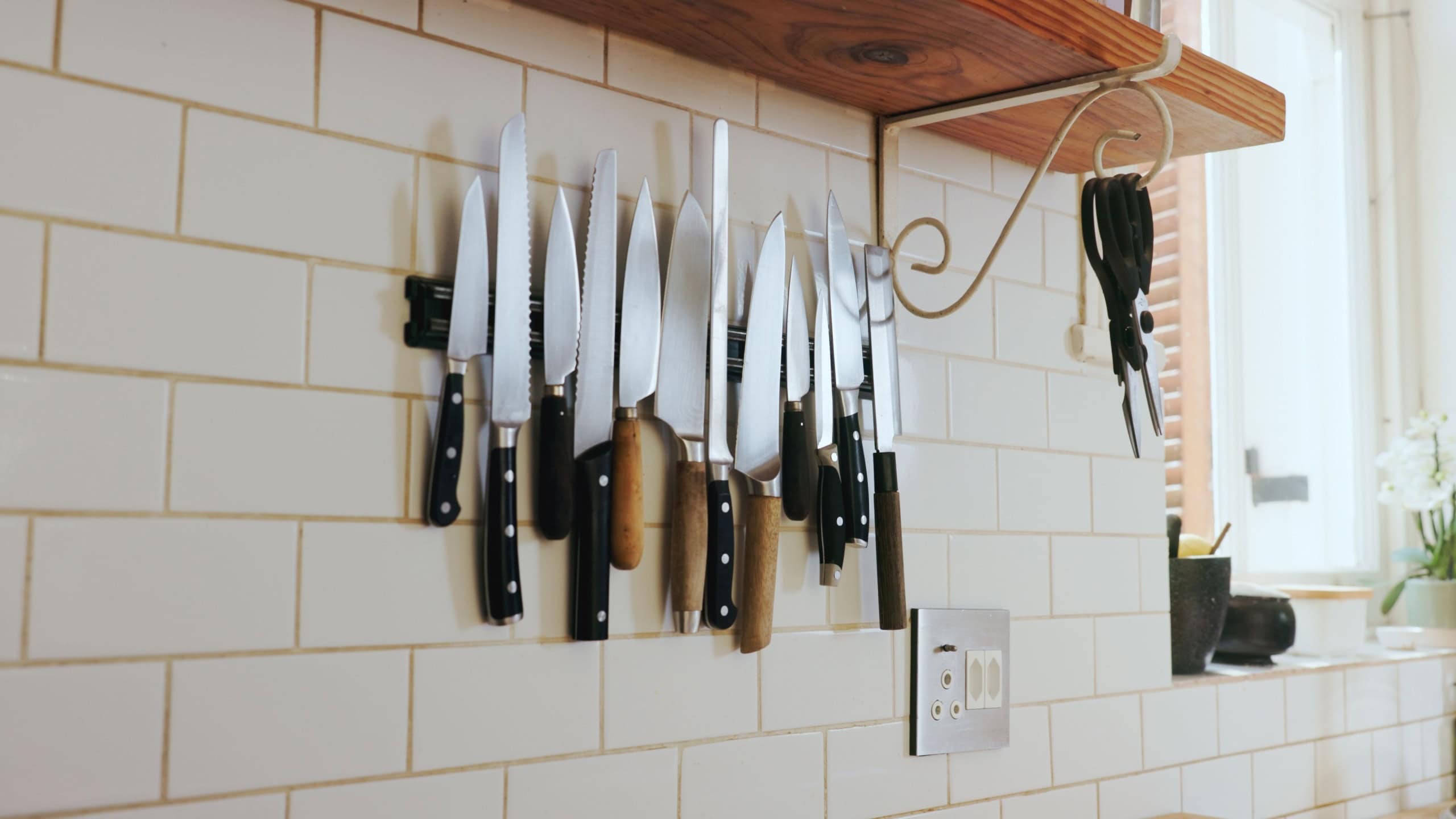
To most people, a dull knife feels safer than a sharp knife. Not surprising then that some people gladly continue to use knives long past the point where they should be sharpened. The problem is dull knives actually require more downward pressure to cut. As a result, they are more prone to unpredictably slip. A well-sharpened knife is much easier to control and requires less force.
The fuel arrow
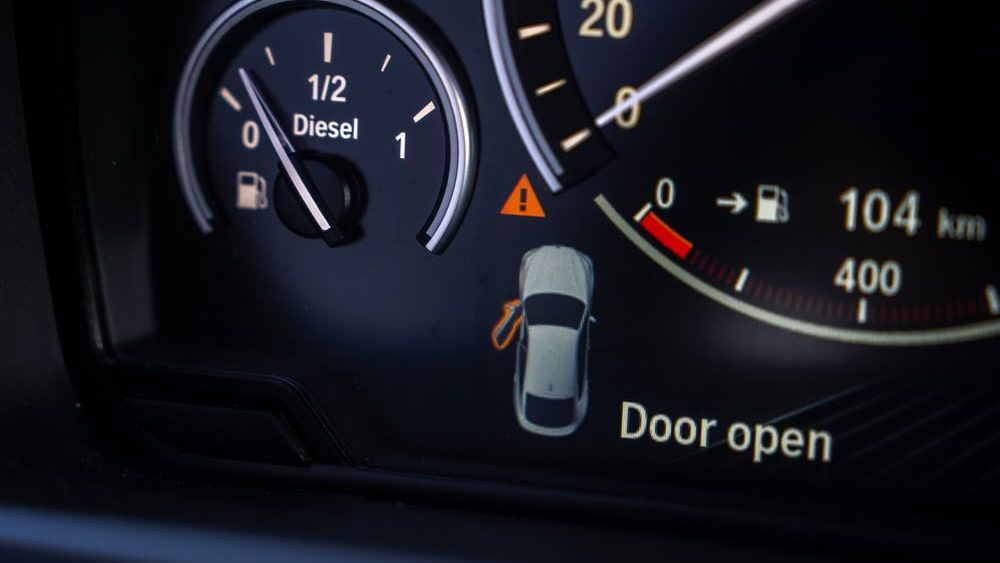
That little arrow next to the fuel-pump icon on many car dashboards these days serves a purpose. It points to which side of the car the fuel filler is located. Many drivers still stick their heads out the windows, though, or peek in their mirrors to double-check or simply remember before going to an unfamiliar gas station.
Knowing what that little triangle means will make renting or borrowing that unfamiliar car much easier.
Blender order
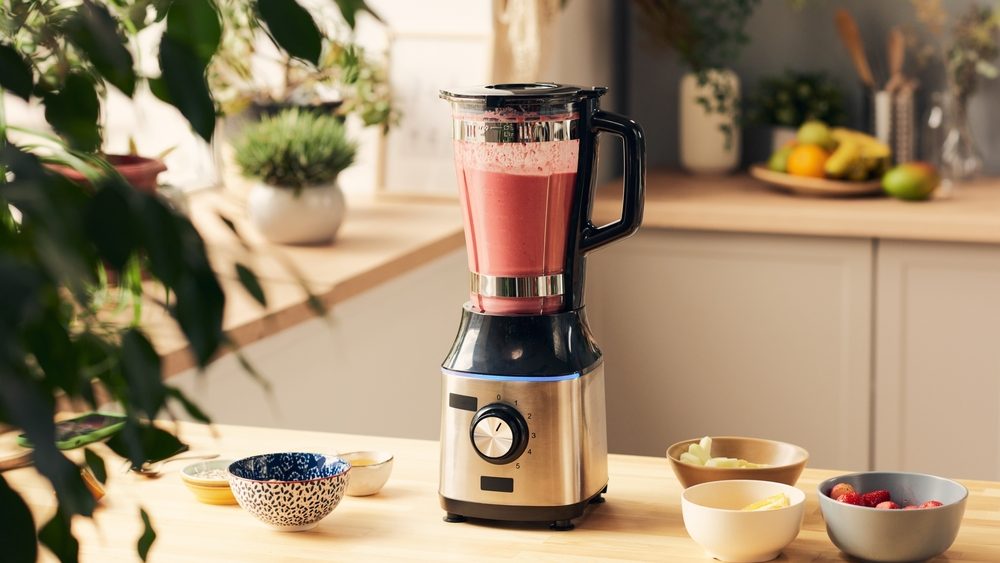
Adding ingredients haphazardly to a blender can cause unnecessary stress to the machine. While the directions will differ slightly between brands of countertop blenders, liquids generally should be poured in first, followed by soft foods, and then harder/frozen ingredients.
Adding enough liquid first will allow sufficient circulation to pull ingredients down towards the blades. The finished blend can be smoother with less stopping, scraping, and shaking.
A better squeeze
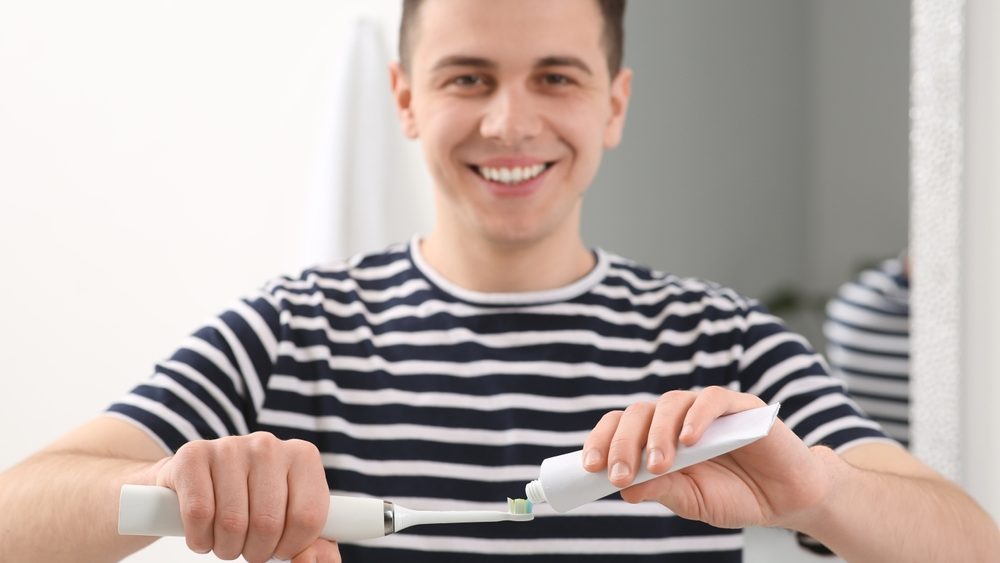
Most people squeeze toothpaste in the middle of the tube. This results in dents, pockets that get trapped, and more frustration when you reach the end. If you start at the closed bottom and work your way up toward the lid, everything gets pushed in the same direction.
It’s not life-changing, but you won’t struggle with an almost-empty tube, and you’ll be able to see how much toothpaste you have left.
The microwave problem

When heating leftovers in the microwave, putting the entire portion in a large heap will usually result in burnt spots and a mystifyingly cold middle. Whenever possible, spread your food out into a thinner, evenly distributed layer. You can also put foods that lend themselves to the shape into a ring, leaving a hole in the center.
Stirring halfway through can help too. Remember that food tends to have hot spots and cold spots from microwave heating, so let your food stand for a minute or two before eating.
Making the bed too quickly

Hurriedly dragging the sheets tight across the mattress first thing in the morning may keep your room neat and tidy, but allowing your bedding to breathe for a few minutes allows any moisture from night sweats to evaporate. There’s no reason to skip making your bed completely. Just let the covers up while you take a shower, eat breakfast, or dress. It allows your sleeping area to air out before you smooth everything back down.
The loading mistake

If you pack your suitcase by putting one item on top of another, your suitcase will likely end up a heap with lots of wasted space. Rolling some knit clothing or using small folds can make some things more manageable and able to fit into small spaces.
But rolling won’t instantly decrease the volume of all your belongings. Shoes and other stiff objects can store socks or miscellaneous items as well. The key is filling spaces that would otherwise be empty rather than stacking garments from bottom to top.

