

We don’t notice our bones much. That is, until something goes wrong. But once you’re past 50, bone loss is less of a maybe and more something that’s happening in the background. And that’s where strength training comes in.
How? Why? That’s what we’re going to find out, thanks to research by the American Society for Bone and Mineral Research. Just remember, this isn’t our opinion as it’s based upon actual research, nor is this health advice.
Featured Image Credit: Shutterstock.
Key takeaways
You’ll learn about:
- What strength training actually is
- The science of how bones react to lifting
- What clinical trials actually found
- What sort of weights are recommended
What “strength training” means

Strength training doesn’t necessarily mean endless biceps curls in front of a mirror. For bone health, it involves using real resistance, like free weights & machines, bands, or just your bodyweight. You need to have enough challenge to actually make a difference with your bones.
Most experts in the American College of Sports Medicine agree that you should work around 60–80% of a single repetition max, which is the heaviest weight you could lift once. That’s roughly 1–3 sets of 8–12 reps, 2–3 sessions a week. Not too difficult, really.
Why bone responds to lifting
Bones are living tissue that reacts to stress. When you lift something heavy, the force bends bone ever so slightly & creates fluid movement inside tiny channels. This movement wakes up bone cells called osteocytes, which send signals to remodel & rebuild.
However, this isn’t instant. According to The Mechanosensory Role of Osteocytes and Implications for Bone Health and Disease States, one remodeling cycle takes about 3–4 months & that’s why most programs in studies run at least 6 months before scans show change.
What the trials show after 50
The way your body responds to bone health changes once you turn 50.
In the American Society for Bone and Mineral Research’s LIFTMOR trial, postmenopausal women trained twice a week by doing a few big lifts at >85% of their max plus some impact jumps. After 8 months, they actually gained bone at the spine by around +2.9%, while the control group lost some at around –1.2%. Their hip bone held steady as well. That’s rather important because your hips are where fractures hit hardest.
The LIFTMOR-M trial by the same group applied the same idea to men. After 8 months, they had stronger hip structure & thickness in the femoral neck. It’s not bad for a couple of hours a week.
Researchers also tried pooling multiple resistance-only programs in women as part of a 2020 systematic review titled Effects of dynamic resistance exercise on bone mineral density in postmenopausal women. What they found was that their spines, hips & femoral necks all showed significant gains.
Interestingly, free-weight training often came out ahead of machine-only routines for hip bone density.
Why the hip and spine matter most after 50

Once you cross into your 50s, fractures don’t happen evenly across your skeleton, as your vertebrae & hips are the weak spots that cause the most problems. Your bones only respond where they’re loaded. As such, exercises that stack weight through the spine and hit your hips directly, such as squats & deadlifts, are best for your bones.
How much, how heavy, how often
Generally, the research shows a few things:
- Intensity: You should start moderate (60–80% of one repetition max), while more experienced lifters may try heavier phases.
- Volume: Stick with 1–3 sets of 8–12 reps
- Frequency: Two or three times a week, but not back-to-back
- Progression: As soon as you can do extra reps with good form, you should add more weight.
The important thing to remember is that your bones are picky. That means that only training your arms won’t change your hips, and since remodeling is slow, most studies say don’t expect much before the 6-month mark. Stick with it.
Long-term studies in older adults show steady yearly bone loss at the hip at about 0.8% per year in men & 0.96% per year in women past 60. Sure, that doesn’t sound like much. But then add it up across a decade…and yeah. That’s exactly why hip-targeted strength work matters. Consistency is rather important.
Practical examples that match research setups
Most of the tested programs kept things simple. Think:
- Squats, deadlifts, or step-ups for the hips & spine
- Overhead presses & rows for the upper body
- Optional power work, like quick lifts with lighter weights
- Free weights are better than machines for hip density changes.
- High-intensity lifting (lifting exercises you do with weights or resistance bands & only allow partial muscle recovery) gives real results without high injury rates.
- Combining resistance & impact (like lifting & jumps) is especially effective in some trials.
You don’t need to do anything fancy. Just do big, compound moves that are loaded enough to matter. That’s the best way to protect your bone health without compromising too much. Just make sure you consult a doctor & trainer before you start any new exercises. This way, you can make sure you’re doing what’s right for your body.
General consensus
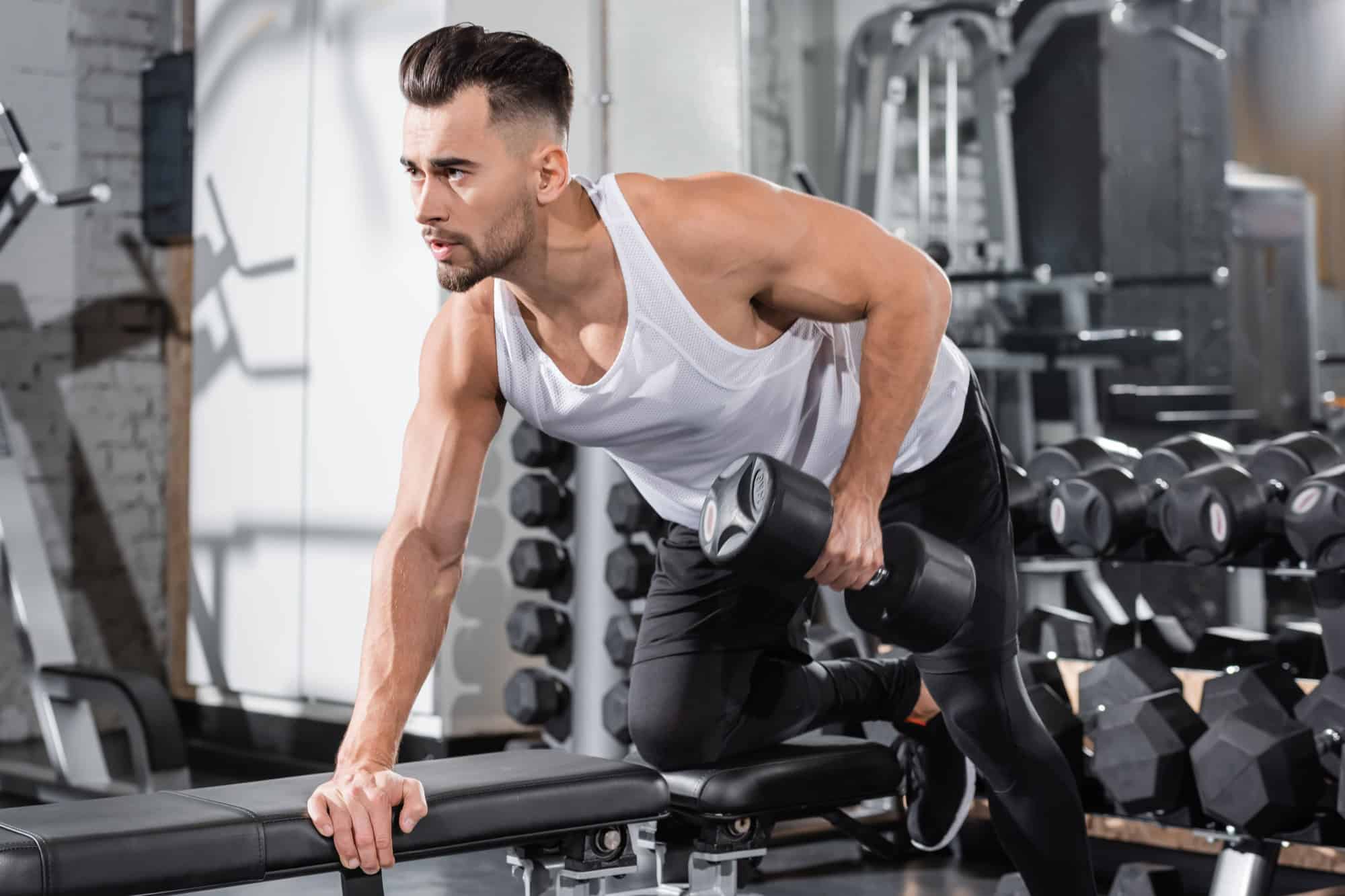
After 50, bone loss is steady & predictable. But strength training, as long as you do it a couple times a week with challenging weights, could slow that slide & even build bone at the spine & hip. Programs that use progressive loading & multi-joint lifts are best. You should also make sure you do them with a long enough timeline to truly get results.
Sources: Please see here for a complete listing of all sources that were consulted in the preparation of this article.
Like our content? Be sure to follow us.
