

When you think about rural America, you probably imagine those beautiful, peaceful scenes we see in movies—the ones where everyone knows your name and life seems a lot easier. Unfortunately, living out there isn’t exactly the picnic movies make it out to be. The beauty of the scenery and the sense of community doesn’t take away from the challenges of living there. Here are twelve facts about what it’s actually like to live in rural America beyond what the movies show.
Featured Image Credit: Kostia777 /Depositphotos.com.
Economic Challenges

Those beautiful main streets in the movies aren’t the full story. In reality, many rural areas are struggling economically. Jobs can be hard to come by and some towns depend on industries that have gone through hard times. It affects everyone. This is a far cry from the prosperous communities we see on screen.
Transportation Challenges

In rural America, you can forget about hopping on the subway or catching a bus—if you don’t have a car, you’re stuck. Getting around is a big challenge and especially for people who can’t afford their own wheels. You have no option but to save up or carshare. It’s a side of country life movies don’t show us.
Like our content? Be sure to follow us.
Social Isolation

Movies love to show the rural communities where everyone’s like family. But if you’re new or don’t have family around, it can feel quite lonely since there are fewer people & places to hang out. Making friends and socializing isn’t always easy. Sure, it’s a quieter life—but it can also be isolating.
The Struggle for Modern Amenities

The little things, like going to the store or getting a package delivered, are a lot harder in rural areas. You might have to drive miles to the nearest supermarket—and you can forget about same-day delivery. Such a slower pace of life can be a huge shock if you’re used to instant everything.
Aging Infrastructure

Many rural areas struggle with aging infrastructure—think roads & bridges that have seen better days. Even some of the public buildings are an eyesore! These make travel and access to services far more difficult than they need to be. Any upgrades can be slow & costly, which means residents are simply left to deal with these inconveniences.
Limited Public Services

Speaking of service, in some rural communities, services like trash pickup or emergency services are spread thin. As such, you’ll have to deal with longer wait times in emergencies or you’ll have to manage things you might take for granted in the city. Burning your own trash? That’s the norm because there’s no weekly pickup.
Environmental Stewardship Challenges

Living in rural areas brings you closer to nature and that sounds great. Unfortunately, you also need to deal with the challenges of soil erosion & water scarcity. You might even need to manage the land responsibly to prevent deforestation. It’s quite a big responsibility and one that requires a lot of knowledge to handle correctly.
The School Bus Ride

For kids in rural areas, getting to and from school involves a long ride on the school bus—sometimes over an hour each way. Such a long commute eats into homework time and extracurricular activities, or even just time to relax and be a kid! While it may seem insignificant, it has a huge effect on daily life.
Access to Fresh Groceries

In theory, living in the countryside gives you access to fresh, local produce—in reality, it’s quite different. Grocery stores are often few and far between. And the ones that are available don’t always have the best selection of fresh food, which makes sticking to a healthy diet more of a challenge.
Pest Control

Dealing with pests is completely different in rural areas. Yes, you have to deal with the occasional cockroach or mouse—but you also have bigger & more persistent threats. For example, raccoons getting into your trash or deer eating your garden crops. You’ll need to be constantly vigilant and come up with some creative solutions to keep them at bay.
Energy Access and Costs
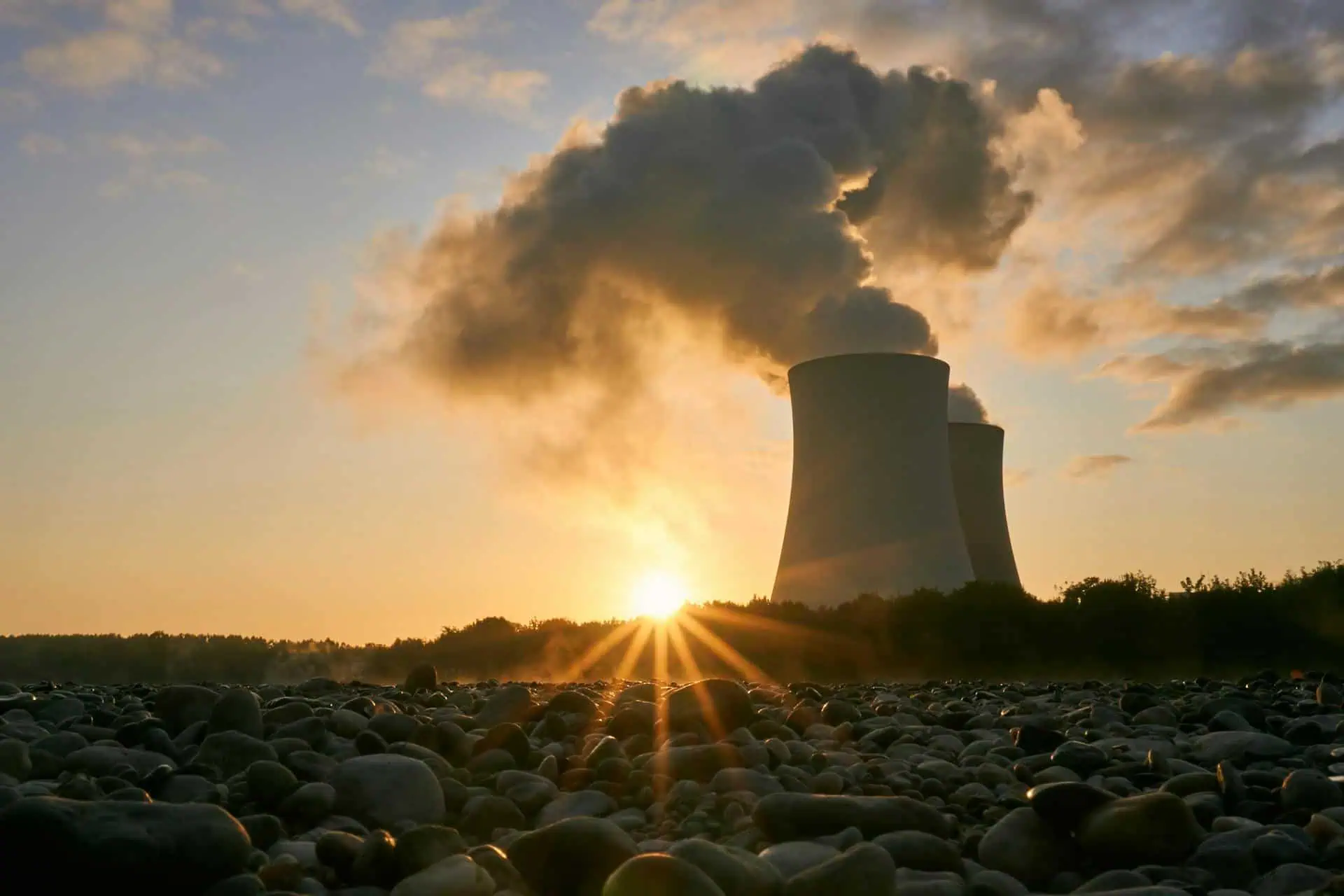
Being connected to the grid is often more expensive in rural areas—or in extreme cases, not an option. Instead, you’ll need to rely on alternative sources of energy, like propane, solar or wind and these come with their own set of challenges. You’ll have to do a lot of planning and be prepared to invest to survive.
Seasonal Work Cycles

A lot of work in rural areas is seasonal, especially if it’s tied to farming or tourism. As such, there’ll be busy periods where it feels like you’re working non-stop—followed by times when there’s hardly any work at all. It’s a feast or famine situation that makes budgeting & finances more challenging than most people realize.
Disclaimer: This list is solely the author’s opinion based on research and publicly available information.
Like our content? Be sure to follow us.
Read More: