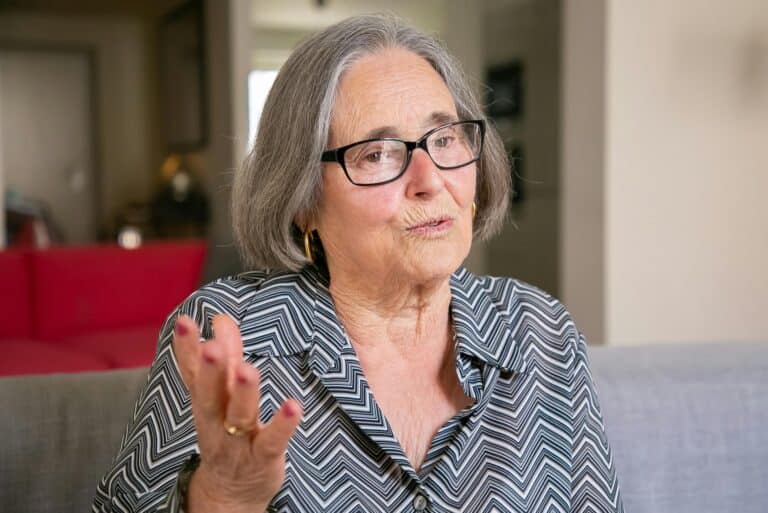

The Boomers knew a freedom of speech that many of us today would not be familiar with. It was much easier at that time to voice an opinion, argue with a colleague, make mistakes and not think about the repercussions.
Freedom from Social Media Scrutiny
When Boomers were kids, there was no social media where every opinion could be captured or broadcasted. They could speak freely, make jokes or argue points with no fear that their thoughts would ever be recorded. Conversations remained private, whether between friends or within intimate circles. Nowadays anything said can be posted on the internet, to be shared, disseminated or misinterpreted. This constant digital record encourages people to think twice before speaking and restricts their expressing themselves.
Fewer Restrictions on Public Speech

Boomers were in an era when there were less restrictions on what one could say in public or at work. There were limits, such as prohibitions on slander or threat, but generally anyone could voice unpopular things without being held to account. Most workplaces, schools and public spaces now have regulations for “acceptable” speech. Those rules can make you feel like you’re on a tightrope, afraid of saying something offensive or unpalatable.
More Room for Debate and Disagreement

Debate and disagreement were accepted as ‘natural’ in the Boomer world. People could disagree without being immediately attacked or called out. It can be tough to discuss some things these days because people are more sensitive to words that are offensive or abusive. Boomers could speak up on controversial issues and disagree. But now, with social pressure to avoid conflicts, people stay silent rather than risk criticism. Open debate is not common today as it once was.
Limited Government Control Over Speech

Back in the days of the Baby Boomers, the government had less power over what people said. Free speech was taken to be a given, and even controversial speech was usually tolerated. The world’s governments are now increasingly in the business of monitoring and controlling speech. Some places fine, punish or impose rules on those who speak against the flow. This means that today’s citizens are more conscious of what they say, since the repercussions might extend beyond societal scorn.
No “Permanent Record” of Past Opinions

One of Boomers’ greatest liberties was the right to say anything, without fearing it would be used against them decades later. They might adjust and evolve without the internet reminding them of their past mistakes or dissenting voices. Today, whatever you post online or publicly can become a “long-term record,” and this knowledge can inhibit freedom of expression. For Boomers, opinions were more flexible – personal growth wasn’t held back by a fear of past words being brought up again.


