Sometimes, products we consume on a daily basis appear harmless. They promise convenience, better results and a little bit of luxury. But if you look closely at the contents, it’s not always so pretty. Harmful chemicals, hidden toxins and environmental concerns can make these everyday objects something you would never use again. You don’t want to keep buying them after you see what’s inside. That’s why I don’t use some of these products anymore. There are safer, better options out there — and the switch has been worth it. So here’s what I learned.
Featured Image Credit: CreativeFamily /Depositphotos.com.
Scented Candles

They have a great smell, but the vast majority of scented candles are created using paraffin wax, which is petroleum by-product. When burned, they release toxins like benzene and toluene — which can damage your lungs. Many scented candles also contain synthetic perfumes that may cause allergies or headaches. There are safer alternatives – such as beeswax or essential oil candles made with soy wax – and still smell like the real thing, without the health risks.
Chemical Sunscreens

Chemical sunscreens can contain oxybenzone and octinoxate, chemicals that damage coral reefs and could interfere with human hormones. They get absorbed into your skin and can become irritating. Mineral sunscreens made with zinc oxide or titanium dioxide give better protection, without these dangers. They sit on top of your skin instead of getting absorbed.
Like our content? Be sure to follow us.
Store-Bought Salad Dressings
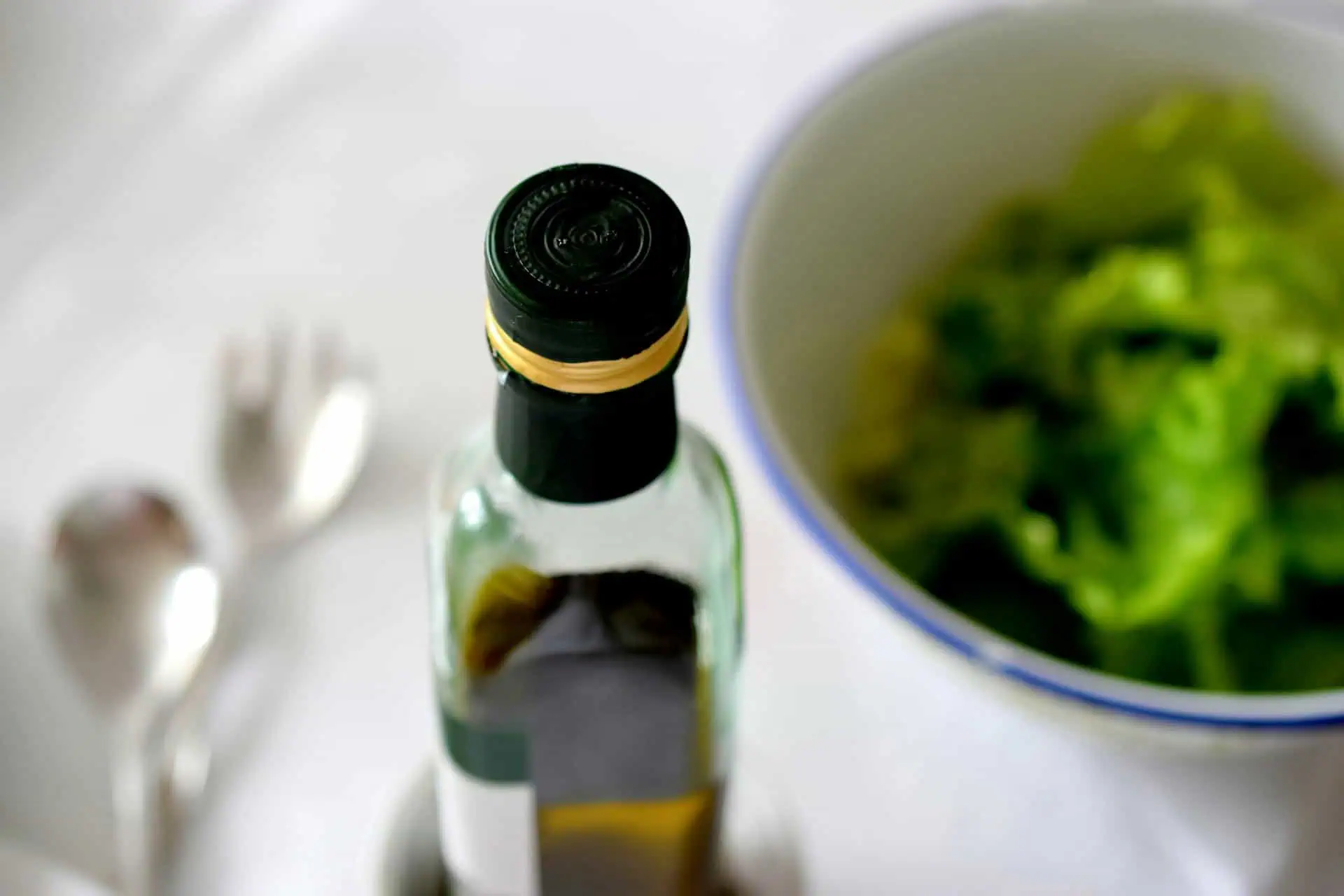
Salad dressings might look safe, but many of them are laden with harmful oils, added sugars and synthetic preservatives. Even the ones you think are “healthy” may have ingredients that you didn’t know were there. The dressing you make from olive oil, vinegar and a few spices takes just a few minutes and tastes better. And you know exactly what’s in your food.
Microwave Popcorn

Those buttery-smelling bags of microwave popcorn often have chemicals in them. The bags are lined with PFCs that can escape into the popcorn once heated. Some even have preservatives such as diacetyl, which can damage your lungs if you inhale them. You can air-pop your kernels or pop them over the stove in a little oil to make popcorn – that is safer & tastes better.
Bottled Water

Bottled water might sound like the healthy alternative, but it can have environmental and health risks. Most plastic bottles have BPA or other chemicals that leak into the water, particularly if the bottle has been left in the heat. And research indicates that bottled water is not necessarily better than tap water. Buying a good water filter and reusable bottle will help you save money and waste less.
Antibacterial Soaps

These soaps look like the ideal cleanser, but they’re typically loaded with triclosan, a chemical that will disrupt hormones and harm the environment. Using too many antibacterial products also can lead to antibiotic resistance. Regular soap and water are equally as potent against germs – without a bunch of unnecessary dangers.
Artificial Sweeteners
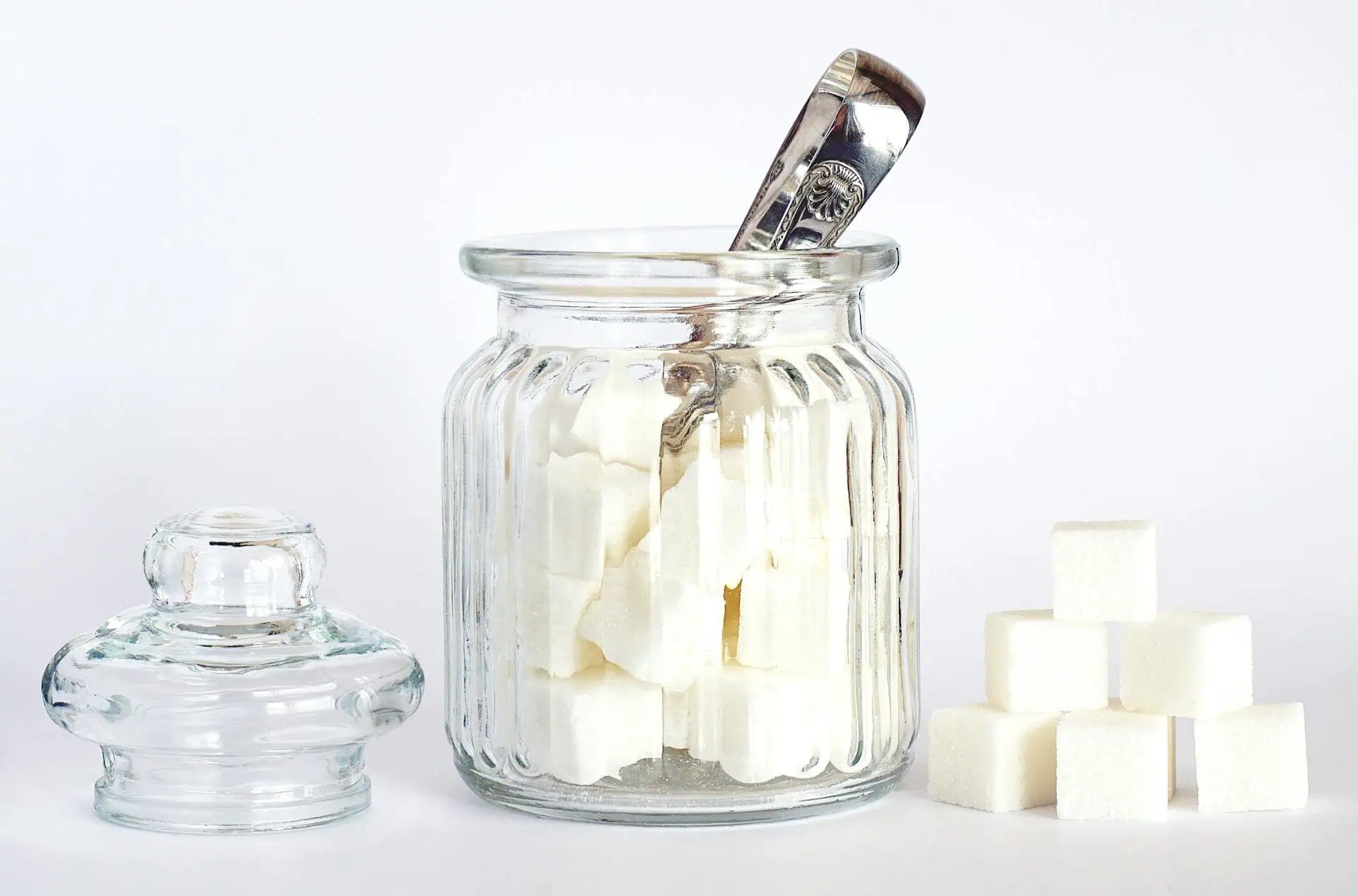
Even though they’re a calorie-free substitute, artificial sweeteners such as aspartame or sucralose will wreak havoc on your metabolism and gut. They leave you craving even more sugar – which is what dieting is all about. There are better natural sweeteners like honey, maple syrup, or stevia to make things sweet without all those chemicals.
Canned Foods with BPA Linings
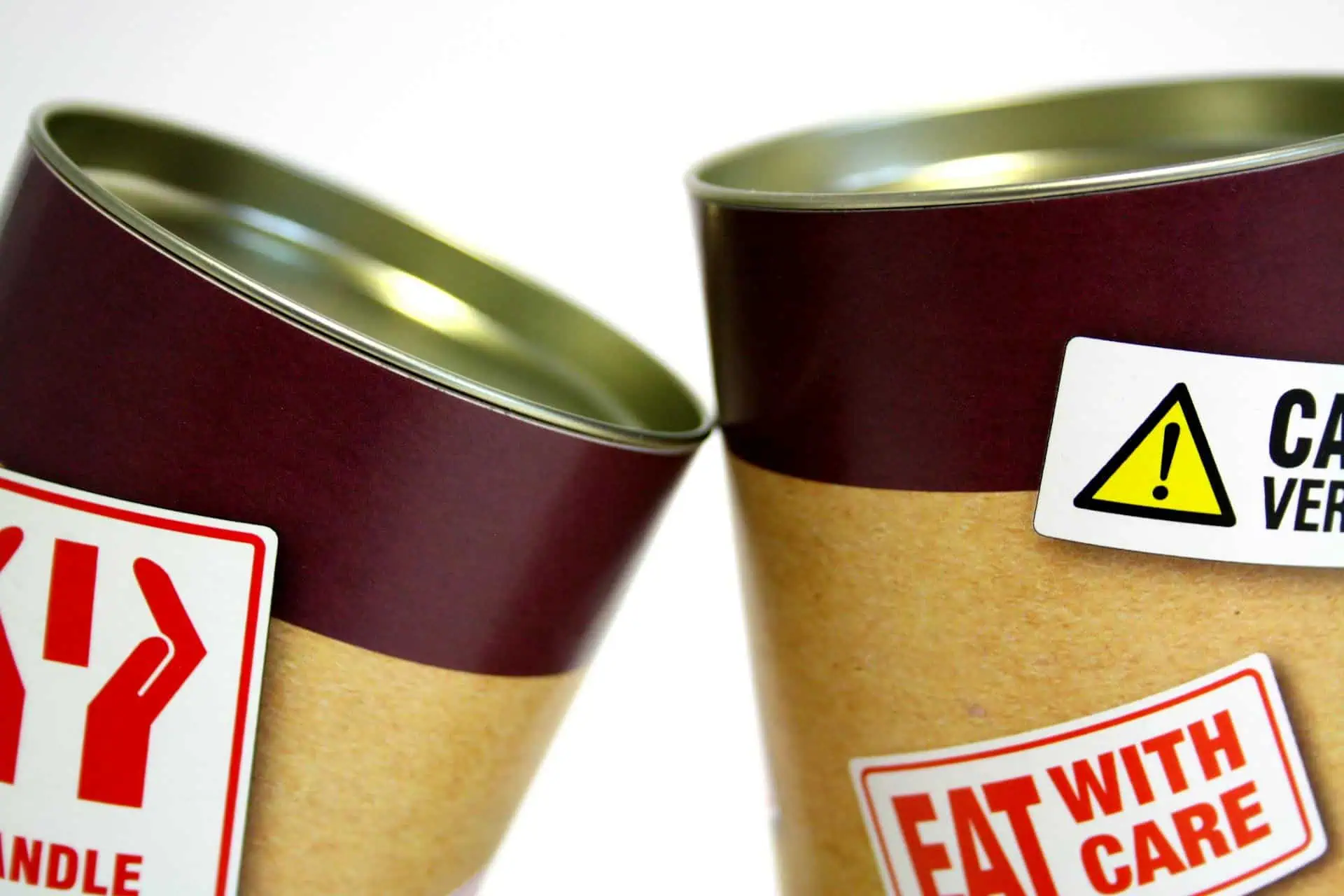
Some canned foods come with linings made of BPA, a chemical known to disrupt hormones and cause other problems. This gets absorbed into the food, particularly if it’s an acidic product like tomatoes. So choosing fresh vegetables, frozen or BPA-free cans cuts down on exposure while still providing quick and easy meals.
Air Fresheners

Air fresheners might smell nice, but they are filled with phthalates and other toxins. These can impact your airway or make your allergies worse. Instead, go with the natural options like boiling herbs and citrus on the stove, essential oil diffusers, or opening the windows to air out your room.
Pre-Packaged Snack Foods

Chips, cookies, energy bars — whatever is packaged in the ready-to-eat kind — often contain an excruciating list of artificial flavors, preservatives and unhealthy fats. These additives are meant to prolong shelf life but are of no nutritional value. Making snacks at home from scratch is not only healthy but also satisfying. Freshly baked goods or roasted nuts are great alternatives.
Commercial Shampoo and Conditioner

A majority of drugstore shampoos and conditioners are loaded with sulfates and parabens. They can dry out natural oils in hair and irritate the scalp. This defeats the whole purpose of using shampoo & conditioner. Switching to natural or sulfate-free options is a gentler option that will nourish your hair and skin without any nasty side effects.
Disclaimer: This list is solely the author’s opinion based on research and publicly available information.
Like our content? Be sure to follow us.
Read More: