

If you’ve ever spoken to someone older and felt like they were speaking another language, just know that you’re not alone. Older generations have a bunch of sayings that tend to confuse younger people because these phrases come from different times when life wasn’t like it is now. Here are sixteen phrases that older people use that nobody else gets.
Featured Image Credit: kues /Depositphotos.com.
“Don’t take any wooden nickels.”
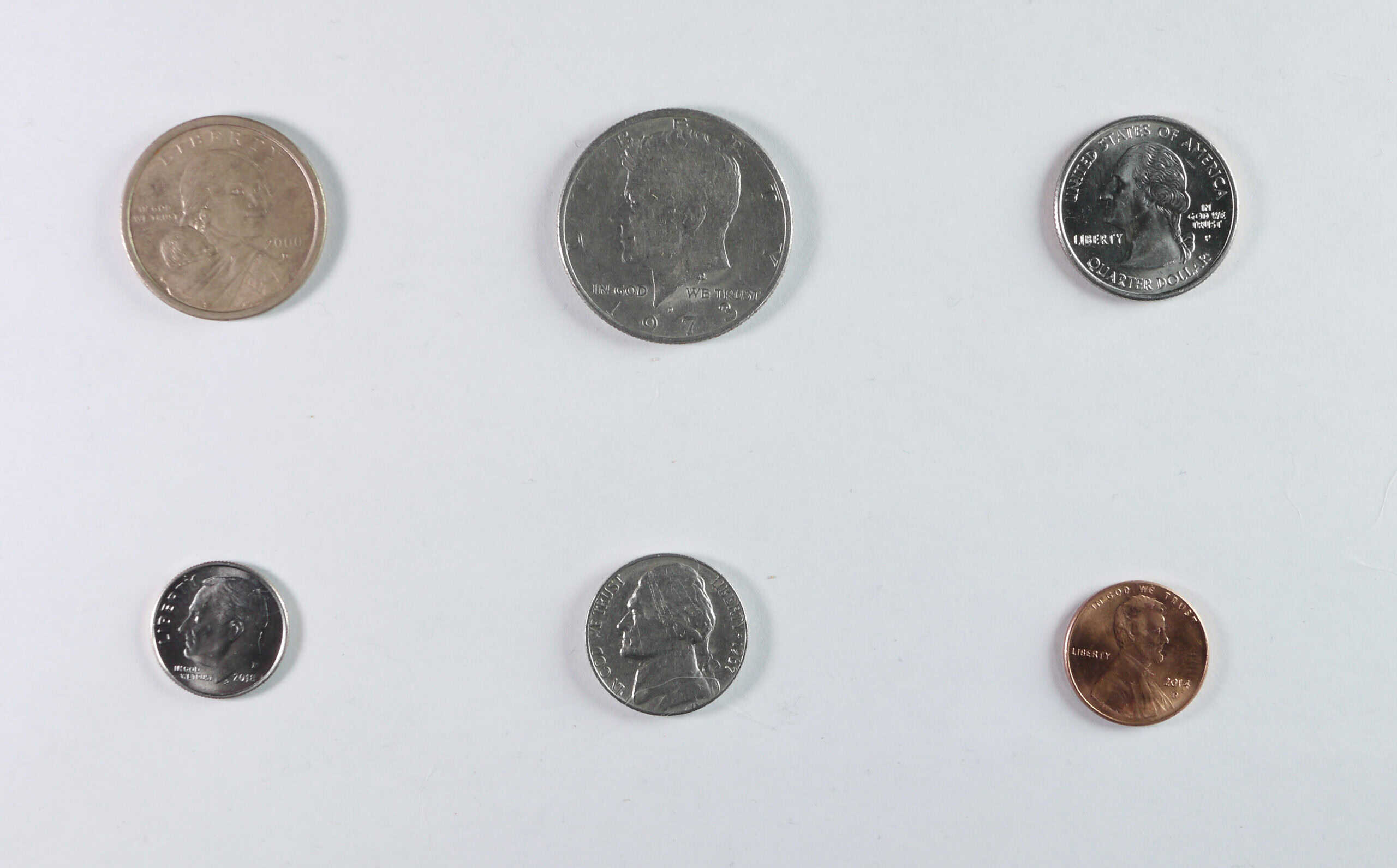
It’s no secret that older people are cautious with their money and this carefulness is where we get the saying, “Don’t take any wooden nickels” —anyone who says it is warning you not to let anyone rip you off. Wooden nickels used to be fake coins that held no value and that’s where this saying came from, despite the fact that wooden nickels aren’t a thing anymore. The saying has stuck around as a warning to people of all ages to be a little more mindful.
“Drop a dime on him.”

When someone “drops a dime” on another person, they’re snitching or reporting them and it’s usually to the authorities—the phrase comes from a time when payphone calls cost a dime. You’d use that coin to make a call & tip someone off, although this phrase is harder to understand these days because payphones are rather rare now. It’s enough to make some younger people confused as to what money has to do with telling on someone.
“Film at eleven.”

The phrase “Film at eleven” is one that older people use to suggest that more information is coming later and it came from a time when TV news would tease a story during the day. They’d then tell their viewers that they could see the full coverage on the 11 PM broadcast. But today’s around-the-clock news & instant updates mean that waiting for a specific time to get the news seems rather old-fashioned.
“The bees are in the clover.”

Older people sometimes use the saying, “the bees are in the clover,” to describe those times when everything’s going just great—bees love clover fields because they’re full of nectar. As such, the saying is meant to suggest that life is sweet & prosperous, although it may confuse younger people who aren’t familiar with rural sayings. They probably have no idea about the connection between clover fields, bees, and sheer happiness.
“In like Flynn.”

Saying “In like Flynn” means that you have managed to achieve something easily or were successful without much effort, and the phrase is associated with Errol Flynn. He was a famous actor from the 1930s & ’40s who became known for his swashbuckling roles and charm—his name doesn’t ring a bell with everyone. To younger people, the phrase might seem a bit random but it’s simply meant to suggest that everything’s going well.
“Heavens to Betsy!”

A lot of younger people hear the phrase, “Heavens to Betsy!” and feel confused since it makes them wonder who Betsy is and what’s going on. But really, it’s just a fun way of saying “Oh wow!” or expressing surprise—there’s no actual Betsy involved, it’s just a colorful way to show your surprise without cussing. Older people tend to drop this line when they’re happily surprised or even a little startled, even though younger people might not get it.
“Straighten up and fly right.”

When someone tells you to “straighten up and fly right,” they’re trying to subtly tell you to get your act together and it’s essentially a way of saying you should start behaving properly. They want you to make better choices. This saying became popular thanks to a Nat King Cole song from the 1940s and is a catchy way for older people to encourage better habits without coming off as too bossy.
“Twenty-three skidoo.”

You may have been told to “twenty-three skidoo” before and had no idea what it meant—it’s simply used to signal that it’s time to leave or make a swift exit. Back in the early 1900s, it was a popular bit of slang that made goodbyes rather interesting, although it’s less common to hear it these days. Perhaps we should bring this one back because it’d certainly make our conversations a little more unique.
“See you in the funny papers.”

Speaking of leaving, some older people will wave and say, “See you in the funny papers!” when someone’s heading out, which is a reference to times when newspaper comic strips were a big deal. The majority of young people today get the news from social media or apps, rather than newspapers, so this saying might be lost on them. But really, even if it’s not as common a sign-off, there’s something so nostalgic about this phrase.
“What’s the skinny?”

Asking “What’s the skinny?” is an old-school way of saying “What’s up?” or “Tell me the news”, with the “skinny” referring to the inside scoop or the juicy details. This phrase hasn’t completely fallen out of fashion but younger people usually use something like “What’s the scoop?” or “Spill the tea” instead. One thing’s clear—we love using food and drinks as a metaphor to talk about gossip, no matter what generation you’re in.
“He’s on the horn.”

Hearing someone say, “He’s on the horn” isn’t as exciting as it might seem, as it just means that the other person is talking on the phone—the phrase comes from the early days of telephones. In that time, telephones had a horn-shaped part for listening and speaking, which may seem rather unbelievable to younger people these days. They can’t imagine a telephone being anything like that.
“Got your ears lowered?”

You might hear the saying, “Got your ears lowered?” when you get a fresh haircut, but don’t worry, because there’s nothing to be annoyed about. They’re simply making a light-hearted comment about your new look and trying to acknowledge that you’ve had a trim. Essentially, they’re saying that with less hair, your ears seem a bit lower—it’s all in good fun.
“Back to the salt mines.”

On Sunday evening, you may hear an older person sigh and say something like “Back to the salt mines” as they prepare to go back to the office on Monday. This saying dates back to when working in salt mines was brutally hard labor and it’s meant to suggest that someone is returning to work that they don’t particularly enjoy. These days, it’s more of a tongue-in-cheek way that older people use to complain about having to get back to the daily grind.
“I’ll be there with bells on.”
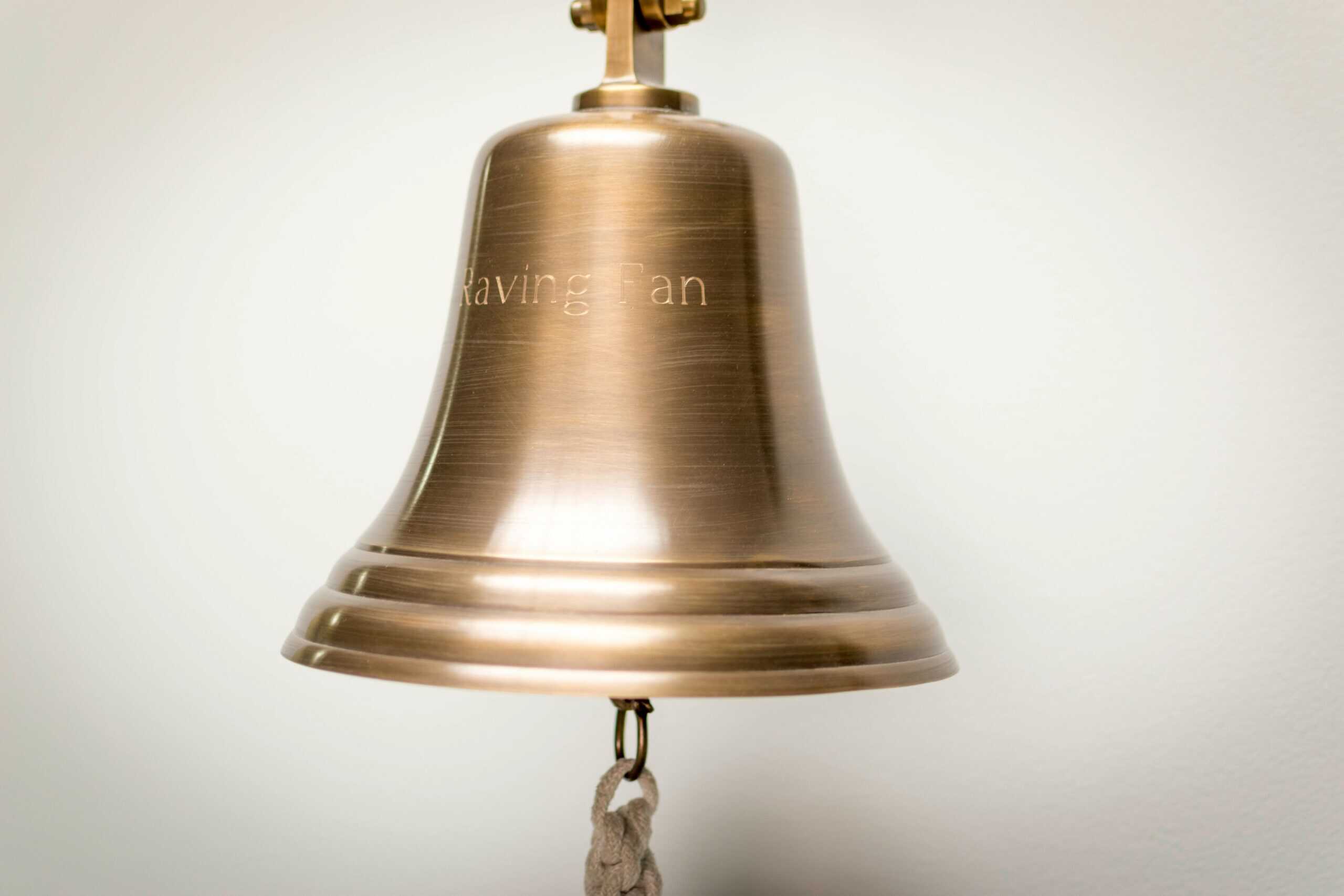
When you invite your grandma to your graduation, she beams and says, “I’ll be there with bells on!” She’s not planning to jingle or anything, it’s that she’s just expressing her excitement to attend and she might even come a little dressed up. Many young people don’t get this saying because it comes from a time when people drove wagons—when they were stuck, the person who rescued them would usually ask for some bells as their compensation.
“Close, but no cigar.”

Back in the day, people used to smoke a lot more openly than they do now and you could even win a cigar as a prize at certain fairground games—that’s how we got the saying, “Close, but no cigar.” It’s supposed to acknowledge that someone came really close to winning but didn’t make it this time, although younger people might not get that. They tend to smoke vapes and regular cigarettes, so they may not understand the reference to cigars.
“Don’t sell me a dog.”

An older person might tell you, “Don’t sell me a dog” when you tell them a story and that’s their way of asking you not to try to fool them. In the past, dishonest sellers sometimes tried to pass off a worthless dog as something special, so this phrase became a way of saying you’re not going to fall for any tall tales. You’d have to try a lot harder than that to fool an older person.
Disclaimer: This list is solely the author’s opinion based on research and publicly available information.
Like our content? Be sure to follow us on MSN.
Read More: