

The small things say a lot about how well you’re aging, and they’re things you can try yourself at home to check that your body’s working as it should.
The little lift
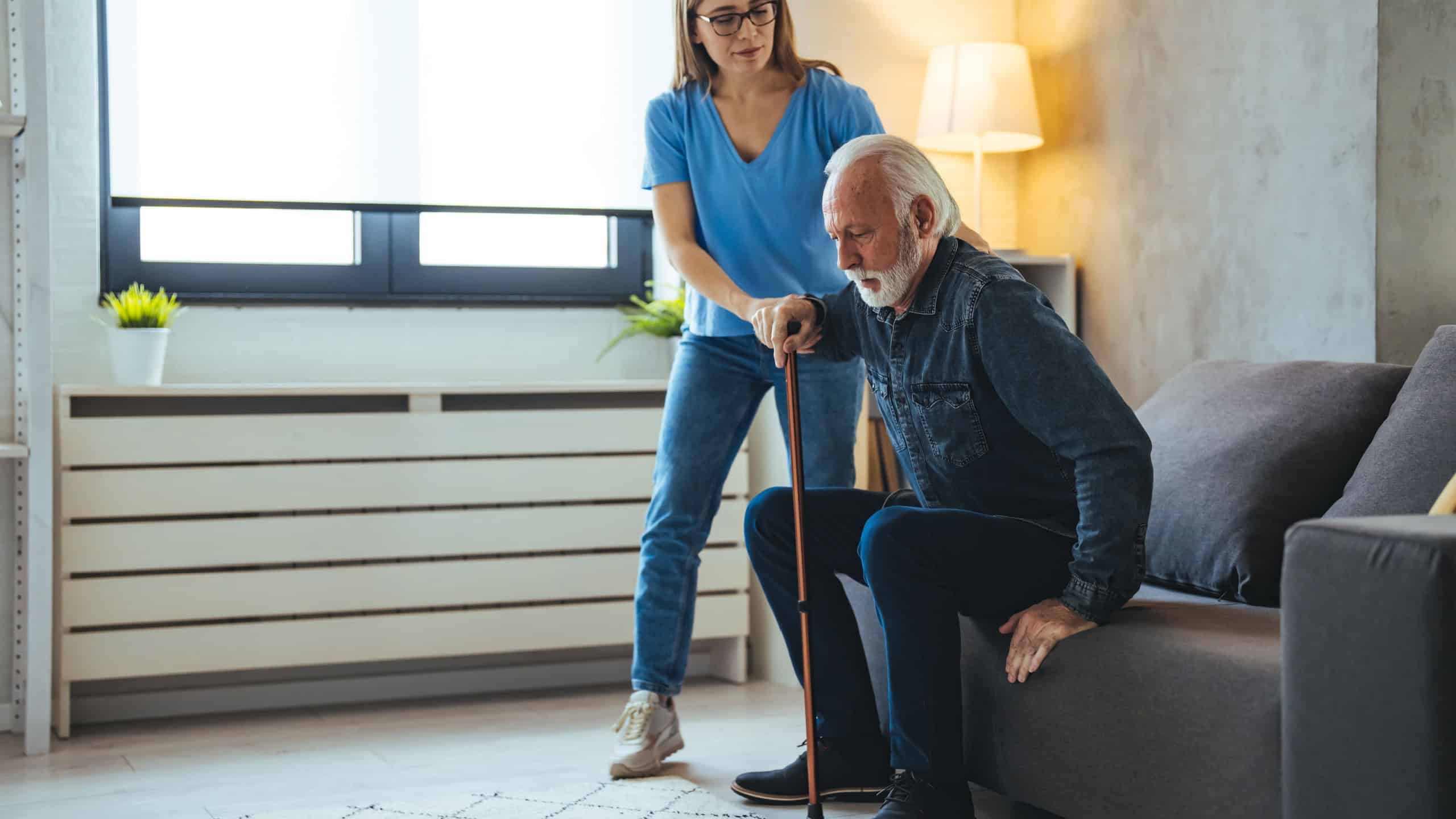
Spend two seconds at a dinner table, and try this one. Stand up. It’s as simple as that. Stand up from your seat, without using the armrests or grabbing the table. You also can’t do that rocking motion first, either. It’s a lot harder than you think.
It’s an easy move that puts your hips, glutes, thighs, and core to work. That’s why older adult fitness screening uses this test. It’s one of the simplest ways to check out how your lower body is working.
The small climb
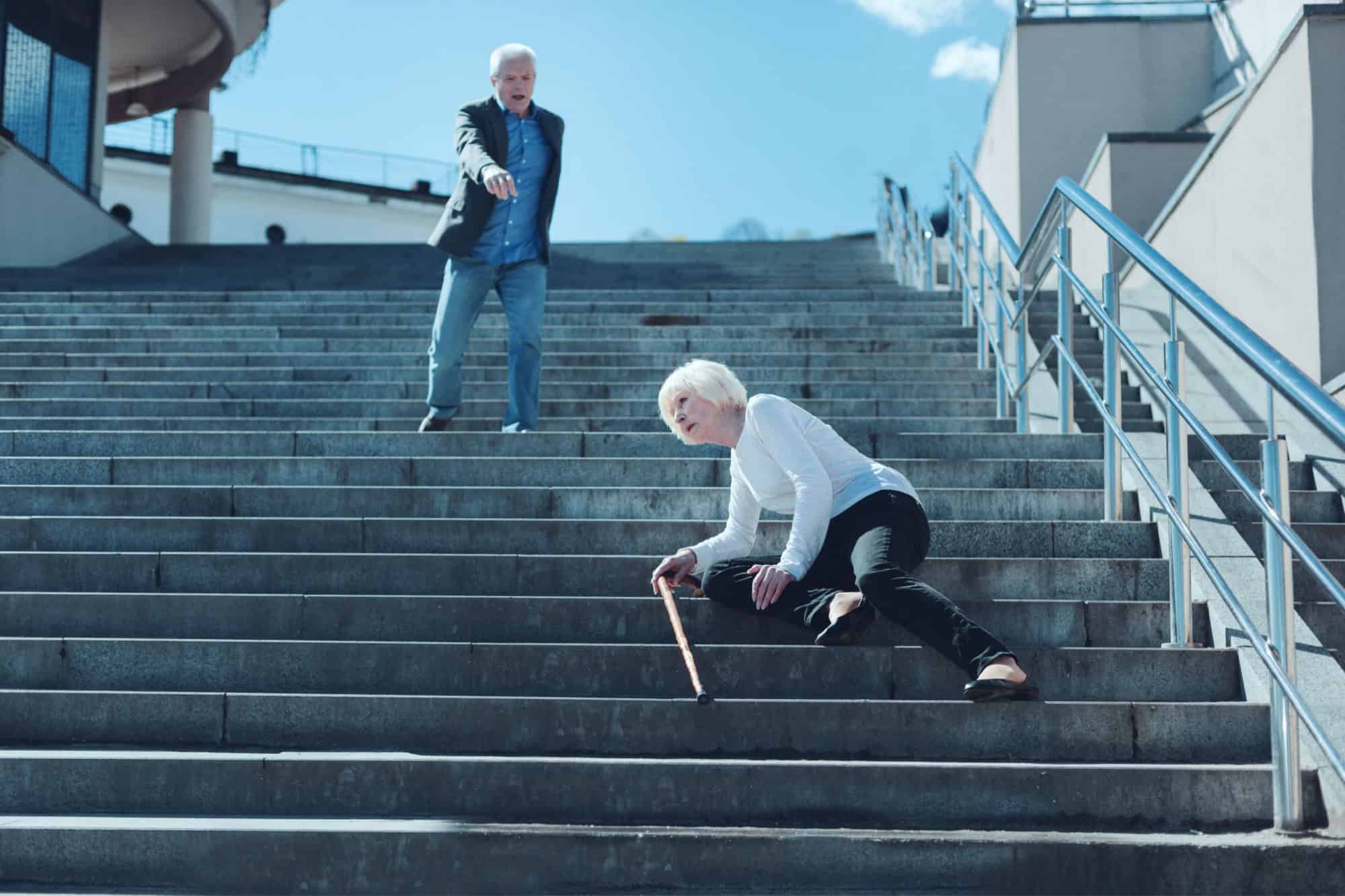
Don’t rush it when you’re near a staircase. No, try walking up a full flight at your normal pace, and pay attention to how your body reacts. Unfit older people will start breathing hard halfway. They’ll grab the rail and maybe even pause at the top.
Why is this test so good? Because it’s checking multiple body parts at once. You’re getting a good idea of how good your legs, lungs, heart, and balance are. But that’s not all. It’s both good for checking your practical strength and your endurance. How useful.
The low place
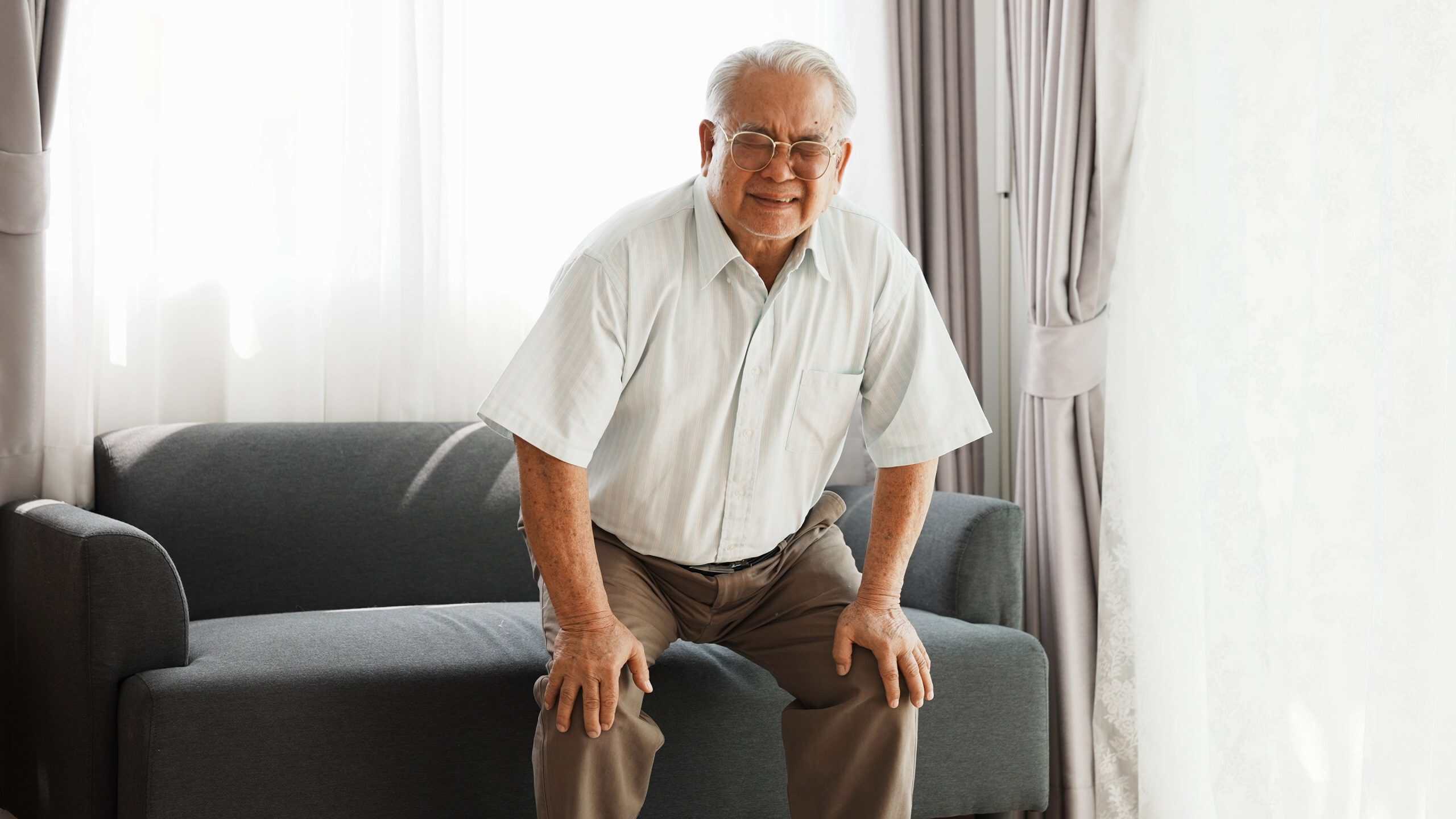
The way you sit down also says a lot about your body. You’ve got to be able to get down carefully and up, but without grabbing any furniture. Just make sure not to force it. The sit-to-rise test can reveal a lot about someone’s health.
In fact, one study found something pretty interesting about older people who could do it well. They were way less likely to die in the next decade. So, it’s a test of balance, flexibility, strength, and coordination, yes. But it could also tell you a little about your future.
The awkward load

Doing laundry is never fun. This test doesn’t exactly make it more fun. However, what it does check is your strength. All you need to do is carry a full laundry basket upstairs or downstairs. It immediately puts your body through it.
For starters, you can’t see your feet as clearly. Your brain has to be careful about where you’re stepping. Your balance also changes with each step. It’s a lot more difficult than a regular walk. That’s what makes it a great fitness check.
The top shelf
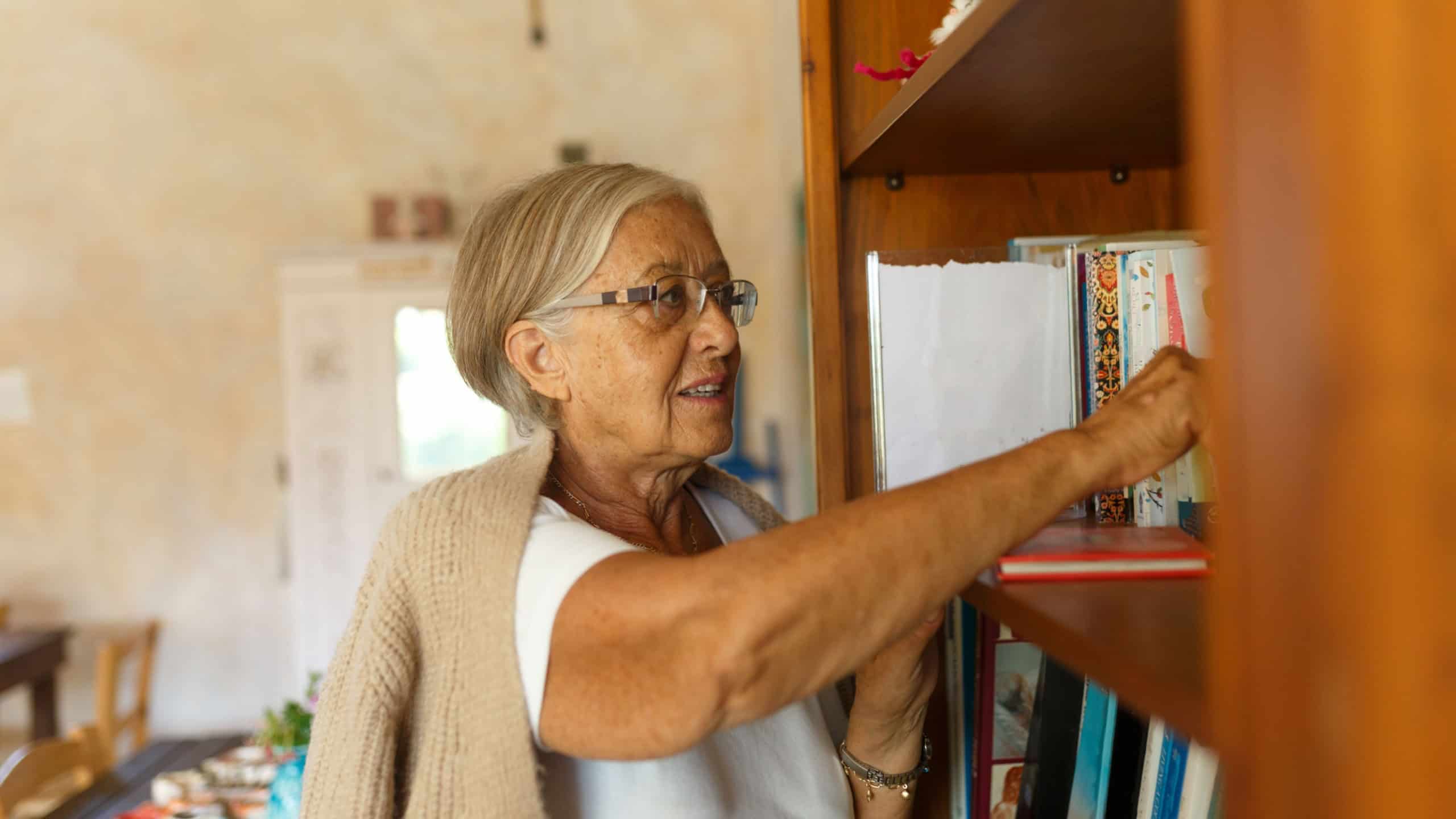
Go to your kitchen and look at the highest shelf. What do you see on there? A bowl, cereal box, mug, plate? It doesn’t matter. Try to reach for it, but without going on your toes. That is, unless you need to. Focus on reaching for it as best you can.
Older people’s shoulders usually stiffen first, especially when they’re reaching overhead. It’s why they usually start rearranging their kitchens. Don’t let that be you. Check your flexibility and upper-body movement to make sure you’re aging healthily.
The lower cabinet
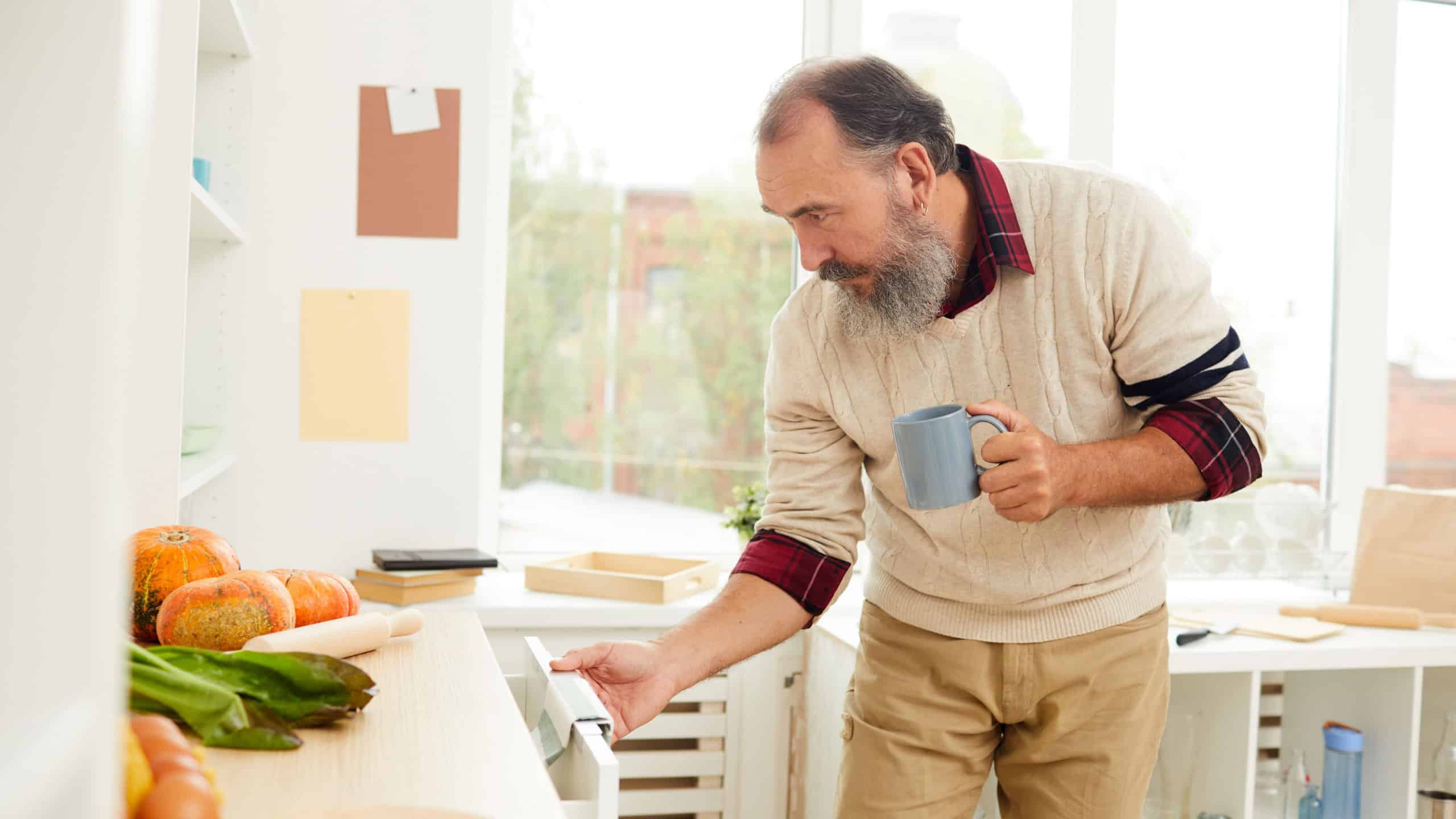
Let’s not forget the opposite test, too. Try grabbing something from your lowest kitchen cabinet. The important part is not to bend at your waist. You should be dropping into a small squat with your knees bent and hips back.
Yes, that sounds easy. But it’s really not. You’re using your quads, glutes, hips, calves, and core at the same time. A healthy older body uses its legs for this movement. An unhealthy one? It dumps everything on the lower back instead.
The stubborn twist
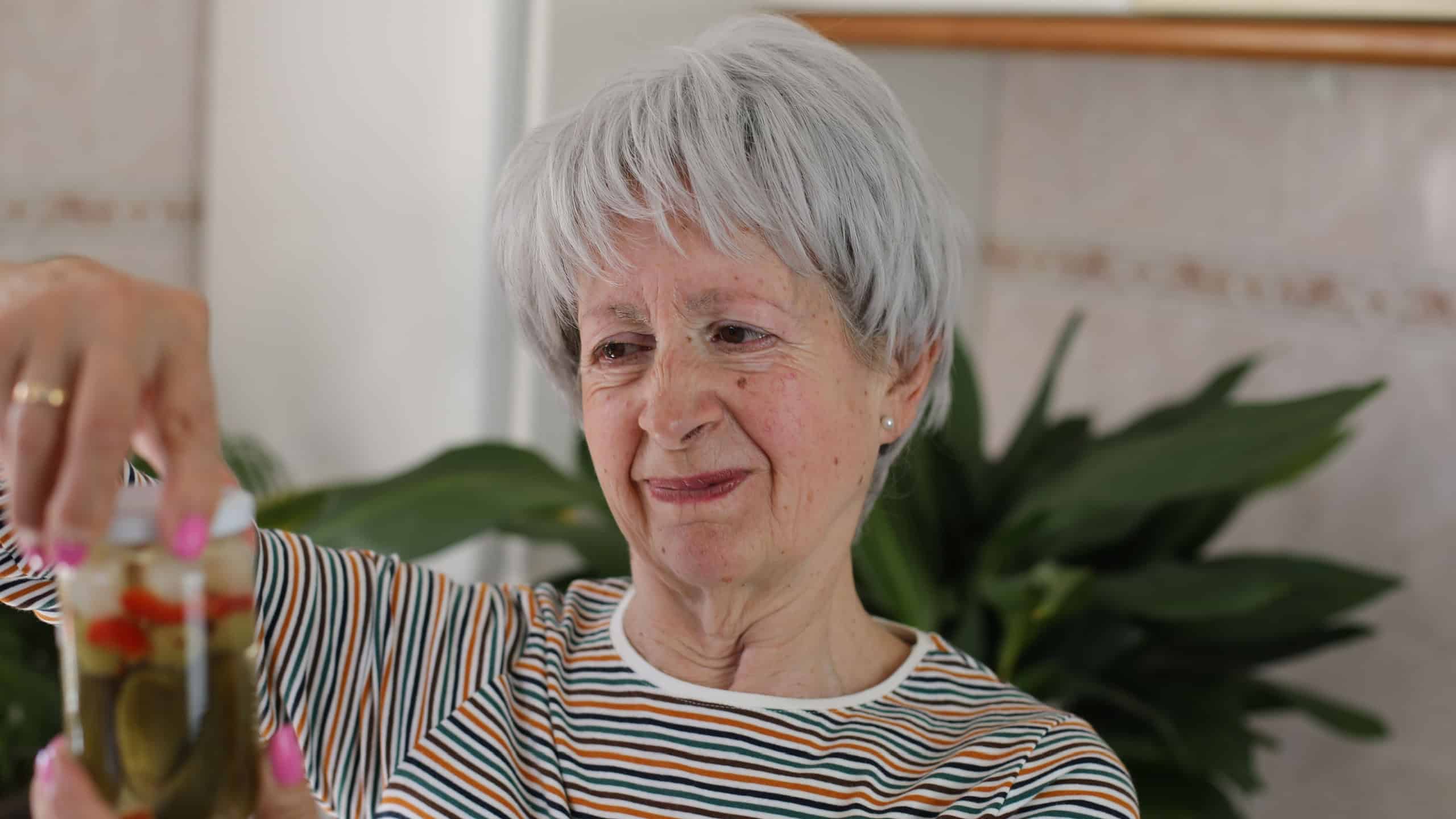
We’re not leaving the kitchen just yet. Find the tightest jar in the kitchen. Seriously. Then, try opening it using your arms, not by banging it on the counter or using a rubber grip. Grip strength is one of those things most people don’t think about. But then it starts disappearing.
Many doctors actually test older patients’ hand strength when they’re looking at physical function assessments. Your hands aren’t working alone, after all. They’re doing their job with your wrist, forearm, shoulder, and trunk. You should make sure they’re working fine.
The waiting spot
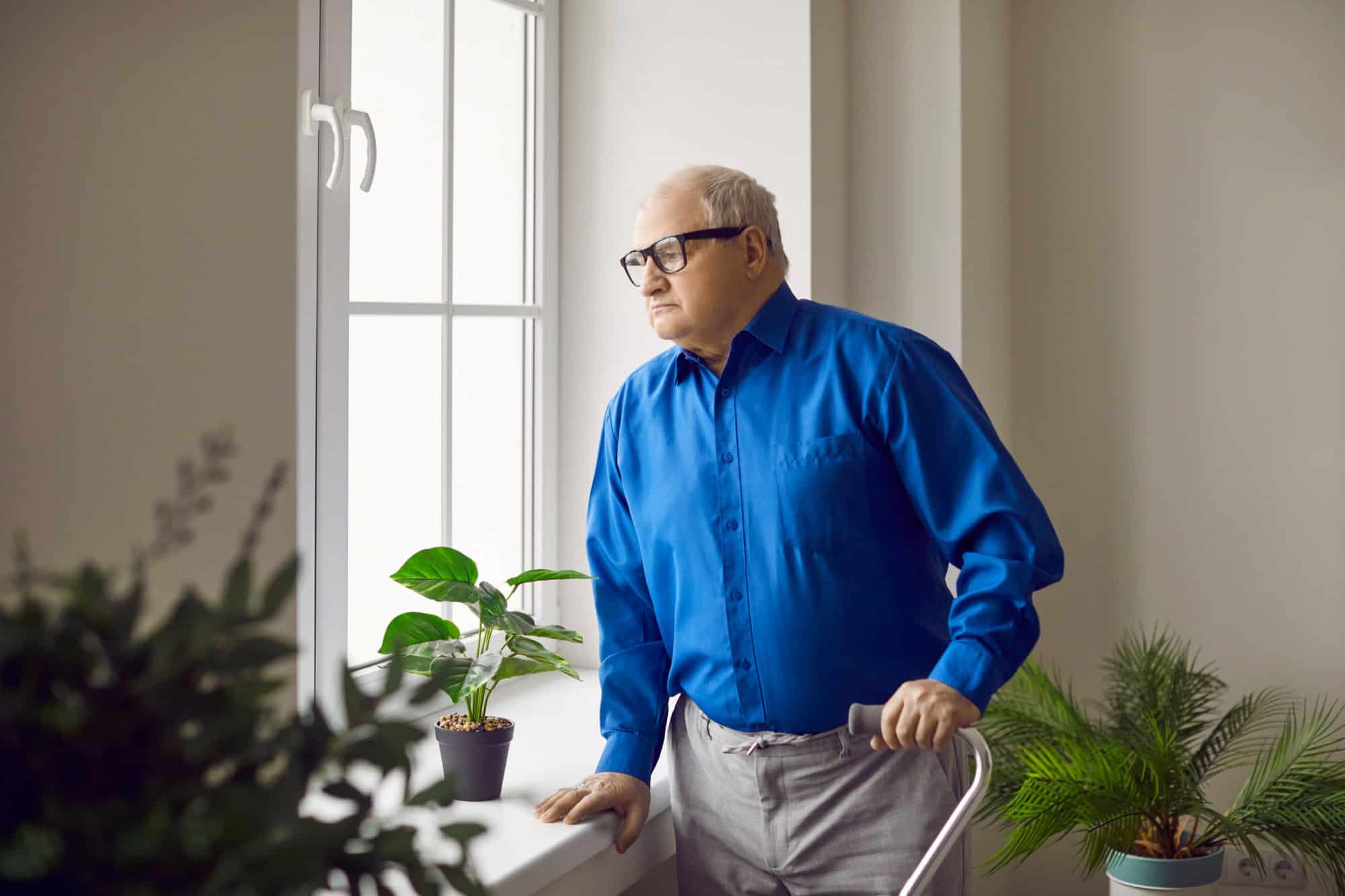
Standing still is actually pretty annoying when you don’t have good balance. Try doing this test. Go somewhere safe, like your kitchen or hallway, and then set a timer for five minutes. Stand there. That’s all. Stand there, without leaning on the counter or shifting every few seconds.
The standing test checks your balance and muscle skills. It’ll force your postural muscles to keep adjusting. What part of your body gives out first? Is it your feet or lower back? Perhaps your legs? Make a note of that.
The quick change
You’ll need another person for this one. Get someone to stand a little behind you and call your name at random, or try imagining they did. Your goal is to turn around naturally. No preparation or staging, just turning around normally. Pay attention to your first reaction.
A healthy body should start by turning the head. Then, the shoulder and torso should follow. The feet are supposed to reposition in a couple of steps. You’re supposed to stay upright the entire time.
The outside job

You don’t need to bother with treadmills to check your fitness. Try just going outside. Grab a rake or broom and do some gardening work for around 15 to 20 minutes. Don’t keep checking the clock. The test here is on your movement, not your speed.
You should be able to walk and bend. You should also be able to carry and squat, then stand back up again, no problem. Most people don’t realize it, but yard work counts as an aerobic activity. It keeps your body moving in short bursts the whole time.
Sources: Please see here for a complete listing of all sources that were consulted in the preparation of this article.


