

Not all boomer habits are rude exactly, but some of them tend to do things that’ll get young peoples’ eye twitching.
The loud little box

You hear some boomers before you see them. They’ll talk about their prescription refill. They’ll talk about their cousin’s divorce. Everyone in the coffee shop knows about it. Why? Because many boomers have their phone’s speakers on full volume.
Younger people don’t care that the older generation’s taking a call. No, they’re annoyed about the group participation. They wish boomers had more phone etiquette. Phone conversations should stay private.
The sudden pause

Everything’s moving fine until it isn’t. There’s no warning. A boomer just stops in the middle of the aisle. Maybe they just remembered something, or maybe they saw a sign. Honestly, it doesn’t matter.
It disrupts the whole flow of traffic, and that bugs younger people. They hate the stop-start flow. They wish boomers had a little more situational awareness. Or, at least, they’d have the decency to step aside.
The lack of humanity
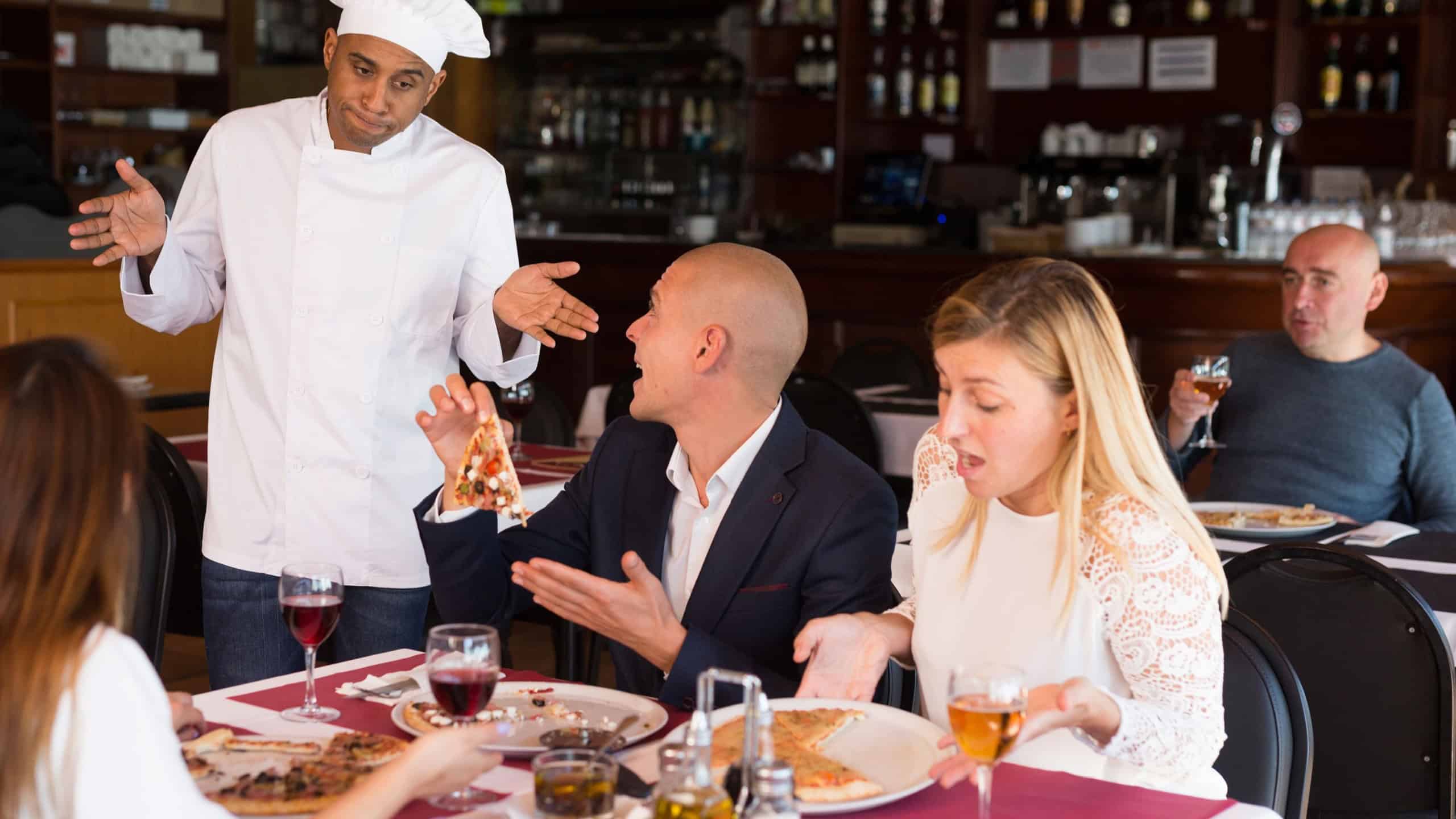
What’s being said isn’t always important. Sometimes, it’s the way boomers say it. A cashier says, ‘Hi, how are you?’ You’d expect a normal human response. But instead, a boomer says, ‘I need a bag. And fix this,’ without a smile.
They’ll talk to customer service workers like they’re part of the equipment. They’re not human. They’re beneath them. It annoys younger people because, most of the time, they’re the ones working the service jobs. A little respect would be nice.
The public observation

Some Boomers love giving commentary. They love sharing their opinions about strangers. It doesn’t matter that they’re still in earshot. No, boomers will tell you about their hair. Their shoes. Their weight loss. You can’t really blame them, though.
They grew up in a time when these comments were conversation fillers. But younger people see it differently. They think it’s too personal.
The backup copy
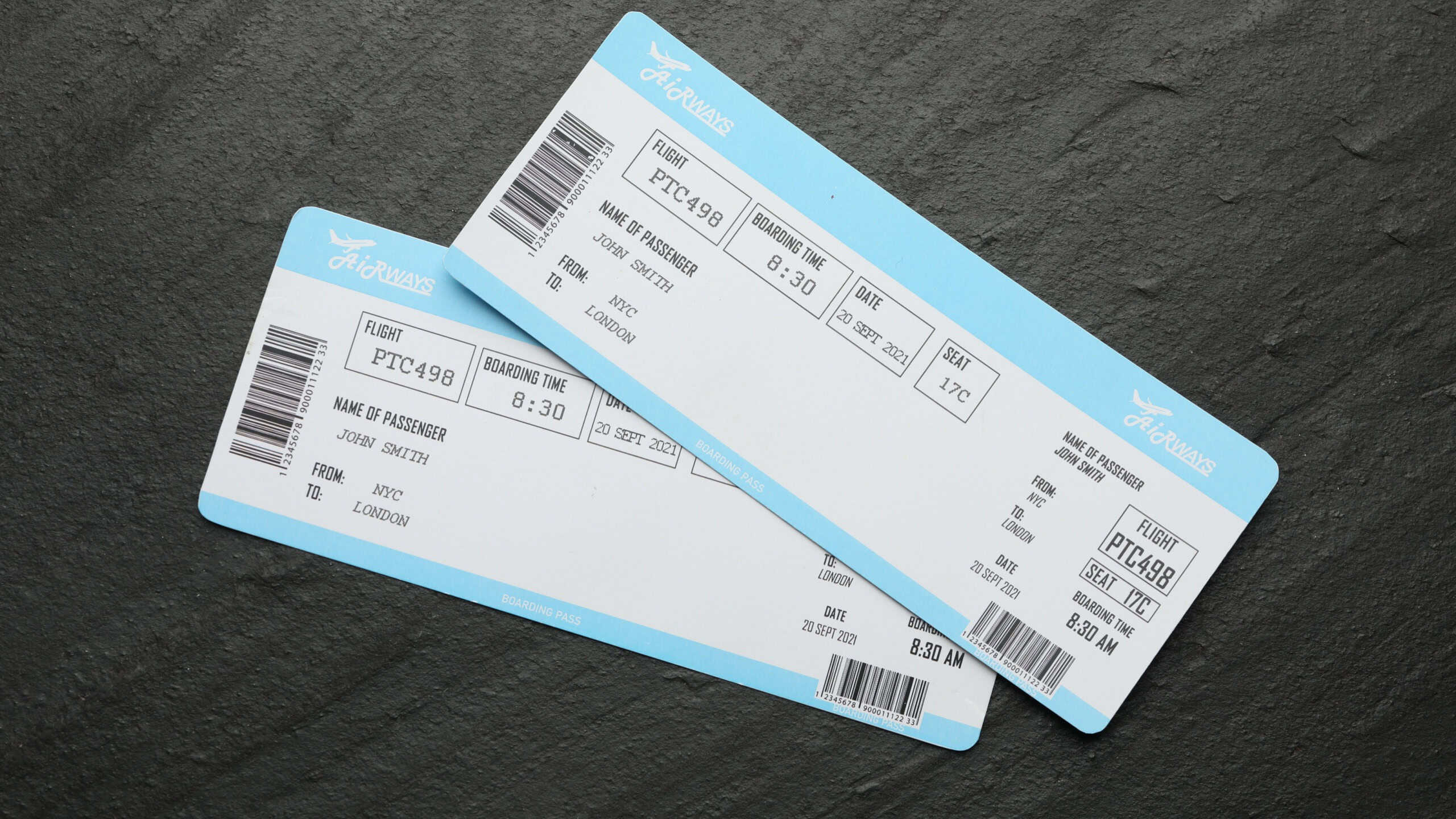
Digital boarding passes have been around forever. Email has existed for even longer. But a lot of boomers refuse to step into the 21st century. They’ll demand paper copies. They’ll ask for something physical. The same information’s on the screen? Doesn’t matter.
Boomers want something they can touch. Young generations hate that. They think it’s a waste of paper. Or worse still, it’s clear stubbornness from the older generation that young people can’t put up with.
The last-minute chat

You’ll see this at the checkout. Yes, the payment’s done. Yes, the receipt came out forty seconds ago. But that’s the time some boomers think they should have a conversation. They’ll talk about the weather and their weekend plans to the cashier.
Meanwhile, there are six people waiting in line behind. Young people wish boomers would get a move on. They don’t hate long conversations exactly, but they think there’s a time and place for them.
The old version

Try telling a boomer how a store policy changed last year. Here comes a history lesson. Great, boomers can remember how the post office worked in 1989. They remember when bank tellers knew everyone’s name.
Why is that relevant? It doesn’t help the person behind the counter. They can’t do anything with it. Younger people aren’t fans of this whole live documentary.
The louder repeat

Saying ‘I didn’t quite understand you’ should get you a different explanation. It doesn’t work that way with some boomers. Most of them say the same sentence, just louder. It’s not clearer. It’s not slower. They’ll raise the volume like it’s meant to make a difference.
It’s annoying for young people. The truth is, the wording needs to change, not the volume or the tone.
The dinner topic

Older adults follow the news pretty closely. In fact, they do it more than younger people. So it makes sense that it comes up a lot. But it’s too much for the younger generation. They don’t want political conversations at the dinner table.
They don’t want to debate taxes while they’re celebrating at a party. Young people look for one thing at a family meal. Food. No, they don’t want a panel discussion, and especially not before dessert.
The career speech

Boomer career advice starts the same way. They act like it’s 1987. You’re supposed to put on a nice shirt and walk in. You’re supposed to ask for the manager. Then you give them your resume. Sure, it worked for boomers back then, but young people are tired of hearing it now.
Things have changed. Hiring is way more complicated. You’ve got to sign up for a dozen different applicant accounts. You’ve got to scroll through job boards with thousands of applicants. It’s annoying hearing outdated advice. Even when it’s meant well.
The phone tutorial

‘Can you just look at this for a second?’ Young people hate hearing that from a boomer. Not because they’re rude. No, it’s because they know seconds turn into thirty minutes. It’s passwords and update screens. It’s comments that the phone ‘never did this before.’
Then comes the best part. It’s when boomers argue with every instruction. ‘I didn’t press that.’ ‘That’s not my password.’ The tech’s usually not the problem.
The midday ring

There’s no text. There’s no question of whether you’re free. Some boomers will straight-up call you at 11:14 on a Tuesday, like you’re completely free. They don’t care that you’re working from home. Surely that means you’re not actually working?
Don’t even try ignoring it. That’ll only lead to another call three minutes later. Then another. It’s annoying. Young people wish older people would understand that, yes, working from home is still working. You’re not free.
The warning forward

Boomers think they’re helping. They’ll share news about poisoned fruit. They’ll tell everyone about scams the ‘media won’t tell you about.’ Unfortunately, they don’t always bother to fact-check any of it. That annoys younger people.
It takes two seconds to do some research, but a lot of boomers don’t bother doing it. They’ll share fake news and misinformation. They’ll post AI images, claiming they’re real. What happened to the truth?
Sources: Please see here for a complete listing of all sources that were consulted in the preparation of this article.


