

Everyone has their favorite comfort food, maybe it’s cornbread or chili, perhaps even pumpkin pie. But a lot of those dishes wouldn’t exist without Native American traditions that became part of American kitchens hundreds of years ago. Here are eleven Native American foods that shaped American cuisine. Which of these foods would you choose to keep forever?
Featured Image Credit: Shutterstock.
Turkeys

Native Americans raised turkeys in the Americas long before Europeans set foot here. Pueblo communities in the Southwest kept flocks & used feathers for blankets. They also ate the bird. Later, Spanish ships carried the birds back to Europe, and when they returned, turkeys became an important part of American farmyards & kitchens.
Hickory nut oil

People in the Eastern Woodlands knew how to get a lot of flavor out of hickory nuts, which often involved cracking them & pounding everything together. They’d then boil it all & skim off this nut-rich oil. The Native Americans stirred this oil into soups or stews when other fats weren’t around, which early settlers noticed. They started using it during lean months as well.
Acorn flour

Who says you need wheat to make flour? On the West Coast, Native Americans turned acorns into flour, and the trick was leaching out the tannins with water. They sometimes did this in baskets & sometimes in streams. Then, they ground the clean meal into something usable, which they cooked into porridges or flatbreads.
Hazelnut-based nut milk

You don’t have to just eat a hazelnut straight. In fact, Native Americans used to mash them into pastes and mix them with water to make a kind of nut milk, which they drank or used as a base for soups & sauces. Settlers copied the idea whenever they were short on dairy. Eventually, it became a practical but tasty food tradition that stuck around. Starbucks wouldn’t be the same without it.
Goosefoot (cheno-quid) grain

To most people, Goosefoot is just a weed, but it’s so much more than that. It produces little seeds that Native people gathered & winnowed like grain. They cooked it up to make a filling porridge or mixed it with cornmeal. Colonists sometimes used the grain to make supplies last longer when flour was too expensive for them.
Groundnut tubers
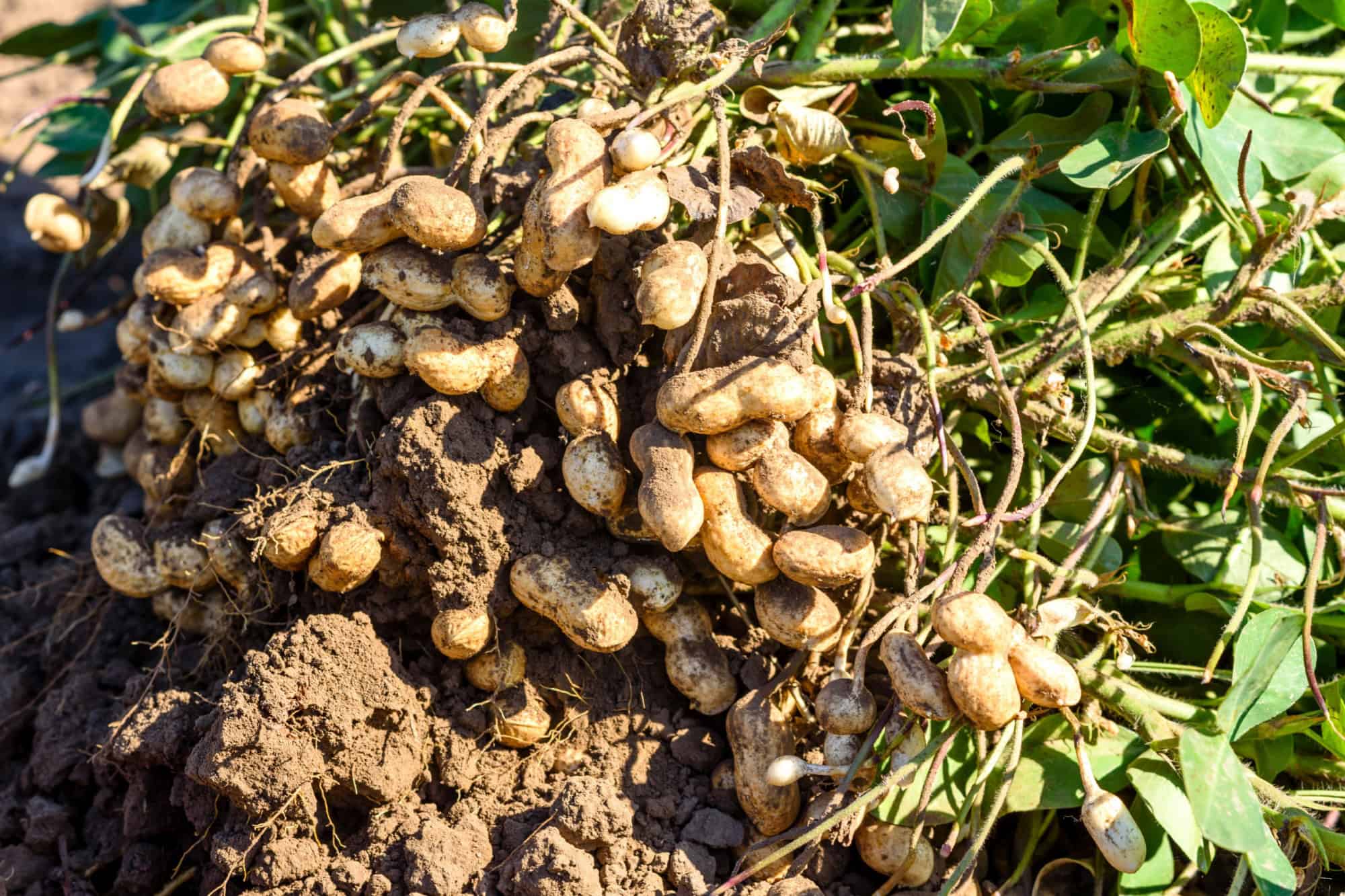
Groundnut vines look rather strange. After all, they have underground tubers that are earthy & starchy, but also quite filling. Tribes in the Northeast roasted them & put them into stews. Since they grew in clusters, a basketful could feed plenty of people, and colonists ended up eating them, too. They were a great replacement for potatoes.
Elderflower and nannyberry drinks

Not all drinks come from grain or sugar, and Native Americans used to brew elderflowers & nannyberries into teas. They also made them into light drinks for the hot months. Soon enough, colonists started steeping blossoms & berries too, turning them into early cordials and syrups that became part of American kitchens.
Sassafras tea

Sassafras root tea might sound rather strange. But Native Americans used to dig up the root, then boil & drink it as a fragrant tea, and it carried into settler homes quickly. Most families drank it for the flavor. Yet there were also those who used it to soothe stomach aches & colds. For a long time, sassafras tea was as common as coffee or cider.
Cattail “duck potato”

Cattails look like marsh plants to most people. But did you know that you can use their starchy tubers? Yep, many Native Americans peeled & cooked them like other root foods, sometimes even mashing or roasting them. They’d also grind them into flour. To nobody’s surprise, settlers copied that too, especially in places where the fields couldn’t handle wheat.
Strawberry leaf tea

Strawberries weren’t always available to Native Americans, but their leaves were. As such, they’d dry & crumble the leaves, then brew a simple tea that had a soft, green flavor. It was a normal drink in some communities. Eventually, colonists picked it up as a cheap and easy replacement for when they couldn’t get imports.
Fox grape juice

Native people used to gather wild fox grapes in bunches & turn them into fresh juice or fermented drinks. These grapes grew thick in woodlands, meaning they were quite a reliable fruit source. Previously, colonists tried growing European grapes in the Americas, yet these failed in the climate. They tried using fox grapes & turned them into juices and wines.
Sources: Please see here for a complete listing of all sources that were consulted in the preparation of this article.
Like our content? Be sure to follow us.


