

Peak productivity almost never looks sane to the outside observer.
François-Marie Arouet / Voltaire
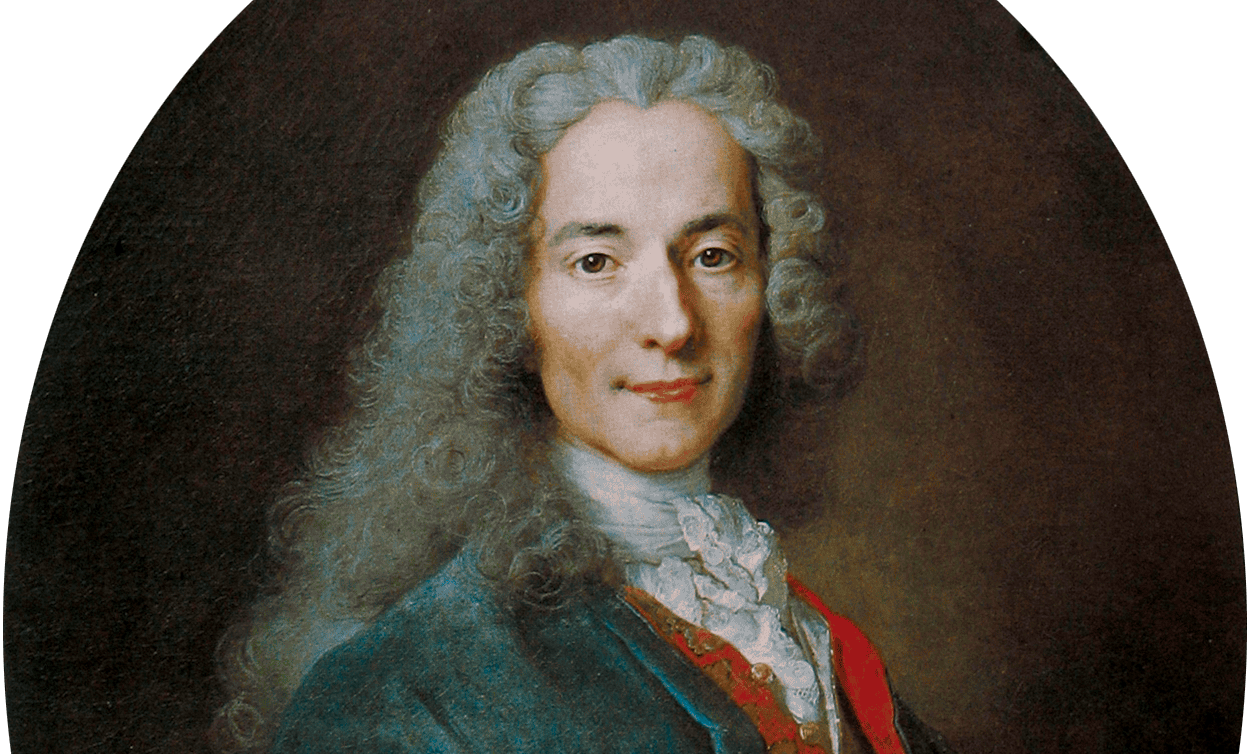
Voltaire churned out more than 20,000 letters, 2,000 books and pamphlets, and several plays throughout his 84-year lifetime.
He did this by consuming unfathomable amounts of caffeine on a daily basis: His daily coffee consumption is estimated by some to be around 40 cups, with other sources citing up to 50. A thick mixture of coffee and chocolate was his beverage of choice.
Voltaire bought his coffee beans in bulk and hired assistants specifically tasked with brewing fresh cups continuously as he dictated draft after draft from his bed or desk.
Igor Stravinsky
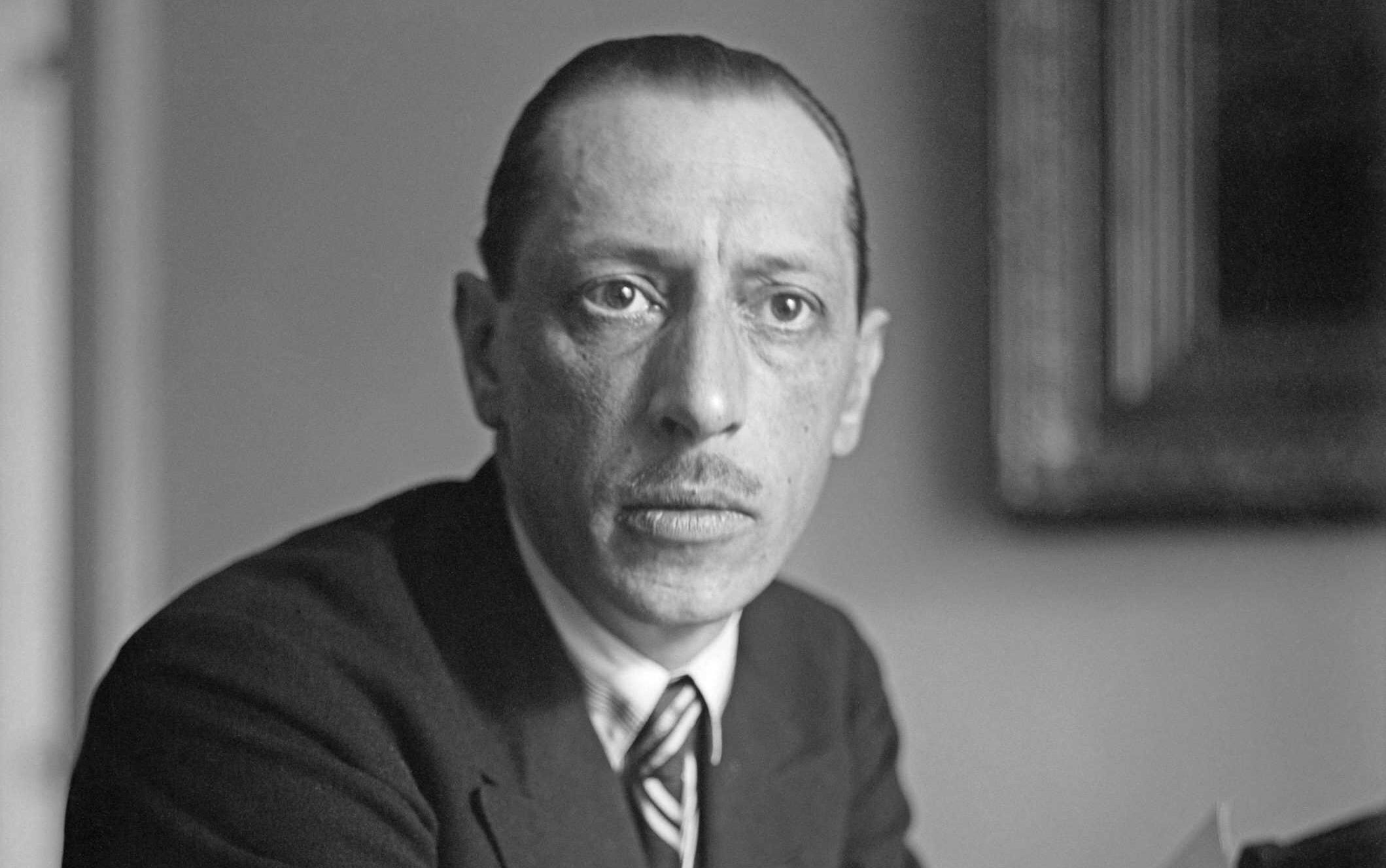
When the composer Igor Stravinsky found himself creatively blocked, he’d step away.
To shake off creative blocks, Stravinsky would spend 10 to 15 minutes upside down, convinced it would clear his head and boost brain circulation. He could then return to work at the piano practically immediately.
His daily ritual of headstands is referenced throughout his memoirs as well as interviews with Robert Craft who collaborated with Stravinsky for years.
Honoré de Balzac
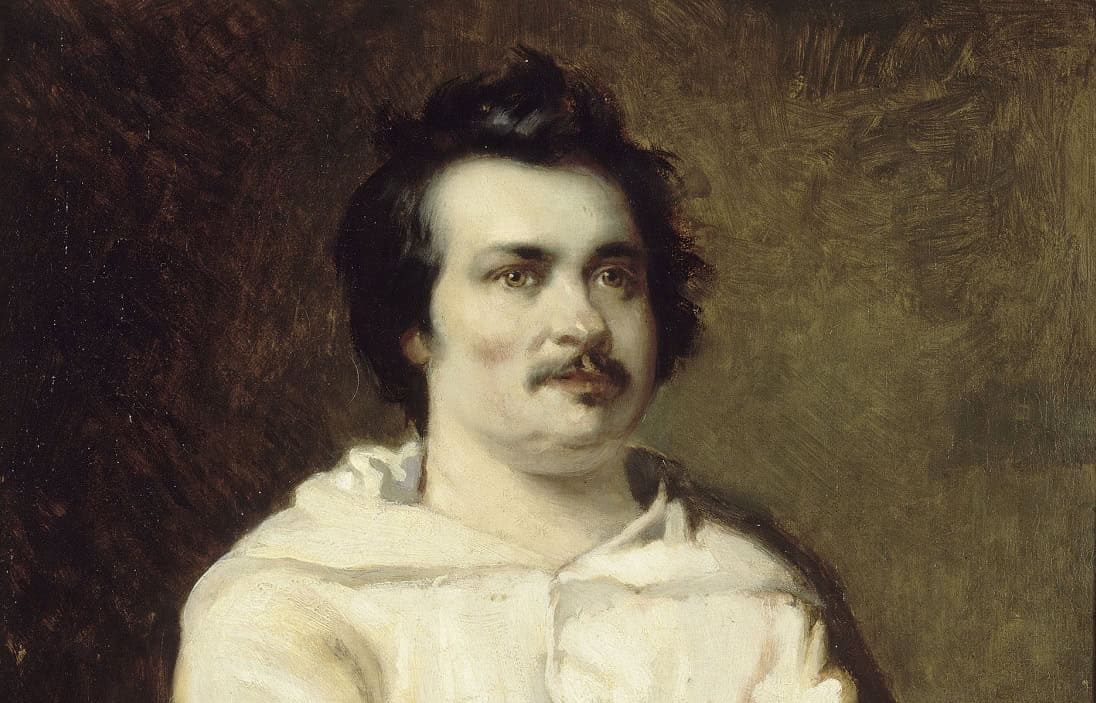
French writer Honoré de Balzac authored close to 100 novels and plays throughout his career, including the voluminous series known as La Comédie Humaine.
Balzac reverse-engineered his sleep cycle in order to keep up with his prolific writing schedule. He went to bed at 6 PM, woke up at 1 AM, then wrote in the dark for up to 16 hours straight.
To stay awake, he consumed an average of 50 cups of black coffee per day. When he ran out of liquid caffeine, he didn’t hesitate to eat coffee grounds straight from the can on an empty stomach.
Buckminster Fuller
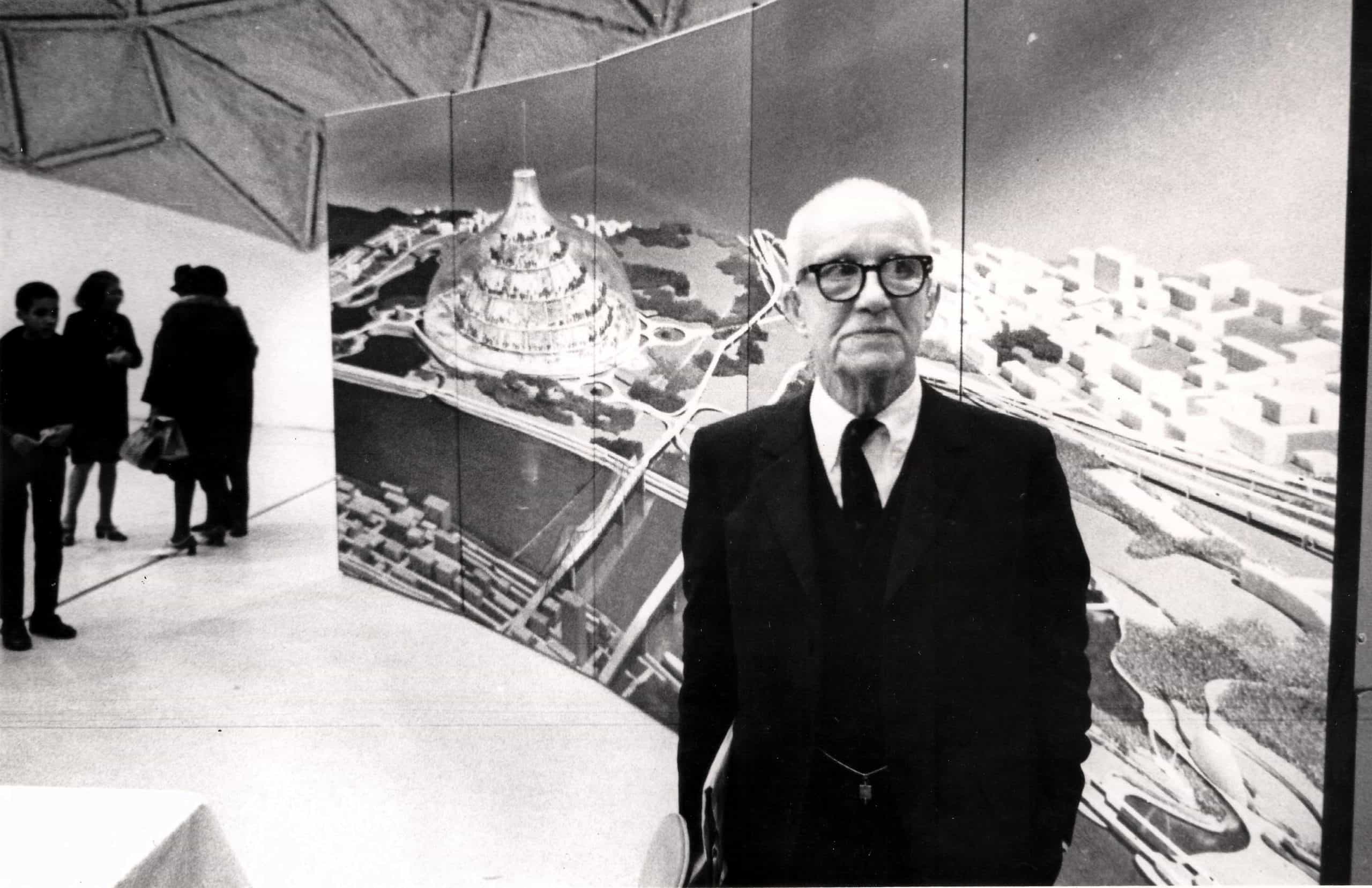
Architect, inventor, and futurist Buckminster Fuller was a rare person who seemed to never take it easy. Fuller wrote over 30 books throughout his lifetime, earned dozens of patents (most notably the geodesic dome), and kept a diary of his daily life that eventually exceeded 140,000 pages.
Fuller once utilized a polyphasic sleep schedule for two years that he called “Dymaxion Sleep.” During this time, he slept only 30 minutes every six hours.
Essentially he only slept two hours out of the day and used the remaining 22 hours to work and explore his many endeavors. He maintained, according to himself, that he never felt tired while following this routine.
Paul Erdős
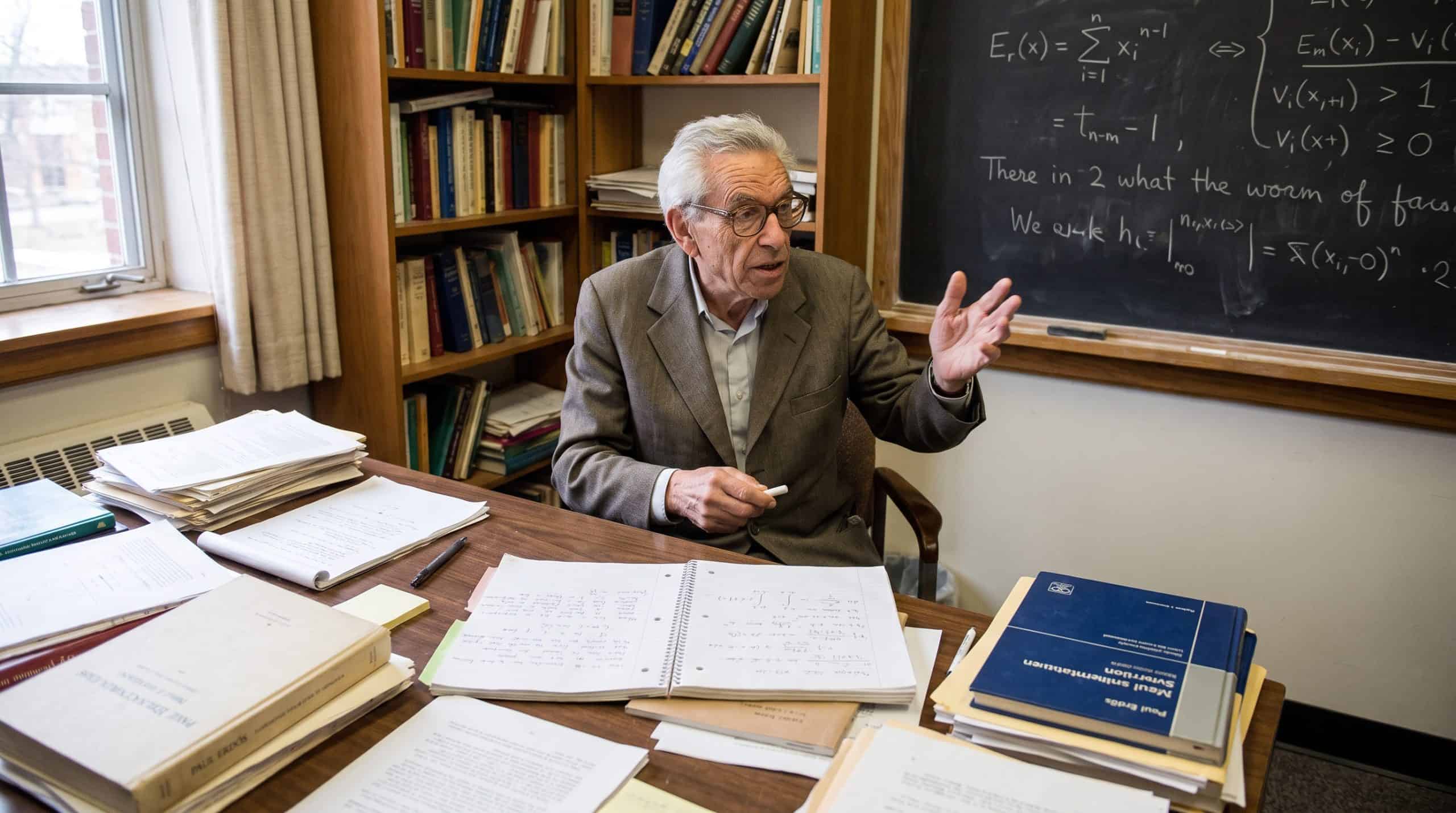
Hungarian-born mathematician Paul Erdős was prolific enough that he managed to publish more than 1,500 papers during his lifetime, working with over 500 collaborators.
Erdős had no permanent home or personal belongings of his own; he kept nothing but a suitcase and journeyed from math conference to math conference. Erdős was able to maintain a work pace of up to 19 hours a day for most of his life by using amphetamines and methylphenidate.
He was unapologetic about using stimulants, viewing them as “a machine for transforming coffee and chemicals into theorems.”
Nikola Tesla
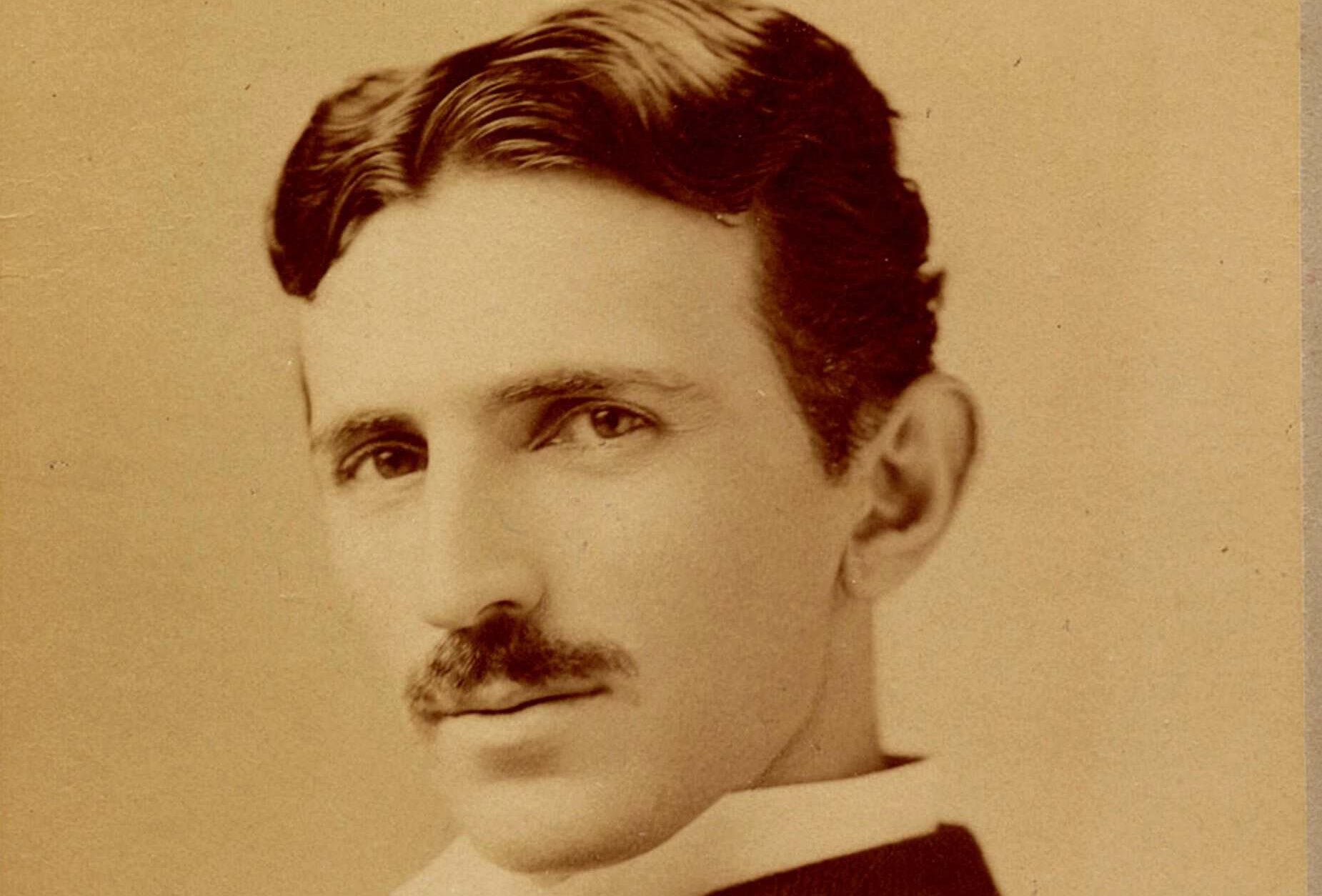
Tesla used nightly toe exercises as a way of keeping alert through long nights in his laboratory.
He flexed and relaxed each toe 100 times per foot as he believed this helped contract cells in his brain as well.
Tesla famously slept only two hours per night and measured the volume of each meal before eating it. And Tesla himself laid out this peculiar habit of toe-curling, his famously short sleep schedule, and his precise food rationing in his autobiography.
Anthony Trollope
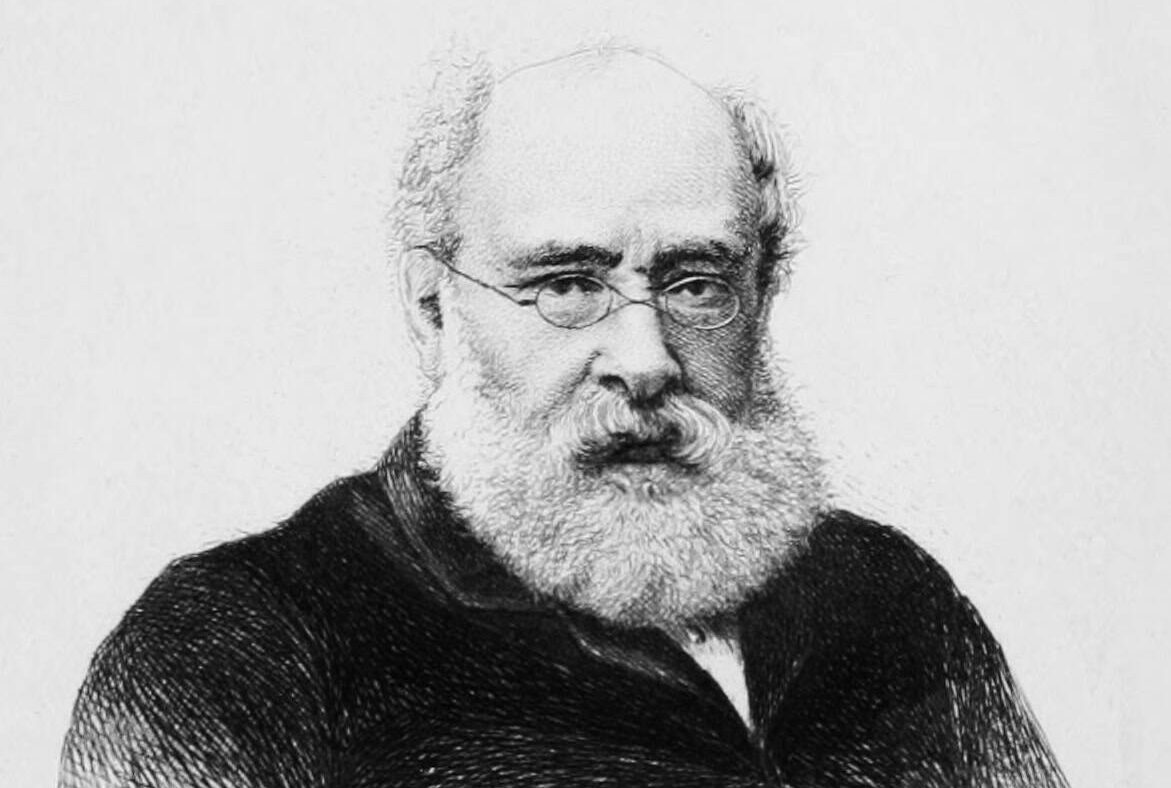
Anthony Trollope was a Victorian era writer who was extremely prolific. Across his career, he churned out 47 novels, numerous short stories, and several travelogues, all while holding down a full-time position as a senior figure in the British postal service.
His secret? Every morning he would wake up at 5:30 AM, put a watch in front of him, and make sure to write 250 words every 15 minutes.
If, by chance, he wrapped up a 100,000-word novel and ten minutes remained in his daily three-hour writing session, he would draw a line across the page and immediately begin the first chapter of his next story.
Benjamin Franklin

Every single morning, Benjamin Franklin would dedicate half an hour to an hour to his “air bath,” no matter the weather.
He’d sit undressed by his first-floor bedroom window, either reading or working on something.
Franklin thought fresh air blowing over his private parts was much healthier than a water bath, plus it kept him awake and attentive.
Thomas Edison
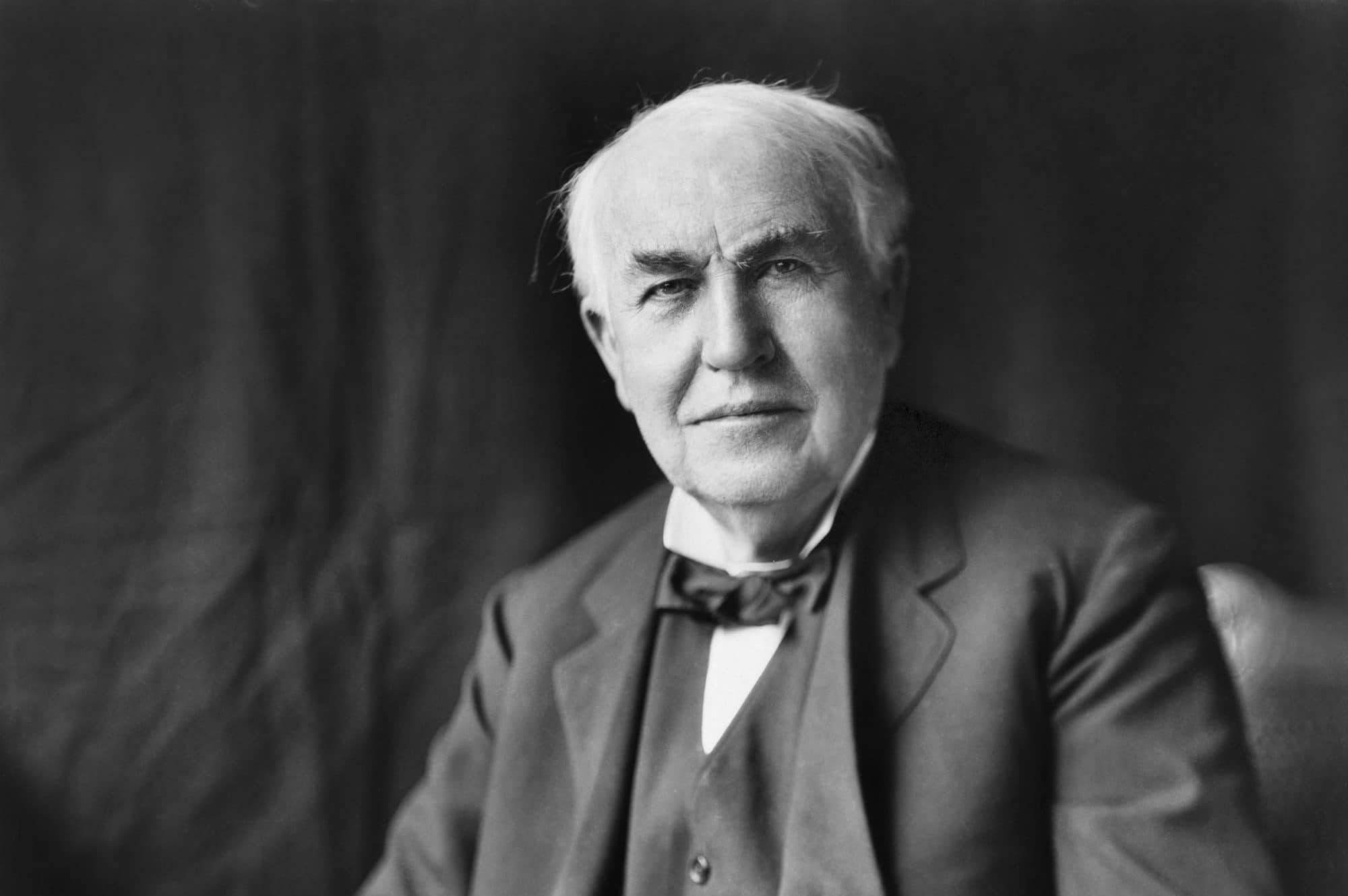
In order to jot down ideas at the brink of consciousness, Edison took quick naps while holding a brass or steel ball in each hand with metal pans below him.
As soon as his body went limp from sleeping, the balls would fall into the pans waking him up abruptly so he could write down his ideas.
His use of this method has been referenced numerous times by lab workers and assistants, however it is more likely this technique was only used when Edison was on invention-spree and not as a daily occurrence.
Ludwig van Beethoven
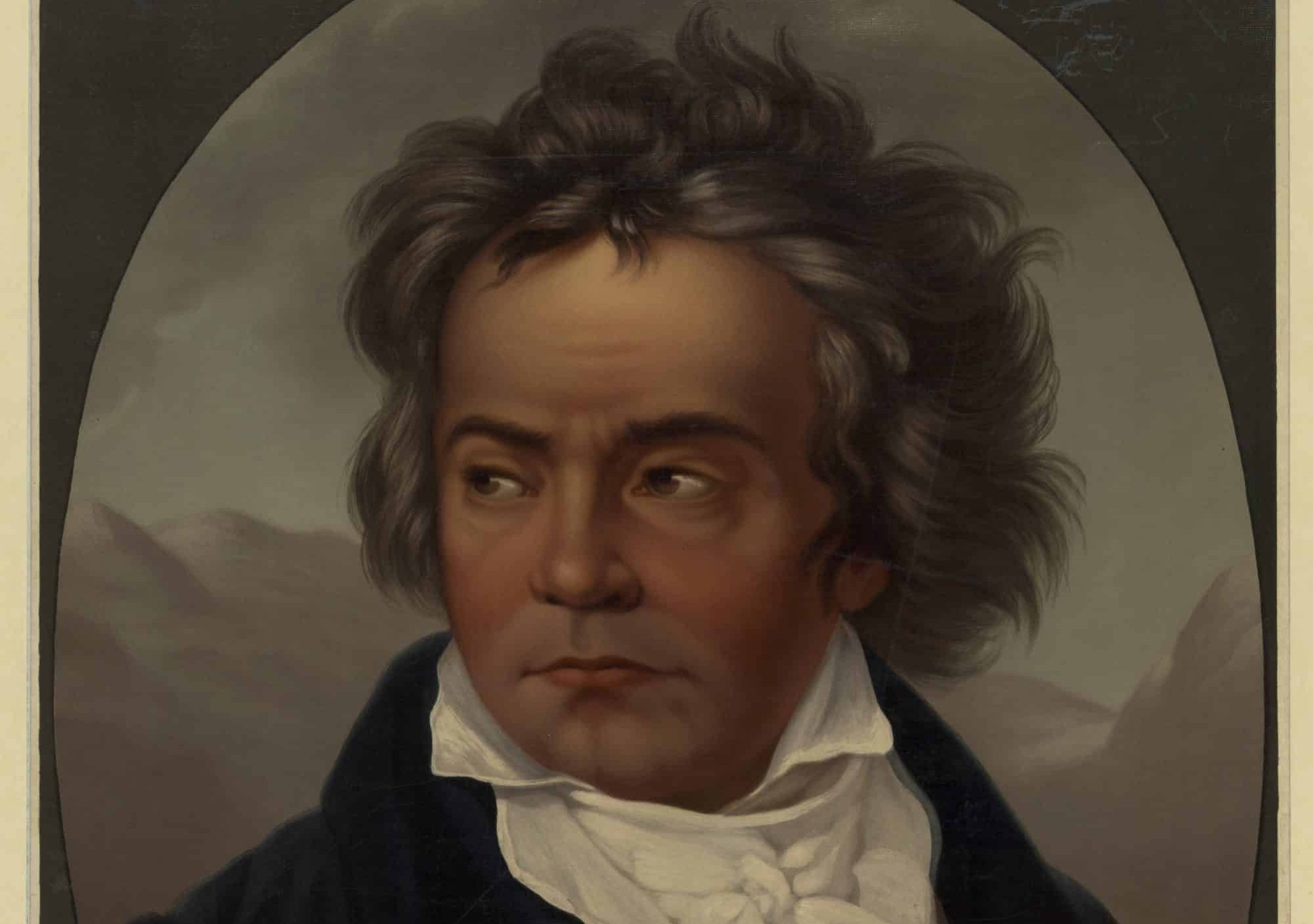
Legend has it that Beethoven fueled his caffeinated composing sessions by having 60 coffee beans ground for each cup of coffee in the morning.
He would hand-count the beans twice to make sure he had exactly 60. If his thoughts wandered during a long stint of composing, he would run to the washstand and splash his hands with ice water, pacing back and forth humming tunes to clear his head.
Anton Schindler, Beethoven’s biographer and secretary, along with peers like Ferdinand Ries, extensively recorded his peculiar 60-bean coffee habit and his penchant for drenching himself in frigid water.
Sources: Please see here for a complete listing of all sources that were consulted in the preparation of this article.
Like our content? Be sure to follow us.
13 historical facts that will totally mess with your sense of time
You might not realize it, but quite a few parts of history sit a lot closer together than they should have any right to, and it’s enough to seriously mess with your mind.
13 historical facts that will totally mess with your sense of time


