

Some ships helped shape history forevermore, and that’s why they’re remembered, while others made it into the history books because they sailed out, never to come back.
RMS Titanic
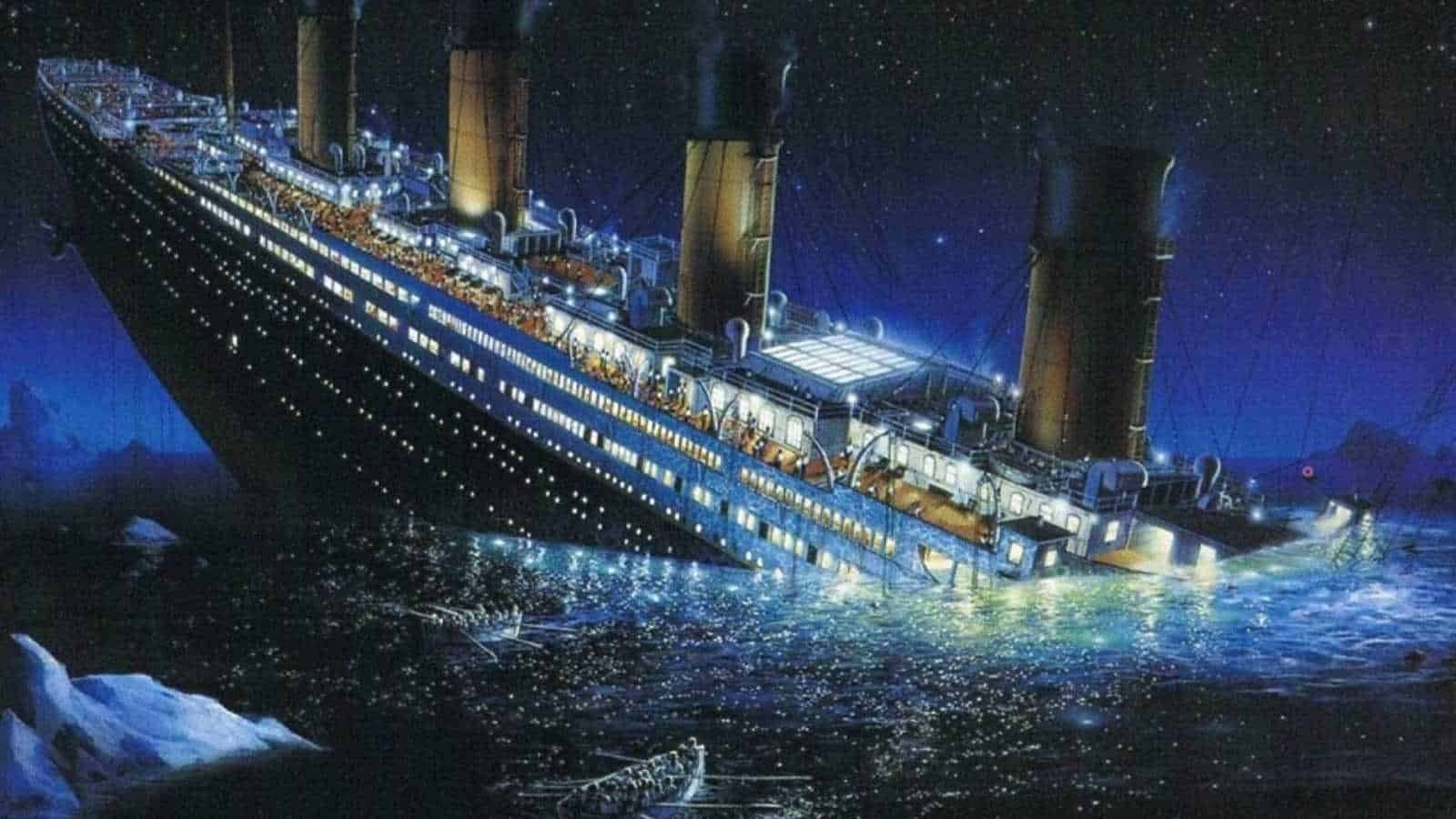
There’s no ship more famous than the RMS Titanic, although for all the worst reasons. It struck an iceberg late on April 14, 1912, and sank in the early hours of April 15 during its first voyage to New York. Over 1,500 people died.
Both Britain and the United States began investigations shortly after it sank, and these led to huge changes in safety rules. There were new lifeboat requirements and continuous radio watches. All those changes saved millions of lives later, but at the cost of so many before.
Mayflower
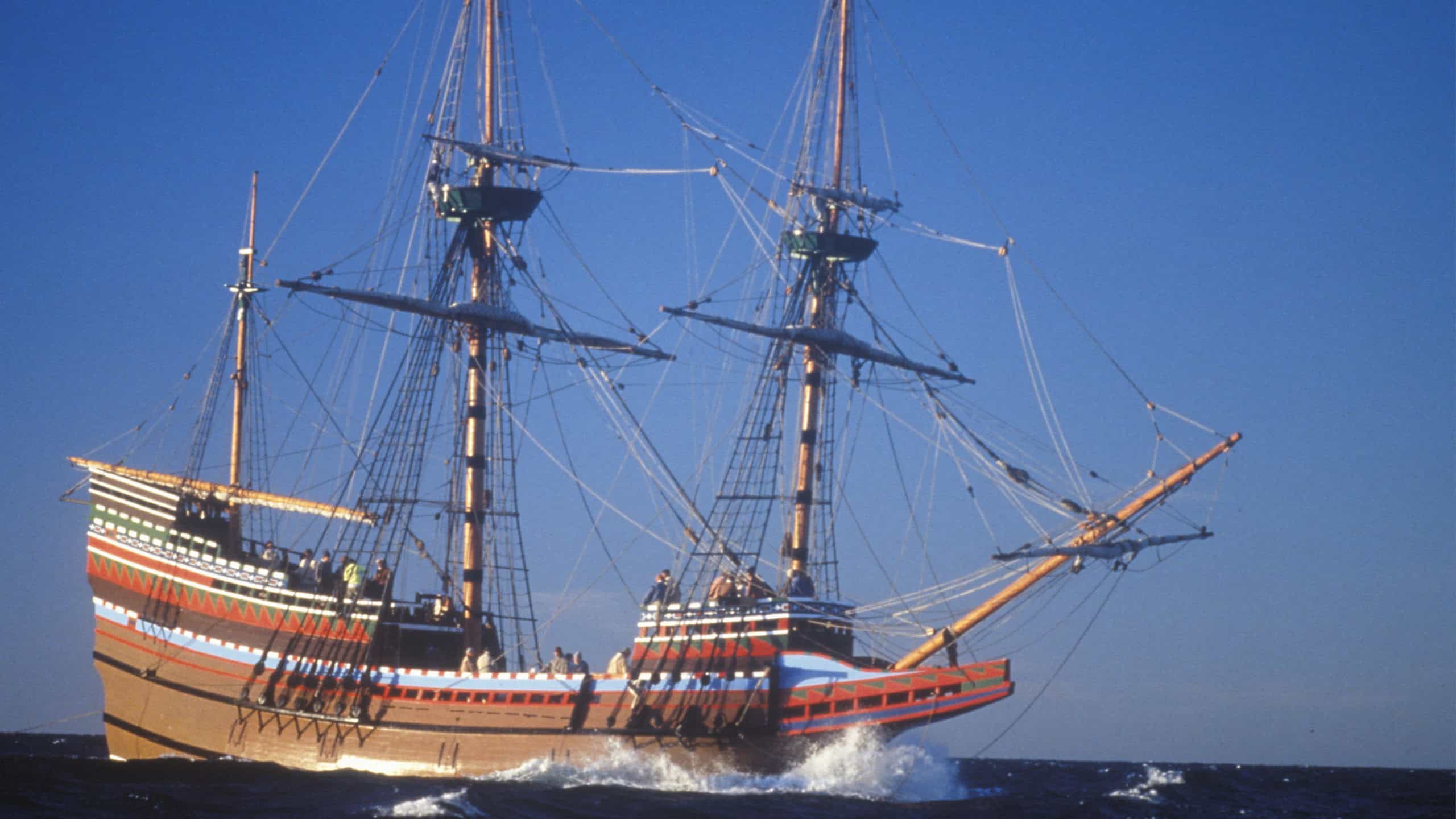
The story of the Mayflower is legendary, and as it turns out, passengers weren’t actually aiming for Plymouth. No, after leaving England in September 1620, they were hoping to settle near the Hudson River. Storms and navigation trouble pushed the ship toward Cape Cod instead.
The fact that they landed at Cape Cod was a major problem because it meant they were outside the area covered by their original agreement. 41 men had to sign the Mayflower Compact aboard ship. They founded Plymouth Colony. The rest, as they say, is history.
HMS Beagle
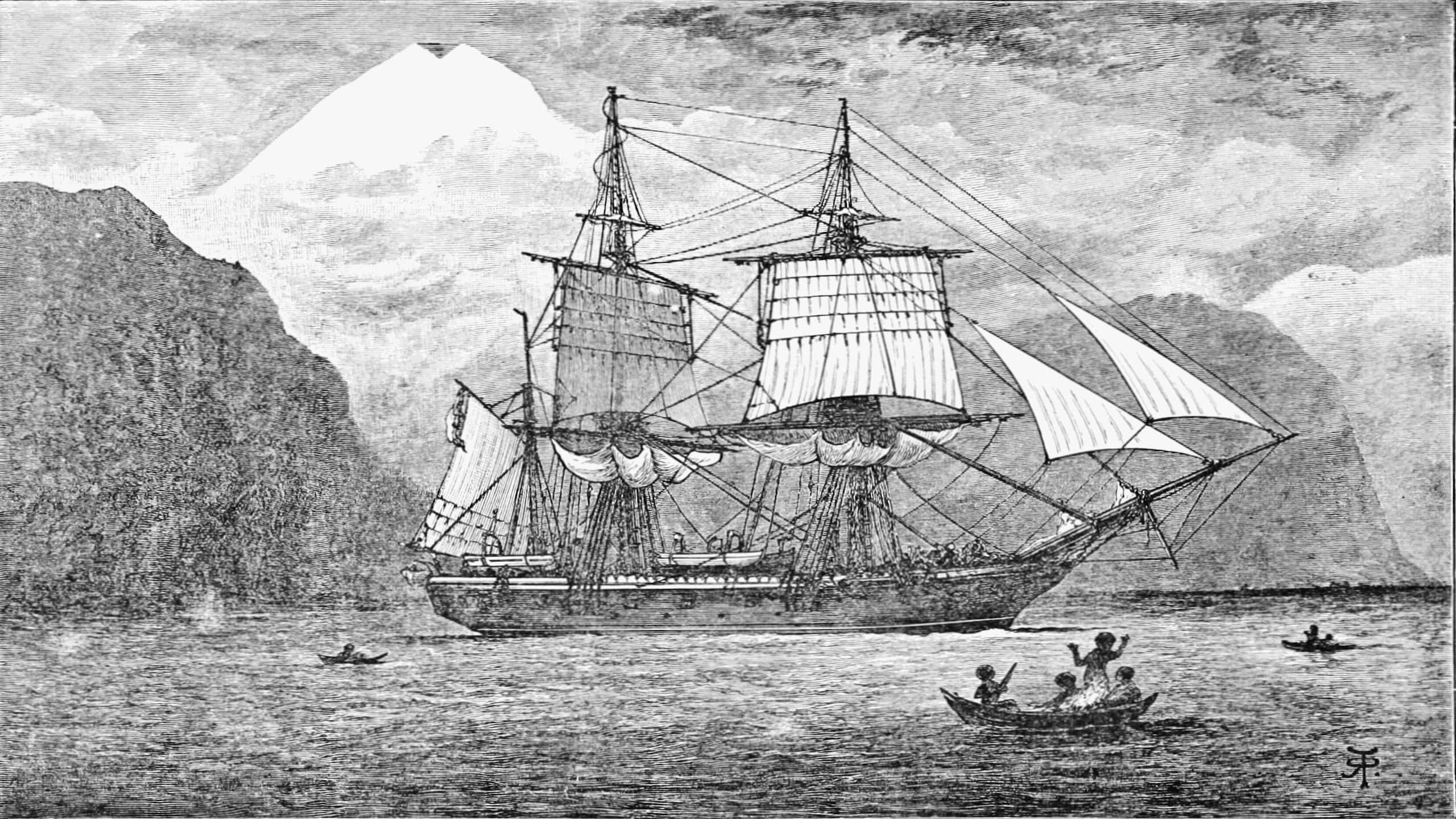
It’s not like HMS Beagle was sent around the world to make Charles Darwin famous, but that’s exactly what happened. The ship’s job was coastal surveying, mainly around South America. Darwin joined the 1831 voyage at the very young age of 22.
He spent nearly five years collecting fossils and plants, along with animals and, of course, endless notes. The ship reached the Galápagos in 1835 and returned to England in October 1836.
HMS Challenger
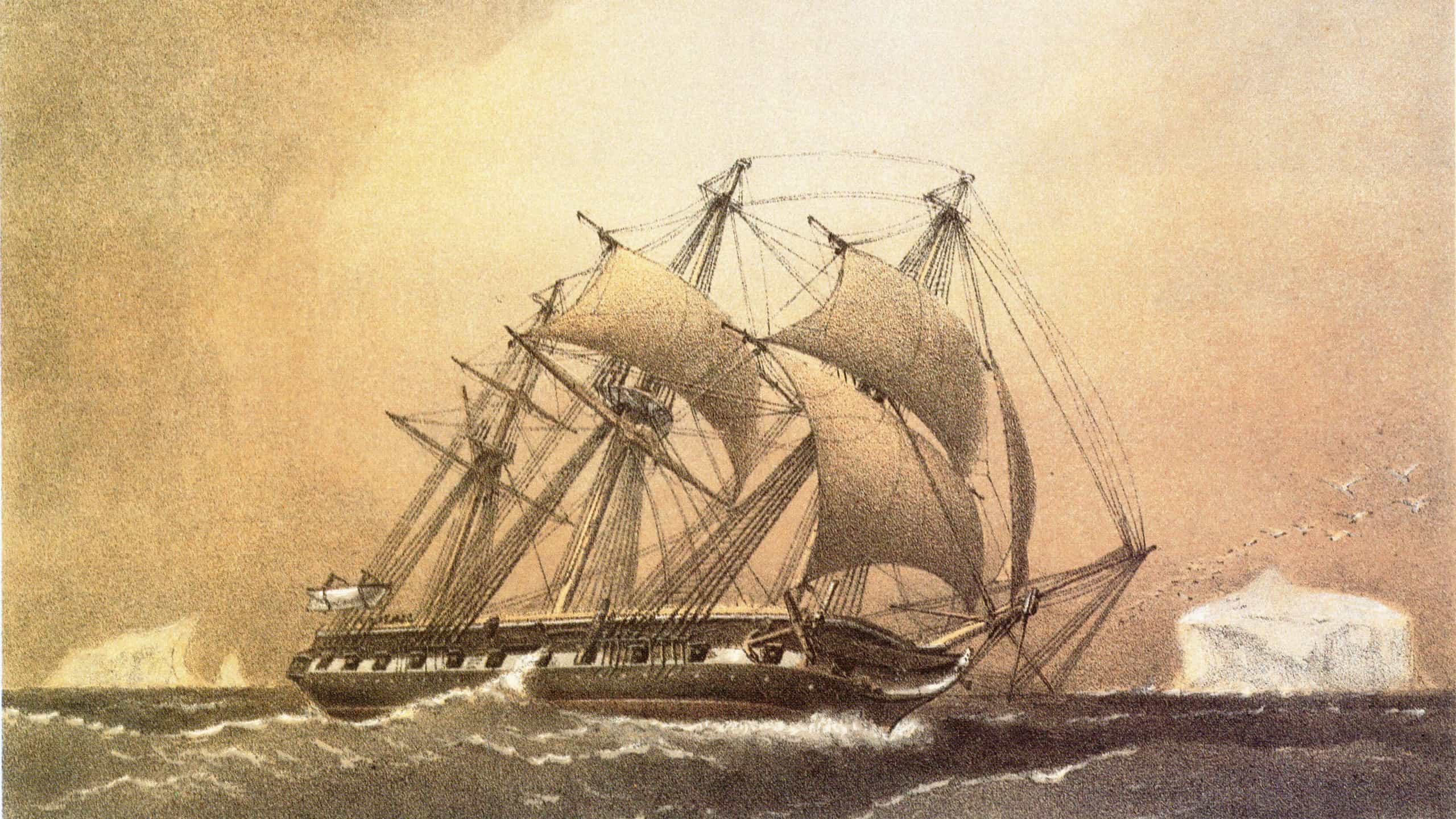
It’s all thanks to HMS Challenger that we know a lot more about what’s beneath the open ocean. People didn’t really explore the seabed before it sailed. In 1872, the ship left England and spent the next four years exploring the world.
Microscopes, specimen jars, makeshift laboratories, the ship had it all, and the crew used them all to haul thousands of sea creatures. A lot of these had never even been tracked before. There were so many of them, in fact, that the results filled dozens of volumes. Now that’s dedication.
Santa María
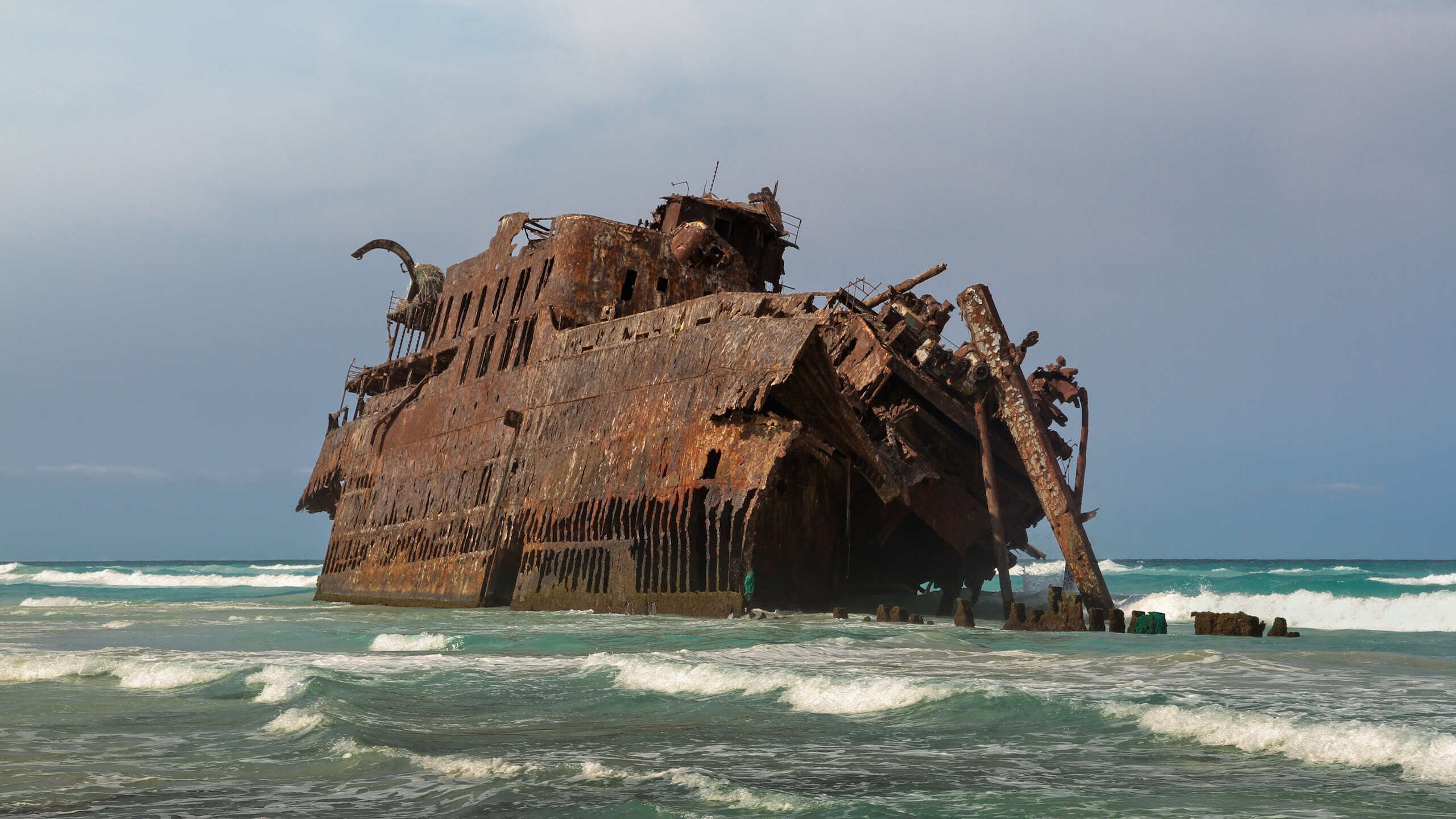
The Santa María was another ship that made it across the Atlantic, although it did so in 1492 instead. It didn’t make it home. Christopher Columbus’s flagship was sailing near Hispaniola when tragedy struck. Or, in other words, the ship struck a reef.
It became stuck and badly damaged soon after, leading to the crew stripping away timber and equipment before abandoning it. They used some of that wood to build a small settlement named La Navidad.
HMS Dreadnought
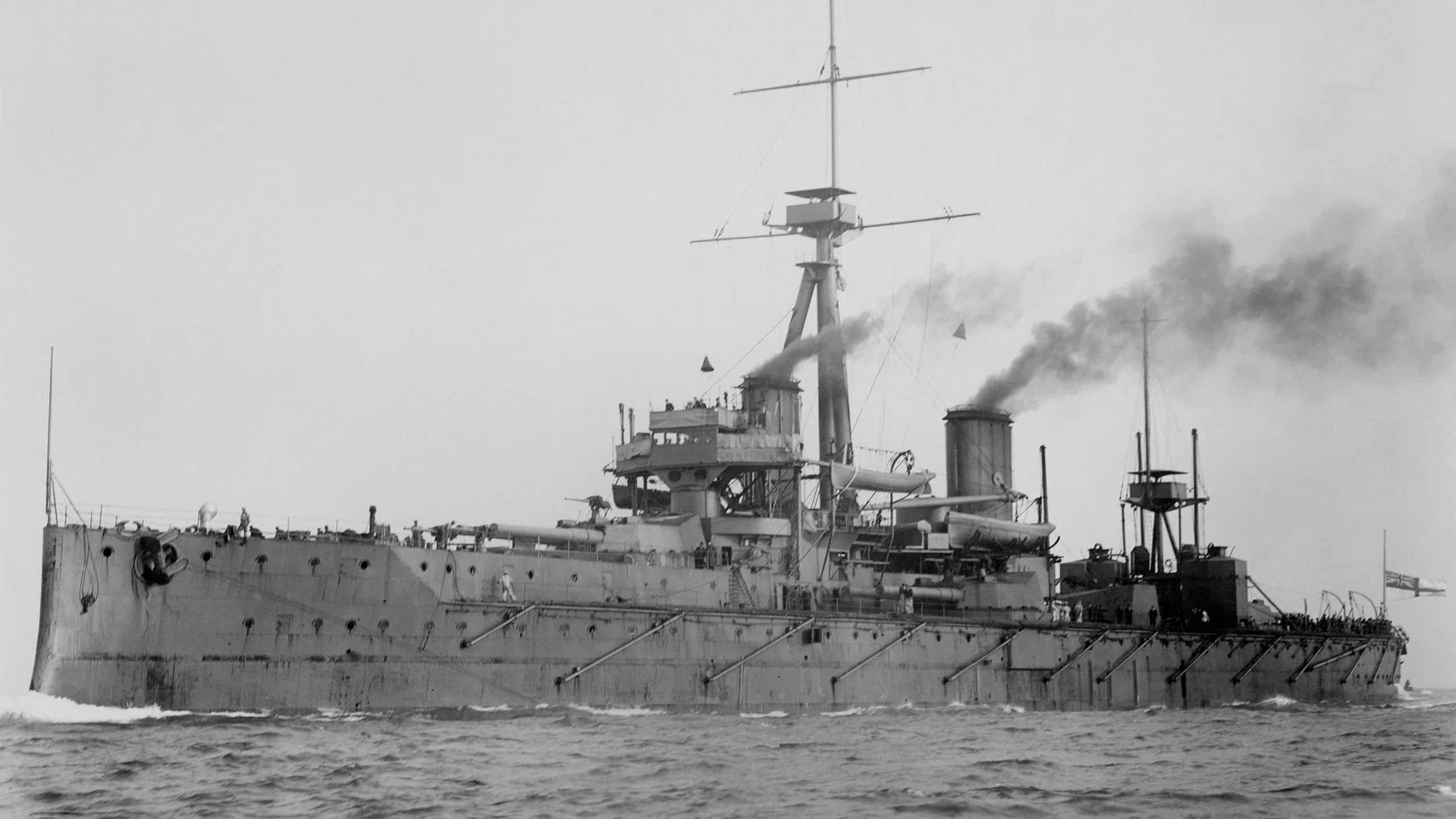
With a name like HMS Dreadnought, this ship was bound to make history. It made a lot of existing battleships look old almost overnight when it set sail in 1906. The British ship had ten 12-inch guns, all of the same main caliber, rather than the mixed batteries used on earlier ships.
It also ran on steam turbines and could reach about 21 knots. Sounds like nothing these days, but that was pretty fast back then, especially for something that large. People started referring to older battleships as ‘pre-dreadnoughts.’ It was that big of a deal.
Endurance
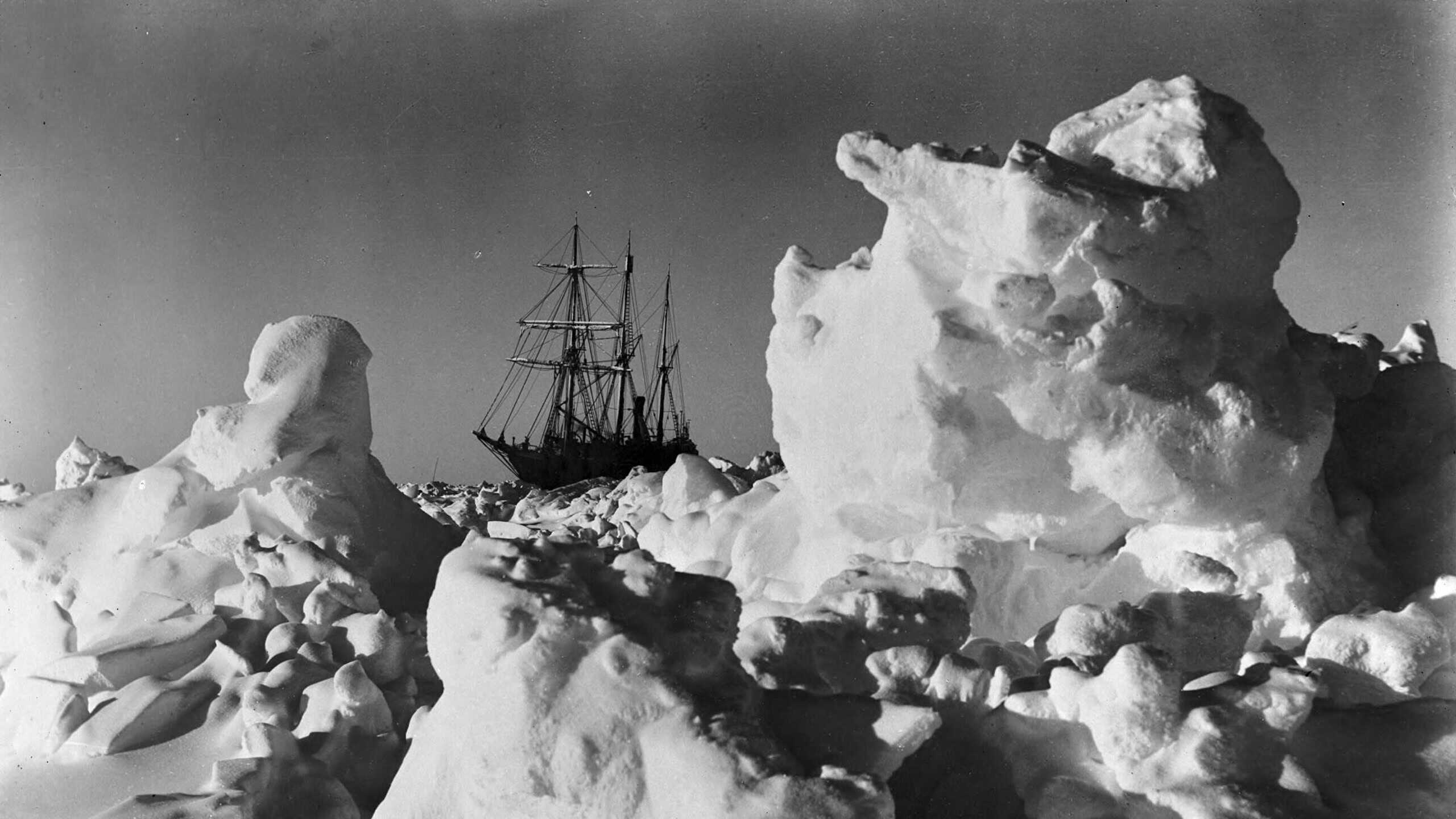
The Endurance was another ship that never got to complete its journey. Pack ice trapped the ship in the Weddell Sea in January 1915, and it drifted for months. It wasn’t until the pressure crushed its wooden hull that it broke free. The 28 men escaped onto the ice and camped there.
They used small boats to reach Elephant Island. Captain Ernest Shackleton and five others sailed about 800 miles in the James Caird to find help. But unlike the Titanic, every member of the party survived, it was sheer luck.
USS Epervier
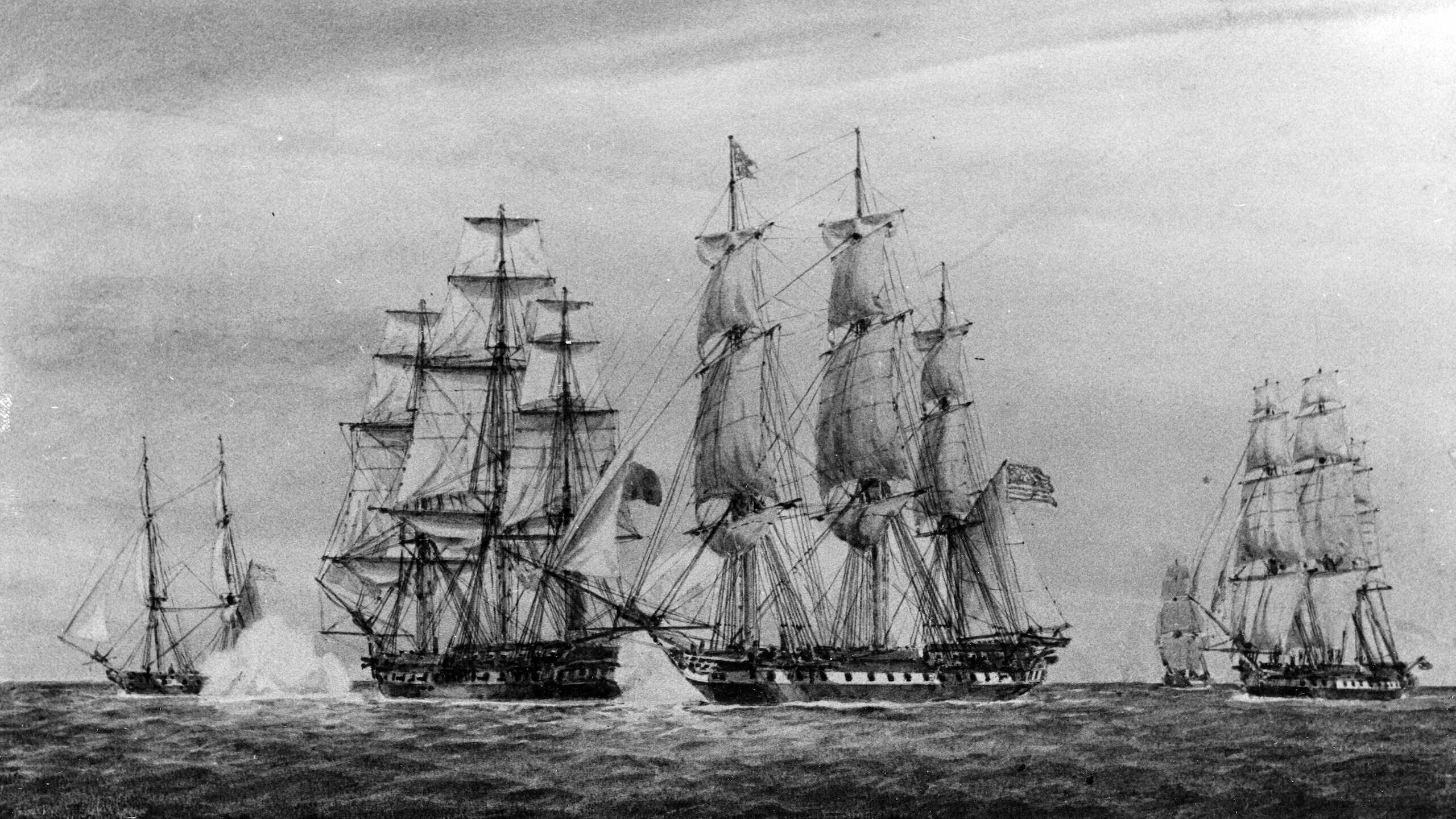
USS Epervier was a ship carrying more than just sailors when it disappeared in 1815. It also had official dispatches and a copy of America’s newly signed treaty with Algiers. The ship passed through the Strait of Gibraltar on July 14 and was last seen in the Atlantic on August 8.
As you might’ve guessed, it never got to the United States, nor did the 137 officers and Marines on board. The copy of the treaty vanished, too.
SS Waratah
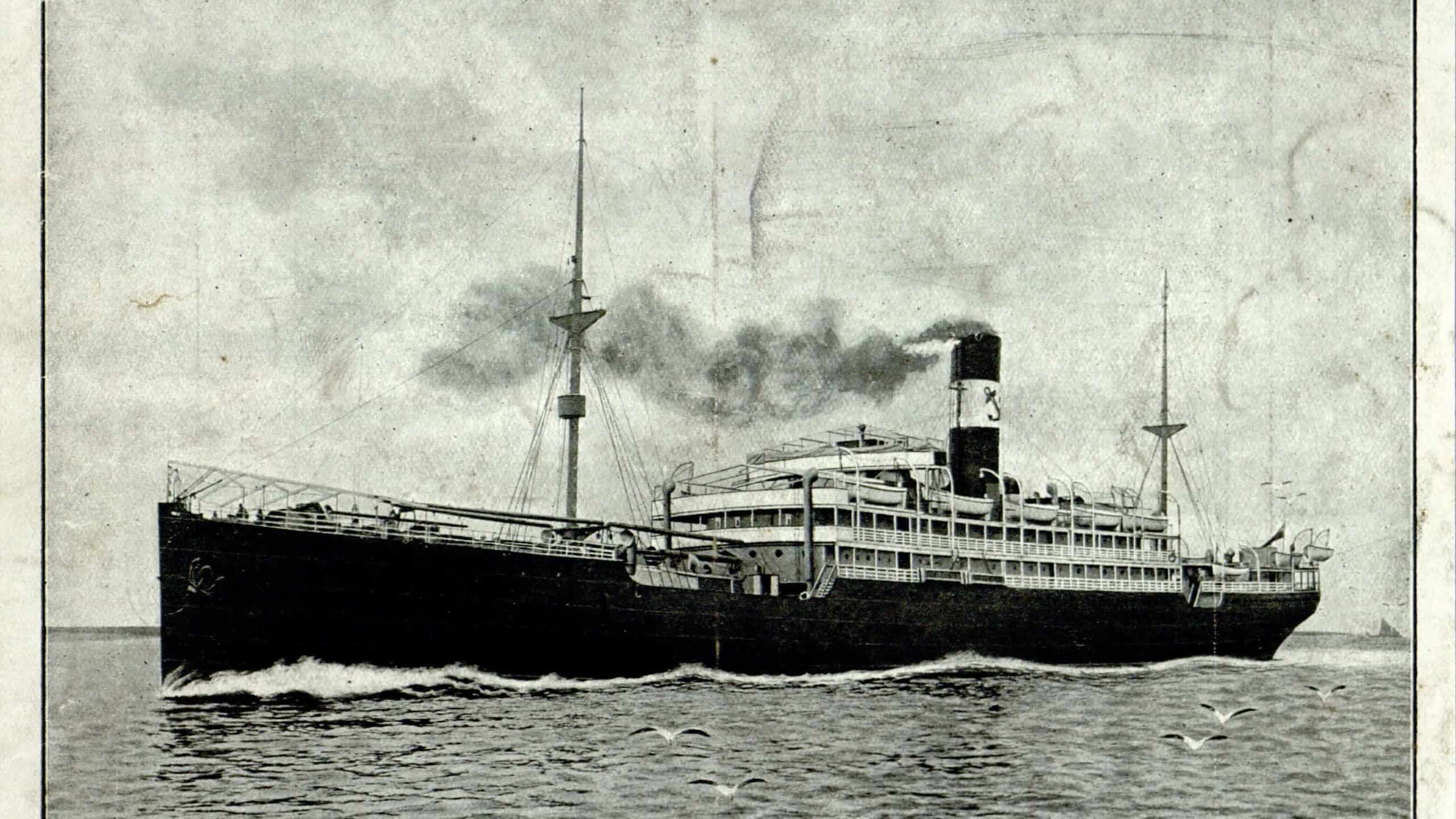
On July 26, 1909, SS Waratah left Durban for Cape Town, carrying 211 passengers and crew. It never made it. The last time people saw it was the day after it set sail, just off South Africa’s east coast. The strangest part was that the ship didn’t make any distress calls.
It’s not like people left it there because search vessels did cover huge stretches of sea trying to find it. Later expeditions also checked possible wreck sites, yet they never found the boat or the wreck. The current theory is that bad weather destroyed the boat.
København
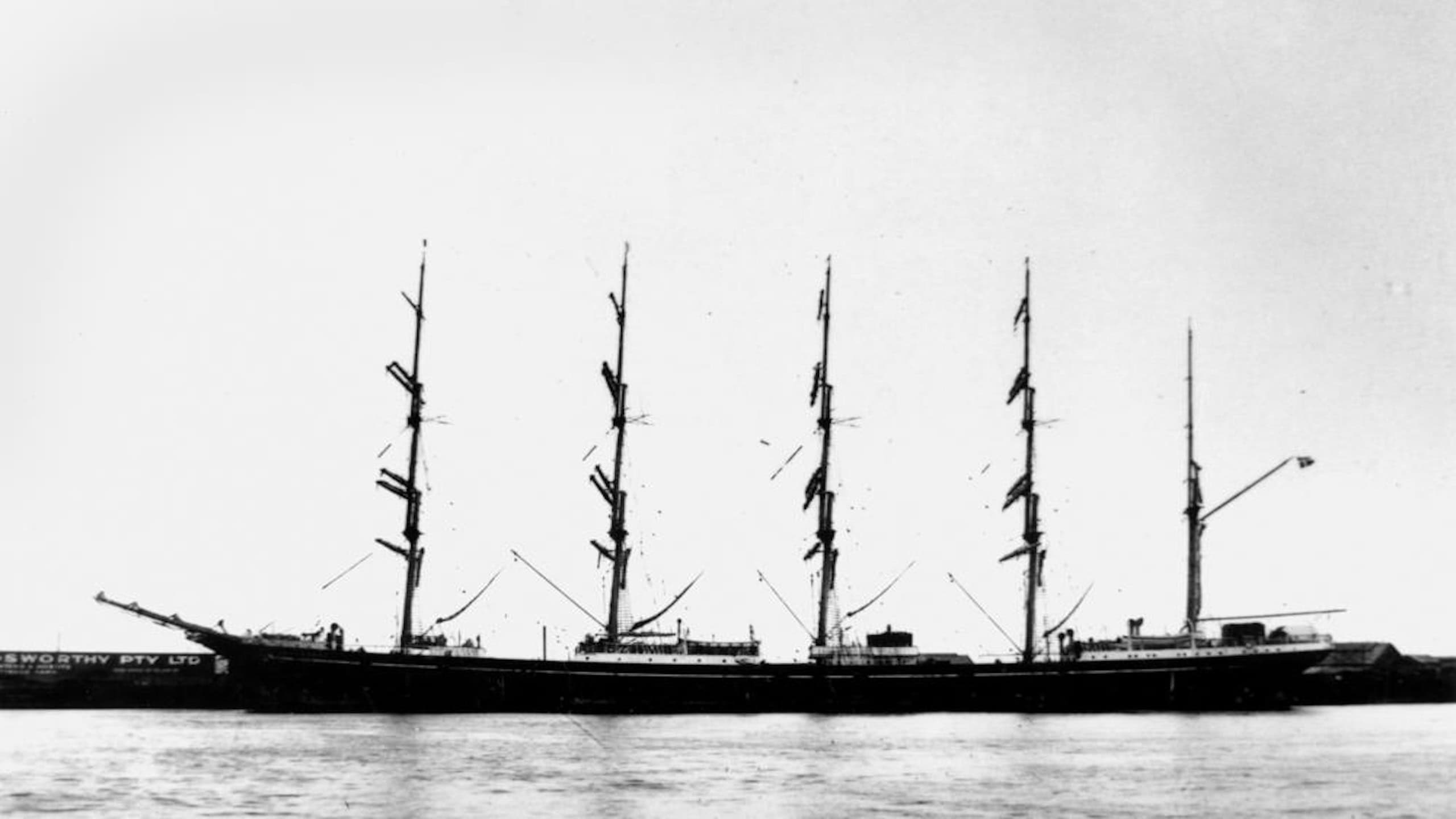
It was one of the largest sailing ships of its kind. That’s part of what makes the disappearance of the København so unusual, it was a five-masted Danish ship. It left Buenos Aires in December 1928 for Adelaide with 59 people aboard, including 45 trainees.
The last known radio exchange was on December 22 when it shared routine radio messages with another vessel in the South Atlantic. Nothing sounded wrong. But then contact stopped, and nobody knows where it went. Not one verified piece of the boat has ever turned up.
USS Pickering
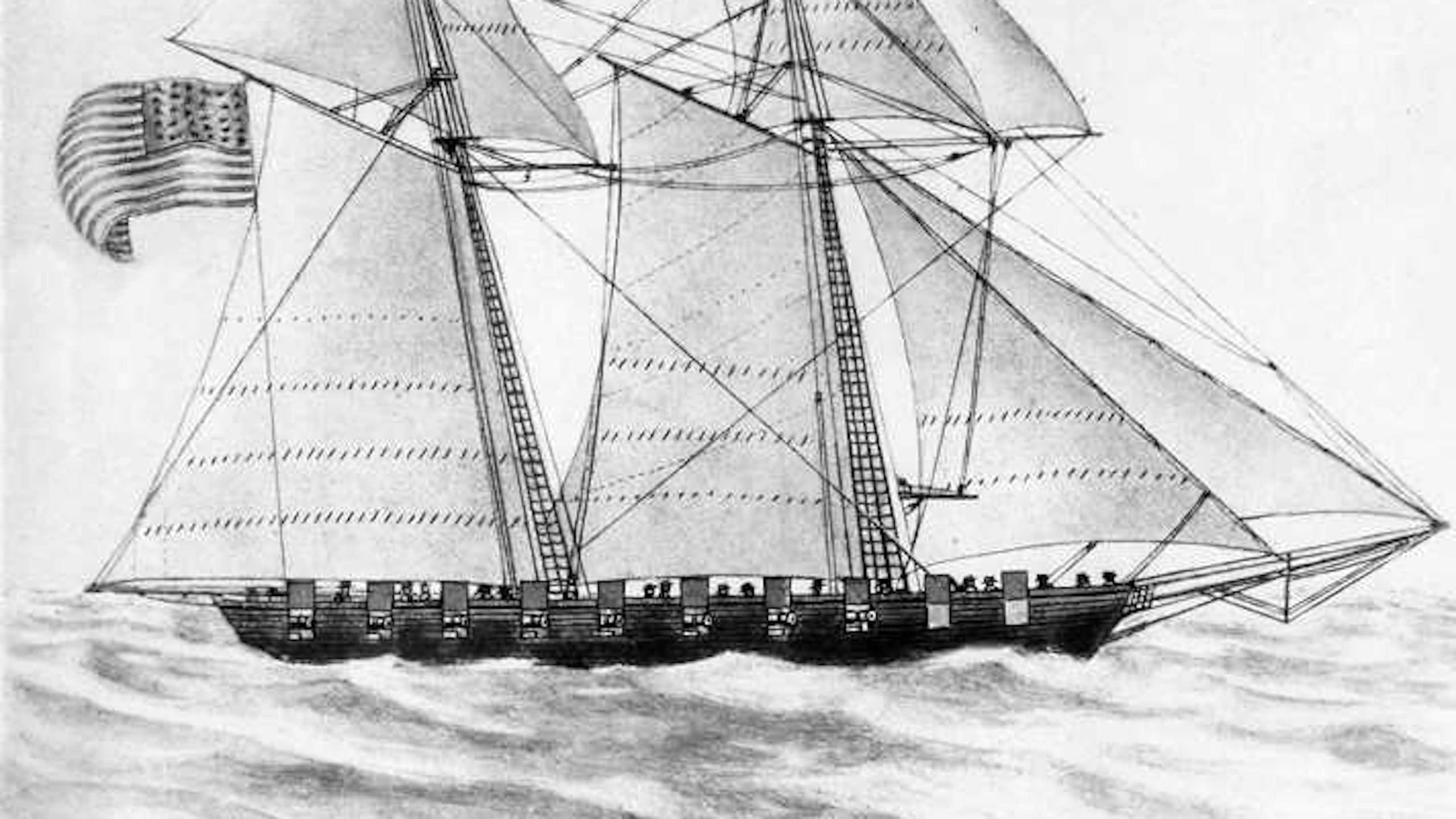
The USS Pickering set sail from Delaware in 1800 after spending months chasing French privateers during the Quasi-War. It had 90 people on board. The ship’s last confirmed sighting came in September near the West Indies. Then a powerful hurricane hit.
The boat never arrived at its destination and, strangest of all, we’ve never managed to find any wreckage or survivors. It’s possible that the storm destroyed the boat, but nobody can say exactly what happened. It’s not like there was much left to investigate, after all.
SS President

It should’ve been the beginning of another Atlantic crossing for SS President. It ended up being the start of the ship’s disappearance. On March 11, 1841, the wooden paddle steamer left New York and never returned.
The ship was already known for being rather slow and unsteady at the time, but still. The last time it was seen was when it was struggling through a gale near Nantucket Shoals and Georges Bank. That was it. No lifeboats, no bodies, no wreckage.
SS Pacific
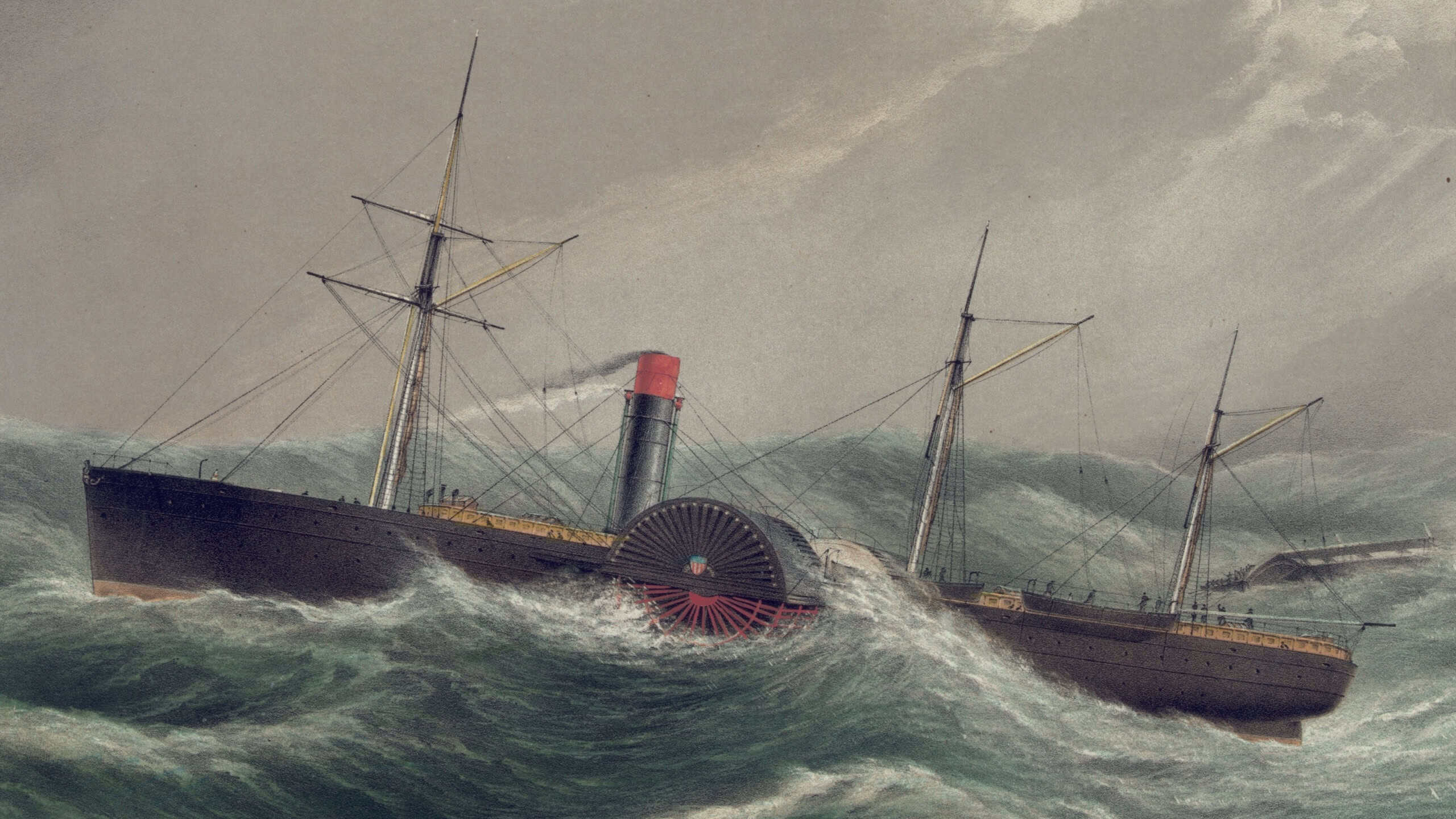
You’d think that, for a ship once praised for speed, the SS Pacific would’ve met an equally impressive end. But no. The ship disappeared on its way from Liverpool in 1856, vanishing somewhere in the North Atlantic.
The difference with this one, however, is that we have some idea of the cause. We know thick ice had been reported that winter, so it’s likely the ship struck an iceberg. It’s not confirmed, though.
SS Hewitt

Everything was normal. That was how it all seemed aboard SS Hewitt, at least at first. The 420-foot freighter left Port Arthur, Texas, on January 20, 1921, for Boston and Portland, Maine. It was meant to transport sulfur and 42 crew members there.
Yet somehow, the ship vanished around 250 nautical miles north of Jupiter Inlet, Florida. It never reached port. Yes, navy ships searched, and coastal stations helped out. But the sulfur and the lifeboats were gone, along with all the crew members.
Sources: Please see here for a complete listing of all sources that were consulted in the preparation of this article.
10 women who earned their place in history by being ‘evil’

Throughout history, women who have overcome stereotypes and expectations to take power for themselves often earn evil or bad because they refused to just exist peacefully on someone else’s terms.

