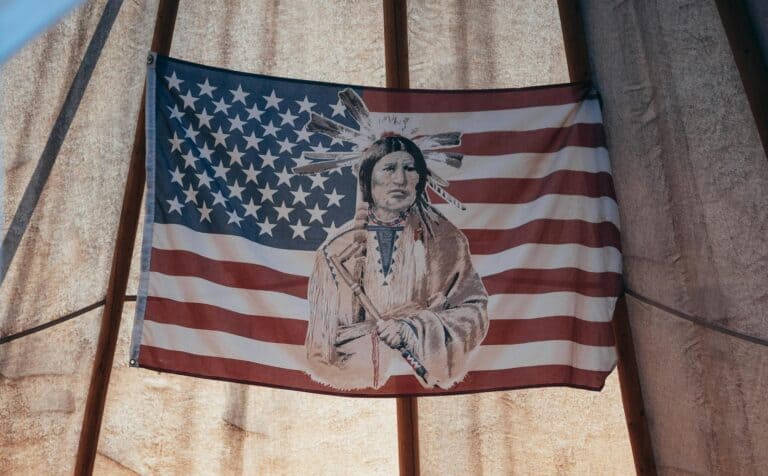

Native Americans were major contributors to American history, culture and customs. Their stories often involve courage, wisdom & perseverance. A lot of Native American leaders, thinkers and inventors changed the world for the better in important ways. From fighting for their peoples to leaving a legacy for future generations – their influence will never be forgotten. Here are 10 Native Americans who changed history.
Featured Image Credit: Pexels.com.
Sitting Bull (1831–1890)
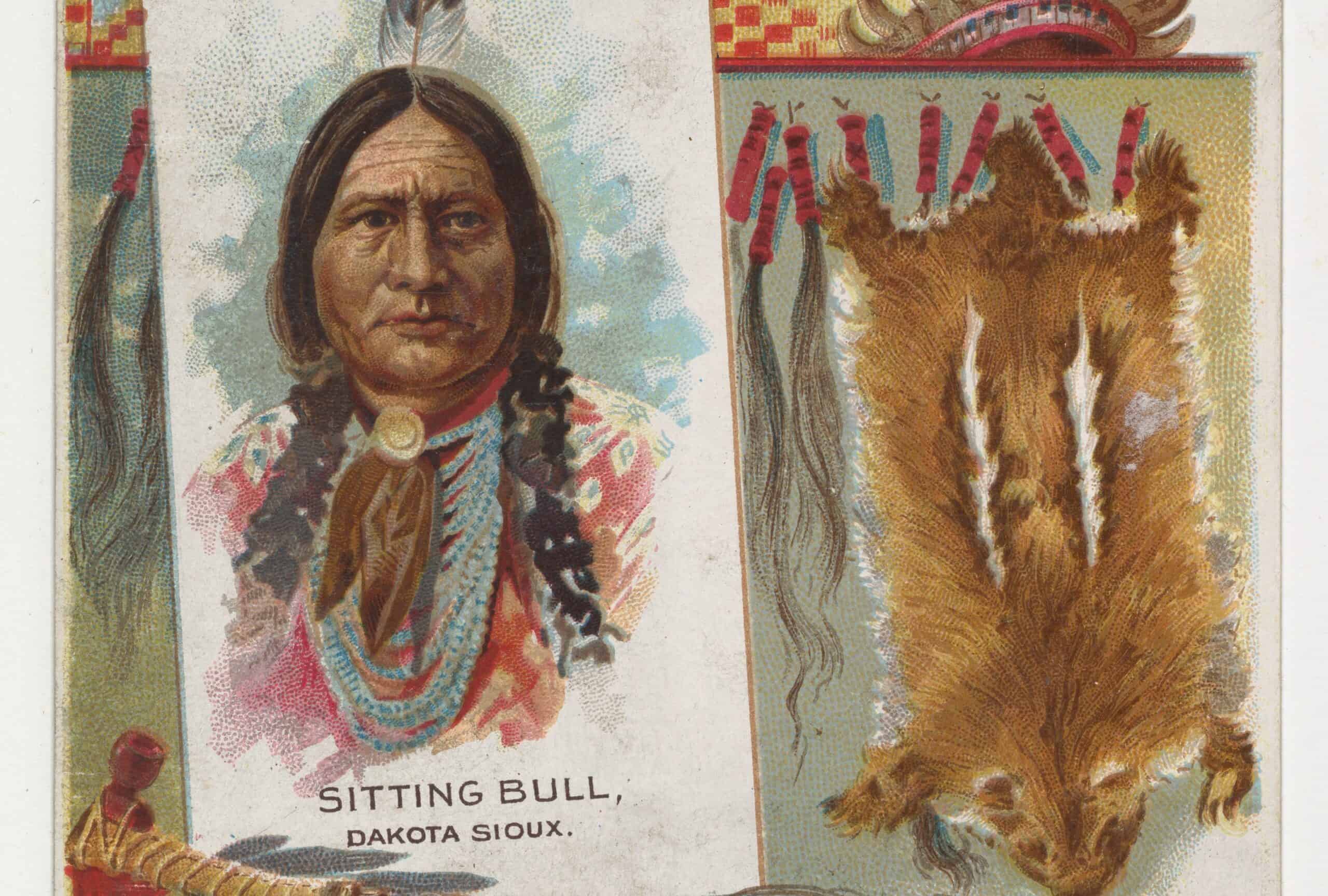
Sitting Bull was a Lakota Sioux leader and symbol of resistance against US government practices. He took part in the Battle of Little Bighorn, when Native troops defeated General Custer’s army. Sitting Bull wasn’t just a war leader, he was a spiritual figure who encouraged his people to defend their land and way of life. Despite being forced into a reservation, he fought until the end for his people’s rights.
Sacagawea (1788–1812)
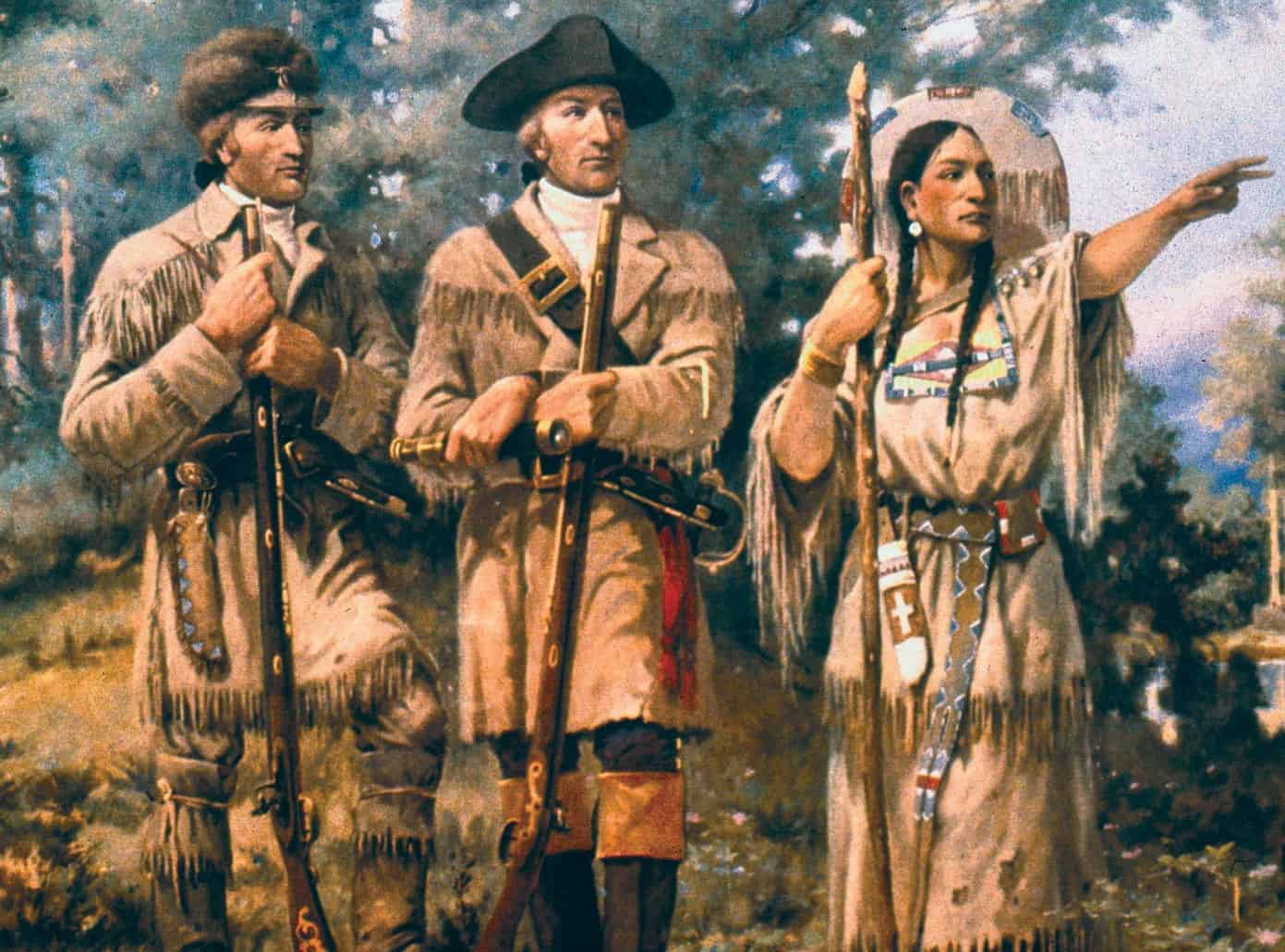
Sacagawea was a Shoshone woman who helped guide the Lewis and Clark expedition into the western United States. She knew the land well, and spoke languages spoken by other Native Americans, which was integral to the expedition. She was remarkably strong and durable, carrying her infant son on the journey. Sacagawea’s story remains an example of how one person makes a big difference, despite all the odds.
Crazy Horse (1840–1877)
Crazy Horse was a fearless Lakota Sioux warrior fighting to uphold his people’s way of life. He fought in several major battles, including one that saw Custer defeated at Little Bighorn. Crazy Horse firmly held on to Native culture and would not yield to the American government. He was a symbol of resistance and courage, despite the fact that he was killed during his arrest.
Tecumseh (1768–1813)

Tecumseh was a Shawnee leader who tried to unite Native peoples against American expansion. He thought all Native land was sacred and couldn’t be sold to settlers. Tecumseh spent his life building up a great alliance of tribes, which was an effective resistance to the United States. His leadership and vision placed him among the most prestigious Native leaders of his day. Though he died in combat, his message of solidarity continues to resonate.
Pocahontas (1596–1617)

Pocahontas was a Powhatan woman most famously linked to the English colonists at Jamestown. She supposedly rescued the life of Captain John Smith and married the settler, John Rolfe. Her marriage established a temporary truce between Powhatans and English. Although her life has been romanticized over time, Pocahontas is still significant for her contributions to early American history and cross-cultural exchange.
Geronimo (1829–1909)

Geronimo was an Apache chief who fiercely fought US and Mexican soldiers. He fought to defend his people’s land and lifestyle for decades. Though outnumbered, Geronimo and his band evaded capture for years. In the end, he was forced to surrender and spent the remainder of his life as a prisoner of war. Geronimo is remembered today as a man of strength and resistance.
Chief Joseph (1840–1904)
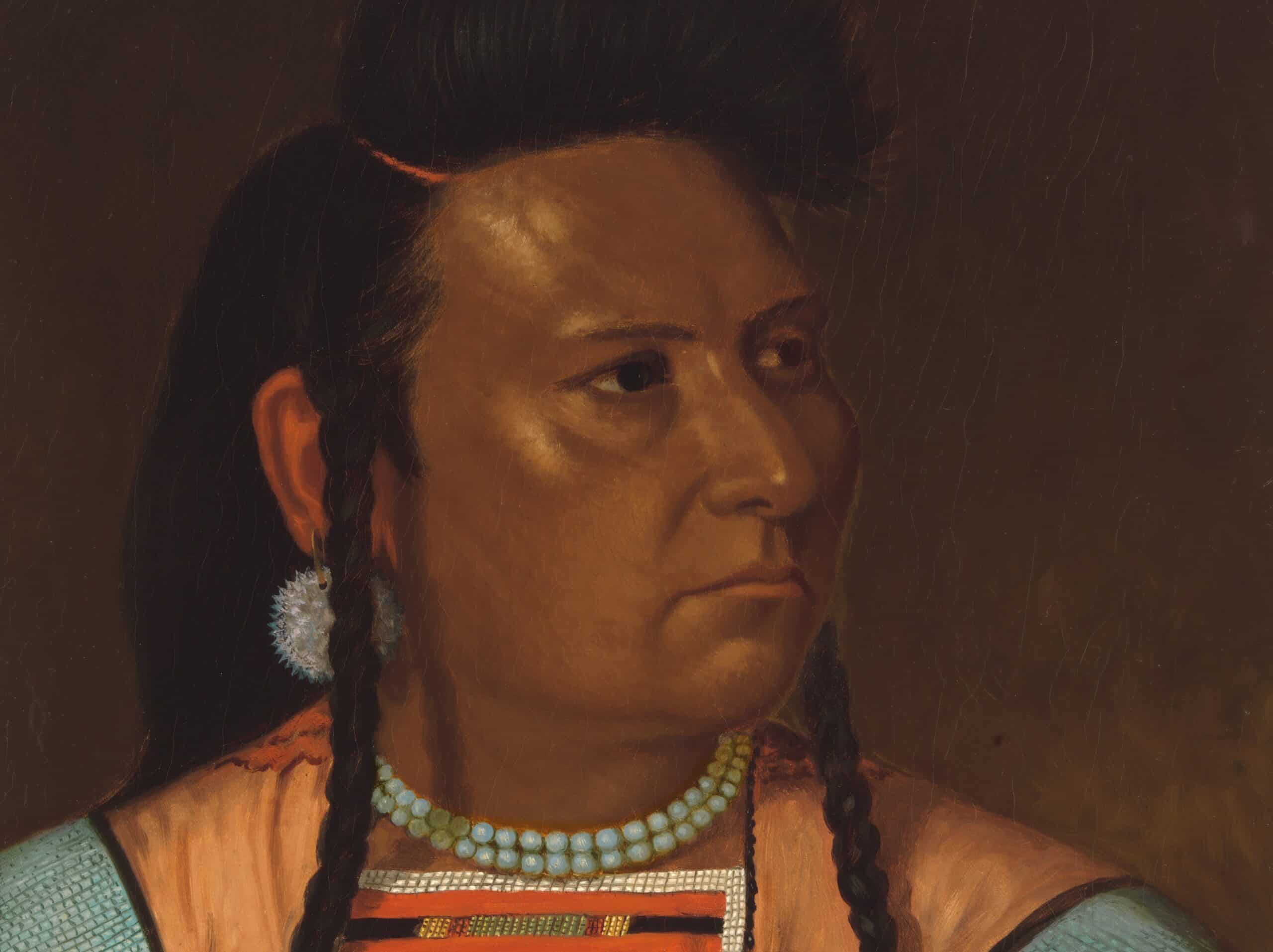
The Nez Perce chief Joseph is most famous for trying to guide his people out of Canada after they were driven off their lands. His command on this expedition made him very popular even among his enemies. The words of Chief Joseph’s “I will fight no more forever,” summed up his grief at the loss of his people’s liberty. His struggle for justice and peace is still a powerful piece of Native American history.
Wilma Mankiller (1945–2010)
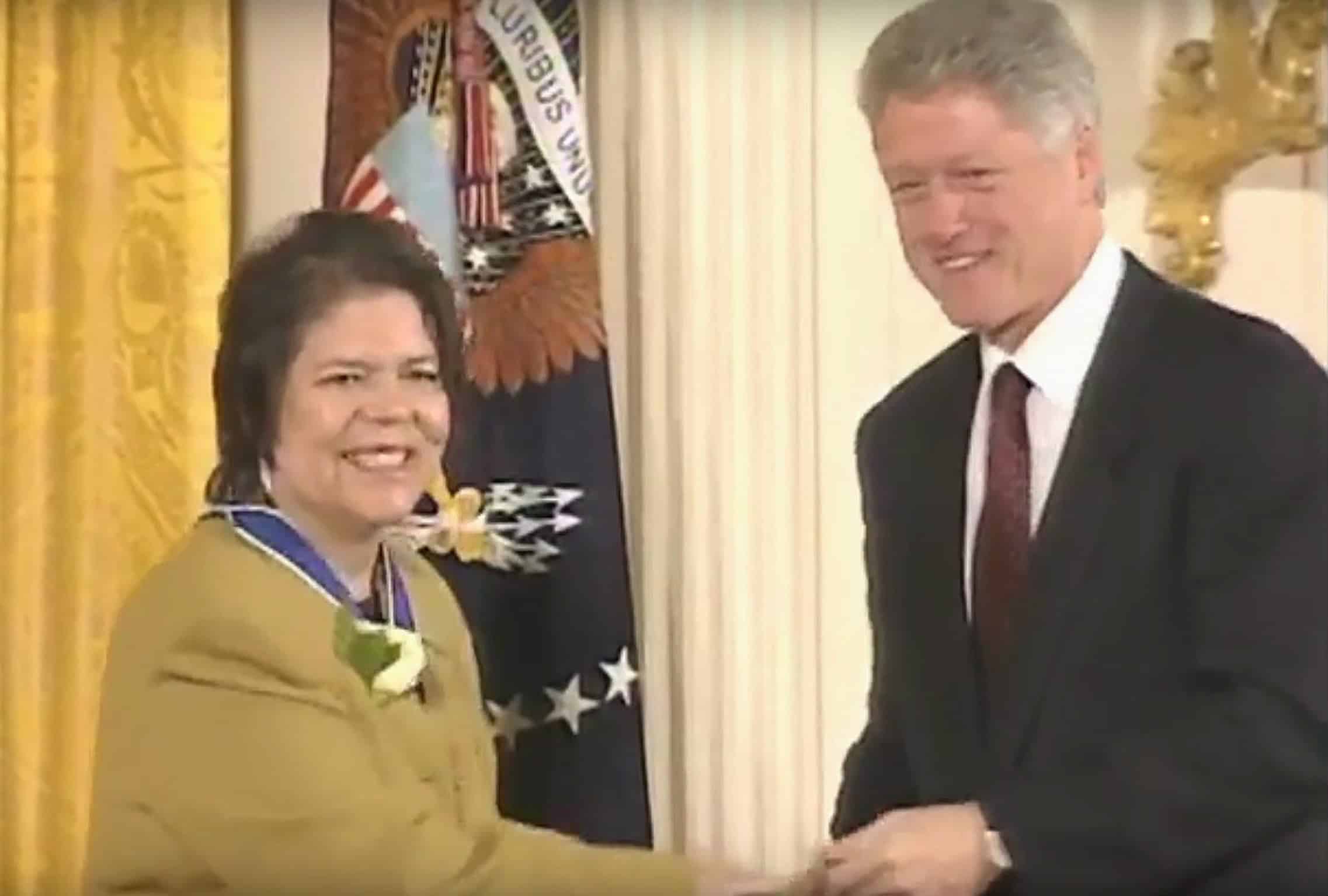
Wilma Mankiller was the first woman to become the Principal Chief of the Cherokee Nation. She worked for better healthcare, education and housing for her people. Mankiller’s leadership broke barriers for Native women and demonstrated the art of compassionate and courageous leadership. She made a positive difference in her community and stood as a role model for the next generation.
Red Cloud (1822–1909)

Red Cloud was a Lakota warrior who had prevailed against American troops in what became known as Red Cloud’s War. He even persuaded the US government to abandon plans to construct forts on Indian lands – a feat that Native peoples had never achieved before. In his later years, Red Cloud fought for his people’s rights through peaceful negotiations. His leadership showed that there were many types of resistance.
Maria Tallchief (1925–2013)
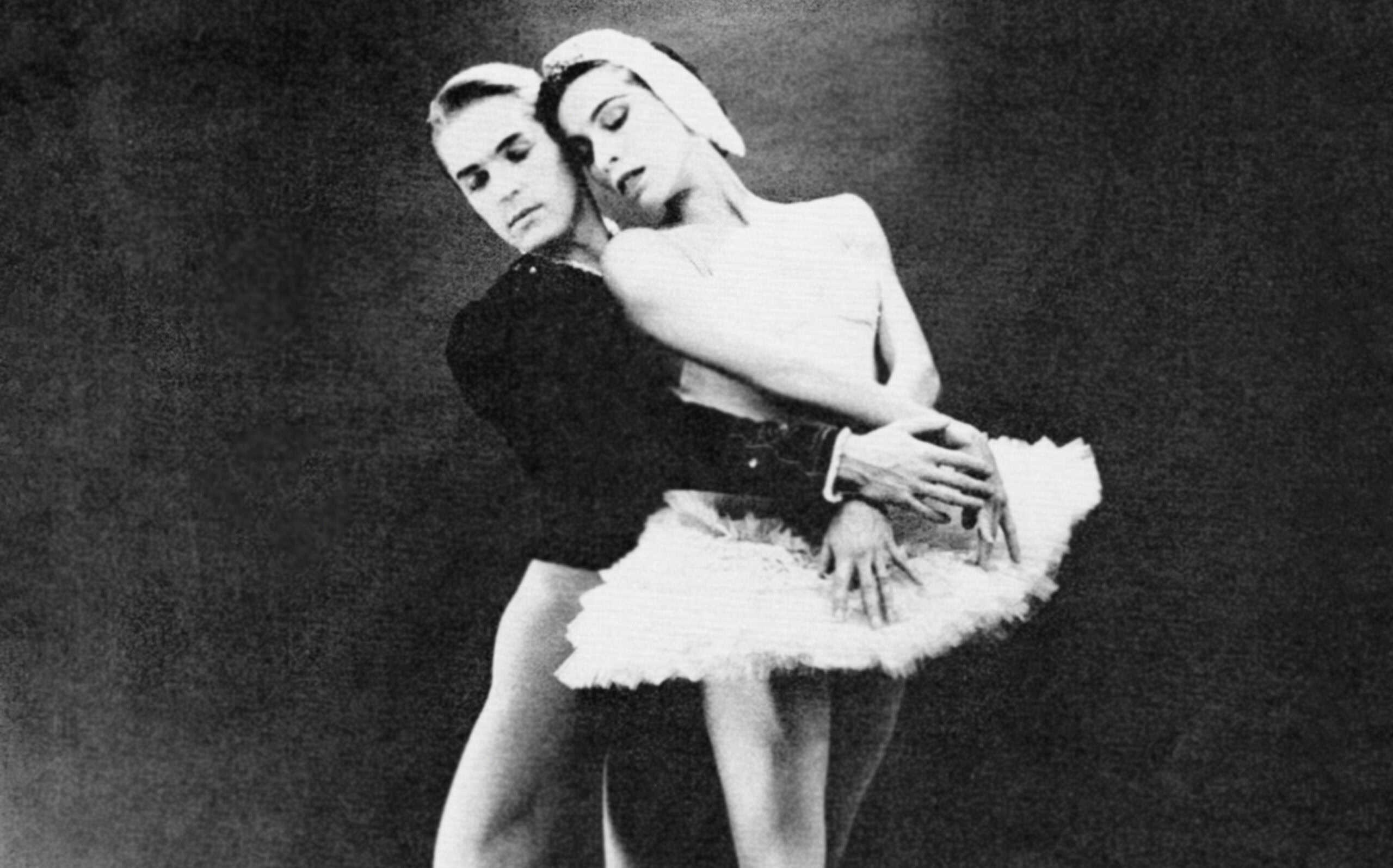
Maria Tallchief (of Osage heritage) was America’s first great prima ballerina. She dared to defy convention in the field of dance and became a global celebrity. Tallchief’s success exposed Native American talent and destroyed stereotypes. Her success gave the next generation of Native artists a chance to do the same. Though she retired, she remained an activist for arts education and Native culture.
Disclaimer: This list is solely the author’s opinion based on research and publicly available information.
Like our content? Be sure to follow us.
Read More: