

When we check our bank accounts & wonder where our money’s gone, we often just blame the big purchases. But the truth is—it’s often the little things we hardly notice we’re spending money on. Here are some typical daily expenses that might be slipping under your radar. You don’t have to cut back if you don’t want to but you should be aware that they’re chipping away at your savings!
Featured Image Credit: golubovy /Depositphotos.com.
Bottled Water

It’s just water but if you buy a bottle every day for about $2, that adds up to $60 every month. By the end of the year, you’ve spent $720 just on water—ouch! Switching to a reusable bottle is a more cost-effective & environmentally friendly way to keep drinking. Just tap into your home water supply to keep that money in your pocket.
Prepackaged Snacks

Snacking is great, although the price of those convenient grab-and-go snacks? Not so good. Spending $3 a day on snacks adds up to $90 a month, which works out to be over a thousand dollars a year. It’s really not worth spending that amount on something you could probably whip up cheaper at home.
Like our content? Be sure to follow us.
Eating Out for Lunch

Speaking of food, grabbing lunch out could cost you around $10 a day, which seems relatively easy, right? Unfortunately, it can end up being around $50 a week or $2,500 a year—imagine the vacations you could take with that! As such, packing a lunch could be a cheaper & healthier option.
Brand Name Groceries

While buying brand names does seem reassuring, that comes at a cost that’s not always worth it. Stick to store brands because they often have the same quality and this change can lower your grocery bills significantly. In fact, such a simple swap could save you thousands of dollars a year!
In-App Purchases
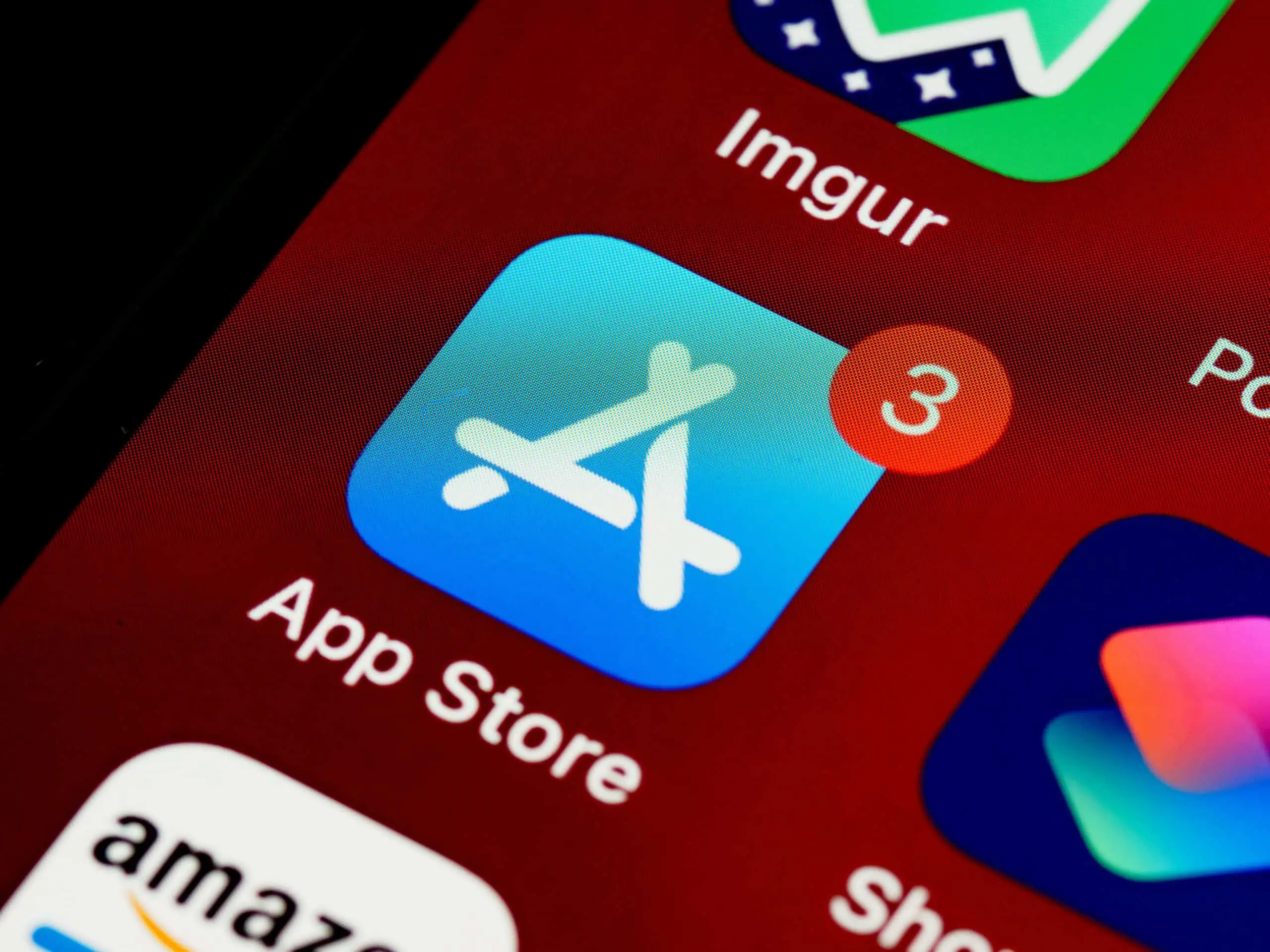
It’s pretty easy to forget about those little in-app purchases in games & apps. After all, a dollar here and there is nothing—but sadly not. Spending just a little can start to add up to hundreds, which you could easily spend on something worthwhile. You should ask yourself if it’s really worth it.
Expensive Hair Treatments

If you’re not careful, those regular salon visits for hair care can take a pretty big toll on your wallet. Think about it—if you’re dropping about $100 every other month, that’s $600 a year spent on your hair. Perhaps you’d be better off looking for less frequent treatments or maybe even cheaper alternatives.
Lottery Tickets

What’s wrong with buying a lottery ticket? It turns out quite a bit. Even if you’re just spending around $10 a week on lottery tickets, that’s $520 a year on the long odds of hitting it big. You should keep that money in your savings account or invest it because at least then you’re getting guaranteed earnings.
Bank Fees

Little things like ATM fees & overdraft fees can add up if you’re not careful. Just $5 a month in fees can work out to be $60 a year—and that’s on the low end. As such, it might be time to shop around for a bank that offers better terms or at least to keep a closer eye on your account to avoid those charges.
Frequent Car Washes

There’s no denying that keeping your car clean is important but constant trips to the car wash can be costly. You could easily spend up to $500 a year on car suds. Instead, you can save a chunk of change by washing your car at home. If that’s not your thing, stick to getting a car wash less often.
Impulse Buys at the Checkout

We all love a good impulse buy and especially at the grocery store checkout! Unfortunately, that candy bar or a magazine can be quite expensive if you’re buying it every week. You should exercise some self-control and stick to your shopping list. At least then, you can keep more money in your pocket.
Seasonal Decorations

Buying decorations for every holiday & season is a great way to get into the mood yet the cost of it isn’t so festive. Just $50 on new decorations several times a year is easily a few hundred dollars. To avoid this, reuse decorations or maybe even create your own. Buying them post-holiday on clearance is also a great idea.
Disclaimer: This list is solely the author’s opinion based on research and publicly available information.
Like our content? Be sure to follow us.
Read More: